
Quick Guide: How to Use a ZXO Quit Smoking Companion or Alternative Diffuser
Embarking on a smoking cessation journey requires a multi-layered strategy that addresses both physical nicotine withdrawal and deep-seated behavioral habits. It is important to establish a realistic expectation from the outset: no essential oil diffuser or aromatherapy device cures nicotine addiction. However, when integrated into a structured cessation plan, specific diffusion devices can serve as highly effective behavioral support tools to help you manage acute cravings, sensory voids, and withdrawal-related anxiety.
When evaluating your options, including specialized setups like a ZXO quit smoking aromatherapy companion or standard retail diffusers, your choice should depend on three primary technical dimensions. These are portability for addressing sudden cravings outside the home, diffusion strength for delivering an immediate sensory distraction, and programmable timer functions to maintain a calming ambient environment without causing sensory fatigue. By understanding these features, you can select a device that aligns with your daily routine and support requirements.
This guide compares the leading diffusion technologies, examines how specific aromatic compounds interact with your sensory pathways, and outlines key safety and electrical specifications to verify before making a purchase. Whether you choose a compact personal device or an ambient room system, selecting the right hardware is essential for creating a reliable, craving-management routine.
Products mentioned in this guide
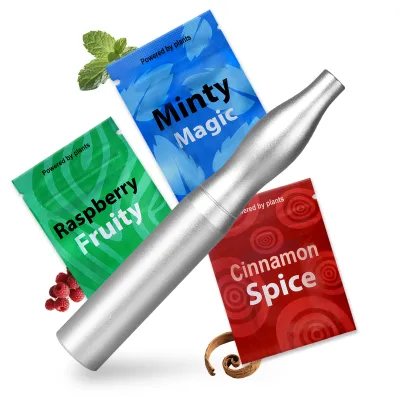

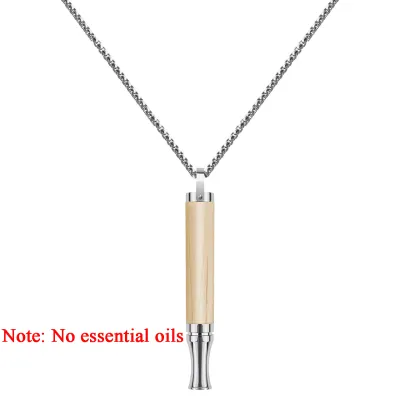
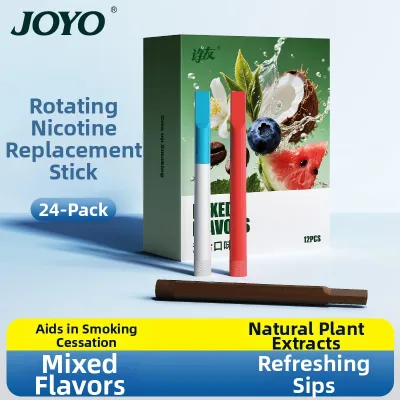
Prices are valid at publication and may change. Please refer to the product page for the latest price.
How Aromatherapy Supports Smoking Cessation
To understand how a diffuser assists in managing smoking cravings, it is helpful to examine the biological pathway of olfaction. When you inhale volatile organic compounds dispersed by a diffuser, these microscopic molecules bind to olfactory receptors high in your nasal cavity. This binding triggers immediate electrical signals that travel directly to the olfactory bulb and into the limbic system, the brain region responsible for regulating emotions, memory, and autonomic nervous system responses. Because this pathway bypasses the conscious cognitive centers of the brain, olfactory stimulation can influence your emotional state and physiological stress levels almost instantaneously.

Specific essential oils contain active botanical compounds that target the common physical and psychological triggers of smoking withdrawal:
- **Black Pepper (Piper nigrum):** Research in clinical aromatherapy indicates that inhaling the warm, spicy vapor of black pepper essential oil can mimic the characteristic sensory "throat hit" of cigarette smoke. This sensory substitution helps satisfy the physical, airway-based cravings that often lead to relapse.
- **Peppermint (Mentha piperita):** Rich in menthol, peppermint oil provides a sharp, cooling sensation that clears the respiratory pathways, increases alertness, and acts as an immediate sensory disruptor to interrupt obsessive thoughts about smoking.
- **Lavender (Lavandula angustifolia):** Containing high concentrations of linalool and linalyl acetate, lavender is widely recognized for its ability to lower heart rate and reduce nervous tension, helping to soothe the acute irritability and anxiety associated with nicotine withdrawal.
- **Clary Sage (Salvia sclarea):** This oil helps regulate stress responses by interacting with cortisol pathways, making it a valuable tool for managing the emotional volatility that typically peaks during the first few weeks of quitting.
While topical application or direct inhalation from a bottle can provide quick relief, electronic diffusers excel by dispersing these volatile compounds evenly into your living or working space. This continuous, controlled dispersion creates a supportive microclimate that helps prevent stress levels from spiking in the first place.
It is critical to remember that aromatherapy is a complementary behavioral intervention. It does not deliver nicotine to the bloodstream and cannot replace evidence-based medical treatments such as Nicotine Replacement Therapy (NRT) patches, gums, or prescription cessation medications. If you are planning to quit smoking, consult a healthcare professional or utilize national support resources, such as the Health Promotion Board’s cessation programs in Singapore, to build a comprehensive, safe, and medically supervised quitting plan.
Key Features to Compare for Craving Management
Portability and Discreetness
Smoking cravings are highly situational and often triggered by external cues, such as a stressful meeting, a daily commute, or social gatherings. Because these triggers occur outside the home, a stationary plug-in room diffuser cannot serve as your sole support tool. Portable, battery-operated, or USB-rechargeable diffusers allow you to maintain your aromatherapy routine wherever you go, providing a physical substitute for the hand-to-mouth action of smoking.
Discreetness is equally important when managing cravings in public, professional, or shared indoor environments. Large devices that produce thick, visible plumes of mist or feature bright, color-changing LED lights are poorly suited for office desks or public transport. Choosing a sleek, pocket-sized device or a silent, waterless nebulizer allows you to address cravings quietly and privately, without disrupting those around you or violating local indoor air quality guidelines.
Diffusion Technology: Nebulizing vs. Ultrasonic
Understanding the mechanical differences between nebulizing and ultrasonic technologies is essential for matching a device to your specific craving patterns:
- Nebulizing Diffusers: These devices operate on Bernoulli's principle, using a high-velocity, pressurized air stream to atomize pure, undiluted essential oil into a dry, microscopic mist. Because no water is used for dilution, nebulizers deliver an exceptionally strong, immediate, and chemically unaltered aromatic profile. This makes them highly effective for acute craving management, as the intense scent spike provides a rapid sensory distraction. However, nebulizers consume essential oil at a much faster rate and typically generate a low hum from the internal air pump, which may be noticeable in quiet rooms.
- Ultrasonic Diffusers: These units utilize a small ceramic transducer plate at the base of a water tank. When electrical current is applied, the plate vibrates at ultrasonic frequencies (usually 1.6 to 2.4 MHz), breaking the water and essential oil mixture into a fine, cool mist. Ultrasonic diffusers provide a subtler, more gradual scent release that is ideal for long-term, ambient stress reduction. They are virtually silent, highly economical with oil usage, and add a small amount of humidity to the air. The primary trade-off is that the diluted mist may lack the immediate sensory impact required to interrupt a sudden, severe craving.
Timers and Intermittent Settings
When exposed to a constant aroma for an extended period, your olfactory receptors undergo sensory adaptation, commonly known as olfactory fatigue or scent blindness. Within 15 to 20 minutes of continuous exposure, your brain begins to treat the essential oil molecules as background noise, rendering the therapeutic effects ineffective when a sudden craving strikes.
To prevent this, select a diffuser equipped with advanced interval programming. Features that allow you to cycle the device (such as 10 seconds of active diffusion followed by 30 seconds of rest, or 5 minutes on and 10 minutes off) keep your olfactory system active and responsive. This ensures that the craving-disrupting scents, like peppermint or black pepper, remain highly noticeable and effective throughout the day.
Comparing Diffuser Types and Brand Considerations
Personal Inhalers vs. Room Diffusers
Deciding between a personal inhaler and an electronic room diffuser depends on whether you need targeted, immediate craving intervention or baseline environmental conditioning:
- Personal Aromatherapy Inhaler Tubes: These are compact, non-electric, pen-like cylinders containing an internal cotton wick saturated with essential oils. They require no power source, generate no mist, and emit no sound. To use one, you simply unscrew the cap and inhale directly from the tip. This design offers absolute privacy and zero risk of exposing others to active scents, making it the most practical tool for public transit, offices, or shared vehicles.
- Room Diffusers: These stationary electronic units are designed to disperse essential oils across an entire room, such as a bedroom, study, or living room. By conditioning your home environment, they help establish a low-stress sanctuary that reduces baseline anxiety and helps prevent stress-induced cravings. They are ideal for replacing the habitual "unwinding" cigarette at the end of the day.
Evaluating Brands Like ZXO and Alternatives
When browsing online marketplaces or visiting local wellness stores in Singapore, you will encounter a wide variety of brands, including ZXO and other specialized aromatherapy labels. Rather than relying on unverified marketing claims regarding smoking cessation, you should systematically evaluate the mechanical and electrical specifications of any device before buying:
- Electrical Safety and Compatibility: Singapore operates on a 230V/50Hz electrical grid. If you are purchasing a plug-in diffuser, verify that the power adapter is compatible with this voltage and, where applicable, carries the Enterprise Singapore Safety Mark. Uncertified power adapters can overheat, presenting electrical and fire hazards.
- Material Compatibility: Pure essential oils—especially citrus oils containing high levels of d-limonene, or strong spicy oils like black pepper—can chemically degrade and melt cheap plastics. Ensure that the water tank or internal nebulizing chamber of your chosen device is constructed from high-quality, oil-resistant materials, such as medical-grade polypropylene (PP) plastic, borosilicate glass, or ceramic. Avoid low-grade ABS plastics, which can leach chemical residues into the mist or crack over time.
- Warranty and Customer Support: Electronic diffusers contain sensitive components, including ultrasonic transducers, miniature air pumps, and rechargeable lithium-ion batteries. Look for products that offer a clear manufacturer's warranty (ideally 6 to 12 months) and have accessible customer support channels to ensure you can easily obtain replacement parts or troubleshooting assistance.
Decision Framework: Which Setup Fits Your Routine?
To choose the right aromatherapy setup, identify your primary smoking triggers and daily environments. Use the following conditional framework to guide your decision:
- Choose a Portable Nebulizer if… your primary challenge is managing intense, sudden cravings while commuting, working, or socializing, and you require an immediate, high-concentration sensory burst to disrupt the urge. This option requires a higher budget for essential oils and regular battery charging but provides the strongest behavioral intervention.
- Choose an Ultrasonic Room Diffuser if… your cravings are closely tied to your home environment, such as when working in a home office or relaxing in the evening. This setup is ideal if you prefer a subtle, continuous scent, appreciate a slight humidifying effect in air-conditioned rooms, and want an economical system that conserves your essential oil supply.
- Choose a Personal Inhaler Tube if… you require a completely silent, zero-mist, and power-free solution that you can use discreetly in shared offices, public spaces, or around scent-sensitive individuals. It is also the most cost-effective entry point for testing sensory substitution.
- Verify first if… you plan to use highly concentrated, pure, or citrus-based essential oils. Always check the manufacturer's specifications to ensure the diffuser's internal components are certified as oil-resistant (such as high-grade PP plastic or glass) to prevent structural damage and avoid voiding the warranty.
Safe Usage and Maintenance in Humid Climates
Cleaning Routines
Over time, essential oil residues can oxidize, leave sticky deposits, and clog the delicate components of your diffuser. In ultrasonic models, this buildup can restrict the movement of the transducer plate, reducing mist output or causing the motor to overheat. In nebulizers, dried resin can completely block the microscopic nozzles.
To maintain performance, establish a regular cleaning routine. For ultrasonic diffusers, empty the water tank every two to three days, wipe the interior with a soft cloth dipped in white vinegar or a mild dish soap, rinse thoroughly with clean water, and dry completely. For nebulizers, run a small amount of isopropyl alcohol (rubbing alcohol) through the system for five minutes once a week to dissolve sticky oil residues. Always isolate the device from the power supply before performing any maintenance.
Humidity Management
Singapore’s tropical climate features naturally high relative humidity, often exceeding 80%. When operating an ultrasonic diffuser, which adds moisture to the air, you must manage condensation carefully. Avoid placing the diffuser near paper documents, sensitive electronics, or soft furnishings that can absorb moisture.
If an ultrasonic diffuser is left with stagnant water in a warm, humid room, the tank can quickly become a breeding ground for mold, mildew, and bacteria. When these microorganisms multiply, running the diffuser will disperse them directly into your indoor air, posing respiratory risks. Always empty, rinse, and dry the water tank completely whenever the device is not in use.
Safety Boundaries
Always place your diffuser on a stable, level, and elevated surface where it cannot be easily knocked over, and keep it out of reach of children and pets. Certain essential oils, including peppermint, eucalyptus, tea tree, and citrus oils, contain compounds that are highly toxic to domestic pets (especially cats and dogs) or can trigger severe respiratory distress in infants and individuals with asthma.
Ensure that the room where you are diffusing is well-ventilated by keeping a window or door slightly open. Never run an electronic diffuser continuously in a small, sealed room. If you or anyone in your household experiences coughing, headaches, dizziness, or eye irritation, turn off the device immediately, open all windows to clear the air, and consult a medical professional if symptoms persist.
Community discussion
Share your experience or ask a question. Comments are reviewed before publication.