
Setting up a home altar, or pooja space, requires a thoughtful balance of sacred representations, functional ritual tools, and supportive decorative elements. To establish a respectful and complete worship space, the essential pooja decoration figurines include a primary deity representation, functional lighting accessories like diya holders, and auspicious secondary accents. Together, these elements create a focused environment for daily reflection, prayer, and meditation, tailored to your household’s space and safety needs.
Quick Overview: Core Categories for Your Altar
A functional and respectful home altar relies on three foundational categories of items. The first pillar consists of primary deity figurines, also known as murtis, which serve as the central focus of devotion. The second pillar includes functional ritual tools, such as diyas (oil lamps), incense holders, and small bells, which are necessary for performing daily prayers. The third pillar comprises auspicious decorative accents, such as animal figurines and wall hangings, which frame the space and enhance its spiritual ambiance.
While traditional guidelines offer a helpful starting point, your personal devotion, family traditions, and available space should dictate the final selection. A small, minimalist shelf can be just as spiritually complete as an elaborate, custom-built wooden mandir. The key is to choose items that fit harmoniously within your living space while maintaining a clean, uncluttered environment.
Products mentioned in this guide
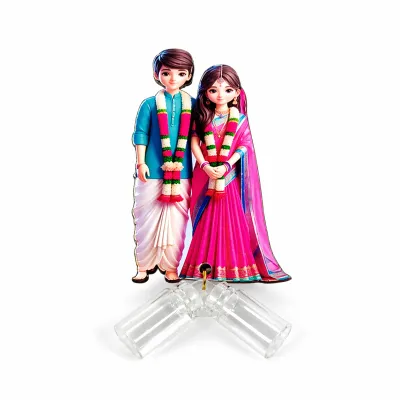
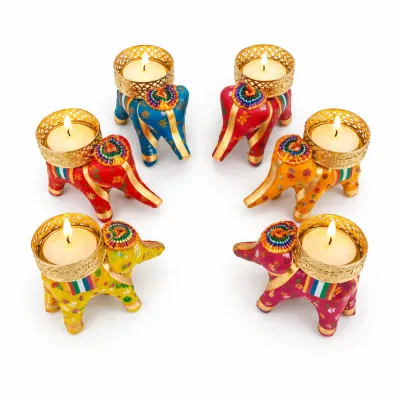
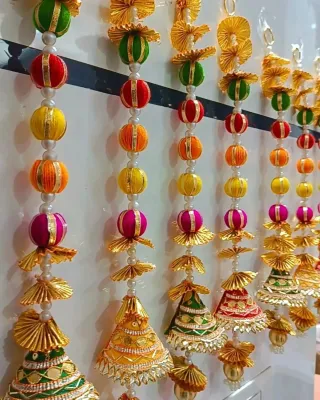

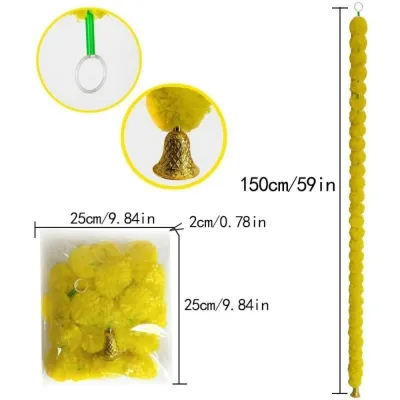
Prices are valid at publication and may change. Please refer to the product page for the latest price.
As you plan your setup, it is important to evaluate the types of figurines, their material durability, and the physical dimensions of your altar. Additionally, safety considerations—particularly regarding open flames, heat dispersion, and electrical installations—must guide your choices. This guide will help you navigate these decisions to create a safe, beautiful, and personally meaningful home worship space.
Selecting Primary Deity Figurines for Your Space
When establishing a home altar, the common practice is to start with foundational deities before adding specific family deities (Kuladevata) or personal favorites (Ishta Devata). In many households, a figurine of Lord Ganesha, the remover of obstacles, is placed first to invite positive energy and auspicious beginnings. Goddess Lakshmi, representing prosperity and wisdom, is also frequently included as a primary deity. Depending on your family’s specific spiritual path, you may choose to add other representations, such as Lord Shiva, Goddess Durga, or Radha-Krishna.

Physical posture is a critical factor when selecting these central figurines. Deity figurines are typically depicted in either seated (Asana) or standing (Sthanaka) postures. Seated figurines are highly recommended for standard home altars because they offer a lower center of gravity, making them less prone to tipping. They also tend to fit more comfortably on shallow shelves. Standing figurines, especially those with elaborate backdrops or crowns, require significant vertical clearance and can easily make a small altar look cramped if they are positioned too close to the shelf ceiling.
Before purchasing any deity figurine, carefully inspect its structural integrity and base stability. Turn the figurine over to ensure the bottom surface is completely flat and free of casting defects, bumps, or uneven edges. A wobbly figurine poses a constant risk of falling, which can cause damage to the piece or surrounding items during daily offerings. Additionally, examine the finish quality to ensure there are no sharp metal burrs, peeling paint, or loose decorative stones that could interfere with safe handling and routine cleaning.
Sourcing Ritual Accessories and Diya Holders
Daily worship routines rely heavily on functional decor items that facilitate lighting, fragrance, and sound. The diya, or oil lamp, is perhaps the most essential accessory, symbolizing the triumph of light over darkness. Traditional brass diyas, which burn vegetable oil or ghee with cotton wicks, provide a classic aesthetic and a warm, natural glow. However, for households prioritizing fire safety—such as those with young children, curious pets, or limited ventilation—modern electric diyas or LED tea lights serve as excellent flame-free alternatives. When opting for electric models, always verify the voltage compatibility, plug interface, wattage limits, and electrical certification to ensure they are safe for continuous daily use.
Incense holders, designed for dhoop or agarbatti, play a vital role in managing ash, heat, and smoke dispersion. A high-quality incense holder should feature a wide, heat-resistant catch-basin made of brass, stone, or ceramic to collect falling ash completely. This prevents hot embers from scorching wooden altar shelves or fabric runners. Ensure the holder is positioned in a well-ventilated part of the room so that smoke can disperse naturally, preventing respiratory discomfort and keeping your walls free from soot buildup.
Small ritual handbells, or ghantis, are used to mark the beginning and end of prayers, helping to focus the mind and clear the spatial energy. When choosing a bell, look for a size and weight that feels comfortable in your hand. The bell should produce a clear, resonant tone that is pleasant rather than overwhelmingly loud or harsh for a small indoor room. A solid brass bell measuring between 10 and 15 centimeters in height generally provides a balanced, clear sound suitable for typical residential spaces.
Integrating Auspicious Decorative Accents
Secondary decorative figurines and accents play an important role in enhancing the spiritual ambiance of your altar without distracting from the primary deities. Auspicious animal figurines, such as elephants, peacocks, and turtles, carry deep symbolic meanings in Hindu iconography. Elephants, symbolizing strength and wisdom, are often placed in pairs flanking the entrance of the altar. Peacocks, representing beauty and grace, can be positioned on adjacent shelves, while small brass turtles, symbolizing stability and longevity, are traditionally placed on the lower levels of the worship space.
To frame the altar area within your broader home decor, consider using decorative torans (door hangings) and small wall accents. A brass or fabric toran hung across the top of the mandir frame adds a traditional touch of welcome. Small, wall-mounted brass plaques or hanging oil lamps can also be installed on the wall behind the altar, adding visual depth and texture without consuming valuable shelf space.
While these decorative accents add beauty, it is crucial to avoid cluttering the main worship shelf. Overcrowding the altar with purely ornamental items makes daily cleaning difficult and increases the risk of knocking items over during rituals. Keep the central shelf reserved strictly for your primary deities and active ritual tools, and place secondary decorative figurines on adjacent side tables, wall niches, or lower shelves to maintain a clean, organized, and peaceful environment.
Matching Materials and Dimensions to Your Altar
Selecting the right materials for your pooja figurines involves balancing durability, weight, and maintenance preferences. Brass is a highly popular choice because it is incredibly durable, classic, and resistant to cracking. However, brass can tarnish over time, especially in humid climates, requiring regular polishing to maintain its shine. Marble and natural stone offer a serene, traditional aesthetic and excellent stability, but they are heavy, susceptible to staining from oils, and can chip if dropped. Resin figurines are lightweight, highly detailed, and cost-effective, but they are sensitive to high heat and cannot be placed near open flames. Wood provides a warm, organic look but must be sealed properly to protect it from moisture and oil spills.
Before purchasing any figurines, take precise measurements of your altar shelf’s height, depth, and weight capacity. Ensure there is at least 5 to 10 centimeters of clearance above the tallest figurine to allow you to comfortably perform rituals, such as offering flowers or waving a small flame, without hitting the shelf above. The depth of the shelf should allow all figurines to sit fully on the flat surface, with a safe buffer zone of at least 3 centimeters from the front edge to prevent accidental falls.
Weight capacity is a critical safety consideration that is often overlooked. Heavy materials, such as solid stone or thick brass figurines, require sturdy, load-bearing shelves. If you plan to use a wall-mounted mandir or shelf, ensure it is secured with proper wall anchors and heavy-duty brackets. For suspended loads, heavy wall installations, or complex setups, always follow the manufacturer’s installation instructions or consult a qualified professional to ensure the structure can safely support the total weight of your collection.
Arrangement Principles and Safety Boundaries
Arranging your home altar respectfully involves keeping deity figurines at eye level or higher when you are seated or standing for prayer. This positioning maintains a respectful posture during worship. Avoid placing sacred figurines directly on the floor; if a dedicated cabinet or wall shelf is not available, use a low wooden platform, known as a chowki, to elevate the items off the ground.
Strict safety boundaries must be maintained when using open-flame diyas. Always place traditional oil lamps on a stable, non-flammable surface, such as a metal tray or stone slab. Keep open flames at a safe distance—ideally at least 30 centimeters—from flammable materials, including fabric torans, wooden backdrops, paper decorations, and resin figurines. Never leave an open flame unattended, and ensure that any draft from windows or fans cannot blow lightweight decorations into the flame.
For permanent altar lighting, fixed electrical wiring, or heavy wall-mounted installations, safety must be your top priority. Always isolate the power supply before installing or adjusting any electrical components. Verify that all spotlights, LED strips, and electric diyas comply with local electrical safety standards and do not exceed the wattage limits of your outlets. If your setup requires custom wiring or mounting heavy structures at height, hire a qualified professional to complete the installation safely and securely.
Frequently Asked Questions (FAQ)
Can I keep multiple deity figurines on a small altar?
Yes, you can keep multiple deity figurines on a small altar, provided you maintain adequate spacing between them. Figurines should not physically touch or crowd one another, as this can make daily cleaning difficult and detracts from the visual focus of each deity. To maximize limited space safely, consider using tiered risers or stepped platforms made of wood or brass. These risers allow you to utilize vertical space, ensuring that all figurines remain visible and stable without overloading the shelf.
How do I clean and maintain brass pooja figurines?
To clean and maintain brass pooja figurines, always check the manufacturer’s care instructions first, as some modern brass items are coated with a protective lacquer. For daily maintenance, a gentle dusting with a dry, soft microfiber cloth is usually sufficient. If the brass is unlacquered and has tarnished, you can use a specialized brass polish or a mild, traditional paste made of tamarind paste or pitambari powder. Avoid using harsh chemical cleaners or abrasive scrubbing pads, which can scratch the metal or strip away protective coatings. If you notice any peeling or discoloration on a lacquered figurine, stop using polishing agents immediately and stick to dry dusting.
Are electric diyas acceptable for daily home worship?
Yes, electric diyas are widely accepted and highly practical for daily home worship, especially in modern apartments, rental homes, or households with young children and pets. They eliminate the risk of open flames and soot damage while providing a consistent, warm light. When using electric diyas, regularly inspect the cord condition for any signs of fraying, check the bulb wattage to ensure it matches the fixture’s specifications, and monitor the heat output. Ensure the electrical components are kept away from water or liquid offerings to prevent short circuits and maintain a safe worship environment.
Community discussion
Share your experience or ask a question. Comments are reviewed before publication.