
Establishing a dedicated space for daily home worship is a deeply personal and spiritually grounding practice. A complete pooja set does not require dozens of elaborate pieces; instead, it centers on a few core ritual items designed to facilitate devotion, focus, and daily offerings. By understanding the purpose of each component, you can curate a meaningful altar setup that fits your specific family traditions, space constraints, and daily routine.
Core Essentials: Must-Have Items for Every Pooja Thali
To establish a dedicated space for daily prayers, a few core elements are universally recognized as essential. These items form the foundation of a standard pooja set, allowing you to perform basic daily worship without feeling overwhelmed by excessive accessories.
The Diya (oil lamp) is the most critical component of any altar. Representing light and the dispelling of darkness, the diya is traditionally filled with ghee or sesame oil and fitted with a cotton wick. Lighting the diya is the first step of worship, symbolizing the presence of the divine and bringing focus to the prayer space.
Products mentioned in this guide
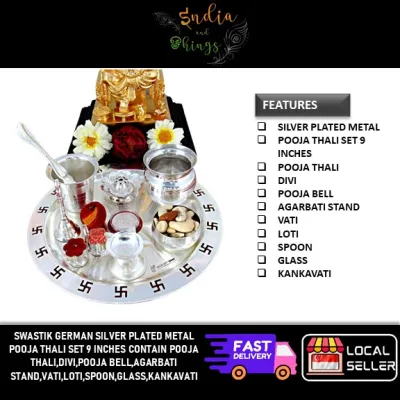
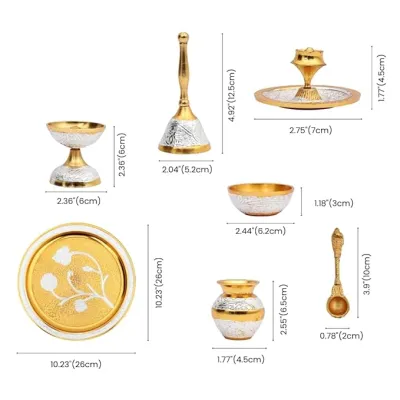
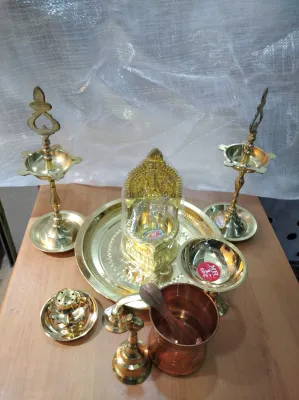
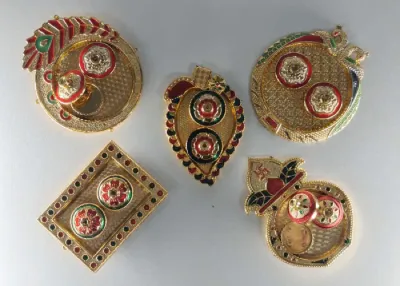
Prices are valid at publication and may change. Please refer to the product page for the latest price.
An Incense Holder (agarbatti stand or dhoop burner) is another indispensable piece. The burning of incense represents the element of air and the purification of the environment. As the fragrant smoke rises, it is believed to carry prayers upward while creating a serene, meditative atmosphere that helps calm the mind.
The Bell (ghanti) serves a vital auditory purpose during daily prayers. Ringing the bell when beginning rituals produces a resonant sound said to welcome positive energy and dispel distractions. Cultivating focus is key during prayers, and the clear ring of a brass bell helps anchor your attention.
Small Lidded Containers (or haldi-kumkum containers) are essential for holding sacred powders. Daily rituals typically involve applying a small tilak of Kumkum (vermilion) and Haldi (turmeric) to deities or your own forehead. Dedicated containers with lids protect these powders from moisture and accidental spills, keeping your prayer tray neat.
By focusing on these four fundamental components, you can easily conduct a complete, respectful daily prayer ritual. Commercial marketplaces often showcase massive, multi-piece collections that can feel intimidating. Starting with just these core items ensures your physical space remains clear, allowing you to focus entirely on the spiritual practice.
Supporting Elements for a Complete Daily Ritual
Once the core essentials are in place, you may choose to expand your daily setup with supporting elements that add depth to your rituals. These pieces are often included in comprehensive pooja sets and are valued for their role in specific stages of worship, though their necessity depends heavily on your family traditions.

A Camphor Burner (or aarti stand) is designed for the concluding prayer, or aarti. Camphor burns completely without leaving residue, symbolizing the union of the soul with the divine and the dissolution of ego. Because camphor generates intense heat and a rapid flame, a dedicated holder with a long, heat-resistant handle is crucial for safety.
Prasad Plates are small, shallow dishes used exclusively for presenting food offerings, such as fresh fruits, nuts, or sweets, to the deities. Keeping these plates separate from your household dining dinnerware maintains the sanctity of the offerings. Once prayers are complete, this blessed food is distributed to family members as a symbol of grace.
A Panchapatra with a Spoon (achamani) is a small water vessel used for purification rituals. Before commencing prayers, water is taken from the vessel using the small spoon to perform symbolic purification of the hands. Water is also offered symbolically to the deities during various stages of the prayer, representing washing their feet.
A small Flower Vase or dedicated flower plate holds fresh blossoms or loose petals used during offerings. Offering flowers represents the devotion of the heart and adds natural color and fragrance to the altar. While not strictly mandatory, incorporating fresh flowers connects the ritual to nature and enhances the overall visual serenity of your home altar.
If you are building your home altar from scratch, remember that these supporting items do not need to be acquired all at once. Many households gradually introduce these pieces as their daily practices evolve or as they celebrate specific festivals. Selecting individual pieces over time allows you to curate a highly personalized set that aligns precisely with your family’s unique customs.
Adapting Your Pooja Set for Compact Home Altars
In Singapore, where many families live in modern HDB flats or condominiums, spatial efficiency is a primary consideration when designing a home altar. A large, traditional prayer setup may not fit comfortably on a compact shelf or within a dedicated cabinet. Fortunately, you can easily adapt your pooja set to suit smaller living spaces without compromising the spiritual integrity of your daily rituals.
One of the most effective space-saving solutions is a multi-compartment thali (prayer plate). Instead of placing individual stands for incense, diyas, and powder cups across the altar, a multi-compartment tray integrates these components into a single unit. This design keeps all essentials neatly arranged in one place, prevents individual pieces from sliding, and reduces the overall footprint of your setup.
Another practical adjustment is substituting large, traditional water vessels like a Kalash with smaller, proportionate cups. A miniature Panchapatra or a small lidded copper cup can hold a sufficient amount of water for daily purification rituals without occupying valuable surface area. Choosing scaled-down versions of your deity idols and photo frames also helps maintain visual balance on a smaller altar.
Utilizing vertical space is an excellent way to keep your main altar surface clear and functional. Wall-mounted shelves or floating ledges can elevate your deities, leaving the flat surface below open for placing your active pooja set during prayers. This vertical arrangement maximizes space and keeps sacred items elevated off the floor, which is a traditional sign of respect.
Organizing your daily supplies in drawer dividers or small storage boxes beside the altar can also keep the space uncluttered. Keeping extra wicks, matchboxes, oil bottles, and incense packets tucked away ensures that only the active, clean ritual items are visible, creating a peaceful and visually harmonious environment.
Material Choices and Fire Safety Boundaries
Selecting the right material for your pooja set involves balancing traditional preferences, maintenance requirements, and your budget. The most common materials available in Singapore include brass, copper, and stainless steel, each offering distinct practical advantages for daily home worship.
Brass is the most traditional and widely preferred material for home altars. It has a beautiful, golden luster that naturally tarnishes over time, requiring regular polishing to maintain its shine. Copper is also favored, especially for water vessels like the Panchapatra, due to its traditional associations with purity. Stainless steel is a practical, budget-friendly alternative that requires minimal maintenance, does not tarnish, and is exceptionally easy to clean after daily use.
Regardless of the material you choose, safety must be your absolute priority when handling open flames in a home environment. Always place your diyas and camphor burners on a stable, heat-resistant mat, ceramic tile, or metal plate. This prevents the intense heat from scorching wooden altar surfaces or causing damage to underlying furniture.
Position your altar well away from drafty windows, air conditioning vents, ceiling fans, curtains, and any flammable decorative items like paper garlands. Ensure that all hanging fabrics or loose clothing are secured before lighting wicks or incense. Additionally, make sure your prayer setup is placed high enough to be completely out of reach of children and pets.
Never leave burning camphor, incense, or oil lamps unattended under any circumstances. If you must leave the room, ensure that all flames are safely extinguished. For fixed wiring, wall-mounted lighting, or any electrical installations around your altar, always follow the manufacturer’s instructions, use certified electrical components, and consult a qualified professional to prevent electrical hazards.
Self-Check: Is Your Current Setup Complete?
If you are unsure whether your current prayer setup is fully prepared for daily worship, a quick self-check can help you identify any gaps. Take a moment to review your altar and categorize your items into core essentials and supporting pieces.
Core Essentials Checklist:
- Diya: Do you have a stable lamp with a reliable supply of cotton wicks and oil or ghee?
- Incense Holder: Is there a dedicated stand or burner positioned to catch falling ash safely?
- Bell: Do you have a clear-sounding bell to mark the beginning of your daily prayers?
- Lidded Containers: Are there small, secure containers to protect your Kumkum and Haldi from moisture?
Optional Additions Checklist:
- Aarti Stand: Do you have a camphor burner with a long, heat-resistant handle?
- Prasad Plate: Is there a dedicated dish for placing food offerings separate from everyday dinnerware?
- Panchapatra: Do you use a small water vessel and spoon for purification rituals?
- Flower Vase: Is there a small plate or vase to display fresh blossoms or loose petals?
If you find that any core essentials are missing, prioritize acquiring those pieces first to establish a functional daily routine. If you are missing only the optional additions, base your decision to purchase them on your available altar space, budget, and specific family customs. Ultimately, the devotion, consistency, and mindfulness you bring to your daily prayers are far more important than the quantity or complexity of the physical items on your altar.
Frequently Asked Questions (FAQ)
Can I use a stainless steel pooja set instead of brass or copper?
Yes, you can absolutely use a stainless steel pooja set for daily home worship. While brass and copper hold deep traditional significance and are often preferred for their aesthetic appeal, stainless steel is a highly practical, durable, and budget-friendly alternative. It is exceptionally easy to clean, does not tarnish, and resists rust, making it ideal for busy households. To maintain the sanctity of your worship, ensure that your stainless steel pooja items are dedicated exclusively to your altar and are never mixed with your regular kitchen or dining utensils.
How do I safely clean and maintain brass pooja items?
To keep your brass pooja items looking bright and presentable, use gentle, non-abrasive cleaning methods with common household ingredients. You can create a simple paste using lemon juice and baking soda, or use tamarind paste, to gently rub away tarnish before rinsing the items thoroughly with warm water and drying them with a soft microfiber cloth. Avoid using harsh chemical polishes or abrasive metal scrubbers, as these can scratch the brass surface and leave behind toxic residues that are unsafe for items holding food offerings or water. Always ensure the items are completely dry before placing them back on your altar to prevent water spots.
Community discussion
Share your experience or ask a question. Comments are reviewed before publication.