
When evaluating a Cubble blanket for your home, the specific materials used dictate whether you will enjoy a restful, sweat-free night or end up overheating under a heavy layer. While Cubble is widely known for its family-focused bedding products, including weighted blankets and bamboo swaddles, the exact fabric composition varies across their product line. To make an informed purchase, you must look beyond brand names and examine the underlying textile science—such as bamboo-derived viscose, organic cotton, and specialized weighted fillers—to see how they perform in a warm, humid climate like Singapore’s.
Why Blanket Material Composition Matters for Your Comfort
Fibers determine how a blanket manages heat and moisture. In tropical environments, humidity makes breathability critical. Natural fibers like cotton and bamboo-derived viscose excel at pulling moisture away from the skin and allowing heat to escape. Synthetic fibers like polyester, while highly durable and resistant to wrinkling, tend to trap heat and can feel clammy if they lack specialized moisture-wicking weaves.
The weave of the fabric also plays a massive role in your comfort. A loose, open weave allows maximum airflow, making a blanket feel light and airy even if the fiber itself is relatively insulating. Conversely, a tight, dense weave traps air pockets, providing excellent insulation for air-conditioned bedrooms but potentially feeling too warm in naturally ventilated spaces.
Products mentioned in this guide
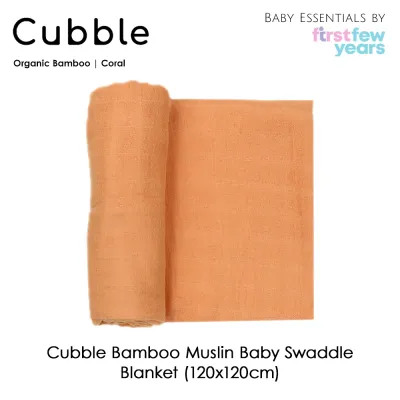
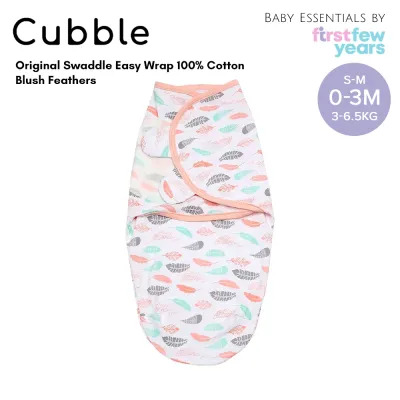
Prices are valid at publication and may change. Please refer to the product page for the latest price.
Many modern blankets use blended fabrics to balance cost, durability, and softness. For instance, blending cotton with polyester can increase the blanket’s lifespan and reduce shrinkage, but it may slightly compromise the natural breathability of pure cotton. Checking the ratio of primary to secondary fibers helps you predict how the blanket will drape over your body and how it will feel after multiple wash cycles.
How to Verify the Fabrics Used in Cubble Blankets
To find out exactly what a Cubble blanket is made of, your first and most reliable source of truth is the physical care label sewn into the seam of the product. Textile labeling laws require manufacturers to list the precise percentage of each fiber used in the blanket. This label bypasses any creative marketing terminology used on the packaging and gives you the raw material facts.

If you are shopping online, navigate past the main promotional banners and look for the technical specifications section on the official website or authorized ecommerce platforms. Reliable listings will detail the outer cover material, the inner lining, and any filling materials used, especially for weighted models. Avoid relying solely on vague descriptions like “ultra-soft feel” or “cloud-like comfort,” which do not indicate actual fiber content.
It is also crucial to distinguish between standardized textile names and proprietary brand names. For example, terms like “bamboo fabric” usually refer to viscose or rayon derived from bamboo, which undergoes a chemical manufacturing process to create incredibly smooth, semi-synthetic fibers. Understanding these distinctions ensures you know exactly what you are paying for and how the fabric will perform over time.
Matching Material Properties to Your Specific Needs
Temperature Regulation: If you are a hot sleeper or live in a warm climate, prioritize blankets made from bamboo viscose or high-breathability cotton. These materials have natural moisture-wicking properties that help keep your skin dry. If you primarily sleep in a heavily air-conditioned room, a slightly denser cotton weave or a blanket with a light polyester fill can provide the cozy insulation needed to block chilly drafts.
Weight and Drape: The physical weight of a blanket can dramatically affect your sleep quality. Standard throw blankets rely on the thickness of the yarn to provide weight, resulting in a fluffy, insulating layer. Weighted blankets, on the other hand, use internal fillers like fine glass beads sewn into pocket grids to distribute weight evenly without adding excessive thermal insulation, offering a grounding sensation that many find calming.
Skin Sensitivity: For those with sensitive skin or allergies, the texture of the blanket is paramount. Smooth, long-staple cotton or bamboo viscose fibers have flat, round structures that minimize friction against the skin. This reduces irritation compared to coarser synthetic fibers or low-grade wools, making them an excellent choice for children and adults with eczema or sensory sensitivities.
Care Instructions and Longevity by Material Type
Proper maintenance is key to preserving the texture and performance of your blanket. Natural fibers like bamboo viscose and organic cotton are sensitive to harsh chemicals and high temperatures. When washing, use a mild, liquid detergent and select a gentle cycle with cold water to prevent the fibers from weakening or shrinking. Avoid fabric softeners, as they can leave a coating that reduces the material’s natural breathability.
Drying methods vary significantly by material. While synthetic polyester blankets can often handle low-heat machine drying, natural fibers and weighted blankets should ideally be air-dried. Laying the blanket flat on a drying rack in a well-ventilated area prevents the fabric from stretching out of shape and protects any internal weighted beads from shifting or damaging the washing machine drum.
Proper storage in humid climates prevents mold, mildew, and musty odors. Always ensure the blanket is completely dry before folding it. Store it in a breathable cotton bag rather than a sealed plastic container, allowing air to circulate. To minimize pilling—the formation of tiny fiber balls on the surface—avoid storing the blanket next to rough fabrics or items with zippers and velcro.
Frequently Asked Questions (FAQ)
Are Cubble blankets suitable for hot sleepers?
Yes, provided you select the correct material option. If you choose a Cubble blanket made primarily from bamboo-derived viscose or lightweight, open-weave cotton, it will be highly suitable for hot sleepers due to its excellent breathability and moisture-wicking capabilities. However, models featuring dense synthetic fills or heavy polyester outer covers may trap too much body heat, making them less ideal for warm nights without air conditioning.
How can I prevent pilling on my Cubble blanket?
To prevent pilling, wash your blanket on a gentle cycle inside a mesh laundry bag to minimize friction against other garments. Always wash it with similar soft fabrics, avoiding rough items like jeans, towels, or anything with zippers. Air-drying the blanket flat instead of using a tumble dryer also protects the delicate surface fibers from heat damage and abrasive rubbing, keeping the fabric smooth for longer.

Community discussion
Share your experience or ask a question. Comments are reviewed before publication.