
When choosing an essential oil diffuser brand to disperse lemongrass as an insect repellent in Singapore homes, the most effective option depends on whether you require a highly concentrated barrier or a gentle, continuous mist. Nebulizing diffusers from specialized aromatherapy brands are the most potent choice because they disperse undiluted lemongrass oil directly into the air, making them highly effective at deterring insects in larger or semi-open spaces. On the other hand, ultrasonic diffusers from reputable home appliance brands offer a more budget-friendly, quiet, and humidifying alternative, though the water dilution means the active repellent concentration is lower and best suited for smaller, enclosed rooms.
To establish a reliable natural barrier against pests, the choice of diffuser brand must align with the specific layout of your living space and the environmental conditions of your home. Lemongrass oil contains active compounds like citral and geraniol, which are highly valued for their natural insect-repelling properties. However, the effectiveness of these compounds relies heavily on how evenly and consistently they are dispersed into your indoor air. Evaluating the underlying technology, material build, and coverage specifications of different brands will ensure you select a device that maximizes the utility of your essential oils.
Comparing Diffusion Technologies for Insect Repellent Effectiveness
Understanding the mechanical differences between nebulizing and ultrasonic technologies is crucial when selecting a brand for pest control. Nebulizing diffusers operate via cold-air dispersion, utilizing a pressurized air pump to force pure essential oil through a micro-tube. This process atomizes the lemongrass oil into a dry, highly concentrated mist of microscopic particles. Because this method uses no water, the active insect-repelling molecules remain undiluted, allowing them to hang in the air longer and create a more robust olfactory barrier against flying pests.
Products mentioned in this guide
![[SG] Aerofume Lemongrass Air Freshener Spray (Mosquito Repellent) Twin Pack](https://img.lazcdn.com/g/p/7c897b9d71cc46d4a8150f91716e9971.jpg_400x400q80.jpg_.webp)
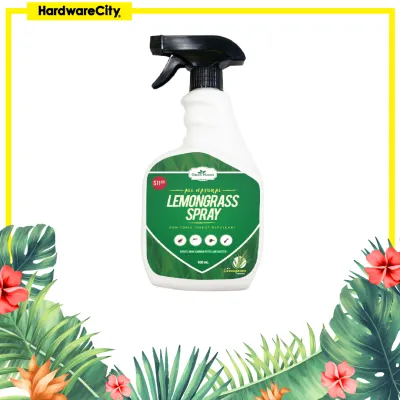
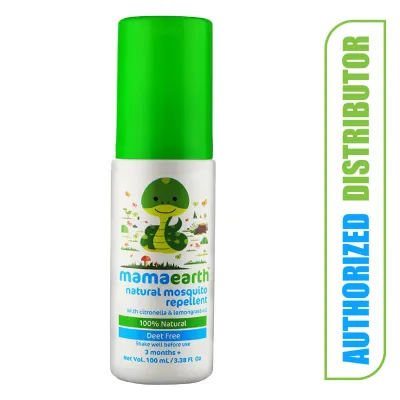
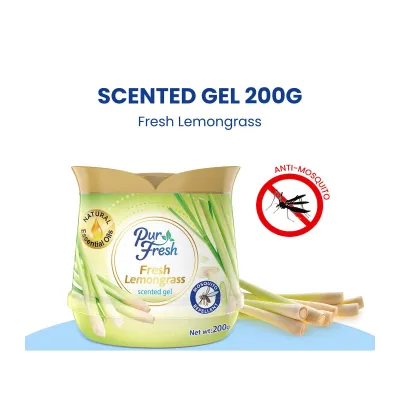
Prices are valid at publication and may change. Please refer to the product page for the latest price.
Ultrasonic diffusers, by contrast, rely on a small ceramic diaphragm vibrating at ultrasonic frequencies to create a cool mist from a mixture of water and essential oil. While ultrasonic brands are highly popular and widely available, the water-based delivery system inherently dilutes the lemongrass oil. A few drops of oil suspended in a large water reservoir mean the concentration of active repellent released into the room at any given second is significantly lower than that of a nebulizer. This makes ultrasonic models more suitable for localized, close-range deterrence rather than clearing a large room.
Heat-based diffusers, such as electric warming plates or traditional candle burners, present distinct disadvantages for insect repellent applications. Applying direct heat to lemongrass oil can degrade its delicate chemical structure, altering the very terpenes and aldehydes that make it an effective pest deterrent. Furthermore, overheating the oil can produce a sticky, scorched residue that is difficult to clean and may release unpleasant undertones. When evaluating diffuser brands, it is best to prioritize cold-dispersion technologies to preserve the integrity and efficacy of your lemongrass oil.
Checking Brand Coverage Claims Against Room Dimensions
When browsing different diffuser brands, you will find that manufacturers list coverage ratings in either square meters or cubic meters. It is important to verify these claims against the actual dimensions of your living space rather than accepting them at face value. Manufacturers typically calculate these coverage areas under idealized, draft-free laboratory conditions. In a typical home, factors such as open windows, high ceilings, and room layouts will significantly reduce the effective range of the dispersed mist.

In Singapore, residential layouts often feature open-plan living and dining areas that present a challenge for standard diffusers. A compact ultrasonic diffuser rated for a small bedroom will struggle to maintain a sufficient concentration of lemongrass oil in a large, open-concept living room. If you plan to use lemongrass oil to deter insects in these larger communal areas, look for premium nebulizing brands that specify coverage areas of 60 square meters or more, as their concentrated output is better equipped to fill expansive spaces.
Environmental factors like ceiling fans, standing fans, and air conditioning units also play a major role in how lemongrass mist behaves. While a ceiling fan can help distribute the scent initially, high airflow can quickly sweep the active repellent molecules out of open windows or balcony doors, preventing the establishment of a stable protective barrier. Conversely, running an air conditioner creates a closed environment that helps retain the mist, but the cooling coils can also dehumidify the air and cause airborne oil particles to condense and settle on surfaces more rapidly.
Verifying Material Compatibility with Lemongrass Oil
Lemongrass oil is highly concentrated and contains natural chemical components that can act as mild solvents over time. This makes material compatibility a critical factor when choosing a diffuser brand. Low-grade plastics, such as polystyrene or cheap ABS, can easily degrade, soften, or crack when exposed to undiluted lemongrass oil. If the reservoir or internal components of a diffuser begin to degrade, it can lead to leaks, electrical hazards, and the release of plastic chemical byproducts into your indoor air.
To ensure durability and safety, look for brands that explicitly use high-grade, corrosion-resistant materials in their construction. High-quality ultrasonic diffusers typically feature water reservoirs made from medical-grade or food-grade polypropylene (PP) plastic, which resists chemical breakdown from essential oils. For nebulizing diffusers, premium brands often utilize hand-blown borosilicate glass reservoirs and solid wood or aluminum bases, completely eliminating plastic contact with the undiluted lemongrass oil.
Before finalizing a purchase, always review the manufacturer’s warnings and user manuals regarding the use of specific oil types. Some brands warn against using highly viscous or citrus-based oils, which can clog fine nozzles or damage internal seals. Regular maintenance is also essential to prevent internal clogging and maintain a consistent mist quality. Check if the brand provides clear cleaning instructions, as some models require a simple weekly wipe-down with white vinegar, while others may require running specialized cleaning solutions through the system to keep the jets clear.
Assessing Timers, Noise Levels, and Continuous Use
Maintaining an effective insect-repellent barrier, especially during the evening or overnight, requires a diffuser with flexible operating settings. Look for brands that offer robust timer functions and intermittent mist settings. An intermittent mode—such as cycling thirty seconds on and thirty seconds off—allows the diffuser to sustain a steady level of lemongrass in the air over many hours without oversaturating the room or wasting your essential oil reservoir too quickly.
Noise levels are another important consideration, particularly if you plan to run the diffuser in a bedroom while sleeping. Ultrasonic diffusers are generally very quiet, often operating below 30 decibels, as they only produce a gentle hum from the internal fan and the occasional sound of trickling water. Nebulizing diffusers, however, rely on a mechanical air pump to atomize the oil, which can produce a more noticeable vibration or low-frequency hum. If you are a sensitive sleeper, look for nebulizer brands that incorporate noise-dampening casings or rubberized base feet to minimize tabletop vibrations.
Safety features should never be overlooked when selecting an electrical appliance for continuous use. Ensure the brand you choose features an automatic shutoff mechanism that triggers when the water reservoir is empty or when the pre-set run time has elapsed. For Singapore homes, it is also vital to verify that the device is compatible with local electrical standards, operating safely on a 230V system, and ideally carrying recognized safety certifications to prevent overheating or electrical faults during overnight operation.
Decision Framework: Choosing the Right Brand Profile
To select the ideal diffuser brand for your household, you must weigh your primary pest-control goals against your budget and room characteristics. If your main priority is establishing a highly potent, fast-acting insect barrier in a large living room or near open balcony doors, a nebulizing brand profile is the most effective choice. These devices deliver pure, undiluted lemongrass mist that maximizes the active properties of the oil, though they require a higher initial investment and more frequent cleaning.
If you are looking for a budget-friendly option for a smaller, enclosed bedroom or study, an ultrasonic brand profile is highly practical. These models run quietly, add a mild humidifying effect to air-conditioned rooms, and are widely accessible. While the lemongrass concentration will be lower due to water dilution, it is often sufficient for close-range protection in draft-free spaces. Additionally, ultrasonic models generally require less frequent deep cleaning compared to their nebulizing counterparts.
Regardless of the technology you choose, always perform a final check of the manufacturer’s official user manual before purchasing. Verify that the brand explicitly supports the use of pure, therapeutic-grade lemongrass oil and outline clear warranty terms. By matching the diffuser’s mechanical capabilities with your specific home environment, you can establish a safe, natural, and highly effective lemongrass insect barrier.
Frequently Asked Questions (FAQ)
Can I mix lemongrass oil with other essential oils for better insect repellent?
Yes, you can blend lemongrass oil with other natural insect-repelling essential oils such as citronella, peppermint, cedarwood, or eucalyptus to enhance the repellent effect. However, when creating a custom blend, you must ensure the combined viscosity of the oils is compatible with your specific diffuser brand. Thicker, more viscous oils can easily clog the fine nozzles of nebulizing diffusers or build up on the ultrasonic plate of water-based models. Always check your manufacturer’s guidelines regarding oil blending and viscosity limits to avoid damaging the device.
How often should I clean the diffuser when using lemongrass oil?
When using lemongrass oil, it is recommended to perform a basic cleaning of your diffuser every three to five days of continuous use, or whenever you switch to a different oil blend. Lemongrass oil can leave behind a yellowish, slightly sticky residue that can harden over time and restrict mist output. For ultrasonic models, this usually involves emptying the reservoir and wiping it down with a soft cloth and a mild cleaning agent like white vinegar. For nebulizing models, you may need to run a small amount of isopropyl alcohol through the glass reservoir to dissolve any stubborn oil buildup and keep the micro-tubes clear.
Community discussion
Share your experience or ask a question. Comments are reviewed before publication.