
Selecting the right ceiling lighting for a Singapore Housing & Development Board (HDB) flat requires balancing aesthetic preferences with strict physical constraints. In standard HDB units, the floor-to-ceiling height typically measures 2.6 meters. This relatively low clearance means that any suspended or overly thick surface-mounted light fixture can make a room feel cramped, disrupt the visual flow, or even present a physical hazard for taller occupants. LED glass panel lights have emerged as a popular solution, offering a clean, minimalist profile combined with the premium, reflective quality of glass diffusers. However, finding the right brand and model requires looking beyond aesthetics to evaluate physical dimensions, driver reliability, and installation safety.
When navigating the market, homeowners often face a confusing array of options on online marketplaces and in local lighting shops. Because a 2.6-meter ceiling leaves little margin for error, the decision-making process must focus on technical specifications rather than generic marketing claims. A successful installation depends on matching the fixture’s mounting depth, weight, and light distribution to the specific structural realities of your flat. By understanding how to evaluate these technical parameters, you can select a durable lighting setup that enhances your living space without compromising safety or headroom.
Understanding Ceiling Height Constraints for Glass Panel Lights
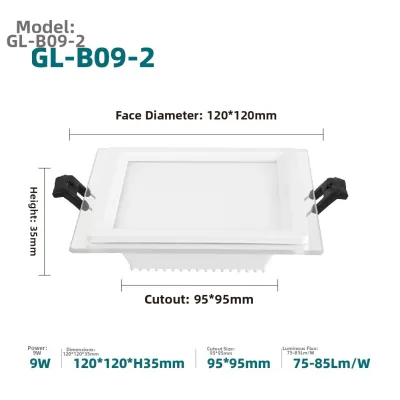
A ceiling height of 2.6 meters imposes immediate limits on the vertical profile of any light fixture you install. For surface-mounted glass panel lights, the overall depth of the fixture—including the housing, the glass diffuser, and the integrated LED driver—should ideally not exceed 35 to 50 millimeters. If you are opting for recessed glass panels, the depth of the ceiling void behind your false ceiling becomes the limiting factor. Many HDB homeowners install partial false ceilings to conceal wiring or air conditioning ledges, which can reduce the effective headroom even further. In these scenarios, choosing an ultra-slim panel with an external driver that can be tucked neatly to the side is essential to prevent the fixture from bottoming out against the concrete slab.
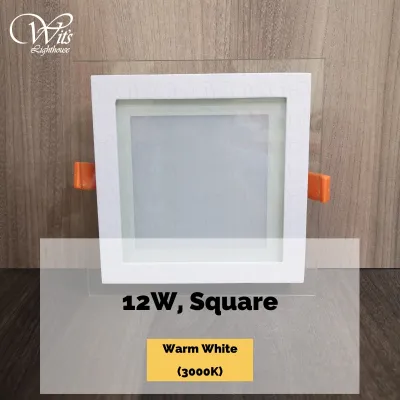
Products mentioned in this guide
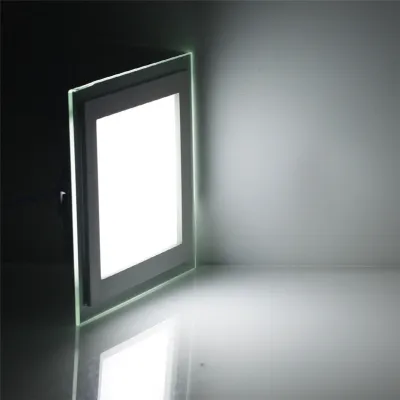
![[SG Seller]Glass LED Downlight ED Glass Downlight Round Downlight Square Downlight Panel Light(6w/9w/12w/18w)](https://img.lazcdn.com/g/p/1be0f0c47aebeeb9d8bb2f424d3dcf64.jpg_400x400q80.jpg_.webp)
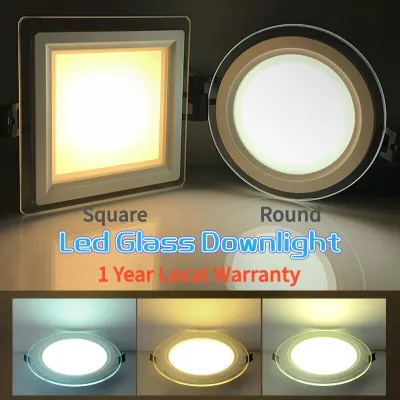
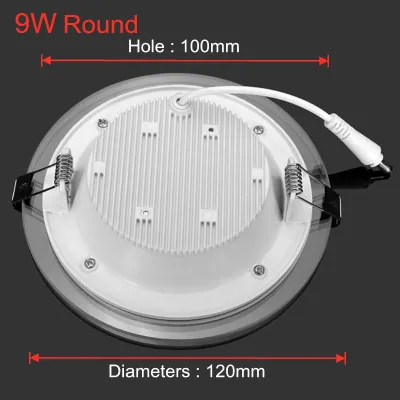
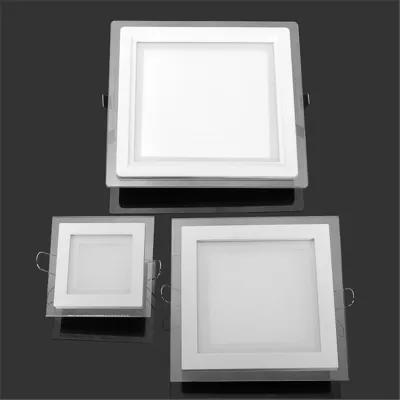
Prices are valid at publication and may change. Please refer to the product page for the latest price.
The material properties of the glass diffuser itself play a significant role in how light is distributed in a low-ceiling environment. Glass diffusers are heavier and denser than their acrylic or polycarbonate counterparts, which affects both light transmission and glare control. In a compact room with a 2.6-meter ceiling, light sources are closer to eye level, making glare a primary concern. High-quality glass panels utilize frosted, tempered, or sandblasted glass to scatter light evenly across a wide angle, preventing harsh hotspots and reducing eye strain. However, because glass absorbs slightly more light than thin plastics, the fixture must be engineered with high-efficiency LED chips to maintain adequate brightness without requiring excessive wattage that generates unwanted heat.
Visual weight is another critical design factor when working with limited vertical space. Standard glass panel lights with thick, opaque metal bezels can draw the eye downward, making the ceiling feel lower than it actually is. To counteract this effect, frameless or slim-bezel glass panel designs are highly recommended for HDB flats. These fixtures allow the glass edge to blend seamlessly with the ceiling surface, creating an illusion of continuity and openness. The reflective nature of the glass border can also catch and bounce ambient light from windows, subtly brightening the room even when the fixtures are turned off.
Key Criteria for Evaluating LED Lighting Brands
When evaluating different LED glass panel light brands, safety and regulatory compliance must be your first priority. In Singapore, household electrical appliances and lighting fixtures must comply with local safety standards. When browsing products, look for the Enterprise Singapore Safety Mark on the product packaging, the driver housing, or the manufacturer’s official specification sheets. This mark indicates that the fixture and its accompanying LED driver have undergone rigorous testing for electrical safety, insulation resistance, and thermal stability. Avoid purchasing unbranded or generic fixtures from overseas sellers on online marketplaces that lack these verifiable safety certifications, as substandard drivers pose a significant risk of short circuits or electrical fires.

Warranty terms offer a reliable indicator of a brand’s confidence in its product durability. Because LED chips themselves rarely fail, the most common point of failure in a panel light is the LED driver, which regulates the electrical current. A reputable brand should offer a comprehensive warranty of at least two to three years, covering both the driver and the LED panel. When calculating the value proposition, compare the retail price in S$ against the warranty duration and the ease of claiming a replacement. A slightly more expensive fixture from a brand with a local service center or an established distributor network in Singapore often represents a better long-term investment than a cheaper alternative that requires shipping the faulty unit back to an overseas warehouse.
Brand transparency regarding performance specifications is another hallmark of quality. Reliable manufacturers publish detailed data sheets that outline the fixture’s lumen maintenance, typically expressed as an L70 or L80 rating. This rating indicates how many hours the light can operate before its brightness drops to 70% or 80% of its original output. Furthermore, look for brands that specify a Color Rendering Index (CRI) of 80 or higher, with CRI 90 being preferred for living rooms and dining areas where accurate color representation is important. Brands that omit these specifications or use vague marketing terms without supporting data should be approached with caution.
Specification Checklist for HDB Living Spaces
To achieve comfortable illumination throughout your HDB flat, you must calculate the required light output based on the specific dimensions and functions of each room. A standard HDB living room of approximately 15 to 20 square meters generally requires a total light output of 3,000 to 4,000 lumens to feel bright and welcoming. Instead of relying on a single, high-wattage central fixture—which can create harsh shadows and intense glare on a 2.6-meter ceiling—consider distributing the light load across multiple smaller glass panel lights. For instance, installing four 12-watt panels delivering approximately 900 lumens each provides more uniform coverage and allows you to adjust the lighting layout to match your furniture arrangement.
Color temperature selection is highly subjective but has a profound impact on the mood and functionality of your home. For task-oriented areas such as the kitchen, study, or bathrooms, cool white (4000K) or daylight (6500K) is recommended to enhance visibility and focus. In contrast, relaxation zones like the bedrooms and living room benefit from warm white (3000K) tones that create a cozy, inviting atmosphere. If you prefer versatility, look for glass panel lights that feature tri-color switching. These fixtures allow you to cycle through warm, cool, and daylight settings using your standard wall switch, though you should verify that the driver remembers your last selected setting to avoid having to click through the options every time you turn on the light.
Dimming compatibility is another crucial factor if you plan to integrate your lighting with smart home systems or traditional wall dimmers. Not all LED glass panel lights are dimmable; attempting to dim a non-dimmable driver can lead to persistent flickering, buzzing noises, and premature driver failure. If you wish to adjust brightness levels, ensure the product description explicitly states “dimmable” and specifies the compatible dimming protocol, such as trailing-edge phase dimming or smart protocols like Zigbee. For those utilizing smart home ecosystems, verifying compatibility with local wireless standards and hub systems before purchasing will save significant troubleshooting time during installation.
Installation and Safety Boundaries
Installing glass panel lights on an HDB ceiling requires a careful assessment of the structural substrate. Standard HDB ceilings are constructed from precast concrete slabs, which are exceptionally strong but require specialized tools, such as a rotary hammer drill with masonry bits, to mount surface fixtures securely. If your flat has a false ceiling made of gypsum board, you must never mount a heavy glass panel light directly to the plasterboard without structural support. Glass fixtures are significantly heavier than plastic ones, and a standard gypsum board cannot support their weight over time. Instead, the mounting brackets must be anchored directly to the concrete slab above using threaded rods, or secured to the metal framing channels of the false ceiling.
Before mounting any fixture, the existing electrical junction boxes and wiring conditions must be thoroughly inspected. Older HDB flats may have degraded wiring insulation or outdated junction boxes that do not align with modern mounting brackets. Ensure that the junction box is securely flush with the ceiling and that the wiring has a functional earth connection, which is mandatory for any light fixture with exposed metal or glass components. If you notice brittle wires, exposed copper, or signs of past overheating, do not attempt to install the new fixture. These conditions require immediate remediation to prevent electrical faults.
It is vital to recognize the boundaries of safe do-it-yourself (DIY) work. While replacing a simple, lightweight bulb is straightforward, installing fixed-wiring ceiling fixtures, working at heights on ladders, and handling heavy glass panels present real physical and electrical hazards. Always isolate the power at the main distribution board (DB box)—not just at the wall switch—before touching any electrical connections. If the installation involves complex wiring, modifying the ceiling structure, or working in damp areas like bathrooms, halt your DIY efforts immediately. Engaging a licensed electrical worker (LEW) or a qualified professional electrician ensures compliance with Singapore’s electrical regulations and guarantees a safe, secure installation.
Final Verification Steps Before Purchase
Before finalizing your purchase on any e-commerce platform or at a local showroom, perform a meticulous physical check of your ceiling preparation. For recessed glass panel lights, measure the cutout diameter or dimensions twice using a reliable measuring tape. Even a minor discrepancy of a few millimeters can prevent the fixture from fitting into the ceiling hole or leave visible gaps around the edges. For surface-mounted models, verify the mounting bracket’s hole spacing against your existing ceiling plugs to minimize the need for drilling new holes into tough concrete.
Given the fragile nature of glass, pay close attention to the seller’s shipping and return policies. Ensure the merchant offers a robust transit damage guarantee that covers immediate replacement if the glass diffuser arrives cracked or shattered. When buying online, document the unboxing process with a quick video; this provides clear, indisputable evidence if you need to file a claim for transit damage. Additionally, check if the seller provides local customer support to handle warranty claims efficiently, avoiding the hassle of international return shipping.
Finally, spend time analyzing user reviews, focusing specifically on feedback from buyers who have installed the fixtures in similar HDB environments. Look past simple five-star ratings and search for comments regarding installation complexity, the quality of the included mounting hardware, and any reports of driver noise. A high-quality LED driver should operate silently; any mention of a persistent humming or buzzing sound is a strong indicator of low-grade internal components. By conducting these pre-purchase verifications, you can protect your investment and ensure a smooth, hassle-free installation process.
Frequently Asked Questions (FAQ)
How do I clean glass panel lights without damaging the diffuser?
To clean your glass panel lights safely, always begin by switching off the power at the wall switch and allowing the fixture to cool down completely. Because glass can retain heat from the LED chips and driver, attempting to clean a warm fixture with a cool liquid can cause thermal shock, potentially cracking the glass. Once the fixture is cool, use a dry, clean microfiber cloth to gently wipe away loose dust and cobwebs from the surface of the diffuser and the outer frame.
For stubborn smudges or grease marks, slightly dampen the microfiber cloth with a mild solution of water and a drop of dishwashing liquid, or use a dedicated non-abrasive glass cleaner. Never spray any liquid cleaner directly onto the fixture, as moisture can seep through the edges of the glass panel and damage the internal LED strips or driver. Wipe the glass in a gentle, circular motion, and immediately follow with a dry microfiber cloth to prevent water spots or streaks from forming.
Can I replace just the glass diffuser if it cracks?
In most modern integrated LED glass panel lights, the glass diffuser is permanently sealed to the metal housing during manufacturing to prevent dust, moisture, and insects from entering the fixture. Consequently, manufacturers rarely supply standalone replacement glass diffusers. If the glass on your fixture cracks or shatters, attempting to source a generic replacement glass sheet is generally impractical and unsafe, as it may not fit securely or handle the thermal expansion of the light.
Operating an LED fixture with a cracked or missing glass diffuser poses significant safety risks. The diffuser not only distributes light but also acts as a protective barrier against accidental contact with live electrical components inside. Furthermore, a cracked glass panel can fail structurally over time, dropping sharp fragments onto the floor below. If your glass diffuser is damaged, the safest and most reliable course of action is to isolate the power and replace the entire light fixture.

Community discussion
Share your experience or ask a question. Comments are reviewed before publication.