
Selecting the right LED wall light brands for home corridors in Singapore involves looking beyond aesthetics to prioritize local electrical safety certification, structural compatibility with concrete walls, and reliable local warranty support. Because corridors are high-traffic transition zones, the ideal fixtures must balance glare-free illumination with long-term durability. Rather than relying on unverified online listings, homeowners should evaluate brands based on their compliance with local safety standards, the quality of their internal drivers, and the accessibility of local after-sales support.
Understanding Corridor Lighting Requirements
Before comparing specific brands, it is essential to assess the physical layout and lighting needs of your corridor. Singapore apartments, particularly HDB flats and condominiums, often feature long, narrow passageways with limited access to natural light. The dimensions of these spaces dictate the size and profile of the fixtures you can install without obstructing movement. In corridors that are less than 1.2 meters wide, a fixture protruding more than 10 centimeters can become a physical hazard, making slim, low-profile, or recessed designs far more practical.
The primary function of corridor lighting also shapes your brand and product choices. If the corridor is purely a transition zone, low-intensity wayfinding lights are sufficient to guide family members at night without waking others. However, if the corridor displays family photos or artwork, you will need fixtures that offer focused accent lighting. For general ambient glow, diffuse wall sconces that distribute light evenly across the walls and ceiling are ideal.
Products mentioned in this guide
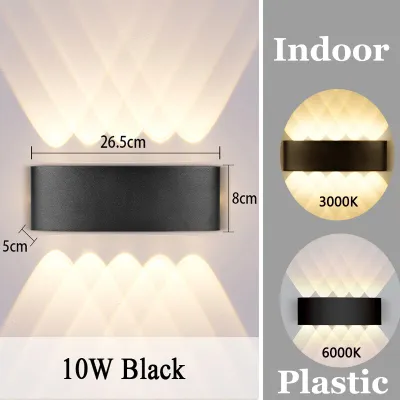

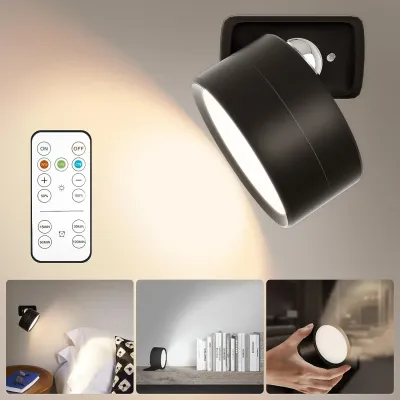
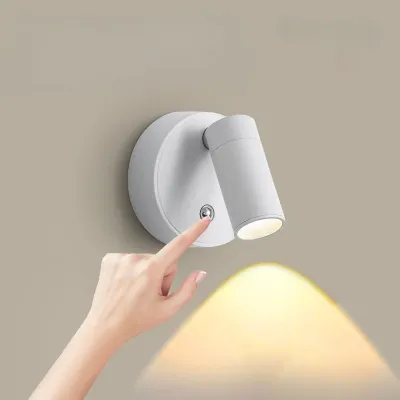
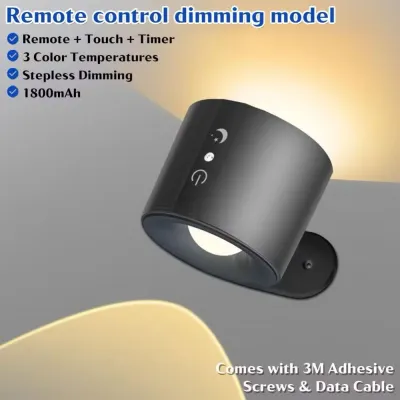
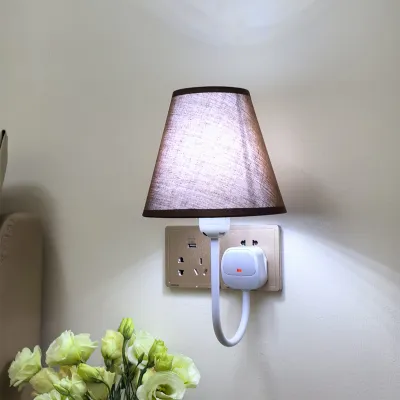
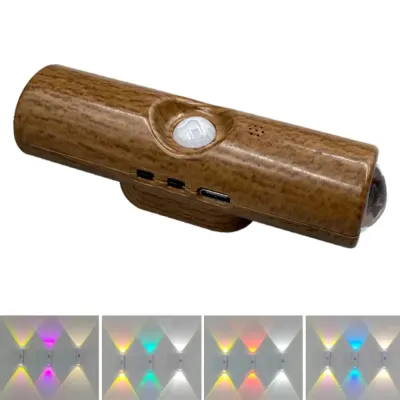
Prices are valid at publication and may change. Please refer to the product page for the latest price.
Glare and shadow casting are common challenges in narrow or L-shaped passageways. Harsh, exposed LED chips can cause visual discomfort when viewed at eye level. To prevent this, look for brands that design fixtures with integrated diffusers or indirect light paths, such as uplighters and downlighters. These designs shield the eyes from direct glare while utilizing the wall surface to bounce and soften the light.
Essential Specifications to Verify on Product Labels
When evaluating LED wall light brands, technical specifications on product labels serve as the first line of defense for safety and performance. In Singapore, the electrical grid operates at a nominal voltage of 230V at a frequency of 50Hz. It is critical to verify that any imported or locally purchased fixture is rated for this voltage range. Additionally, look for the Safety Mark issued by Enterprise Singapore on the LED driver or the fixture itself, which indicates the product has been tested and certified safe for local domestic use.

Lumen output and color temperature are key factors in creating a comfortable corridor environment. For standard residential corridors, a high-wattage, overly bright light is rarely necessary. A lumen output of 100 to 300 lumens per fixture is generally sufficient for comfortable navigation. For color temperature, warm white (2700K to 3000K) creates a welcoming, cozy atmosphere, while cool white (4000K) offers a clean, modern aesthetic. Ensure the brand specifies a Color Rendering Index (CRI) of 80 or higher to keep wall colors and decor looking natural.
Environmental factors within your home should also influence your technical checks. If your corridor is located near an open window, an air conditioning vent, or a bathroom entrance, it may be exposed to high humidity or occasional rain splashes. In these scenarios, standard indoor fixtures with an IP20 rating may degrade prematurely. Checking for an Ingress Protection (IP) rating of IP44 or higher ensures the fixture can withstand moisture and dust without short-circuiting.
Furthermore, pay close attention to the quality of the LED driver, which regulates the power flowing to the LEDs. Low-quality brands often use cheap drivers that produce invisible, high-frequency flicker, which can cause eye strain or headaches over time. Look for brands that explicitly specify “flicker-free” drivers on their product datasheets to ensure a comfortable and healthy living environment.
Criteria for Evaluating Brand Reliability and Support
A reliable LED wall light brand is defined by its local presence and the robustness of its customer support. Purchasing fixtures from brands with established local distributors, official showrooms, or authorized dealers in Singapore provides significant advantages. Physical showrooms allow you to inspect the build quality, material finishes, and actual light output before committing to a purchase, reducing the risk of receiving substandard products.
Warranty terms offer a clear indication of a brand’s confidence in its product durability. When reviewing warranties, look for brands that offer comprehensive coverage of at least one to two years. Pay close attention to what the warranty covers; it should ideally include the LED driver, which is the component most prone to failure, as well as finish degradation and structural integrity. Brands that only offer short-term or highly conditional warranties may use lower-grade components that require frequent replacement.
The availability of replacement parts is another critical factor for long-term sustainability. Many modern LED wall lights feature integrated LED modules rather than replaceable bulbs. If the light source fails, you may have to replace the entire fixture if the brand does not supply replacement drivers or modules. Choosing brands that offer modular components or have a reputation for stocking spare parts locally ensures you will not have to patch and repaint your walls to accommodate an entirely new fixture design later.
When deciding between brands, consider whether they specialize in integrated LED fixtures or bulb-based fixtures (such as those using GU10 or E27 bulbs). Integrated LED brands often offer sleeker, more minimalist designs because they are not constrained by the size of a traditional bulb. However, bulb-based brands offer the ultimate convenience in maintenance, allowing you to swap out a failed bulb in seconds without touching the electrical wiring.
Design and Placement Strategies for Corridors
Proper planning of physical placement and design style is essential to maximize the effectiveness of your chosen LED wall lights. To achieve balanced illumination without dark spots or harsh shadows, space your fixtures approximately 1.5 to 2 meters apart along the corridor wall. The optimal mounting height is generally around 1.5 to 1.8 meters from the finished floor level, which keeps the light source near eye level while preventing direct glare from the top of the fixture.
The choice between uplighters, downlighters, or diffuse shades depends heavily on your corridor’s architectural features. If your home has low ceilings, uplighters can create the illusion of height by casting light upward and reflecting it off the ceiling. Conversely, downlighters are excellent for highlighting textured wall finishes or guiding footsteps along the floor. Diffuse shades provide a soft, overall glow that works well in wider corridors where direct light paths are less likely to cause glare.
Wall textures and colors also interact dynamically with your lighting choices. An uplighter or downlighter installed against a highly textured wall, such as stucco or brick, will cast dramatic shadows that highlight those textures. If your walls have minor plastering imperfections, a diffuse wall light is a better choice, as it softens the light and minimizes the visibility of surface flaws.
Aesthetic cohesion is the final element of a successful corridor lighting plan. Select fixture materials, proportions, and finishes that complement the existing architectural hardware in your home. For instance, if your door handles, skirting boards, or light switches feature matte black, brushed brass, or satin white finishes, choosing wall lights with matching accents creates a unified design language throughout the transition space.
Installation Safety and Professional Boundaries
Installing LED wall lights involves working with electrical wiring, which presents inherent safety risks. In Singapore, all fixed electrical installation works must comply with local safety regulations. While homeowners can perform basic maintenance, running new electrical cables, modifying existing junction boxes, or extending circuits strictly requires the services of a licensed electrician certified by the Energy Market Authority (EMA). Attempting complex electrical work without proper licensing can compromise home safety and void insurance policies.
The structural composition of your corridor walls also dictates the installation process and hardware requirements. Many Singapore homes feature solid concrete structural walls or bomb shelter walls along corridors, which require a rotary hammer drill and heavy-duty masonry wall plugs to secure fixtures safely. For partition walls made of drywall or calcium silicate board, you must use specialized toggle bolts or hollow-wall anchors to prevent the fixture from pulling loose over time.
Before drilling into any wall, it is vital to check for hidden utility conduits. In Singapore residential properties, electrical cables and water pipes are often concealed within the concrete or run inside surface-mounted plastic trunking. Drilling directly above or below light switches, power outlets, or water fixtures carries a high risk of puncturing a live conduit. Using a reliable multi-scanner or stud finder with live-wire detection can help prevent dangerous and costly drilling accidents.
Before any physical handling of electrical components, safety must be the top priority. Always isolate the power supply at the main distribution board by switching off the corresponding miniature circuit breaker (MCB). Do not rely solely on the wall switch to cut the power. Use a reliable, non-contact voltage tester to verify that the wires are completely dead before disconnecting or connecting any fixtures. If you are unsure about any step of the process, stop immediately and consult a qualified professional.
Frequently Asked Questions (FAQ)
Can I use smart LED wall lights in my corridor?
Yes, but successful integration depends on your home’s electrical infrastructure and layout. Many smart LED wall lights or smart switches require a neutral wire at the switch box to function continuously. Since many older Singapore residential properties are wired without a neutral line at the switch, you must verify your wiring setup before purchasing. Additionally, thick concrete walls in corridors can severely degrade Wi-Fi or Zigbee signals, potentially causing smart fixtures to lose connectivity. Ensuring a strong wireless signal or using a signal repeater nearby is highly recommended.
How do I clean and maintain LED wall light fixtures?
To clean your LED wall lights safely, always turn off the wall switch and allow the fixtures to cool completely to avoid thermal shock or burns. Use a dry or slightly damp, clean microfiber cloth to gently wipe away dust and cobwebs from the housing and diffuser. Avoid using abrasive scrubbing pads, harsh chemical cleaners, or solvents, as these can strip or discolor powder-coated, painted, or anodized metallic finishes. For fixtures with glass or acrylic diffusers, a mild soap solution applied to a damp cloth is sufficient to remove stubborn smudges.
Community discussion
Share your experience or ask a question. Comments are reviewed before publication.