
Determining whether Mofasand ceiling lights are suitable for standard 2.6m HDB ceilings depends entirely on the specific model’s physical profile, light diffusion method, and horizontal scale. While the brand offers various designs, a fixture that works well in a high-ceiling condo may cause glare or feel oppressive in a compact, low-clearance HDB room. This guide provides a structured framework to evaluate drop length, light distribution, and room proportions, helping you select a model that maintains comfortable headroom and optimal illumination without visual clutter.
Checking Fixture Profile and Drop Length for 2.6m Ceilings
When planning lighting for a standard Singapore HDB flat, vertical clearance is your primary constraint. A 2.6-meter ceiling height leaves very little margin for low-hanging fixtures, especially in high-traffic areas where family members walk or carry items. To support safety and comfort, aim to maintain a clearance of 2.1 to 2.3 meters from the floor to the lowest point of the light fixture.
To determine the actual clearance a specific Mofasand model will provide, you must calculate the total drop length. This measurement should be taken from the ceiling canopy down to the absolute lowest point of the fixture, including any decorative finials, frames, or glass covers. Do not rely solely on the main body dimensions listed in product descriptions, as mounting brackets and canopy bases often add unexpected height.
Products mentioned in this guide
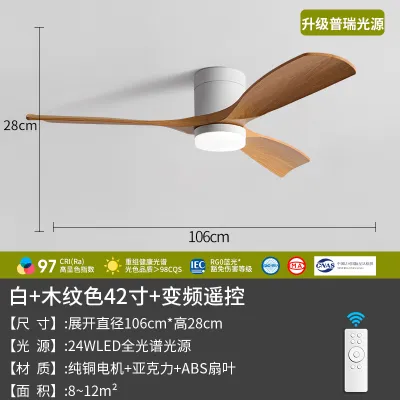
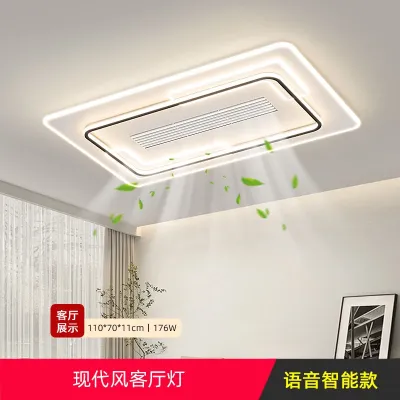
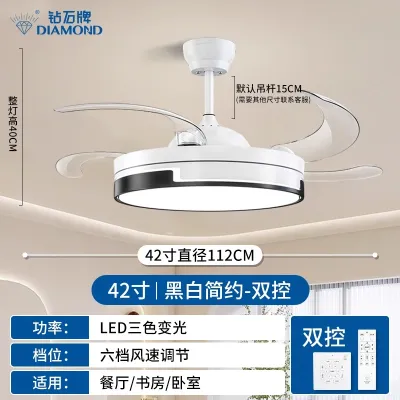
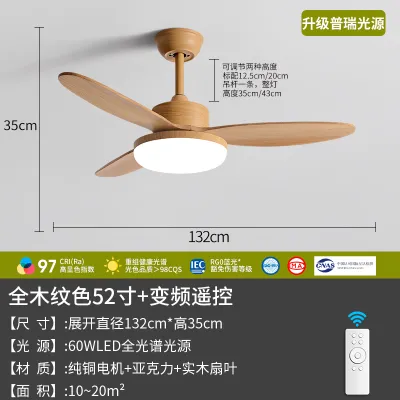
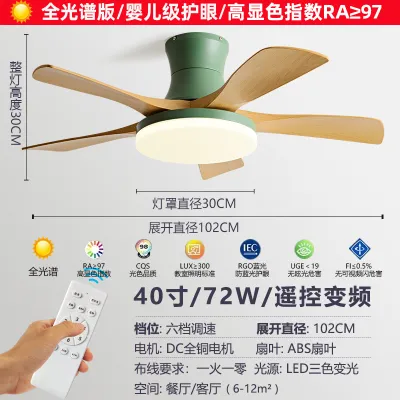
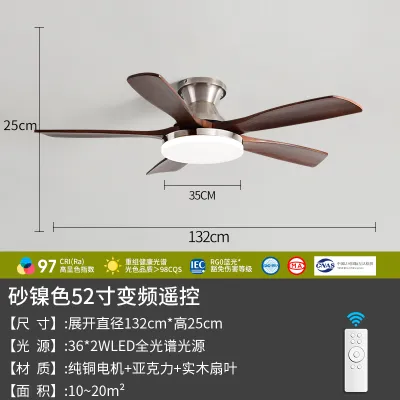
Prices are valid at publication and may change. Please refer to the product page for the latest price.
For a 2.6-meter ceiling, flush-mount fixtures are generally a highly practical choice because they sit directly against the ceiling surface, typically protruding less than 10 to 15 centimeters. Semi-flush options, which hang slightly below the ceiling on a short stem, can sometimes work if their total drop does not exceed 20 centimeters. However, you should avoid any models with extended decorative stems or hanging elements in primary living areas and transitional corridors to prevent a cramped feeling and accidental contact.
Evaluating Light Distribution and Glare in Low-Clearance Rooms
In a room with a 2.6-meter ceiling, the light source sits closer to eye level than it would in a high-ceiling landed property or condominium. This proximity increases the risk of harsh glare and visual discomfort if the light is not properly diffused. When browsing Mofasand fixtures, pay close attention to the materials used to cover the light source.

Look for models that feature high-quality frosted acrylic, fabric, or opal glass diffusers. These materials scatter the light evenly, reducing harsh hot spots and minimizing direct exposure to bare LED chips. A well-diffused light source creates a soft, inviting glow that makes the ceiling feel visually higher, whereas exposed bulbs or clear glass covers can create intense, distracting glare in a compact space.
The direction of the light also plays a significant role in how spacious your HDB flat feels. While decorative style, perceived color temperature, and spatial effects are highly subjective and depend on conditional preferences, fixtures that offer a mix of downward direct light and upward ambient bounce are often chosen for low ceilings. By casting a soft glow upward onto the ceiling surface, these lights reduce shadows and create an illusion of height. Additionally, verify that the fixture’s lumen output matches your room size and check if the model is compatible with dimming switches, allowing you to adjust the brightness to prevent over-illumination and excessive heat buildup in smaller rooms.
Matching Fixture Diameter to HDB Room Proportions
While vertical clearance determines safety, the horizontal scale of your ceiling light dictates the visual balance of the room. An oversized fixture can dominate a compact HDB bedroom or study, making the ceiling feel lower than it actually is. Conversely, an under-scaled light will look lost and fail to provide adequate illumination across the space.
To find the ideal fixture diameter for your room, a helpful guideline is to add the length and width of the room in meters, then multiply that sum by 10 to get the approximate fixture diameter in centimeters. For example, a standard HDB bedroom measuring 3 meters by 3 meters would benefit from a fixture with a diameter of roughly 60 centimeters. For living rooms, which are typically larger, you can scale up slightly, but keep the profile slim to maintain visual balance.
In elongated or irregularly shaped spaces, such as a combined living-dining area, a single large central light is rarely the best solution. Instead, consider using multiple smaller, synchronized flush-mount fixtures or combining a central low-profile light with recessed downlights. This approach distributes light more evenly across the entire layout without requiring a single massive, visually oppressive statement piece.
Pre-Purchase and Installation Verification Checklist
Before purchasing any ceiling light, it is essential to verify the physical and electrical compatibility of the fixture with your HDB flat’s existing infrastructure. Start by checking the weight of the Mofasand model you are considering. Standard HDB concrete ceilings can support substantial weight, but the mounting bracket and junction box must be rated to handle the specific fixture’s load.
Next, confirm the electrical specifications of the light. Ensure the voltage matches Singapore’s standard 230V supply and verify the base or interface, wattage limits, dimensions, dimming method, and electrical certification. A category name alone does not prove compatibility or safety, so you must inspect the individual product label. If you are planning to install the fixture in areas prone to moisture, such as near a kitchen stove or just outside a bathroom door, check the manufacturer’s specification sheet for an appropriate IP (Ingress Protection) rating to ensure long-term safety and durability.
Because ceiling light installation involves fixed electrical wiring, working at heights, and drilling into concrete, prioritizing safety is essential. Always isolate the mains power at the distribution board before attempting any inspection or installation. For fixed wiring, damp areas, work at height, heat, or suspended loads, you must follow the manufacturer’s installation instructions precisely and hire a qualified professional to complete the work safely and in compliance with local regulations.
Frequently Asked Questions (FAQ)
Can I install a semi-flush Mofasand light in an HDB corridor?
Installing a semi-flush light in a narrow HDB corridor is generally not recommended unless the fixture has an exceptionally slim profile. Corridors are high-traffic transitional zones where you frequently move tall items, such as furniture or drying racks. A hanging fixture reduces vertical clearance and increases the risk of accidental impact. For these narrow spaces, prioritize ultra-slim flush-mount fixtures that sit tight against the ceiling, supporting safe passage and a clean, unobstructed visual path.
Do Mofasand ceiling lights require special HDB ceiling hooks?
Whether you need specialized mounting hardware depends entirely on the weight and design of the specific Mofasand model. Lightweight acrylic or plastic flush-mount fixtures can typically be secured directly to the concrete ceiling using standard plastic wall plugs and screws. However, heavier designs featuring metal frames or thick glass diffusers require robust expansion anchors or heavy-duty toggle bolts. Always refer to the manufacturer’s installation manual for weight specifications and use the recommended mounting hardware to help keep the fixture securely anchored to the concrete slab.

Community discussion
Share your experience or ask a question. Comments are reviewed before publication.