
Finding the right scent diffuser brand in Singapore requires looking past aesthetic designs and marketing buzzwords. Because the ideal device depends heavily on your specific room size, preferred oil types, and tolerance for operational noise, no single brand suits every home. To make a purchase that offers genuine value, you must evaluate diffusers based on their underlying diffusion technology, material safety certifications, and long-term maintenance needs.
In Singapore’s naturally humid climate, introducing additional moisture into the air can sometimes feel heavy or contribute to indoor dampness. Therefore, understanding how different brands disperse fragrance—and whether they rely on water or pure oil—is the first step in selecting a system that enhances your living space. By focusing on verifiable technical specifications and practical design features, you can confidently choose a diffuser that delivers consistent performance and lasting durability.
Core Criteria for Evaluating Scent Diffuser Brands
Before comparing specific brands, it is essential to understand the core diffusion technologies available on the market. The most common type is the ultrasonic diffuser, which uses a small ceramic disc vibrating at high frequencies to break down a mixture of water and essential oil into a fine, cool mist. While these devices are highly popular and double as mild humidifiers, they may not be the ideal choice for already humid tropical environments if run continuously in enclosed spaces.
Products mentioned in this guide
![[Ideal Gift]SHIORA Aromatherapy Series Home Scent Reed Diffuser | 50/100ml/200ml | Essential Oil | Room Perfume | Cedarwood Citronella Lavender Lemongrass Sandalwood Peppermint](https://img.lazcdn.com/g/p/99c276969de981c83db1793b5270173c.png_400x400q80.png_.webp)
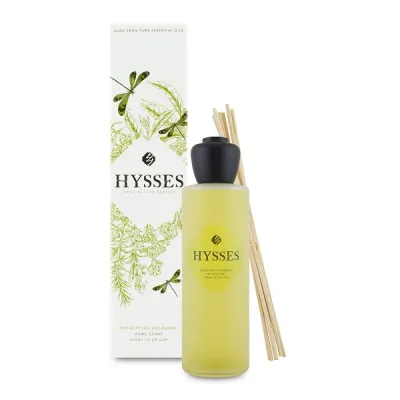
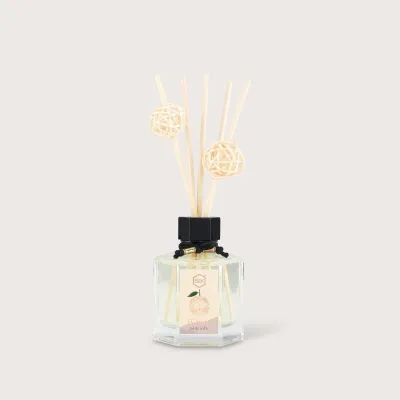
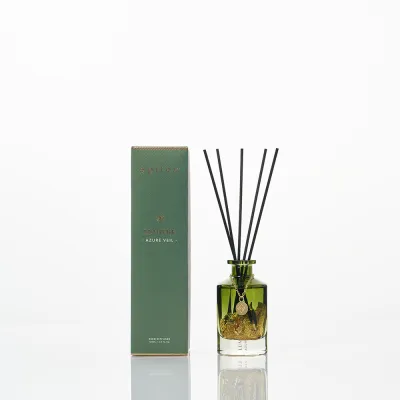
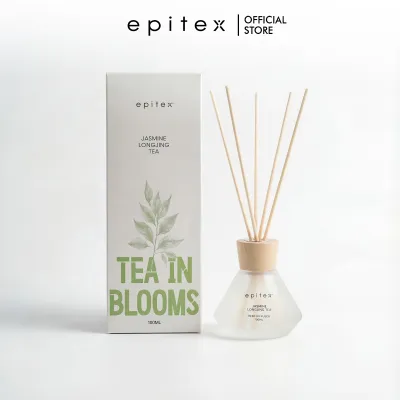
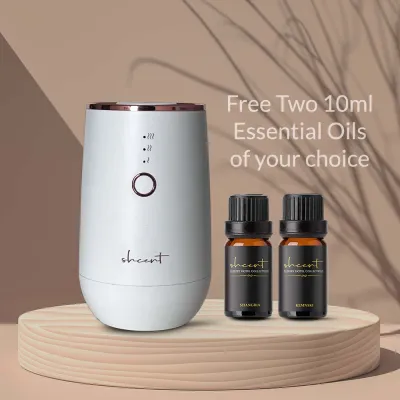
![[NEW Launch] shcent Aether Aroma Nebulizer Diffuser | Waterless | Rechargeable | Quiet | Ambient Night Light | For Home | Bundled with two 10ml Hotel Essential Oil](https://img.lazcdn.com/g/p/117a69963009c4e1a3febf9df023d4ba.png_400x400q80.png_.webp)
Prices are valid at publication and may change. Please refer to the product page for the latest price.
For those seeking maximum fragrance purity without adding moisture, nebulizing diffusers are a highly effective alternative. These devices use cold air high-pressure pumps to atomize pure essential oil directly into a microscopic gas, bypassing the need for water entirely. While nebulizers deliver a much stronger and more immediate scent throw, they also consume essential oils at a faster rate and tend to produce a slight mechanical hum during operation.
Other options include heat-based and evaporative diffusers, though these are less common among premium wellness brands as they can alter the delicate chemical profile of pure oils or offer less controllable scent dispersion.
Beyond the technology itself, you must evaluate the water tank capacity relative to your room size. A small 100ml reservoir is typically sufficient for a compact study or bathroom, providing roughly three to five hours of continuous mist. For larger living rooms or overnight bedroom use, look for brands offering capacities of 300ml to 500ml, which can operate continuously for eight to twelve hours without requiring a refill.
Material safety is another critical factor that separates high-quality brands from cheap alternatives. Pure essential oils are highly corrosive and can degrade standard plastics over time, leading to cracked tanks and chemical leaching. Reliable brands will explicitly state that their water tanks are made from BPA-free, medical-grade polypropylene (PP) plastic, or they will utilize inert materials like glass, ceramic, or natural wood for the outer casing and reservoirs.
Finally, always verify the inclusion of essential safety mechanisms. Any reputable brand should feature an automatic shutoff function that triggers when the water level runs dry. This dry-boil protection prevents the ultrasonic plate or heating element from overheating, protecting your home from potential electrical hazards and extending the overall lifespan of the device.
Assessing Scent Quality and Throw
The effectiveness of a scent diffuser is measured by its ability to distribute fragrance evenly across a designated area. When evaluating different brands, look closely at the mist output volume and whether the device offers adjustable intensity settings. High-quality brands typically feature multiple mist modes—such as low, medium, and high—allowing you to customize the scent level based on the size of the room and the natural ventilation of your home.

To prevent a phenomenon known as olfactory fatigue, where your brain acclimates to a constant scent and stops registering it, look for brands that offer intermittent diffusion cycles. These programmable timers allow the device to alternate between active misting and rest periods, such as running for thirty seconds and pausing for thirty seconds. This cycle not only keeps the fragrance noticeable and pleasant throughout the day but also drastically reduces your overall oil consumption, saving you money over time.
The physical size of the mist droplets also plays a crucial role in how far the scent can travel. Nebulizing diffusers produce incredibly fine micro-droplets (often under five microns) that remain suspended in the air for extended periods and drift easily on natural air currents, making them exceptionally well-suited for large, open-concept living areas or homes with high ceilings.
In contrast, ultrasonic diffusers produce slightly heavier, water-bound droplets that tend to settle more quickly. While this is perfectly adequate for localized scenting—such as on a bedside table, a home office desk, or a cozy reading nook—it may struggle to cover an entire open-plan apartment. Understanding this relationship between droplet weight and spatial coverage will help you match the right brand and technology to the specific layout of your home.
Durability and Long-Term Value
When assessing whether a scent diffuser brand is worth your investment, the initial purchase price is only one part of the equation. True value is determined by the device’s long-term reliability and the ease of maintaining it. In Singapore, purchasing from a brand that offers local warranty support and has a physical service center or responsive local distributor is highly advantageous. If an electrical component fails or the ultrasonic plate stops vibrating, a local warranty ensures you can secure a replacement or repair quickly without dealing with expensive international shipping.
Regular maintenance is essential to keep any diffuser operating at peak performance. Ultrasonic plates are particularly sensitive to mineral buildup, especially if you use tap water rather than distilled water. Over time, these mineral crusts restrict the plate’s vibrations, leading to a noticeable drop in mist output or complete device failure. Before buying, check the manufacturer’s cleaning guidelines to ensure the design allows easy access to the transducer plate for routine descaling.
The availability of replacement parts is another key indicator of a brand’s commitment to durability. High-quality brands often sell individual replacement components, such as power adapters, glass nebulizing nozzles, rubber seals, and replacement ceramic discs. If a brand does not offer these parts separately, a minor accident—like dropping a glass reservoir or losing a power cord—can render the entire device useless, forcing you to buy a whole new unit.
Energy efficiency should also be factored into your long-term cost calculations. Most modern diffusers are relatively low-power appliances, typically consuming between ten and twenty-four watts of electricity. Verifying that the device carries recognized electrical safety certifications ensures that it operates efficiently and safely during extended use, keeping your utility bills predictable and your home secure.
Decision Framework: Matching Brands to Your Needs
To narrow down your choices, it helps to match specific diffuser features to the primary environment where the device will be used. If your main goal is to create a relaxing atmosphere in the bedroom to aid sleep, prioritize brands that offer whisper-quiet operation, ideally under thirty decibels. For this setting, look for ultrasonic models with large water tanks that can run silently through the night, and ensure the device features customizable ambient lighting that can be dimmed or turned off completely to avoid disrupting your sleep cycle.
For open living rooms, dining areas, or entryways where you want a strong, immediate fragrance impact, look toward brands specializing in pure nebulizing technology. These waterless diffusers, often housed in elegant glass and wood casings, deliver a highly concentrated scent throw that can easily fill large spaces. Because they do not add moisture to the air, they are particularly well-suited for Singapore’s humid climate, keeping your living areas smelling fresh without contributing to indoor dampness.
If you are exploring aromatherapy for the first time or working with a tighter budget, starting with an entry-level ultrasonic brand is a practical choice. Look for compact, straightforward models that focus on core functionality, such as a reliable auto-shutoff mechanism and a simple, easy-to-clean water tank. These budget-friendly options, often priced under S$50, allow you to experiment before committing to a high-end system.
Finally, if you are purchasing a diffuser from cross-border e-commerce platforms or international online marketplaces, you must perform a few critical safety and compatibility checks. Ensure the device is rated for Singapore’s standard electrical voltage of 230V at 50Hz. Additionally, verify that the package includes a native UK-style three-pin Type G plug, or that the device uses a standard USB power interface that can be safely powered by a local adapter. Avoid using cheap, uncertified travel adapters for high-draw or continuous-use appliances, as they can pose a significant electrical safety risk.
Frequently Asked Questions (FAQ)
Can I use synthetic fragrance oils in an ultrasonic diffuser?
While it is technically possible to use synthetic fragrance oils in an ultrasonic diffuser, doing so carries significant risks to both the device and your indoor air quality. Synthetic fragrance oils are often formulated with heavy carrier oils, synthetic solvents, or alcohol bases that do not disperse as easily as pure, water-soluble essential oils. These heavy compounds can quickly settle on the delicate ultrasonic plate, forming a sticky residue that causes the transducer to overheat and eventually fail. Furthermore, the chemical solvents in synthetic oils can react with and degrade standard plastic water tanks over time, potentially voiding the manufacturer’s warranty. For optimal performance and device longevity, it is highly recommended to use only pure, high-quality essential oils or fragrance blends specifically labeled as safe for ultrasonic diffusers.
How often should I clean my scent diffuser to maintain performance?
To maintain optimal performance and ensure a clean, pure scent throw, you should perform basic maintenance after every few uses and a deep clean at least once a week. After each use, empty any remaining water and oil mixture from the tank and wipe the interior dry with a soft, clean cloth to prevent mold and oil residue from hardening. For a deeper weekly clean, fill the reservoir halfway with clean water, add a few drops of white vinegar, and run the diffuser for five to ten minutes to clear out any oil buildup inside the ultrasonic plate. Alternatively, you can dip a cotton swab in rubbing alcohol and gently wipe the ultrasonic transducer plate and the corners of the tank. Always refer to your specific manufacturer’s manual before cleaning, as some materials may have strict limitations regarding the use of alcohol or acidic cleaning agents.
Community discussion
Share your experience or ask a question. Comments are reviewed before publication.