
Selecting a solar LED clip light for home security requires prioritizing motion sensor reliability above all other features. While decorative solar path lights can function with simple dusk-to-dawn sensors, security-focused clip lights must deliver immediate, bright illumination the moment an intruder enters their detection zone. A delay of even a few seconds, or a complete failure to trigger, renders a security light useless. Conversely, a sensor that triggers constantly due to wind, rain, or passing insects creates a nuisance for neighbors, desensitizes you to potential threats, and rapidly drains the battery.
For solar-powered security fixtures, power management is a delicate balancing act. Unlike wired security lights that draw continuous grid power, a solar clip light relies entirely on the energy stored in its internal battery during the day. The motion sensor must remain in a highly sensitive, low-power “listening” state throughout the night. If the sensor’s internal circuitry is poorly designed, it will consume too much standby power, leaving the battery depleted before a true security event occurs. Therefore, understanding the underlying sensor technologies and brand-specific engineering choices is essential to selecting a system that keeps your property secure.
Sensor Technologies to Look for in Security Clip Lights
To evaluate the reliability of different solar clip light brands, you must first understand the primary sensor technologies used in the industry. Brands typically utilize one of three sensor configurations: Passive Infrared (PIR), Microwave (Radar), or Dual-Technology systems. Each has distinct operational characteristics, advantages, and limitations in outdoor environments.
Products mentioned in this guide
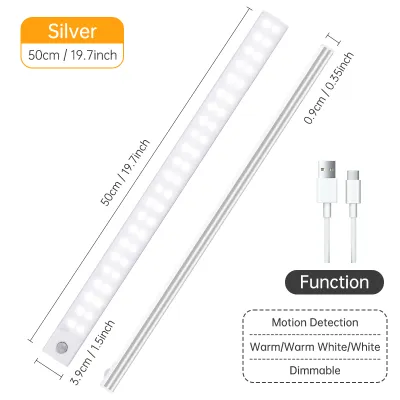
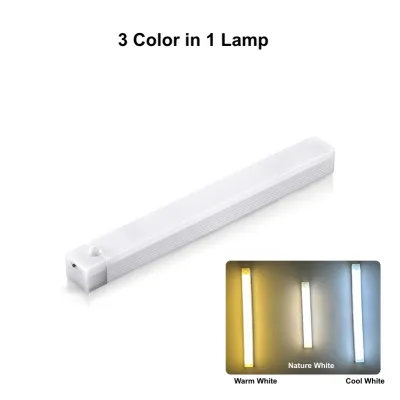
Prices are valid at publication and may change. Please refer to the product page for the latest price.
Passive Infrared (PIR) Sensors
PIR is the most common motion detection technology found in consumer solar security lights. These sensors work by detecting changes in infrared radiation (heat signatures) within their field of view. When a warm object, such as a human or a vehicle, moves across the sensor’s detection zones, the sensor registers a rapid change in thermal energy and triggers the light.
- Performance in Tropical Climates: PIR sensors are highly effective at distinguishing human movement from ambient environmental changes. However, they face a specific physical limitation in extremely hot climates. In regions like Singapore, where daytime and nighttime temperatures can hover between 30°C and 34°C, the thermal contrast between a human body (approximately 37°C) and the background environment is significantly reduced. This narrow temperature differential can cause PIR sensors to experience reduced detection range or missed triggers during warm nights.
- Detection Angle and Range: Standard PIR sensors on clip lights typically offer a detection angle of 120 degrees to 180 degrees, with a range of 5 to 8 meters. Premium brands often utilize multi-faceted Fresnel lenses over the PIR element to segment the detection area into multiple zones, improving sensitivity and reducing blind spots.
Microwave (Radar) Sensors
Microwave sensors emit low-power electromagnetic waves and analyze the reflection of those waves off surrounding objects. By measuring the shift in frequency of the reflected waves (the Doppler effect), the sensor detects movement within its coverage area.
- Environmental Resilience: Unlike PIR sensors, microwave sensors are entirely unaffected by ambient air temperature, making them exceptionally reliable in hot, humid, or rapidly changing tropical weather. They can also detect movement through non-metallic barriers, such as thin plastic, wood, or glass.
- False Trigger Risks: The high sensitivity of microwave sensors is a double-edged sword. Because they can detect motion through thin objects and are highly sensitive to any physical movement, they are prone to false triggers from swaying tree branches, heavy rain, or even water moving through PVC drainpipes. Brands that use microwave sensors must implement sophisticated software calibration to filter out these environmental movements.
Dual-Technology Sensors
Dual-technology sensors combine both PIR and microwave technologies into a single unit. For the security light to trigger, both sensors must detect motion simultaneously or within a very short window. This configuration offers the highest level of reliability for security applications.
- False Alarm Reduction: By requiring both heat signature changes (PIR) and physical movement (microwave) to trigger, dual-technology lights virtually eliminate false alarms caused by wind-blown foliage or ambient temperature fluctuations.
- Cost and Power Trade-offs: Because they run two distinct sensing circuits, dual-technology fixtures are generally more expensive and consume more standby power. They are typically found in premium security clip lights rather than budget-friendly options.
Below is a comparison of how these sensor technologies perform across key security metrics:
| Sensor Type | Temperature Tolerance | Resistance to False Alarms | Detection Sensitivity | Standby Power Consumption |
|---|---|---|---|---|
| PIR (Passive Infrared) | Moderate (reduced in heat) | High | Moderate | Very Low |
| Microwave (Radar) | Excellent | Low to Moderate | Very High | Moderate |
| Dual-Technology | High | Excellent | High | Moderate to High |
How to Evaluate Brands for Sensor and Build Quality
When shopping for solar LED clip lights, marketing materials often use generic terms like “ultra-sensitive” or “weatherproof.” To identify truly reliable brands, you must look past the promotional copy and evaluate specific hardware specifications, build materials, and engineering standards.

Weatherproofing and IP Ratings
Outdoor security lights in tropical regions must withstand intense monsoon downpours, high humidity, and salt-laden air if located near the coast. The primary indicator of a light’s physical durability is its Ingress Protection (IP) rating.
- Minimum Standards: Look for brands that explicitly certify their products to IP65 or higher. An IP65 rating indicates that the fixture is completely dust-tight and protected against water jets from any angle. For highly exposed areas, such as roof gutters or unshielded fence posts, seek brands offering IP66 or IP67 ratings.
- Sensor Dome Protection: Pay close attention to how the sensor dome is integrated into the housing. Cheaply manufactured lights often use low-grade adhesives around the PIR sensor lens, which degrade under constant UV exposure, allowing moisture to seep into the internal circuitry and cause premature sensor failure.
Power Management and Battery Chemistry
A motion sensor is only as reliable as the power supply backing it up. Reputable brands design their solar clip lights with high-quality microcontrollers (MCUs) that regulate power distribution based on battery charge levels.
- Battery Chemistry: Verify the type of battery used in the fixture. Lithium Iron Phosphate (LiFePO4) batteries are highly preferred over standard Lithium-Ion (Li-ion) or Nickel-Metal Hydride (NiMH) batteries for outdoor security applications. LiFePO4 batteries offer superior thermal stability, can withstand high ambient temperatures without degrading, and typically provide a longer cycle life (often exceeding 2,000 charge-discharge cycles).
- Intelligent Power Saving: Look for brands that feature "smart power" algorithms. These systems monitor the battery's state of charge and automatically adjust the light's maximum brightness or sensor delay times during periods of consecutive cloudy days, ensuring the sensor remains operational even when solar charging is sub-optimal.
Customization and Control Options
Every installation environment is unique. A brand that offers customization options allows you to fine-tune the sensor to match your specific security perimeter.
- Operating Modes: Reliable security brands typically offer at least three distinct operating modes: a pure motion-activation mode (off-to-bright), a continuous low-light mode that boosts to high brightness upon detection (dim-to-bright), and a continuous dusk-to-dawn mode. For security purposes, the off-to-bright mode is the most energy-efficient and provides the highest element of surprise for deterrence.
- Sensitivity and Delay Adjustments: Check if the brand provides physical dials (potentiometers) or digital controls to adjust the sensor's sensitivity and the duration the light remains illuminated after motion stops (typically adjustable from 15 seconds to 2 minutes).
Warranty and Support Verification
A manufacturer’s warranty is a strong proxy for product reliability. Brands that invest in high-quality sensors and durable housing materials generally offer a minimum of a one-year warranty, with premium security brands offering two to three years of coverage. Ensure the brand has a verifiable customer support channel or a local distributor to handle warranty claims, battery replacements, or troubleshooting inquiries.
Optimizing Placement and Clipping for Maximum Sensor Accuracy
Even the most advanced motion sensor will fail to perform reliably if it is poorly positioned or insecurely mounted. Proper installation is critical to maximizing detection accuracy and preventing false alarms.
Selecting Secure Clipping Surfaces
Solar clip lights are designed for rapid, tool-free installation, but this convenience requires careful selection of the mounting surface. The clip must grip a completely stable structure.
- Vibration Prevention: Avoid clipping lights to thin plastic mesh, loose canvas awnings, or flimsy tree branches. Strong winds can cause these structures to vibrate or sway, which will trigger highly sensitive PIR or microwave sensors, leading to constant false alarms.
- Suitable Surfaces: Ideal mounting points include heavy metal balcony railings, HDB corridor grilles, solid wooden fence tops, or sturdy metal gutters. Ensure the clip's spring tension is strong enough to hold the weight of the light fixture securely without sliding or shifting over time.
Height, Angling, and Detection Paths
To maximize the effectiveness of a PIR sensor, you must understand how physical movement intersects with the sensor’s detection fields.
- Optimal Height: Clip the light at a height of 1.8 to 2.4 meters above the ground. Mounting the light too low restricts the sensor's range, while mounting it too high can create a blind spot directly underneath the fixture.
- Angling the Sensor: Angle the sensor head slightly downward (approximately 15 to 30 degrees). This defines a clear, concentrated detection zone on your property and prevents the sensor from picking up distant heat signatures, such as passing cars on a public street or high-altitude thermal currents.
- Direction of Approach: PIR sensors are significantly more sensitive to movement that crosses across their field of view rather than movement directly toward or away from the sensor. Position the clip light so that a potential intruder is forced to walk perpendicular to the sensor's path for the fastest response time.
Solar Panel Positioning and Environmental Factors
For a solar clip light to maintain its sensor readiness throughout the night, its solar panel must receive adequate daily sunlight.
- Direct Sunlight Exposure: Position the integrated solar panel so that it faces direct sunlight for at least 4 to 6 hours daily. In Singapore, which is situated near the equator, solar panels should ideally face south or north depending on the seasonal tilt of the sun, or be positioned completely flat if facing straight upward.
- Avoiding Obstructions: Ensure the solar panel is not shaded by roof overhangs, upper-floor balconies, air-conditioning ledges, or dense foliage. Even partial shading on a single cell of a solar panel can drastically reduce its overall charging efficiency, leading to a depleted battery by midnight.
Avoiding Common False Trigger Sources
To minimize false alarms, keep the sensor’s field of view clear of common environmental disruptors:
- Thermal Exhausts: Never position a PIR sensor directly facing or adjacent to air-conditioning condenser units, dryer vents, or outdoor water heaters. The sudden blasts of hot air from these appliances will immediately trigger the sensor.
- Reflective Surfaces: Avoid pointing the sensor directly at large glass windows, swimming pools, or highly reflective metal walls, as shifting reflections can mimic thermal movement or disrupt microwave signals.
Maintaining Solar Clip Lights in a Tropical Climate
Maintaining your solar clip lights through regular, low-risk care is essential for preserving sensor sensitivity and extending the overall lifespan of the fixture. Tropical environments present unique challenges, including high humidity, intense UV radiation, and heavy rainfall, which can accelerate the degradation of both mechanical and electronic components.
Cleaning the Sensor Dome and Solar Panel
Over time, a fine layer of dust, pollen, bird droppings, and water spots can accumulate on both the solar panel and the plastic sensor dome.
- Sensor Dome Care: A dirty or clouded PIR sensor dome blocks incoming infrared radiation, severely reducing the sensor's detection range and sensitivity. Gently wipe the dome using a soft, damp microfiber cloth. Never use abrasive scrubbers, paper towels, or harsh chemical cleaners (such as glass cleaners or alcohol-based solvents), as these can scratch or cloud the delicate plastic lens permanently.
- Solar Panel Care: Clean the solar panel cover monthly to remove accumulated grime that blocks sunlight. Use clean water and a mild, diluted soap if necessary, rinsing thoroughly to prevent soap film buildup.
Inspecting and Protecting the Clip Mechanism
Because clip lights rely on mechanical tension to stay in place, the clipping mechanism requires periodic inspection to ensure safety and stability.
- Rust Prevention: High humidity can cause the internal metal springs of the clip to rust, leading to a loss of tension or structural failure. Periodically inspect the spring for signs of corrosion. If recommended by the manufacturer, you can apply a microscopic drop of silicone-based rust inhibitor to the spring coil, taking care not to get any lubricant on the plastic housing or the sensor dome.
- Rubber Padding Check: Many high-quality clip lights feature rubberized padding inside the jaw of the clip to prevent slipping and protect the mounting surface (such as painted balcony railings). Check that these pads remain securely glued in place and have not degraded or cracked under intense sun exposure.
Monitoring Battery Health
If you notice that your security light is failing to trigger, turns off after only a few seconds, or appears significantly dimmer than usual, the internal battery may be reaching the end of its useful lifespan.
- Testing Battery Performance: To determine if a performance issue is caused by a faulty sensor or a degraded battery, perform a simple diagnostic check. Turn the light off using its physical switch, allow it to charge in direct sunlight for two full days, and then turn it back on. If the light still fails to hold a charge or trigger reliably, the battery likely needs replacement.
- Replacing the Battery: Consult the manufacturer's instruction manual before attempting to open the battery compartment. Some brands utilize standard, user-replaceable rechargeable cells (such as 18650 or 32650 lithium batteries) protected by a rubber gasket seal. If replacing the battery, ensure the replacement cell matches the exact voltage, chemistry, and capacity specifications of the original, and verify that the rubber waterproof seal is perfectly seated when reassembling the housing.
Frequently Asked Questions (FAQ)
Will a PIR motion sensor work if the clip light is placed behind a glass window?
No, standard Passive Infrared (PIR) motion sensors will not detect motion through a glass window. PIR technology relies on detecting changes in mid-infrared wavelength radiation (heat signatures) emitted by humans and animals. Standard residential and commercial glass is highly efficient at absorbing and blocking these specific infrared wavelengths.
If you place a PIR-equipped clip light indoors facing outward through a window, the sensor will only detect the temperature of the glass pane itself, failing to register any movement on the other side of the glass. If you need to monitor an outdoor area from an indoor position, you must utilize a microwave-based sensor, which can penetrate glass, or install a dedicated outdoor-rated security camera.
How does frequent motion triggering affect the solar battery lifespan?
Frequent motion triggering significantly accelerates battery consumption, which can lead to premature battery degradation if the energy balance is not carefully managed. Each time the motion sensor triggers the light to illuminate at its maximum brightness, it draws a substantial amount of current from the internal battery.
If the light is installed in a high-traffic area—such as facing a busy public walkway, a shared corridor, or a spot where wind-blown foliage constantly activates the sensor—the battery will undergo deep discharge cycles every night. Lithium-based batteries degrade much faster when subjected to frequent, deep discharges (dropping below 20% capacity) compared to shallow discharges.
To preserve the lifespan of your battery in high-traffic zones, adjust the sensor’s sensitivity downward, configure the light to a shorter illumination delay (e.g., 15 seconds instead of 60 seconds), or use a pure motion-activation mode (off-to-bright) rather than a continuous dim standby mode.
Community discussion
Share your experience or ask a question. Comments are reviewed before publication.