
Finding the most energy-efficient solar outdoor garden light brands for a Singapore garden requires looking beyond flashy marketing claims and focusing on verified technical specifications. Because Singapore experiences a tropical rainforest climate characterized by high humidity, heavy rainfall, and uniform temperatures, a solar light’s efficiency is directly tied to how well its components survive and perform under these specific environmental stressors. The most efficient brands are those that utilize high-conversion monocrystalline solar panels, high-capacity lithium iron phosphate (LiFePO4) batteries, and high-efficacy LED chips, while offering smart power-management features like motion sensors and automatic dimming. Rather than relying on a single brand name, the key to maximizing energy savings and longevity is knowing how to evaluate and verify these component specifications against local conditions.
Key Metrics for Evaluating Solar Garden Light Efficiency
To identify truly energy-efficient solar garden lights, you must understand the technical specifications that dictate how effectively a fixture captures, stores, and utilizes solar energy. The first critical metric is luminous efficacy, which measures how much light an LED produces for every watt of electricity it consumes. High-quality LED chips can deliver over 120 to 150 lumens per watt (lm/W), whereas lower-grade chips might only offer 60 to 80 lm/W. Choosing a brand that specifies high-efficacy LED chips ensures you get maximum brightness while drawing minimal power from the battery, directly extending the light’s nightly runtime.
Battery chemistry is the next crucial factor in the efficiency equation. Most modern solar garden lights use one of three battery types: Lithium Iron Phosphate (LiFePO4), Lithium-ion (Li-ion), or Nickel-Metal Hydride (NiMH). LiFePO4 batteries are widely considered the gold standard for outdoor solar applications. They offer superior thermal stability, a deep depth of discharge (DoD) of up to 80% to 90% without significant degradation, and an impressive lifespan of over 2,000 charge cycles. In contrast, standard Li-ion batteries are more sensitive to high ambient temperatures, and older NiMH batteries suffer from lower energy density and shorter lifespans, requiring more frequent replacements.
Products mentioned in this guide
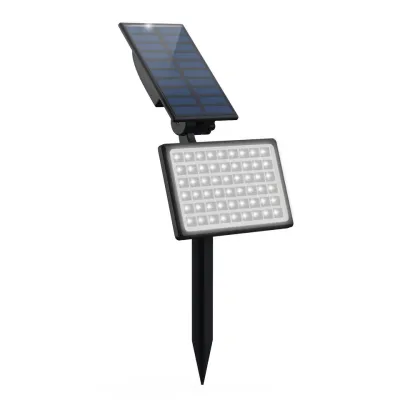
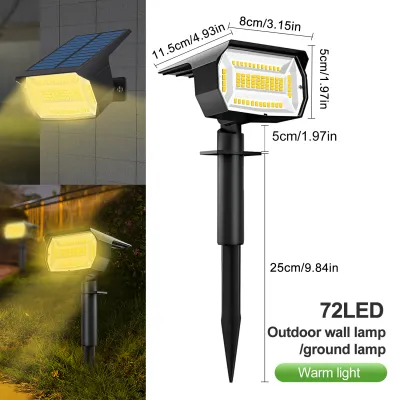
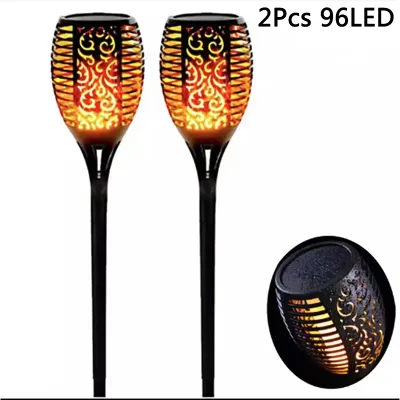
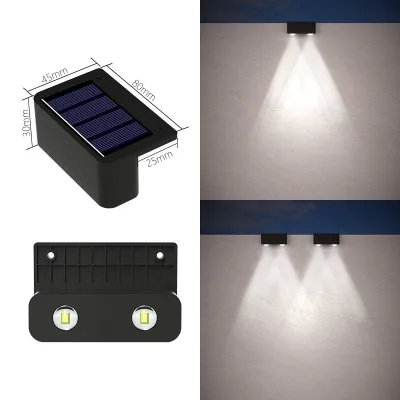
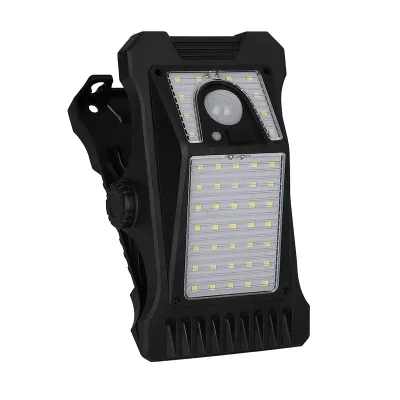
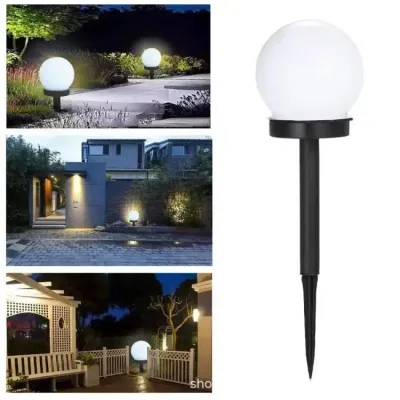
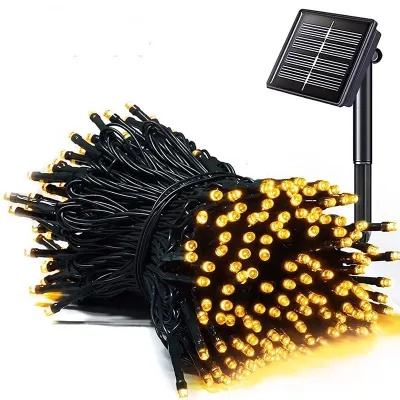
Prices are valid at publication and may change. Please refer to the product page for the latest price.
The type of solar panel integrated into the fixture determines how quickly and efficiently the battery charges. Monocrystalline silicon panels are the most efficient option, boasting conversion rates of 19% to 22%. This high efficiency is particularly important in Singapore, where cloud cover can frequently diffuse direct sunlight. Polycrystalline panels are less expensive but offer lower conversion rates of 15% to 17%, requiring a larger surface area to generate the same amount of power. Thin-film panels, while flexible, have the lowest efficiency (10% to 13%) and are generally unsuitable for compact garden fixtures that need to maximize power generation in limited space.
Finally, smart power-management features are essential for conserving stored energy throughout the night. Highly efficient brands incorporate passive infrared (PIR) motion sensors that keep the light at a low, energy-saving ambient glow (such as 10% brightness) and only boost it to 100% when motion is detected. Other smart features include automatic dusk-to-dawn photocells, programmable timers, and multi-stage dimming profiles that gradually reduce brightness as the night progresses. These features ensure that the battery’s stored energy is distributed intelligently, preventing the light from running out of power before dawn.
Climate Adaptability and Durability Checks for Singapore
Singapore’s intense tropical climate—characterized by sudden downpours, high humidity, and relentless UV exposure—demands exceptional durability from outdoor fixtures. The first line of defense against the elements is the fixture’s Ingress Protection (IP) rating. For standard garden path lights and wall-mounted fixtures, an IP65 rating is the minimum standard, certifying that the light is dust-tight and protected against water jets from any angle. For ground-level uplights, well lights, or fixtures installed in low-lying areas prone to temporary water pooling during heavy monsoonal rains, look for IP67 or IP68 ratings, which guarantee protection against temporary or continuous immersion in water.

Material selection is equally critical for long-term efficiency and structural integrity. High humidity and salt-laden air can rapidly corrode low-grade metals, while intense ultraviolet (UV) radiation degrades cheap plastics, causing them to yellow, crack, and become brittle. Premium solar garden light brands utilize UV-stabilized polycarbonate, marine-grade powder-coated aluminum, or 316 stainless steel for their housings. These materials resist UV degradation and prevent moisture from penetrating the internal electronics, ensuring that the solar panel’s protective cover remains clear and the internal circuitry remains dry and functional.
Thermal management is another vital consideration that is often overlooked. High ambient temperatures, combined with heat generated by the solar panel during charging and the LEDs during operation, can accelerate battery degradation and reduce LED efficiency. Quality brands design their fixtures with physical separation between the solar panel, the battery compartment, and the LED driver to minimize heat transfer. Look for fixtures that incorporate integrated aluminum heat sinks and passive ventilation channels, which allow heat to dissipate safely away from the sensitive battery cells and control boards without compromising the waterproof seals.
Building Your Shortlist of Reliable Brands
When compiling a shortlist of reliable solar garden light brands, it is essential to look past exaggerated marketing claims and verify the actual specifications provided in the manufacturer’s documentation. Many generic products sold on online marketplaces advertise unrealistic performance metrics, such as thousands of lumens of brightness from a tiny solar panel and a small battery. To spot these red flags, you can perform a quick feasibility check: a genuine 500-lumen light running for 8 hours requires approximately 5 to 6 watt-hours of energy. If the advertised battery capacity or solar panel size cannot realistically generate or store this amount of energy, the claims are likely fabricated.
Always cross-reference the specifications listed on the product packaging and user manuals with the manufacturer’s official technical datasheets. Reputable brands will clearly state the exact battery capacity (in milliampere-hours, mAh, or watt-hours, Wh), the solar panel wattage (W), the LED chip brand, and the operating temperature range. Additionally, look for recognized electrical safety and environmental certifications, such as CE, RoHS, or FCC marks, which indicate that the product has undergone standardized testing for safety, electromagnetic compatibility, and hazardous substance limits.
Warranty terms and the availability of local after-sales support are strong indicators of a brand’s reliability. Look for brands that offer a comprehensive warranty of at least 12 to 24 months. Having a local distributor or service center in Singapore is highly advantageous, as it ensures you can easily obtain replacement parts, such as specialized rechargeable batteries or mounting brackets, and receive prompt assistance if a fixture fails. Avoid brands that offer no warranty or require you to ship defective items back to an overseas address at your own expense, as this often negates any initial cost savings.
For homeowners considering more complex setups, such as hybrid solar-grid systems or high-mounted solar floodlights, safety boundaries must be strictly observed. While low-voltage, self-contained solar garden lights are safe for DIY installation, any system that integrates with your home’s fixed electrical wiring or requires working at height for installation should be handled by a qualified professional. Always ensure that the power is isolated at the main distribution board before attempting any electrical connections, and follow the manufacturer’s installation instructions precisely to prevent electrical hazards or voiding your warranty.
Installation and Placement for Maximum Solar Absorption
To achieve the maximum energy efficiency and runtime from your solar garden lights, proper installation and strategic placement are paramount. The most common cause of poor solar light performance is inadequate sunlight exposure. Before securing your fixtures, conduct a thorough sunlight mapping of your garden. Observe how shadows move across your outdoor space throughout the day, taking into account dense tree canopies, high-rise buildings, boundary walls, and roof awnings that can block direct sunlight. Even partial shading on a single cell of a solar panel can drastically reduce its overall charging efficiency.
Because Singapore is situated near the equator, the sun’s path remains relatively high in the sky year-round, shifting slightly north or south depending on the season. To optimize solar absorption, solar panels should be installed horizontally or with a very slight tilt of approximately 5 to 15 degrees facing north or south. This slight angle is not only optimal for capturing equatorial sunlight but is also crucial for self-cleaning. A tilted panel allows heavy tropical rainwater to run off freely, washing away accumulated dust, pollen, and debris that would otherwise pool on a flat surface and block sunlight.
Regular maintenance is essential to keep your solar panels operating at peak efficiency. Over time, a fine film of dust, atmospheric pollution, and bird droppings can accumulate on the panel’s surface, acting as a barrier to sunlight. Establish a routine cleaning schedule, wiping the solar panels with a soft, damp microfiber cloth every few weeks. Avoid using abrasive scrubbing pads, steel wool, or harsh chemical detergents, as these can scratch or degrade the protective tempered glass or polymer coating, permanently reducing the panel’s light transmission and charging capability.
Frequently Asked Questions (FAQ)
Do solar garden lights perform reliably during the monsoon season?
Yes, high-quality solar garden lights can perform reliably during Singapore’s monsoon seasons, provided they are selected and configured correctly. During periods of prolonged overcast skies and heavy rain, the amount of direct sunlight is significantly reduced, causing a solar panel’s energy output to drop by 50% to 80%. To mitigate this, choose brands that feature high-efficiency monocrystalline panels, which are better at converting diffuse light into electricity. Additionally, utilizing smart power-saving modes—such as motion-activated lighting or low-level ambient dimming—helps conserve the battery’s stored energy, ensuring the light remains functional even after consecutive cloudy days.
How long do solar garden light batteries typically last in tropical climates?
In Singapore’s consistently warm and humid climate, the rechargeable batteries in solar garden lights typically last between 1.5 to 3 years before requiring replacement. High ambient temperatures accelerate the chemical degradation inside the battery cells, gradually reducing their capacity to hold a charge. You will know the battery is reaching the end of its lifespan when the light’s nightly runtime decreases significantly, even after a full day of bright, uninterrupted sunlight. To maximize the lifespan of your fixtures and reduce waste, prioritize brands that design their lights with user-replaceable battery compartments, allowing you to easily swap out the old cells for fresh ones.

Community discussion
Share your experience or ask a question. Comments are reviewed before publication.