
Finding the right table lamp for studying requires looking beyond aesthetic appeal to evaluate how different brands perform in key functional areas. To make an informed decision, you must compare three primary dimensions: optical performance, physical adjustability, and electrical safety.
The ideal study lamp is not a one-size-fits-all product. The right choice depends heavily on your specific desk setup, study habits, and whether you work primarily with physical books or digital screens.
To begin your evaluation, gather the official specification sheets or product packaging from the brands you are considering. Comparing these documented metrics against your daily study requirements will help you identify which model offers the best value and performance for your workspace.
Products mentioned in this guide
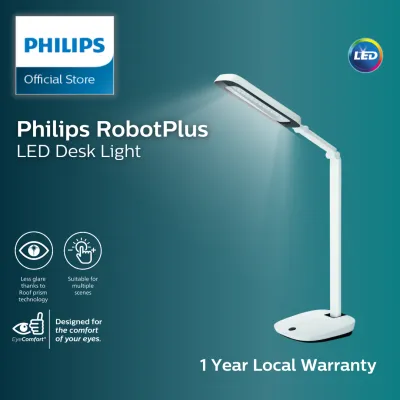
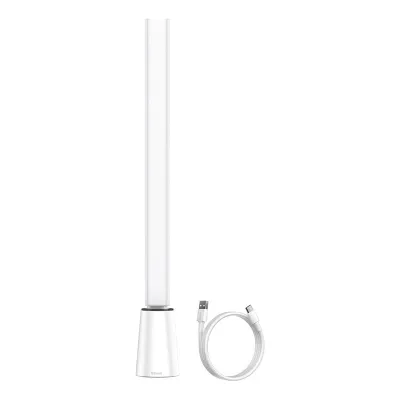
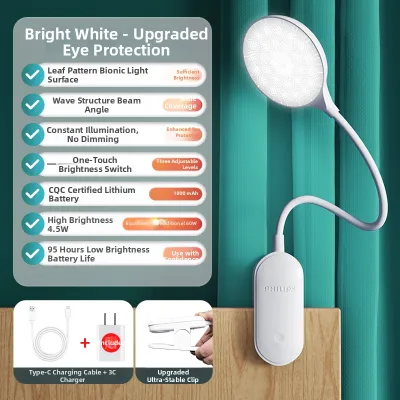
![[SG Local Stock] 2000mAh LED Table Lamp Study Foldable Desk Light Bedroom Bedside Touch Control Dimmable USB Rechargeable 台灯 CNY Gift Present](https://img.lazcdn.com/g/p/254b9aa79170e7ac80d5ab37505c1212.jpg_400x400q80.jpg_.webp)
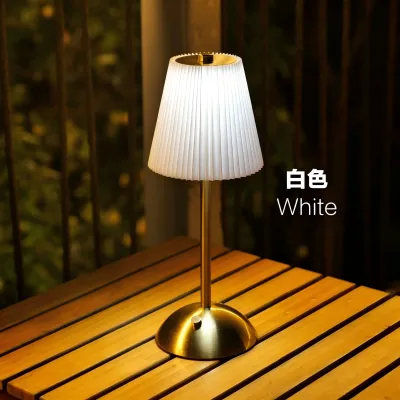
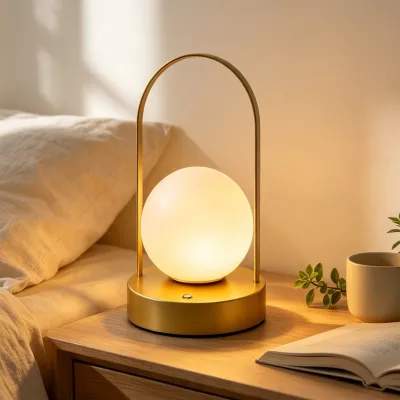
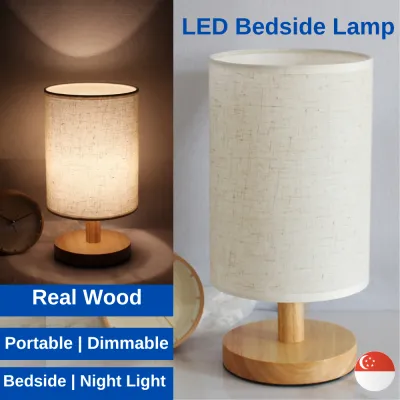
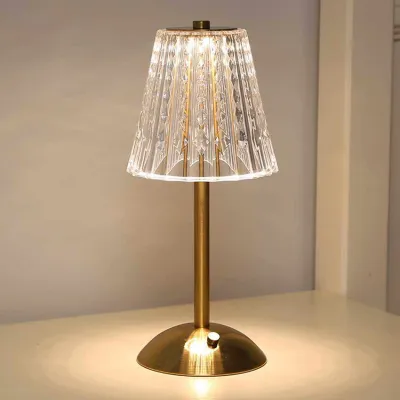
Prices are valid at publication and may change. Please refer to the product page for the latest price.
Essential Lighting Specs to Compare Across Brands
When evaluating different table lamp brands, the quality of the light produced should be your primary concern. Poor lighting can lead to eye strain, fatigue, and difficulty focusing during long study sessions.
Illuminance and Uniformity
Illuminance refers to the amount of light that falls on your desk surface, measured in lux. When comparing brands, look for those that specify their lux levels at a set distance, typically 30 to 40 centimetres below the lamp head. A high-quality study lamp should deliver between 500 and 1,000 lux on the central working area.
Uniformity is equally critical. It measures how evenly the light spreads across your desk. Brands that use advanced optical diffusers or multi-angle LED arrays tend to offer better uniformity, preventing harsh contrasts between bright spots and dark shadows. You can visually check this by placing a large sheet of white paper under the lamp; the light should fade gently toward the edges without creating distinct rings or dark patches.
Color Temperature Adjustability
Color temperature, measured in Kelvin (K), affects your alertness and comfort. Brands generally offer three configurations: fixed color temperature, step-adjustable settings, or continuous stepless adjustment.
- Cool White Light (4000K to 5000K): This range mimics daylight and is excellent for high-focus tasks, reading fine print, and maintaining alertness during daytime or early evening study.
- Warm White Light (2700K to 3000K): This softer, yellow-toned light is gentler on the eyes during late-night study sessions as it minimizes disruption to your natural sleep cycle.
Comparing brands based on how easily you can transition between these temperatures allows you to adapt the lamp to different times of day and study tasks.
Color Rendering Index (CRI)
The Color Rendering Index (CRI) measures how accurately a light source reveals the true colors of objects compared to natural light. It is scored on a scale up to 100, often denoted as Ra on product labels.
For studying, especially if your work involves design, art, or reading color-coded diagrams, you should prioritize brands that offer a CRI of Ra 90 or higher. Lamps with lower CRI ratings (below Ra 80) can make text look muddy and colors appear dull or distorted, which increases visual fatigue over time.
Ergonomics and Adjustability: Matching the Lamp to Your Desk
A study lamp must be physically compatible with your desk layout and your sitting posture. Comparing the structural design and articulation mechanisms of different brands will ensure the light goes exactly where you need it.

Arm and Head Articulation
Different brands employ various mechanical designs to achieve adjustability. Gooseneck arms offer flexible, continuous bending but can sometimes droop over time if the internal materials are weak. Swing-arm designs with tension springs or counterweights provide precise positioning and excellent reach across larger desks, though they require more physical clearance.
When comparing brands, inspect the joint mechanisms. High-quality brands use metal hinges with adjustable tension screws, allowing you to tighten the joints if they loosen after years of use. Avoid brands that rely entirely on friction-fit plastic joints, as these tend to wear down quickly and fail to hold their position.
Base Stability and Footprint
The base of a table lamp must support its fully extended arm without tipping over. Compare the weight and dimensions of the bases across different brands. A heavy, weighted base provides excellent stability but takes up valuable desk real estate.
If you have a compact study desk, look for brands that offer alternative mounting options. Many premium brands provide interchangeable bases, such as heavy desk bases, desk clamps that attach to the edge of the table, or wall mounts. This flexibility is particularly useful for maximizing workspace in smaller study areas.
Glare and Light Direction
Direct glare occurs when the light source shines directly into your eyes, while reflective glare bounces off glossy textbook pages or computer screens. To prevent this, the lamp head must be highly adjustable.
Look for brands that feature pivoting or rotating lamp heads. This allows you to angle the light source away from your line of sight while keeping the desk surface fully illuminated. Some brands also incorporate asymmetrical optical designs that project light forward at an angle, illuminating your workspace without casting reflections on your computer monitor.
Power, Smart Features, and Electrical Safety Checks
Beyond light quality and physical design, you must evaluate how the lamp is powered, controlled, and certified for safety.
Voltage and Plug Compatibility
Before purchasing any table lamp, verify its electrical specifications. In Singapore, the standard domestic voltage is 230V at 50Hz, and appliances typically use the three-pin Type G plug.
Ensure the brand you choose supplies a power adapter or plug that matches these local standards. If you are purchasing a lamp online from an international brand, check whether it requires an external transformer or if it supports universal voltage (100V–240V). Avoid using cheap, uncertified travel adapters for long-term study setups, as they can pose electrical hazards.
Dimming and Control Interfaces
The control interface determines how easily you can adjust the lamp’s settings during a study session. Compare the control types offered by different brands:
- Physical Buttons: These offer tactile feedback and are highly reliable, though they may limit you to preset brightness steps.
- Touch-Sensitive Panels: These allow for sleek designs and often support continuous sliding adjustments for brightness and color temperature.
- App and Smart Controls: Some brands integrate wireless connectivity, allowing you to adjust settings via a smartphone or smart home system.
Consider whether you prefer a simple, distraction-free physical switch or the advanced customization of a digital interface.
Safety Certifications
Electrical safety is paramount for any appliance that remains switched on for hours. In Singapore, look for the mandatory Safety Mark on the product’s power adapter or the lamp itself. This mark indicates that the product has been tested and certified to meet local safety standards, reducing the risk of short circuits, overheating, or electrical fires. Avoid brands that do not carry recognized safety certifications on their packaging or official documentation.
Build Quality, Warranty, and After-Sales Support
A reliable study lamp is a long-term investment. Comparing the materials, construction, and post-purchase support of different brands will help you avoid premature replacements.
Material and Joint Durability
Inspect the materials used in the lamp’s construction. Brands that utilize anodized aluminum, steel, or high-grade polycarbonate generally offer better durability and heat dissipation than those using cheap, thin plastics. Good heat dissipation is crucial for LED lamps, as excessive heat can degrade the LED chips and shorten their lifespan.
During your evaluation, check the feel of the joints and hinges. They should move smoothly without grinding or squeaking, and there should be no noticeable wobble when the lamp is fully extended.
Warranty Terms and Coverage
Warranty policies vary significantly between brands. While budget brands may offer only a basic six-month warranty, established lighting brands often provide warranties ranging from one to five years.
When comparing warranties, read the fine print to see what is covered. Ensure the warranty covers the LED driver (the internal power supply), as this is the component most likely to fail over time. Some brands may cover the physical frame but exclude electrical components or mechanical joint wear.
Replaceability of Components
Most modern study lamps feature integrated LED light sources rather than traditional screw-in bulb sockets. While integrated LEDs are highly efficient and can last for tens of thousands of hours, they generally cannot be replaced by the user if they fail.
If long-term serviceability is important to you, compare brands that offer replaceable LED modules or those that still utilize standard bulb sockets (such as E27 or GU10). This allows you to replace a failed bulb easily without discarding the entire lamp fixture, lowering your long-term cost of ownership.
Decision Framework: Which Brand Profile Fits Your Study Needs?
To finalize your choice, match the characteristics of different brand categories to your specific study environment and user profile.
High-Adjustability and Cool-Light Focus
Choose brands that prioritize precise mechanical articulation and high-lux cool-light options if your work involves detailed physical tasks. This includes drafting, sketching, reading dense textbooks, or studying for long hours where maximum alertness is required. Look for swing-arm models with high CRI ratings to ensure accurate color perception and sharp contrast.
Screen-Sync and Warm-Dimming Focus
Choose brands that offer specialized optical designs, such as monitor light bars or lamps with asymmetrical light distribution, if your study routine is heavily digital. These models are ideal if you work on laptops, desktop computers, or tablets, as they illuminate your desk space without casting glare onto your screens. Brands with automatic dimming sensors that adjust brightness based on ambient room light are also highly beneficial for late-night digital work.
Child-Friendly and Safety-First Focus
If you are purchasing a study lamp for a young child, prioritize brands that design with safety and simplicity in mind. Look for lamps with weighted, low-profile bases that are difficult to tip over, shatterproof diffusers that protect the LEDs, and simplified physical controls. Some brands also include physical lock features to prevent children from tampering with the electrical connections or brightness settings.
Frequently Asked Questions (FAQ)
Do I need a smart table lamp for studying?
For most students, a smart table lamp with app control or voice integration is a luxury rather than a necessity. Standard manual dimming and color temperature controls are perfectly adequate for creating an optimal study environment.
However, smart features can add genuine value if you benefit from automated routines. For example, some smart lamps can be programmed to gradually shift from cool to warm light as the evening progresses, helping to regulate your circadian rhythm. If you find yourself forgetting to adjust your lighting manually, or if you want to integrate the lamp into an existing smart home ecosystem, the premium for a smart model may be justified.
How do I verify if a lamp is truly anti-glare?
To verify anti-glare claims, look closely at the physical design of the lamp head. High-quality anti-glare lamps typically feature recessed light sources, honeycomb louvers, or frosted diffusers that scatter the light evenly rather than projecting it in a harsh, direct beam.
You can perform a simple visual test at home or in a showroom. Place a glossy magazine or a turned-off smartphone screen directly under the lamp. If you see a sharp, blinding reflection of the individual LED chips on the surface, the lamp lacks effective glare reduction. A truly anti-glare lamp will produce a soft, even pool of light with minimal harsh reflections, making text on glossy paper or screens much easier to read.
Community discussion
Share your experience or ask a question. Comments are reviewed before publication.