
Selecting the perfect lighting is one of the most important steps in preparing your home for the Festival of Lights. The right choice depends on finding a balance between your physical layout, power source accessibility, and matching the color and form factor of the lights to your desired festive aesthetic. Whether you want to recreate the gentle, flickering glow of traditional clay lamps or design a vibrant, modern display, understanding the technical and practical features of decorative lighting ensures your home shines beautifully and safely.
To make an informed purchase, you must evaluate where the lights will be installed, how they will be powered, and how they comply with local safety standards. This guide walks you through the essential considerations for choosing, installing, and enjoying fairy lights to elevate your festive decorations.
Assessing Your Space and Festive Vibe
Before purchasing any lighting products, map out the specific zones in your home that you plan to decorate. Indoor living rooms, semi-outdoor corridors, and private balconies each present unique physical environments that dictate the technical specifications your lights must meet. For instance, indoor areas are highly controlled and dry, allowing you to focus purely on aesthetics and cable management. In contrast, semi-outdoor spaces like balconies are exposed to wind, ambient moisture, and sudden tropical downpours, requiring a higher level of environmental protection.
Products mentioned in this guide
Prices are valid at publication and may change. Please refer to the product page for the latest price.
If you live in an apartment, such as a Housing & Development Board (HDB) flat or a condominium, decorating the entrance corridor is a popular way to share the festive joy. However, you must consider community guidelines and physical constraints. Singapore Civil Defence Force (SCDF) regulations require a minimum clear escape passage of 1.2 meters along common corridors. This means any lighting installations must be flush against your walls or door frames, and cables must not run across the floor where they could present a tripping hazard during an evacuation.
Your physical layout also determines how close your decorations will be to power outlets. If your main decoration zone is a dining table centerpiece or a Rangoli design at the foyer, running a long extension cord from the nearest wall outlet can be unsightly and dangerous. Identifying these power gaps early helps you decide whether to buy plug-in, battery-operated, or USB-powered light strands.
Finally, define the visual atmosphere you want to create. A traditional aesthetic focuses on warmth, serenity, and spiritual reflection, mimicking the soft, golden light of oil diyas. A modern aesthetic, on the other hand, embraces high-energy celebration, playful color transitions, and bold geometric shapes. Deciding on this theme beforehand prevents you from buying mismatched light strands that clash visually when illuminated together.
Choosing Light Colors and Bulb Styles for Diwali
The color temperature and physical style of your fairy lights establish the mood of your festive decorations. Choosing between warm white and multicolor options is your first major design decision. Warm white lights, typically ranging from 2700K to 3000K, emit a soft golden hue that beautifully complements traditional brass lamps, marigold garlands (torans), and clay diyas. This color temperature creates an elegant, cohesive, and tranquil glow that feels deeply traditional.

Multicolor lights, often featuring red, green, blue, and yellow LEDs, bring a dynamic and lively energy to your home. They are excellent for festive backdrops, children’s bedrooms, or outdoor balcony railings where you want to create a highly visible, celebratory statement. Many modern multicolor sets come with programmable controllers, allowing you to select static colors or choose transition patterns like fading, chasing, or twinkling. Keep in mind that rapid flashing patterns can sometimes feel visually overwhelming indoors, so look for sets that offer a slow, gentle glow setting.
Beyond color, the physical construction of the light strand changes how the light is distributed and how easily it can be styled:
- Copper wire lights: These feature micro-LEDs mounted directly onto ultra-thin, flexible copper or silver wire. Because the wire holds its shape when bent, these lights are incredibly versatile. You can wrap them tightly around small pillars, weave them seamlessly into floral garlands, or bunch them up inside glass mason jars to create portable glowing lanterns.
- Cotton string lights: These consist of small, textured cotton thread balls wrapped around individual LED bulbs. The thread acts as a natural diffuser, softening the light and eliminating harsh glare. They are ideal for creating cozy indoor corners, draping over bed headboards, or hanging along living room walls where a soft, ambient glow is desired.
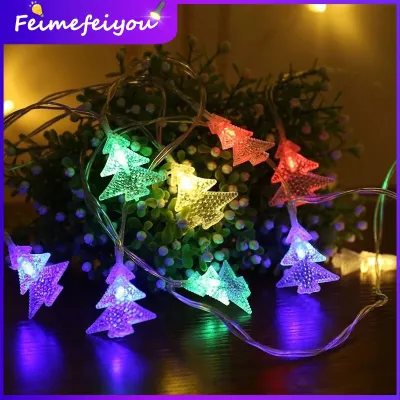
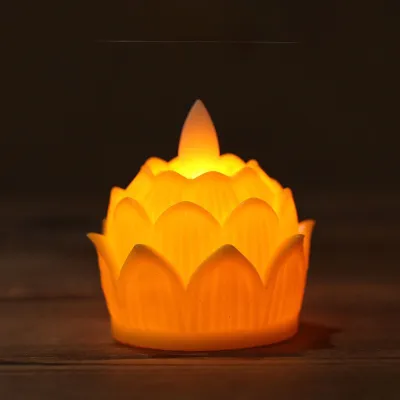
- Novelty and shaped LEDs: Designed specifically for the festive season, these lights feature decorative plastic covers shaped like traditional clay diyas, lotus flowers, or intricate star motifs. These shapes reinforce the theme of your decorations immediately. When buying shaped lights, check the weight of the strand, as larger plastic ornaments require sturdier mounting solutions than lightweight micro-LEDs.
Matching Power Sources to Your Home Layout
How you power your lights affects both the neatness of your installation and how long your display can run continuously. Plug-in fairy lights are the standard choice for large, permanent festive displays, such as framing a main living room window or wrapping a balcony railing. Because they draw power directly from your wall outlets, they provide consistent, maximum brightness without fading over time. When buying plug-in lights, always check the length of the lead wire—the distance from the plug to the first LED bulb—to ensure it can reach your outlet without requiring an unsightly extension cord.
Battery-operated fairy lights offer complete placement freedom, making them indispensable for areas without nearby power sources. They are the ideal choice for decorating dining table centerpieces, framing doorway Rangolis, or wrapping around indoor potted plants. Most battery packs use standard AA or AAA batteries. Because the five days of Diwali involve long hours of continuous illumination, standard alkaline batteries can drain quickly; using high-quality rechargeable batteries is a more sustainable and cost-effective alternative.
USB-powered lights bridge the gap between plug-in consistency and battery portability. These lights can plug directly into standard USB wall chargers, smart TV ports, or portable power banks. A USB setup is highly convenient for decorating shelving units or corridor entryways, as you can easily hide a small power bank inside a decorative pouch or behind a potted plant, eliminating the need to run cables to an indoor mains socket.
For maximum convenience, look for light sets that include built-in timers or remote controls. A timer function—typically turning the lights on for 6 hours and off for 18 hours automatically—saves you from having to manually plug, unplug, or switch on multiple decorative strands every evening. This is especially useful for battery-powered sets, as it prevents accidental battery drain if you forget to turn the lights off before going to bed.
Safety, Weatherproofing, and Electrical Standards
Because festive lighting involves electrical components running for several hours a day, safety must be your top priority. This is particularly true in Singapore’s tropical climate, where high humidity and sudden rainstorms can pose serious electrical hazards for outdoor and semi-outdoor installations.
When hanging lights on balconies or along HDB corridors, you must verify their Ingress Protection (IP) rating. Indoor-only lights typically carry an IP20 rating, meaning they have no protection against moisture and should never be used outdoors. For semi-outdoor areas that are sheltered but still exposed to humidity and wind-blown rain, look for lights rated IP44 or higher. These are designed to resist splashing water from any direction. If your lights will be fully exposed to the elements on an open terrace or garden, opt for IP65-rated weatherproof sets.
For plug-in lights and AC adapters connected directly to Singapore’s 230V, 50Hz power grid, always check for local safety certifications. Look for the Enterprise Singapore Safety Mark on the power adapter or transformer. This mark indicates that the product has been tested and certified safe for domestic use, significantly reducing the risk of short circuits, electrical shocks, or overheating. Avoid using uncertified, ultra-cheap plug-in imports from unverified online marketplaces.
Proper load management is crucial to prevent electrical fires. Never daisy-chain multiple non-linkable light strands together, as this can overload the wiring and cause the transformer to overheat. If you need a very long run of lights, purchase sets specifically labeled as “linkable” or “connectable,” and strictly adhere to the manufacturer’s specified limit on the maximum number of connected strands. Always isolate the power supply by turning off the wall switch before connecting, adjusting, or hanging any light fixtures.
Additionally, pay close attention to material safety. While modern LED bulbs run cool to the touch, low-quality wiring, cheap transformers, or faulty battery compartments can still generate heat. Ensure that no electrical components are wrapped in or covered by highly flammable materials, such as dry paper decorations, thin synthetic fabrics, or dried floral arrangements. If you are decorating a high-traffic area or a home with curious pets and young children, low-voltage LED systems (typically operating at 5V, 12V, or 24V via a step-down transformer) are much safer than mains-voltage light strands.
Damage-Free Installation and Diwali Styling Ideas
Decorating your home should not result in peeled paint, cracked plaster, or damaged woodwork. If you are renting your home or want to keep your walls pristine, damage-free mounting solutions are essential. Avoid using metal nails, tacks, or heavy-duty staples, which leave permanent holes and can accidentally pierce the protective plastic insulation of your light wires.
Instead, use removable adhesive hooks, transparent cable clips, or reusable mounting putty designed for temporary decorations. To ensure a strong, lasting hold, clean the mounting surface with isopropyl alcohol to remove dust and oils, press the adhesive hook firmly against the wall for the duration recommended by the manufacturer, and let the adhesive cure before hanging the weight of the lights. When the festival is over, pull the adhesive tab straight down slowly to remove the hooks without tearing the wall paint.
Once you have your mounting tools ready, you can creatively integrate your fairy lights with traditional Diwali decor elements:
- Illuminating Torans: Weave delicate, warm white copper wire lights directly through your traditional marigold and mango leaf torans hung above the main entrance. The tiny LEDs will highlight the rich textures of the leaves and the vibrant orange and yellow hues of the flowers, creating a stunning, warm welcome for your guests.
- Framing Sacred Spaces: Use lightweight string lights to frame your pooja (prayer) altar or mandir. Draping the lights neatly along the borders of the altar focuses attention on the central space. Ensure the lights are kept at a safe distance from open flames, incense burners, or oil-filled brass diyas.
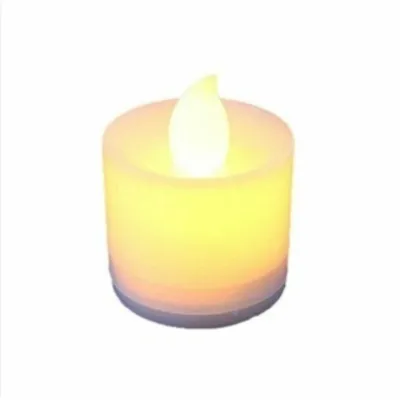
- Safe, Flameless Diyas: If you have active pets, young children, or live in a windy high-rise apartment where open flames are a safety hazard, you can create beautiful, windproof alternatives to oil lamps. Fill decorative glass bowls, mason jars, or lanterns with copper wire fairy lights and loose marigold petals. This creates a radiant, completely safe centerpiece that can be left unattended without any fire risk.
- Curtain Waterfall Effect: Hang a series of vertical copper wire curtain lights behind sheer white curtains in your living room. The fabric will diffuse the light beautifully, creating a soft, glowing backdrop that makes the entire room feel larger and more festive.
Frequently Asked Questions (FAQ)
Is it safe to leave LED fairy lights on all night during Diwali?
While high-quality LED lights emit very little heat and are designed for extended operation, it is not recommended to leave them running completely unattended overnight or when you leave the house. Unattended electrical devices always carry a minor risk of component failure, short circuits, or battery leakage. To enjoy your decorations safely, utilize built-in timer functions to automatically shut off the lights after six to eight hours, or make it a habit to unplug them before going to bed.
How do I store fairy lights after the festival to prevent tangling?
Tangled wires can easily stretch or break the delicate internal copper connections of your fairy lights, rendering them unusable for the next festive season. To store them safely, wind each light strand neatly around a sturdy piece of cardboard, an empty wrapping paper roll, or a dedicated plastic cord organizer, starting from the end opposite the plug. Secure the loose end with a cable tie or painter’s tape. Additionally, always remove all batteries from battery-operated compartments before storing them long-term to prevent battery corrosion from damaging the metallic contacts.
Community discussion
Share your experience or ask a question. Comments are reviewed before publication.