
Positioning an altar table at home requires a thoughtful balance of spiritual respect, spatial harmony, and practical safety. In feng shui, the altar serves as a sacred focal point that anchors the home’s energy, meaning its placement directly influences the peace and prosperity of your household. To achieve this harmony, you must consider the physical stability of the space, the specific directional alignment of your deities or ancestors, and the structural layout of your modern home. By understanding these core principles, you can create a respectful sanctuary that fits seamlessly into your daily life.
When planning your setup, it is helpful to approach the process systematically, starting with the physical environment before moving on to directional calculations and structural safety checks. This ensures that your altar is not only spiritually aligned but also practically integrated into your living space. Whether you are setting up a traditional shrine or integrating a modern console table into a contemporary apartment, the following guidelines will help you establish a balanced and respectful sacred space.
Establish the Foundation: Space and Environmental Rules
Before measuring specific directions or heights, you must establish a solid physical foundation for your altar table. The most critical requirement is backing the altar table against a solid, load-bearing wall. In feng shui, a solid wall represents backing, stability, and support in life, ensuring that the energy of the altar remains anchored. Avoid placing the table against hollow drywall partitions, temporary room dividers, or glass windows, as these lack the symbolic and physical strength required to support a sacred space.
Products mentioned in this guide
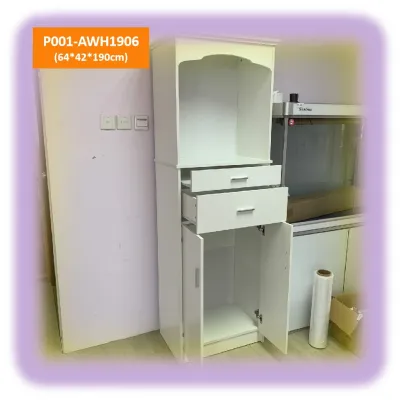
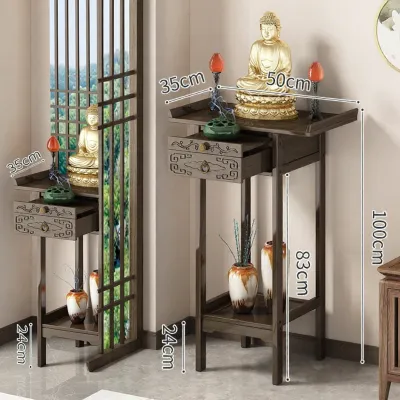
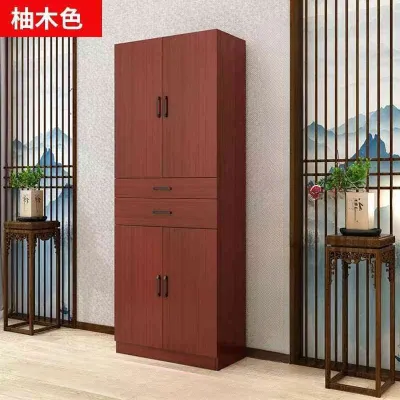
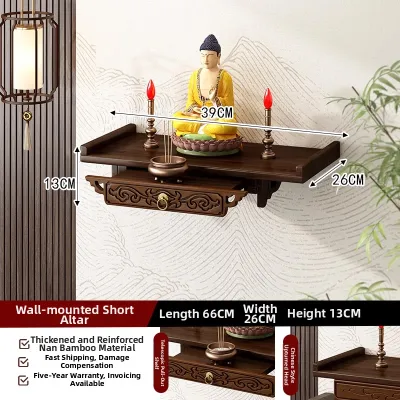
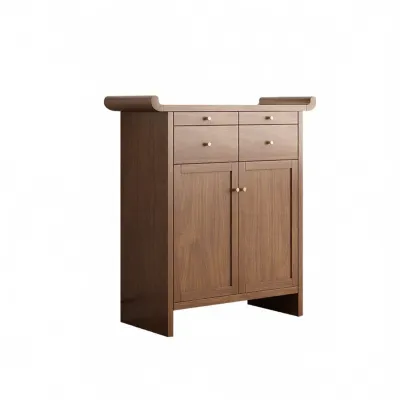
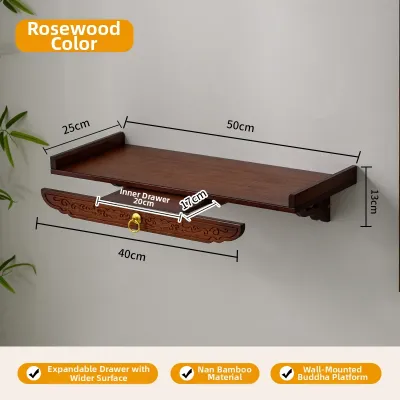
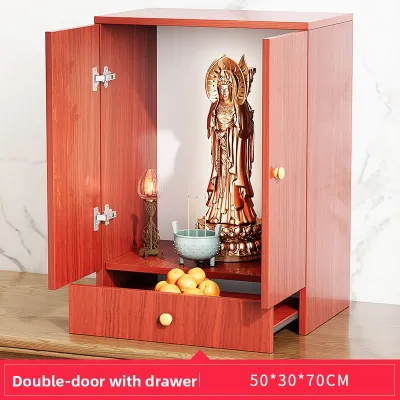
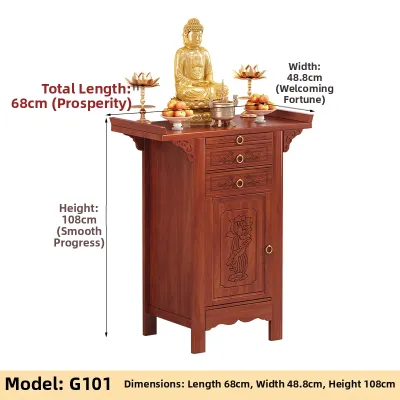
Prices are valid at publication and may change. Please refer to the product page for the latest price.
In addition to a solid backing, the surrounding environment must be quiet, clean, and well-lit. Position the altar away from heavy foot traffic, loud household appliances, and chaotic daily activities. Placing an altar near a television, washing machine, or busy corridor can disrupt the calm energy required for contemplation and worship. A serene, well-ventilated corner of a living room or a dedicated study is often the most suitable location for maintaining a peaceful atmosphere.
Finally, you must maintain clear, unobstructed space directly in front of the altar table. This open area, often referred to as the bright hall in traditional spatial planning, allows energy to gather and circulate freely. Practically, keeping this space clear ensures you have safe physical access during daily rituals, allowing you to stand, kneel, or bow comfortably without the risk of tripping over furniture or household items. A cluttered foreground restricts both physical movement and the natural flow of energy.
Determine the Correct Facing Direction for Your Deities or Ancestors
Once you have identified a stable location, the next step is determining the correct facing direction, which depends on the specific type of worship. Deity altars and ancestor altars serve different spiritual functions and therefore follow distinct placement rules. Deities, representing protective and active energies, traditionally face outward toward the main entrance or look out over the main living space to welcome positive energy and offer protection. Ancestor altars, which represent lineage and familial roots, are often positioned to face slightly inward or placed in a dedicated side position to maintain a quiet, introspective energy.

To identify the general facing direction of your proposed space, you can use a standard magnetic compass. Stand at the proposed altar location and look outward in the direction the table will face to take a reading. While general directions like facing East (associated with growth and new beginnings) or South (associated with warmth and recognition) are common, the exact auspicious degrees often depend on the birth charts of the household head or specific religious traditions. Using a compass helps you map these directions accurately within your home’s layout.
Because these directional calculations can become highly complex, involving the interaction of personal birth elements and the home’s unique layout, consulting a qualified feng shui practitioner or a respected religious elder is highly recommended when strict traditional compliance is required. They can provide personalized guidance to ensure the altar is aligned with your family’s specific energetic profile, helping you avoid negative sectors and maximize positive energy flow.
Select the Right Height and Table Dimensions
Selecting the correct height for your altar table is a critical factor that balances spiritual respect with physical ergonomics. Ideally, the main altar surface where the deities or ancestral tablets reside should sit at or slightly above your eye level when you are standing in your standard worship posture. Looking slightly upward when offering prayers fosters a sense of reverence, whereas looking down onto a low table is generally avoided in traditional practices.
While height is important for showing respect, you must also avoid excessively high tables that make daily maintenance unsafe. If you must stretch on your tiptoes or use a step stool to light incense, change water offerings, or clean the statues, you increase the risk of accidental burns, spills, or falls. The table should be at a height that allows you to reach all offering vessels comfortably with your elbows slightly bent, ensuring that daily rituals can be performed safely and mindfully.
Beyond height, you must verify the structural stability, leg strength, and weight capacity of the table. Altar setups can become surprisingly heavy, especially when they feature solid stone or ceramic statues, multi-tiered wooden shrines, large brass incense urns, and daily food offerings. Ensure the table legs are sturdy, the joints are secure, and the surface does not bow under weight. If you are using a wall-mounted shelf instead of a floor-standing table, verify that the brackets are anchored securely into wall studs using appropriate heavy-duty wall plugs to prevent structural failure.
Avoid Common Placement Mistakes and Structural Taboos
To maintain spiritual harmony and physical safety, you must identify and avoid specific locations and architectural features that disrupt the altar space. One of the most critical taboos is placing the altar table where it faces or shares a direct wall with a bathroom, kitchen, or bedroom. Bathrooms are associated with waste and moisture, which can compromise the cleanliness and spiritual purity of the altar. Kitchens generate heavy heat, grease, and cooking smoke, which can coat the altar and create conflicting energy, while bedrooms are highly private spaces unsuitable for public worship.
Additionally, ensure the altar is never positioned directly under overhead structural beams, staircases, or heavy hanging light fixtures. In structural design and feng shui, overhead beams exert a heavy downward pressure, which is believed to suppress the energy of the space below. Staircases represent constant foot traffic stepping over the sacred space, which is considered highly disrespectful. Heavy hanging light fixtures directly overhead can pose a physical safety hazard and create harsh, direct shadows that disrupt the serene atmosphere.
Finally, keep the floor space beneath and immediately around the altar completely clear of clutter, household appliances, shoes, or unrelated storage items. Storing items like vacuum cleaners, dirty laundry, or outdoor footwear near the altar shows a lack of respect and stagnates the energy of the space. Maintaining a clean, empty perimeter around the table ensures that the sacred area remains distinguished from the mundane, busy aspects of daily household storage.
Finalize the Setup: A Step-by-Step Positioning Checklist
To safely position your altar table and prepare the space for active use, follow this practical, sequential checklist:
- Clear and Inspect the Area: Thoroughly clean the designated wall and floor space. If you plan to install dedicated altar lighting, such as background LED strips or traditional red bulb lamps, verify the electrical safety of the nearby outlets. Check the voltage compatibility, bulb base interface, and maximum wattage limits of the fixtures to prevent overheating. If your setup requires fixed wiring or mounting fixtures at a height, always isolate the power at the main distribution board before beginning work, follow the manufacturer's installation instructions, and consult a qualified professional electrician to ensure compliance with local electrical safety standards.
- Position and Level the Table: Place the altar table in its designated spot against the solid wall. Use a spirit level to check both the left-to-right and front-to-back alignment. An uneven table can cause incense burners to slide, liquid offerings to spill, and statues to sit unstable. If your home has children or pets, consider securing the table to the wall studs using discrete L-brackets or safety straps to prevent accidental tipping.
- Arrange the Sacred Items: Place the statues or tablets according to traditional hierarchy, typically with the highest-ranking deity in the center or slightly elevated. Position the incense burner in front of the main deity, leaving sufficient space for offering bowls, flower vases, and oil lamps. Ensure there is a safe distance of at least 15 to 20 centimeters between any open flames (like candles or oil lamps) and flammable decorations, curtains, or wooden structures.
While warm red or soft yellow lighting is often preferred to create a serene, respectful atmosphere, these color temperatures are conditional aesthetic preferences rather than universal feng shui requirements. Choose lighting that ensures clear visibility for safe daily maintenance while complementing your home’s overall decor.
Frequently Asked Questions (FAQ)
Can I place an altar table in a multi-purpose room or living area?
Yes, placing an altar table in a multi-purpose room or living area is very common, especially in modern apartments where space is limited. To maintain a respectful boundary, you can use physical dividers such as a solid room divider, a dedicated curtain, or an elevated console table to define the sacred zone. This helps separate the quiet altar space from the active, social areas of the living room, ensuring that daily household activities do not disrupt the spiritual atmosphere.
What should I do if my home layout forces the altar to face a bathroom door?
If your home’s layout makes it unavoidable for the altar to face a bathroom door, you can use practical mitigation strategies to minimize the conflict. Place a solid, non-transparent screen divider between the altar and the bathroom door to block the direct line of sight. Keep the bathroom door strictly closed at all times, and consider angling the altar table slightly away from the direct path of the door if space permits. While these adjustments help, they are secondary to finding a more suitable location if one becomes available.
Is it necessary to use a traditional wooden altar table, or can modern consoles work?
It is not strictly necessary to use a traditional carved wooden altar table; modern console tables can work perfectly well. The spiritual intent, cleanliness, and physical safety of the setup are far more important than the specific style or material of the furniture. As long as the modern console meets the core criteria of structural stability, correct height, and respectful placement, it can serve as an excellent and harmonious foundation for your home altar.
Community discussion
Share your experience or ask a question. Comments are reviewed before publication.