
Choosing and positioning an altar wall shelf in your home is a deeply meaningful task that bridges spiritual devotion with practical interior design. In many households, particularly within the compact living spaces of Singapore’s HDB flats and condominiums, a wall-mounted altar is a highly efficient and elegant solution. However, establishing a sacred space requires careful planning. To invite positive energy, harmony, and peace into your living environment, you must balance traditional feng shui principles with structural safety and practical maintenance.
An ideal setup begins with selecting a sturdy, natural wood shelf that offers a grounding presence. This shelf must be mounted securely on a solid wall, positioned at a respectful height above eye level, and oriented to face a favorable direction—ideally toward the main entrance or an open, well-lit area. By understanding how material choices, spatial orientation, and proper installation techniques interact, you can create a harmonious sanctuary that respects spiritual traditions while maintaining a safe, functional home.
How to Choose a Sturdy and Auspicious Altar Wall Shelf
Selecting the right altar wall shelf involves looking beyond mere aesthetics to evaluate the material, dimensions, and structural integrity of the unit. In feng shui, every physical object carries its own energetic frequency, and the items supporting your spiritual practice must embody stability, respect, and durability.
Products mentioned in this guide
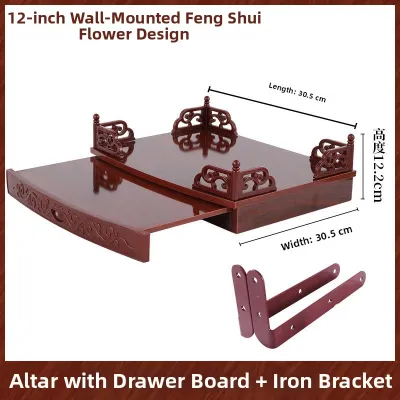
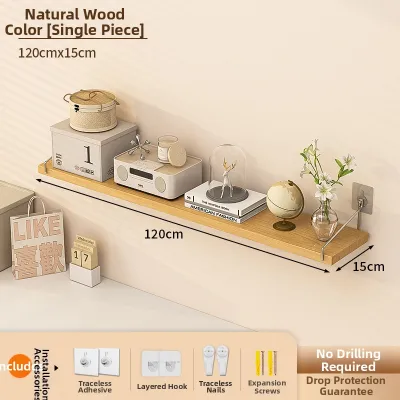
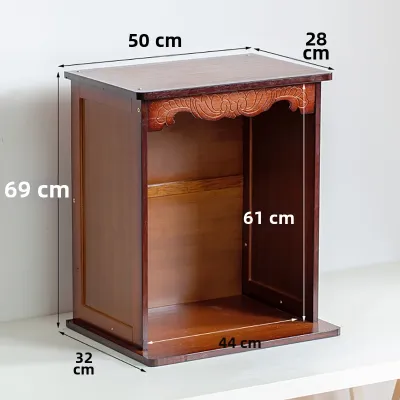
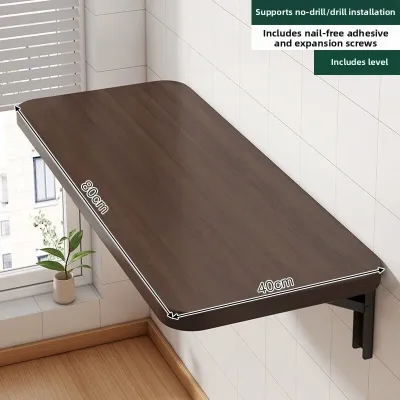
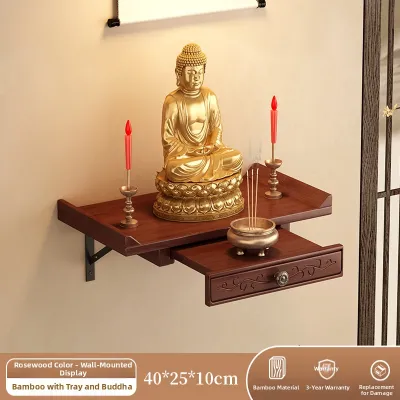
Prices are valid at publication and may change. Please refer to the product page for the latest price.
Material Selection and Energetic Grounding
Traditional feng shui practices strongly favor natural, solid materials for sacred altars. Solid wood, such as teak, oak, or walnut, is highly recommended because it represents the Wood element. This element is associated with growth, vitality, flexibility, and organic energy, providing a warm and nurturing foundation for spiritual devotion. In contrast, synthetic materials like cheap plastics or composite boards lack this grounding energy and can warp easily under the heat of candles or incense. Glass shelves should also be avoided; glass represents the Water element, which can introduce a sense of fragility, coldness, and instability, making it unsuitable for supporting heavy, sacred objects.
Size, Proportion, and Spatial Balance
Before purchasing an altar wall shelf, you must carefully measure your available wall space to ensure the setup looks balanced and proportional. In feng shui, a cramped or overcrowded altar symbolizes restricted opportunities and stagnant energy. The shelf must be wide and deep enough to comfortably accommodate your deity statue or ancestral tablet, along with essential ritual items like an incense burner, water cups, and daily offerings. Ensure there is sufficient clearance around each object so the arrangement does not feel compressed. Many traditional practitioners reference the Lu Ban ruler—a specialized feng shui measuring tool—to select dimensions associated with prosperity and protection, but maintaining visual balance and physical breathing room remains the most practical rule.
Load-Bearing Capacity and Structural Respect
A physically unstable or sagging shelf is a major feng shui taboo, as it symbolizes falling fortunes and a lack of respect for the deities or ancestors. Therefore, checking the manufacturer’s specified weight limit is a critical step. When calculating the total weight, do not just consider the deity statue itself; you must also account for the heavy ceramic or brass incense urn filled with ash, metal offering bowls, and any decorative elements. Choose a shelf with robust, integrated support brackets that can easily handle the maximum anticipated load with a generous safety margin.
Setting the Correct Height and Facing Direction
Once you have selected an appropriate shelf, the next step is determining its exact placement within your home. The height and direction of the altar dictate how energy, or Qi, flows through your living space and how the spiritual presence is integrated into your daily life.

Determining the Favorable Facing Direction
The primary goal when orienting an altar wall shelf is to face it toward an open, bright, and active area of the home. Ideally, the altar should face the main entrance or look out toward a window with a pleasant, unobstructed view. This positioning allows the deity to welcome positive energy (Sheng Qi) entering the household and offer protection to the occupants.
Conversely, you must avoid facing the altar directly toward negative, private, or highly chaotic zones. Never position the shelf so that it faces a bathroom door, as the bathroom is associated with waste and draining energy. You should also avoid facing it directly toward a busy kitchen stove, which represents excessive, volatile Fire energy, or toward a cluttered storeroom, which harbors stagnant energy.
Establishing a Respectful Height
The height at which you mount the altar wall shelf is a direct reflection of respect. Traditional guidelines dictate that the deity statue or ancestral tablet must be positioned above eye level when you are standing. At a minimum, the shelf should be installed at chest height. Looking down on a sacred figure is considered highly disrespectful and disrupts the spiritual hierarchy of the home.
However, this rule of respect must be balanced with practical household maintenance. The shelf should not be mounted so high that daily tasks—such as lighting incense, changing water offerings, or wiping away dust—become unsafe or require climbing onto unstable chairs or tall ladders. Aim for a height where you can comfortably reach the shelf surface with your arms slightly raised, ensuring you can perform your daily rituals safely and mindfully.
Evaluating the Wall and Installing the Shelf Safely
The physical installation of an altar wall shelf requires a careful blend of feng shui rules regarding structural backing and practical, safe mounting techniques. This is particularly important in modern apartments where wall compositions can vary significantly.
The "Solid Wall" Rule in Feng Shui
In feng shui, an altar requires a strong, stable backing, often referred to as a “backing mountain.” This support symbolizes stability in your career, relationships, and overall household well-being. Therefore, you must mount the altar shelf on a solid, permanent wall.
Avoid placing the altar on thin gypsum board partition walls, temporary room dividers, or glass partitions, as these lack the necessary structural and symbolic strength. Furthermore, never mount the shelf on a wall that has a window directly behind it, or on a wall shared directly with a bathroom, kitchen, or utility room. A wall shared with a bathroom exposes the altar to flushing water and waste energy, while a wall shared with a kitchen stove exposes it to excessive heat and cooking grease.
Step-by-Step Safe Installation Guide
To ensure your altar wall shelf is mounted securely and safely, follow these essential installation steps:
- Wall Identification and Scanning: Determine whether your wall is made of concrete, brick, or drywall. In Singapore, most structural walls are solid concrete, while internal partition walls may be drywall. Before drilling, use a high-quality electronic stud finder with wire-detection capabilities to scan the area. This helps you avoid drilling into hidden electrical conduits, internet cables, or water pipes.
- Selecting the Right Hardware: Never rely on light-duty picture hangers, adhesive strips, or foam tapes to support an altar shelf. For concrete or brick walls, use heavy-duty masonry wall plugs (such as nylon plugs or metal sleeve anchors) paired with high-tensile screws. For drywall, you must locate the wooden or metal studs and screw the brackets directly into them; if a stud is unavailable, use heavy-duty toggle bolts designed specifically for hollow walls.
- Achieving Perfect Leveling: Always use a spirit level when marking your drill holes and mounting the shelf. A perfectly horizontal shelf represents balance, fairness, and structural harmony. A tilted shelf not only risks causing items to slide off but also symbolizes unstable fortunes and uneven energy distribution within the household.
Professional Safety Boundary
Always refer to the manufacturer’s installation instructions for both the shelf and the mounting hardware before beginning. If you are unfamiliar with operating a hammer drill, unsure of your wall’s internal composition, or dealing with an exceptionally heavy solid-stone deity statue, do not attempt a DIY installation. Stop and hire a qualified professional handyman or licensed contractor. Securing professional help ensures the safety of your household and prevents costly damage to your walls and sacred items.
Common Placement Mistakes and Feng Shui Taboos to Avoid
Creating a harmonious spiritual space also means identifying and eliminating environmental factors that can disrupt peaceful energy. Avoid these common placement mistakes to keep your altar space serene:
- Positioning Under Overhead Beams: Avoid mounting the altar wall shelf directly underneath an exposed structural ceiling beam. In feng shui, structural beams channel heavy, downward-pressing energy (Sha Qi). Placing an altar here symbolically oppresses the deities or ancestors, which can manifest as psychological stress, headaches, or a feeling of constant pressure among family members.
- Proximity to Noisy Electronics: Keep the altar away from high-vibration appliances and entertainment systems. Do not place the shelf directly above or adjacent to televisions, large audio speakers, washing machines, or refrigerators. The constant electromagnetic interference and physical vibrations clash with the quiet, meditative atmosphere required for a sacred space.
- High-Traffic Pathways and Clutter: Do not install the shelf in narrow, busy corridors where people frequently walk past and might accidentally bump into it. Additionally, never position the altar directly above a shoe rack, a trash bin, or a laundry basket. These areas accumulate unclean, low-vibrational energy that compromises the sanctity of your altar.
Frequently Asked Questions (FAQ)
How can I set up an altar wall shelf in a small studio or shared bedroom?
Placing an altar in a bedroom is generally discouraged because the personal, intimate energy of a sleeping area conflicts with the sacred, public energy of an altar. If a compact studio layout leaves you with no other choice, you must establish a clear physical boundary. Use a folding screen, a high-quality fabric curtain, or choose an altar cabinet with doors that can be closed. Draw the curtain or close the cabinet doors when you are sleeping or resting to maintain a respectful, energetic separation between your personal life and your spiritual practice.
What if the only available solid wall is shared with a bathroom?
If structural limitations force you to use a wall shared with a bathroom, you can mitigate the negative impact with a few careful adjustments. Ensure the altar shelf is not positioned on the exact opposite side of the wall from the toilet bowl, shower head, or main water pipes. Keep the bathroom door closed and the exhaust fan running to minimize humidity and odors. To create a symbolic energetic buffer, you can mount a thick wooden backing board or a decorative panel behind the altar shelf, which helps isolate the sacred space from the damp wall.
Community discussion
Share your experience or ask a question. Comments are reviewed before publication.