
The best place to position a Buddha light on a home altar is symmetrically flanking the main Buddha statue—with one light on the left and one on the right. They should be positioned slightly forward of the statue, forming an illuminating frame, while remaining lower than the height of the deity itself. This balanced arrangement ensures a harmonious flow of energy, respects spiritual hierarchy, and avoids blocking the sacred face of the statue.
The Feng Shui Significance of a Buddha Light
In traditional Feng Shui and Buddhist practice, light is far more than a practical tool for visibility; it is a profound symbol of spiritual awakening. The illumination from a Buddha light represents the light of wisdom (Prajna) piercing through the darkness of ignorance (Avidya). By lighting the altar, you symbolically clear away mental clutter, confusion, and negative energy, paving the way for clarity and mindfulness within the household.
From an energetic standpoint, light is a powerful activator of Sheng Qi (positive, life-giving energy). A dark, neglected altar can cause the energy in a home to become stagnant or overly Yin. Introducing a steady, warm source of light balances the environment, infusing the space with vibrant Yang energy. This energetic activation invites peace, harmony, and prosperity into the living space, creating a sanctuary of calm.
Products mentioned in this guide
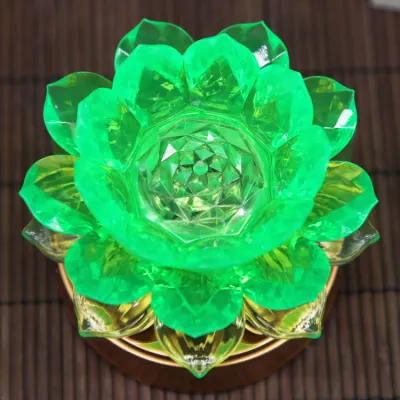
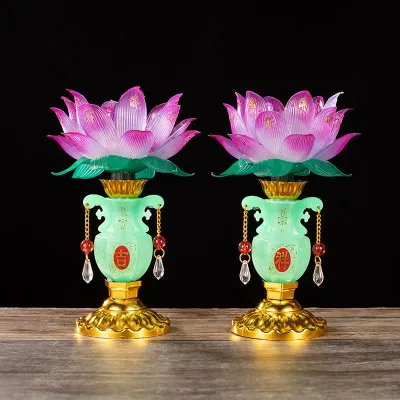
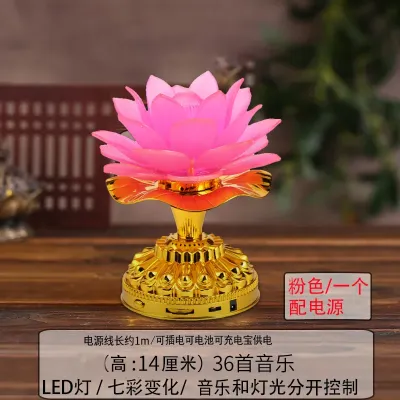
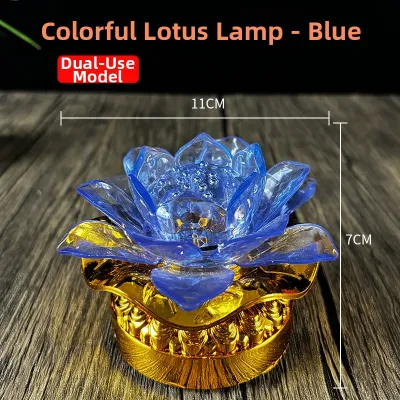
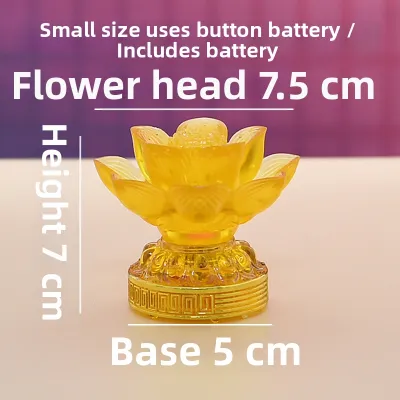
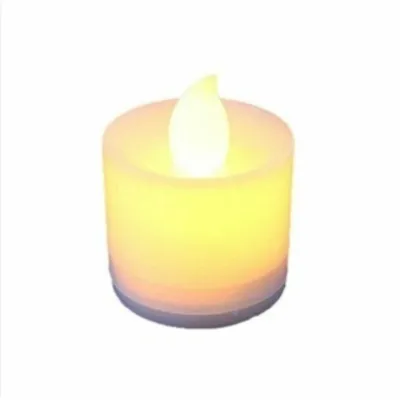
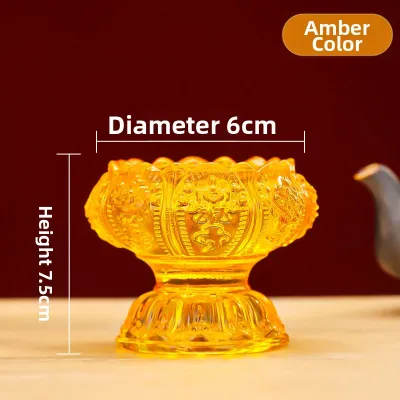
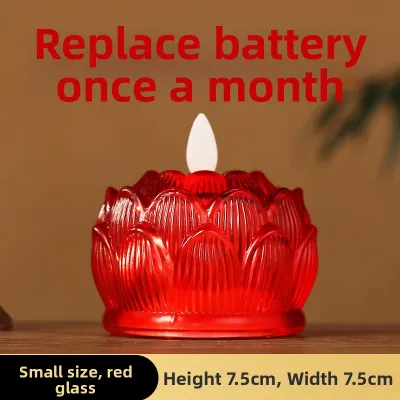
Prices are valid at publication and may change. Please refer to the product page for the latest price.
Showing reverence to the deity is central to the practice of maintaining a home altar. The act of offering light is a daily reminder of devotion and respect. While modern aesthetic choices vary from traditional solid brass oil lamps to contemporary LED lotus designs, the underlying principles of respect, cleanliness, and spatial harmony remain constant. The light must be treated as a sacred offering, placed with deliberate care rather than as an afterthought.
Preparing Your Altar Space for Proper Placement
Before positioning your Buddha light, you must establish a stable, clean, and dedicated foundation for the entire altar. In Singapore’s high-rise apartments, such as HDB flats and condominiums, space is often at a premium. Homeowners frequently utilize compact altar cabinets or wall-mounted floating shelves. Regardless of the design, the surface must be entirely level, structurally sound, and free from any wobble to prevent accidental tipping of sacred objects.

If you plan to use traditional brass oil lamps or heavy glass lotus lamps, you must verify the structural load-bearing capacity of your altar. Solid metal and thick glass fixtures add significant weight, especially when filled with oil. For wall-mounted altars, ensure that the shelf is anchored securely into concrete walls with appropriate heavy-duty wall plugs rather than simple drywall screws. A collapsing altar is not only a physical hazard but is also considered highly inauspicious in Feng Shui.
A clear, uncluttered space is essential for allowing energy to circulate freely around the statue and the light. Clutter acts as a physical and energetic barrier, trapping stagnant Qi. Keep the altar surface dedicated solely to sacred items, such as the Buddha statue, incense burner, water cups, and lights. Avoid placing everyday household items, mail, or keys on or directly beneath the altar cabinet.
Modern Buddha lights are predominantly electric, requiring a reliable and safe power source. Before setting up your lights, locate the nearest electrical outlet. Avoid running long, unsightly extension cords across high-traffic walkways, which creates a physical tripping hazard and introduces chaotic energy. Ensure the outlet can safely handle the voltage and wattage of your lighting fixtures without overloading the circuit.
How to Position the Buddha Light on the Altar
Spatial Arrangement and Symmetry
Symmetry is a foundational principle of traditional altar setup and classical Feng Shui. The most auspicious and respectful arrangement involves placing a pair of identical Buddha lights flanking the main statue—one on the left and one on the right. This dual arrangement represents the perfect balance of Yin and Yang, as well as the union of compassion and wisdom.
When positioning the lights, they should be placed slightly forward of the Buddha statue, creating a gentle, illuminating frame. However, you must ensure that the lights never block the statue itself, particularly the face or hands of the deity. The Buddha must remain the unobstructed focal point of the entire altar. Placing a light directly in front of the statue’s face is considered disrespectful and disrupts the visual and energetic harmony of the space.
A clear hierarchy of offerings must be maintained on the altar surface. The Buddha statue occupies the highest and most central position. Directly in front of the statue sits the incense burner, aligned perfectly with the center of the deity. The pair of Buddha lights are then placed symmetrically on the outer left and right sides, slightly behind the line of the incense burner but forward of the statue. Other offerings, such as water cups, fresh flowers, and fruit plates, are arranged neatly in the front row, completing a balanced, tiered structure.
Height and Proportion Guidelines
A strict rule of Feng Shui altar etiquette dictates that the Buddha light must never stand taller than the Buddha statue itself. When an offering or accessory is taller than the deity, it symbolically overshadows the divine presence, which is viewed as a sign of disrespect and a disruption of spiritual hierarchy. The top of the Buddha’s head should always remain the highest point on the altar.
Proportion is equally critical when selecting your lighting fixtures. The scale of the Buddha lights must harmonize with the size of the altar and the main statue. Installing oversized, bulky lotus lamps on a compact wall-mounted shelf overwhelms the space, making the setup look crowded and visually aggressive. Conversely, tiny, dim lights placed next to a large, majestic statue will look disproportionate and fail to provide the dignified illumination the deity deserves.
If you find that your preferred Buddha lights are slightly too tall for your current statue, do not place the lights on a lower shelf or artificial pedestals. Instead, elevate the Buddha statue itself. You can place the deity on a dedicated wooden pedestal, riser, or lotus throne. This simple adjustment restores the correct spatial hierarchy, ensuring the Buddha remains elevated above all surrounding offerings and lights.
Choosing the Right Direction and Facing
The orientation of your home altar plays a vital role in determining how energy enters and flows through your living space. In classical Feng Shui, the ideal placement for an altar is facing the main entrance of the home. This strategic positioning allows the protective, peaceful energy of the Buddha to greet incoming Qi directly, neutralizing any negative or chaotic forces before they can penetrate deeper into the household.
If facing the main entrance is not feasible due to your home’s layout, the altar should look out toward a bright, open space, such as a living room window or a spacious common area. This allows the spiritual energy to expand naturally throughout the home. The Buddha light serves as a vital beacon in this setup. By illuminating the “facing” direction of the altar, the light projects warm, positive Sheng Qi outward, dispelling shadows and creating an inviting atmosphere.
While advanced Feng Shui practices may calculate highly specific auspicious directions based on the homeowner’s personal Kua number or the home’s annual Flying Star chart, general principles of brightness, respect, and cleanliness apply universally. You do not need a complex astrological reading to benefit from a well-placed altar. Prioritizing a clean, bright, and unobstructed view in front of the deity is the most reliable way to foster a peaceful and prosperous home environment.
Feng Shui Taboos and Placements to Avoid
To prevent the generation of negative energy, known as Sha Qi, there are several strict prohibitions regarding altar and light placement. Never place the altar directly facing a bathroom door, a bedroom door, or a kitchen stove. Bathrooms are associated with waste and flushing energy, bedrooms are private spaces of intimacy, and kitchen stoves represent volatile fire energy. Facing any of these areas compromises the purity and respect required for a sacred altar.
Avoid positioning the altar or the Buddha lights directly beneath an overhead structural beam. In Feng Shui, structural beams act as heavy, oppressive elements that compress the energy beneath them. Placing a sacred altar under a beam can create a subconscious feeling of pressure, stress, and stagnation for the residents of the home. If your home layout forces you to place the altar near a beam, ensure the altar is shifted entirely out from under its vertical path.
Never place the altar or the lights directly on the floor or in high-traffic, narrow corridors. The floor is associated with dirt and foot traffic, making it highly disrespectful for sacred objects. High-traffic areas increase the risk of the altar being bumped, damaged, or stepped over, which disrupts the peaceful energy required for meditation and prayer.
A flickering, unstable, or neglected light is a major Feng Shui taboo. A light that flickers uncontrollably due to a loose bulb, damaged wiring, or low oil symbolizes unstable energy, sudden disruptions, and a lack of mindfulness in the home. If a light goes out unexpectedly due to negligence, it represents a sudden dimming of wisdom and clarity. It is vital to maintain a steady, reliable glow to ensure the continuous flow of positive energy.
Electrical Safety and Daily Maintenance
Cable Management
In modern homes, the convenience of electric and LED Buddha lights comes with the challenge of managing cords. Tangled, messy wires trailing behind or around the altar are highly discouraged in Feng Shui. These messy cords are viewed as “poison arrows” or tangled energy (Sha Qi) that can cause mental confusion and disharmony among family members. From a practical standpoint, loose wires also present a severe tripping hazard. Use discrete cable clips, cable sleeves, or plastic trunking to route electrical cords neatly behind the altar cabinet, keeping them completely out of sight.
Fire Safety
If you prefer traditional oil lamps or wax candles, fire safety must be your absolute priority. Keep open flames far away from flammable materials, such as window curtains, hanging decorative scrolls, or artificial flowers. Never leave an open flame burning unattended. For modern apartments, high-quality, certified LED alternatives are highly recommended. In Singapore, always verify that your electric Buddha lights carry the Enterprise Singapore “SAFETY Mark” certification. This ensures the fixture is rated for local voltage standards (230V, 50Hz) and has undergone rigorous safety testing to prevent electrical fires.
Cleaning Routine
Accumulated dust and grime on your Buddha lights will dim their physical brightness and lead to stagnant, dull energy on the altar. Establish a regular, mindful cleaning routine to keep the fixtures pristine. Before cleaning any electric fixture, always isolate the power supply by switching off the wall outlet and unplugging the cord. Use a dry, soft microfiber cloth to gently wipe away dust. Never spray water or liquid cleaners directly onto electrical components, and avoid using harsh chemical solvents on brass or gold-plated surfaces, as they can cause tarnishing.
Stop Conditions
To maintain a safe and auspicious home, you must immediately discontinue the use of any lighting fixture that shows signs of wear or malfunction. If you observe frayed electrical cords, cracked glass covers, overheating plug adapters, or persistent flickering, switch off the power supply immediately at the wall outlet. Do not attempt to patch damaged wires with electrical tape. Replace the damaged light fixture entirely or consult a qualified professional electrician to inspect the wiring, ensuring your home remains safe and spiritually protected.
Frequently Asked Questions (FAQ)
Can I use LED Buddha lights instead of traditional oil lamps?
Yes, LED Buddha lights are widely accepted and highly recommended for modern homes. They offer a clean, smoke-free, and fire-safe alternative to traditional oil lamps, making them ideal for high-rise apartments. When choosing LED lights, opt for models that emit a warm, golden, or soft amber glow to maintain a respectful and peaceful atmosphere on your altar.
What should I do if my Buddha light breaks or burns out?
If a bulb burns out, replace it promptly to ensure the altar remains illuminated and the flow of positive energy is uninterrupted. If the lighting fixture itself breaks or becomes damaged beyond repair, handle it with respect. Avoid throwing sacred items directly into the general household waste. Instead, wrap the broken fixture neatly in clean red or yellow paper before discarding it, which shows proper closure and respect for its sacred service.
Should the Buddha light be left on 24/7?
While keeping the light on continuously symbolizes unending wisdom and constant protection, safety should always come first. If you wish to maintain 24/7 illumination, use low-wattage, certified LED lights that are specifically designed for continuous operation without overheating. If you plan to leave your home vacant for an extended period, such as during a vacation, it is safest to switch off and unplug the lights to prevent any electrical hazards.
Community discussion
Share your experience or ask a question. Comments are reviewed before publication.