
Selecting the right feng shui items for your home entrance involves balancing traditional symbolic practices with the practical layout of your living space. The main entrance serves as the primary threshold where energy enters the household, making it the most critical area for establishing harmony, protection, and prosperity. To attract positive energy effectively, homeowners often look to classic cultural symbols, natural elements, and strategic lighting. The ideal choice depends on your specific goals—whether you need to shield your home from external architectural disruptions, invite financial abundance, or simply create a welcoming, balanced transition from the outside world. By understanding how different materials, symbols, and placements interact with your entryway, you can make informed decisions that respect both cultural heritage and modern spatial safety.
Understanding Entrance Feng Shui Principles
In traditional spatial arrangement, the main entrance is considered the primary gateway through which ambient energy flows into a home. This threshold acts as a filter, determining the quality and quantity of energy that circulates throughout the living spaces. A well-organized, intentionally decorated entrance helps to gather beneficial energy while preventing disruptive forces from crossing the threshold. When selecting items for this area, it is essential to distinguish between their traditional purposes. Some items are designed specifically to attract wealth and opportunities, others serve as protective shields against negative external influences, and some work to harmonize the existing ambient energy of the immediate surroundings.
The choice of entrance decor is rarely a one-size-fits-all decision. External architectural factors play a significant role in determining what type of item is most appropriate for your doorway. For instance, if your main door directly faces a long corridor, a staircase, or an elevator, the rapid movement of people and mechanical parts can create turbulent or fast-moving energy. In such cases, the primary focus shifts from attracting wealth to stabilizing and redirecting energy. Conversely, a quiet, recessed entrance may require active elements, such as bright lighting or vibrant natural features, to draw stagnant energy inward. Understanding these spatial dynamics ensures that your chosen decor serves a clear, functional purpose rather than acting as mere ornamentation.
Products mentioned in this guide
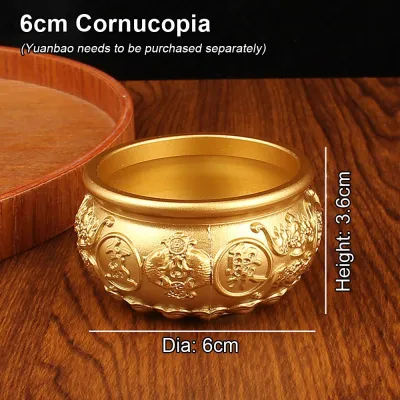
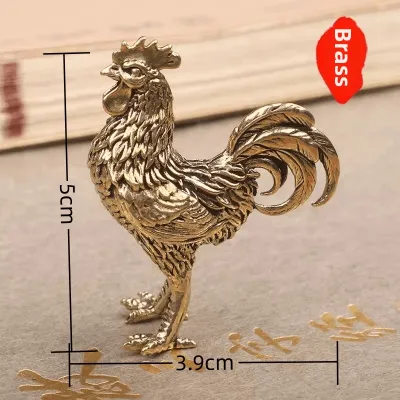
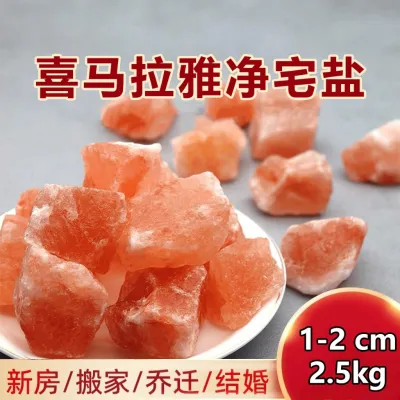
Prices are valid at publication and may change. Please refer to the product page for the latest price.
Key Criteria for Selecting Entrance Feng Shui Items
Before purchasing any cultural artifacts or decorative pieces, you must evaluate their physical characteristics and suitability for an entryway environment. Material durability and weather resistance are paramount, especially for items placed in semi-outdoor areas, sheltered corridors, or high-traffic thresholds. Entryways are naturally exposed to fluctuating humidity, dust, and occasional wind-driven rain. Selecting robust materials like high-quality brass, treated stone, glazed ceramics, or weather-resistant wood ensures that your items do not degrade, rust, or lose their visual appeal over time. Faded or damaged decor is traditionally viewed as counterproductive to maintaining positive energy.

Proportional sizing is another critical factor that directly impacts both spatial harmony and physical safety. An oversized statue or an excessively large planter can obstruct the physical pathway, restrict the door’s swing, or block vital escape routes during an emergency. In high-density residential settings, maintaining clear pathways is not just a design preference but a regulatory necessity. Ensure that any item you select leaves ample clearance for residents and visitors to move freely without tripping or squeezing past.
For any illuminated decor, water features, or electronic lighting fixtures used at the entrance, verifying electrical safety certifications is non-negotiable. In Singapore, electrical items should carry the appropriate safety marks to ensure they comply with local voltage standards (typically 230V, 50Hz) and have undergone rigorous testing for fire and shock hazards. If you plan to install outdoor lighting or water fountains, verify that the products are rated for damp or wet environments to prevent short circuits.
Finally, it is beneficial to evaluate the cultural authenticity and symbolic meaning of your decor versus purely aesthetic pieces. While modern interpretations offer sleek designs, understanding the traditional context of a symbol helps you place it with greater intent. Choose items that resonate with your personal aesthetic preferences while respecting the historical guidelines of the practice, ensuring a cohesive look that feels both meaningful and visually integrated into your home’s overall design.
Recommended Categories of Feng Shui Items for the Main Door
To simplify the selection process, entrance decor can be organized into distinct categories, each addressing specific spatial or energetic needs at the threshold. Matching the item’s category to your primary household goal—whether that is securing the boundary against external disruptions or inviting prosperity—ensures a purposeful arrangement.
Protective Symbols and Mirrors
Protective symbols and mirrors are traditionally employed to deflect negative influences and secure the household boundary from external visual or structural disruptions. The bagua mirror is one of the most recognizable items in this category. Convex mirrors are used to deflect and disperse harsh energy coming from sharp architectural angles, T-junctions, or neighboring structures, while concave mirrors are traditionally used to absorb and neutralize incoming energy. These mirrors must always be placed on the exterior of the home, facing outward, and should never be positioned inside the living space where they might disrupt the internal flow of energy.
Guardian figures, such as traditional stone lions or protective mythical beasts, serve as symbolic sentinels at the threshold. When placing these figures, spatial requirements must be carefully managed to avoid blocking the actual walkway. They are typically positioned in pairs, flanking the entrance, facing outward to guard the home. Protective items are highly preferred over wealth-attracting ones when the entrance faces direct structural conflicts, such as a sharp wall corner or an oncoming hallway, where stabilizing the threshold is the immediate priority.
Wealth and Prosperity Attractors
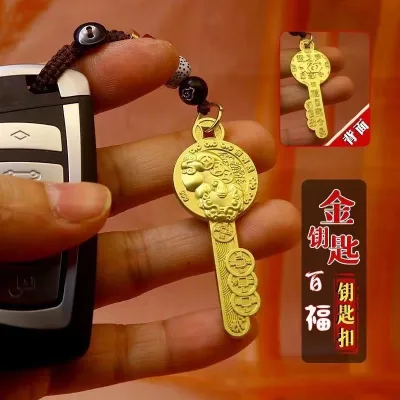
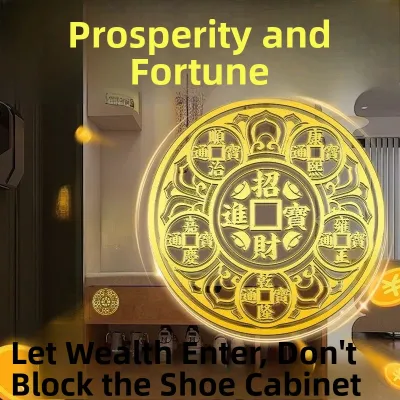
Wealth and prosperity attractors are designed to invite abundance, opportunities, and positive growth into the household. Common symbolic motifs include traditional Chinese coins tied with red string, or mythical creatures like the Pi Xiu or the three-legged wealth toad. These items carry deep cultural significance, representing the accumulation of resources and the preservation of household fortune.
Placement rules for wealth attractors depend heavily on their specific traditional functions. For example, some wealth-attracting figures are meant to face outward to “gather” opportunities from the outside, while others, like the wealth toad, are traditionally placed facing inward, as if carrying wealth into the home. Misplacing these items can symbolically direct prosperity away from the household. To maintain a balanced and elegant entrance, avoid clutter by selecting only one or two high-quality focal pieces rather than overcrowding the space with multiple competing symbols.
Natural Elements and Entrance Lighting
Integrating natural elements and proper illumination creates a welcoming, balanced, and active entry point. Entrance lighting is highly effective for keeping the doorway bright and safe, especially during evening hours. A well-lit entrance is believed to attract active energy and prevent stagnation. When selecting lighting fixtures, verify the voltage compatibility (typically 230V in Singapore), base or interface type, wattage limits, and dimensions to ensure the fixture fits your entryway safely. Look for recognized electrical safety certifications, such as the local Safety Mark, to confirm the product has been tested for safety.
If your entrance lighting involves fixed wiring, installation in damp semi-outdoor areas, or working at heights, always isolate the power supply at the main circuit breaker before starting, follow the manufacturer’s installation instructions, and consult a licensed electrician to handle the wiring. Additionally, treat decorative styles, perceived color temperatures (such as warm yellow versus cool white), and spatial lighting effects as conditional preferences that depend on your personal aesthetic rather than universal performance facts.
Incorporating resilient plants or natural fiber mats helps ground the energy at the threshold. Choose hardy plant species that can thrive in low-light or semi-shaded conditions and withstand local humidity levels. Natural fiber mats, such as those made from coir or sisal, are excellent for trapping physical dirt and moisture, keeping the transition zone clean. When installing any decorative lighting fixtures, always balance their aesthetic appeal with practical safety standards, ensuring all wiring is secure and protected from foot traffic.
Placement Rules and Maintenance for Lasting Positive Energy
Proper placement and consistent maintenance are essential to ensure that your entrance items remain effective and safe over the long term. Establish clear boundaries for placement to prevent any tripping hazards or obstructions to the door’s operation. The main door must be able to open fully to at least a ninety-degree angle without striking any decorative items, planters, or furniture. Keeping the pathway entirely clear ensures a smooth physical transition and prevents accidental damage to your decor.
Routine cleaning and physical inspection are vital for maintaining the integrity of your entrance items. Dust, cobwebs, and grime can accumulate quickly in high-traffic entryways, which can dull the appearance of your decor and symbolically represent neglect. Wipe down brass, ceramic, and stone items regularly with appropriate cleaning agents. For illuminated decor, check the wiring periodically and replace any burnt-out bulbs immediately to keep the entrance bright and active. If you notice any cracks, chips, or severe weathering on your items, consider repairing or replacing them, as damaged decor can detract from the welcoming atmosphere.
For complex spatial conflicts or unique architectural layouts that are difficult to resolve with standard decor, it is best to stop and consult a traditional practitioner or an interior design professional. They can provide personalized guidance tailored to your specific floor plan, ensuring that your decorative choices align harmoniously with both traditional principles and modern spatial design.
Frequently Asked Questions (FAQ)
Can I place feng shui items in a shared apartment corridor?
In high-density residential buildings, such as HDB flats or condominiums in Singapore, placing items in shared corridors requires careful consideration of community guidelines and safety regulations. The Singapore Civil Defence Force (SCDF) maintains strict fire safety rules regarding corridor clearance, requiring a minimum unobstructed path of 1.2 meters to ensure safe evacuation during emergencies. Placing large statues, bulky planters, or water features in shared hallways can violate these rules and create hazards for neighbors. If corridor space is limited or shared, a highly effective alternative is to place your chosen items just inside the main door foyer. This allows you to establish a welcoming threshold within your private property boundary without obstructing communal spaces or violating building management policies.
How do I choose an item if my main door faces a staircase or elevator?
When a main door directly faces a staircase or an elevator, it can create a specific structural conflict where energy is believed to move too rapidly or drain away from the home. Downward-sloping staircases can symbolically draw energy away from the entrance, while opening elevator doors can create turbulent, unstable movement. To address this, select items that are designed to stabilize, ground, or redirect energy rather than simply attracting it. A solid, heavy decorative item, such as a stone ornament or a sturdy planter with a rounded plant, can help anchor the space. Alternatively, placing a bright, warm light fixture above the door can help lift and stabilize the energy, creating a secure and balanced transition zone that counteracts the rapid movement of the adjacent common areas.
Community discussion
Share your experience or ask a question. Comments are reviewed before publication.