
Finding a long-lasting reed diffuser in Singapore requires looking beyond marketing claims of “long-lasting aroma” and focusing on the physical chemistry of the product. The longevity of a home fragrance depends on three main pillars: the formulation’s chemical base, the structural quality of the reeds, and the environmental conditions of your living space. While many brands promise months of continuous scent, the actual lifespan of a diffuser is determined by how quickly the carrier liquid evaporates and how effectively the fragrance notes are released into the air. By understanding these variables, you can make an informed purchase that offers sustained scent throw without requiring frequent, costly refills.
Understanding the Science of Diffuser Longevity
The evaporation rate of a reed diffuser is heavily influenced by the molecular weight of its fragrance components. Perfume formulations are structured around top, middle, and base notes, each possessing distinct volatility rates. Top notes, such as citrus, light fruits, and delicate florals, consist of small, light molecules that evaporate rapidly to provide an immediate but fleeting olfactory impression. Middle notes, including spices, herbs, and heavier florals, transition next. Base notes, such as sandalwood, cedarwood, amber, patchouli, vanilla, and musk, are composed of heavy, complex molecules that cling to surfaces and evaporate at a much slower rate. Consequently, a diffuser formulation rich in base notes will inherently maintain its aroma for a significantly longer period than one dominated by light, volatile top notes.
Beyond the fragrance notes themselves, the carrier liquid serves as the essential vehicle for scent delivery. Traditional, low-cost formulations often utilize alcohol-based carriers, such as denatured alcohol or ethanol, which have a high vapor pressure. While alcohol-based carriers provide an intense initial scent throw, they flash off rapidly, causing the diffuser to deplete within a matter of weeks. High-quality formulations instead employ glycol-based or specialty synthetic carriers, such as glycerin-derived solvents, which possess a much lower vapor pressure and higher viscosity. These advanced carriers draw up the reeds at a controlled, steady pace and evaporate slowly, ensuring the fragrance oil lasts for months rather than weeks. The concentration of pure fragrance oil within this carrier also dictates longevity; a higher concentration, typically ranging from fifteen to twenty-five percent, ensures a consistent release of scent as the carrier gradually evaporates.
Products mentioned in this guide
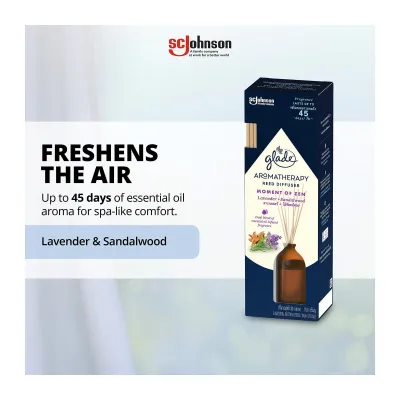
Prices are valid at publication and may change. Please refer to the product page for the latest price.
The physical medium of delivery—the reeds—plays an equally critical role in determining how quickly the oil is consumed. Natural rattan reeds contain tiny, open vascular bundles that act as natural capillaries, pulling the liquid upward to evaporate from the exposed surface. However, natural rattan can be inconsistent in pore size and is highly susceptible to clogging from dust or heavy, viscous oils. In contrast, synthetic fiber reeds are engineered with uniform, highly porous structures designed to pull oil more efficiently and consistently. While fiber reeds offer an excellent, reliable scent throw, their high efficiency can sometimes deplete the oil reservoir faster if the carrier liquid is too thin. Selecting the appropriate reed type requires matching the reed’s porosity to the viscosity of the specific oil formulation.
How to Identify Brands With Long-Lasting Formulations
To identify brands that offer genuine longevity, consumers must look past evocative packaging and scrutinize the product specifications. Start by checking product labels and descriptions for ingredient transparency, specifically looking for the type of carrier oil used. Reputable brands often highlight the use of eco-friendly, bio-based, or slow-evaporating solvents rather than hiding behind generic terms like “fragrance solubilizer” or “alcohol base.” If a brand openly shares its fragrance oil concentration or details its sourcing of pure essential oils and high-grade perfume compounds, it is generally a strong indicator of a formulation engineered for extended wear.

Differentiating between mass-market home fragrance brands and niche perfumery houses is another effective way to gauge potential longevity. Mass-market brands frequently prioritize low production costs and immediate shelf appeal, resulting in formulations with high percentages of synthetic solvents and top-heavy fragrance profiles that smell strong in the store but dissipate quickly at home. Niche perfumery houses, on the other hand, tend to treat home fragrance with the same complexity as personal fine perfumery. They invest in complex, base-heavy accords and premium, slow-evaporating carrier bases that are specifically designed to unfold gradually over several months, providing a more stable and enduring sensory experience.
Evaluating the true cost-effectiveness of a reed diffuser requires a simple calculation rather than relying on the initial retail price. To compare value accurately across different brands and bottle sizes, calculate the price per milliliter by dividing the retail price in S$ by the total volume of the liquid in milliliters. A larger bottle with a higher upfront cost often features a lower price per milliliter, representing a more economical choice over time. Furthermore, when this calculation is paired with a high-quality, slow-evaporating formulation, the long-term cost of maintaining a scented home is significantly lower than repeatedly purchasing cheaper, fast-evaporating alternatives.
When browsing online marketplaces or retail stores, learn to recognize red flags that indicate a short-lived product. An unusually low price point for a very large volume of liquid is a primary warning sign. Formulations sold in bulk at rock-bottom prices almost always rely on cheap industrial solvents, high water content, or heavy dilutions of synthetic fillers. These ingredients either evaporate almost instantly upon opening or fail to draw up the reeds entirely because the water content prevents proper capillary action. A quality reed diffuser requires a precise balance of specialized ingredients, and extremely low prices are rarely compatible with long-lasting performance.
Matching Scent Profiles to Your Space and Climate
Selecting a long-lasting reed diffuser also requires matching the fragrance profile to the physical characteristics of your home. If your primary goal is extended longevity, prioritizing heavy, resinous, or woody aromas is a far more reliable strategy than choosing light, aquatic, or citrus scents. Even when formulated by premium brands, fresh and citrusy fragrances will naturally deplete and fade faster due to the inherent volatility of their chemical structures. By choosing scents anchored in warm woods, rich spices, or deep ambers, you ensure that the lingering base notes continue to scent your space long after the lighter top notes have dissipated.
The tropical climate of Singapore introduces specific environmental variables that directly impact how a diffuser behaves. In naturally ventilated spaces, high ambient temperatures and humidity levels accelerate the evaporation of both the carrier oil and the fragrance molecules, which can cause the liquid to deplete much faster than expected. Conversely, in air-conditioned rooms, the air is cool and dry, but the constant, mechanical airflow from air-conditioning units can strip the scent away and cause the exposed tops of the reeds to dry out, hindering the capillary action. For air-conditioned spaces, a formulation with a slightly higher oil concentration or more frequent reed flipping may be necessary to maintain scent presence, while naturally ventilated spaces require a highly stable, slow-evaporating carrier base to prevent the liquid from flashing off in the heat.
Sizing your diffuser correctly is essential to prevent rapid depletion and ensure an adequate scent throw. Placing a small, fifty-milliliter diffuser in a large, open-concept living room or a high-traffic hallway will result in the fragrance being quickly diluted by the volume of air, forcing you to use more reeds and deplete the oil rapidly without ever achieving the desired aroma level. For larger spaces, opt for diffuser vessels of at least two hundred to two hundred and fifty milliliters. This larger volume supports a greater number of reeds, allowing for a wider distribution of scent without drying out the reservoir prematurely, while smaller bottles are best reserved for enclosed, low-airflow spaces like bathrooms or study rooms.
Maintenance Tips to Extend Your Diffuser's Lifespan
Maximizing the lifespan of your reed diffuser involves simple, low-risk maintenance practices that optimize how the oil is drawn and evaporated. Flipping the reeds is a common method to refresh the aroma, as it brings the saturated bottom ends of the reeds to the top, exposing fresh oil directly to the air. However, flipping them too frequently—such as every day—unnecessarily accelerates the depletion of the oil, as the wet ends dry out rapidly in the ambient air. A more balanced approach is to flip the reeds only once every one to two weeks, or when you notice the fragrance throw beginning to diminish. Always use a tissue or cloth when handling the reeds to prevent transferring skin oils to the reeds or spilling fragrance oil onto delicate surfaces.
The physical placement of your diffuser within a room significantly influences its evaporation rate and overall longevity. To prevent rapid, uneven evaporation, avoid placing the diffuser in direct sunlight, which can heat the glass vessel and degrade the delicate fragrance compounds. Keep the unit away from direct heat sources, such as radiators, television consoles, or kitchen appliances, as well as high-velocity drafts from open windows, fans, or air-conditioning vents. The ideal location is a stable, flat surface in a high-traffic area with gentle, natural air movement, such as a hallway console or a side table, where the motion of people walking past naturally disperses the scent without forcing the oil to evaporate prematurely.
Over time, the performance of your diffuser may decline even if there is still plenty of liquid left in the bottle. This is often because airborne dust, pet dander, and microscopic debris settle on the exposed portions of the reeds, while heavy oil molecules gradually clog the internal capillaries. When this occurs, the reeds can no longer draw the oil upward effectively. Instead of discarding the remaining oil, simply replace the old reeds with a fresh set of rattan or fiber reeds to restore the scent throw. When refilling a diffuser bottle with a new batch of oil, always use a completely fresh set of reeds, as old, fully saturated reeds cannot effectively draw up a new formulation. Dispose of used reeds safely in accordance with local household waste guidelines, and always wipe down the neck of the bottle to prevent oil residue from damaging your furniture.
Frequently Asked Questions (FAQ)
Does adding more reeds make the aroma last longer?
No, adding more reeds does not make the aroma last longer; in fact, it has the opposite effect. Each reed acts as an active channel that draws oil out of the bottle and releases it into the air. Inserting a larger number of reeds increases the total surface area available for evaporation, which creates a stronger, more intense scent throw but causes the oil reservoir to deplete much faster. To maximize the lifespan of your diffuser, start with a smaller number of reeds—typically three to four for a small or medium-sized room—and gradually add more only if you find the fragrance intensity insufficient. This allows you to find the perfect balance between a noticeable aroma and an extended product lifespan.
Can I mix different reed diffuser oils to create a custom aroma?
Mixing different reed diffuser oils, especially those from different brands or product lines, is highly discouraged. Diffuser formulations are carefully engineered chemical mixtures where specific carrier solvents are balanced with precise fragrance compounds to maintain a stable viscosity and evaporation rate. Mixing different oils can disrupt this delicate balance, leading to chemical incompatibility that may cause the liquids to separate, turn cloudy, or become highly viscous, which will completely clog the capillaries of your reeds. If you wish to layer different scents to create a custom aromatic profile in your home, a safer and more effective method is to place separate, single-brand diffusers in different areas of the room, allowing their fragrances to blend naturally in the air.
Why did my reed diffuser stop smelling even though there is oil left?
When a reed diffuser stops throwing scent despite having oil remaining, the cause is typically either olfactory fatigue or physically clogged reeds. Olfactory fatigue, commonly known as nose blindness, is a natural sensory adaptation where your brain acclimates to a continuous scent in your immediate environment, making it seem as though the fragrance has disappeared. You can verify this by leaving your home for a few hours; if the scent is noticeable upon your return, your diffuser is functioning correctly. If the scent is truly gone, the issue is likely that airborne dust and heavy oil residues have clogged the microscopic pores of the reeds. Replacing the old reeds with a fresh set will open up the capillary channels and immediately restore the fragrance throw without requiring a full oil replacement.

Community discussion
Share your experience or ask a question. Comments are reviewed before publication.