
Finding an authentic retro clock in Singapore requires looking beyond surface-level vintage styling to evaluate the underlying craftsmanship, material quality, and design heritage. While the market is filled with inexpensive plastic replicas that mimic classic designs, true vintage appeal comes from authentic materials, historically accurate typography, and reliable internal movements. Whether you are looking to complement a mid-century modern sideboard or add an industrial edge to a study, understanding what makes a retro timepiece genuine ensures your investment serves as both a reliable timekeeper and a lasting piece of functional art.
What Defines an Authentic Retro Table Clock
To appreciate retro clocks, one must first understand the distinct design eras that define them. Mid-Century Modern clocks, popular from the 1950s through the 1960s, emphasize clean lines, organic curves, and functional minimalism. Art Deco designs from the 1920s and 1930s focus on bold geometric shapes, symmetrical patterns, and luxurious materials like chrome and glass. Meanwhile, the 1970s introduced a more industrial, playful aesthetic, characterized by space-age plastics, bold typography, and mechanical flip-card displays.
Material authenticity is the primary differentiator between a high-quality retro clock and a cheap novelty. Genuine vintage-inspired clocks utilize substantial materials such as real wood veneers, brushed brass, copper, and bakelite-style resins. These materials age gracefully, developing a natural patina over time. In contrast, low-end replicas often rely on lightweight, injection-molded plastics painted to look like metal or wood, which feel flimsy to the touch and degrade quickly under Singapore’s humid conditions.
Products mentioned in this guide
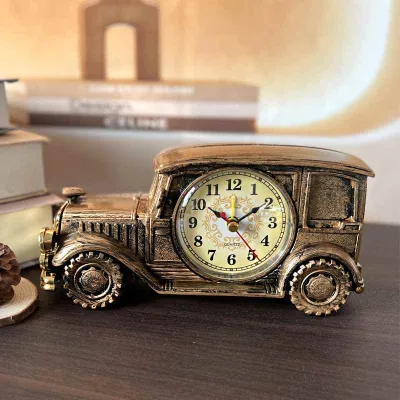
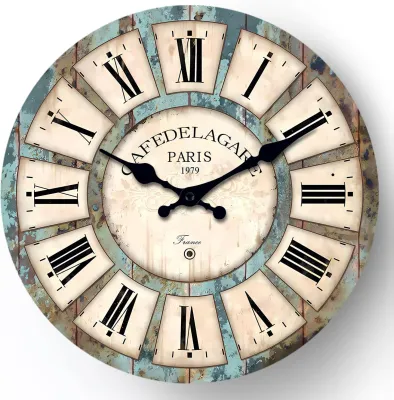

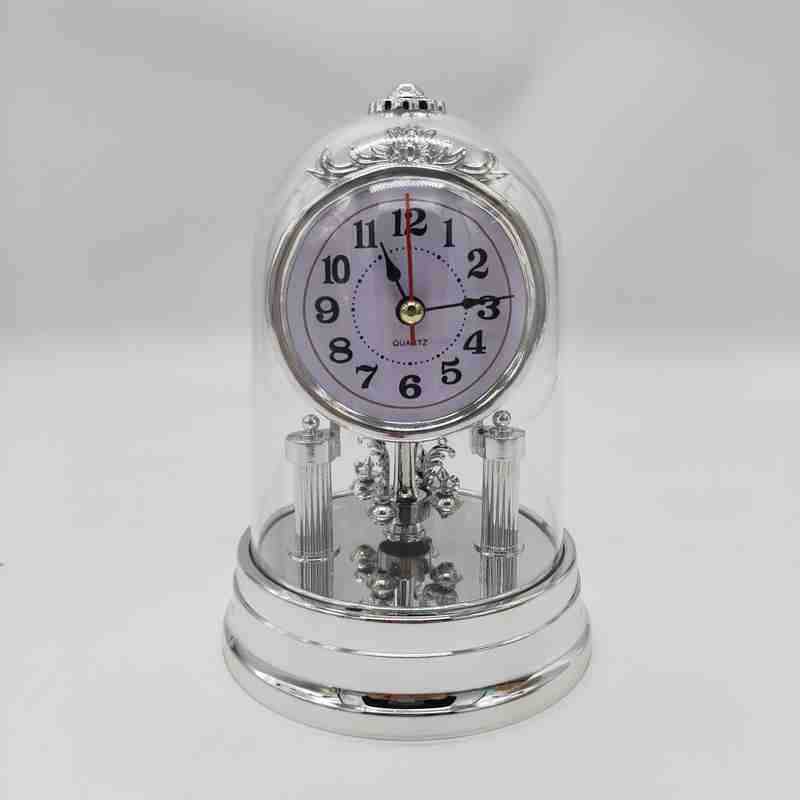
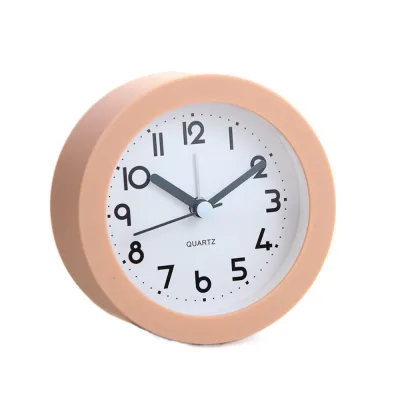
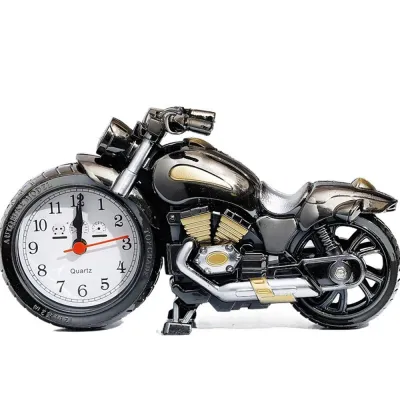

Prices are valid at publication and may change. Please refer to the product page for the latest price.
Dial and typography details also reveal the authenticity of a design. True retro timepieces feature historically accurate typefaces, such as classic serif fonts or clean, modernist sans-serif indices. The printing on the dial should be crisp, with precise alignment and balanced proportions. Authentic vintage clocks may show natural signs of age, such as a gentle yellowing of the dial face or minor oxidation on metal hands. Beware of modern reproductions that use artificial distressing, such as printed-on dirt or uneven faux-rust patterns, which often look cheap and unconvincing upon close inspection.
Key Selection Criteria for Vintage-Style Table Clocks
When selecting a retro table clock, the choice of movement is a fundamental decision that affects both daily use and maintenance. Quartz movements are highly accurate, require virtually no maintenance, and run quietly on standard batteries. On the other hand, mechanical wind-up movements offer an authentic tactile experience, requiring manual winding every day or week. Mechanical clocks produce a distinct, rhythmic ticking sound and a physical sweep of the hands, which appeals to purists but may not suit everyone.

Power sources require careful consideration, particularly when dealing with imported or vintage designs. Battery-operated clocks offer maximum placement flexibility, allowing you to position them on floating shelves or central console tables without worrying about unsightly cords. Plug-in clocks, common among vintage flip clocks and illuminated designs, require proximity to an electrical outlet. For plug-in models, you must verify local voltage compatibility; Singapore operates on a 230V, 50Hz electrical system, meaning imported clocks designed for 110V systems will require a step-down transformer to operate safely and prevent electrical hazards.
Size and proportion must match your specific living space. In Singapore’s compact apartments, a clock that is too large can easily overwhelm a bedside table or a narrow entryway console. Measure the designated shelf depth and height before purchasing. A well-proportioned table clock should leave enough negative space around it to stand out as a decorative focal point rather than contributing to visual clutter.
Noise level is another critical factor, especially for clocks placed in bedrooms or quiet study areas. Some vintage-style quartz movements feature a stepping second hand that produces a loud, repetitive click every second. If you are sensitive to noise, look for clocks with a continuous sweep quartz movement, which operates silently. Similarly, evaluate the alarm sound; traditional twin-bell mechanical alarms are exceptionally loud and jarring, which might be highly effective for heavy sleepers but disruptive in a quiet household.
Notable Heritage and Retro-Inspired Clock Brands to Explore
Exploring the landscape of retro clocks reveals several distinct categories of brands, each representing a specific design philosophy and historical era. Rather than focusing on transient trends, identifying these established design categories helps you target your research toward timepieces with genuine artistic value and proven manufacturing standards.
Mid-Century Modern and Minimalist Designs
The mid-century modern aesthetic is heavily influenced by functionalist design principles, where form strictly follows function. Heritage brands like Braun pioneered this approach in the mid-20th century, creating table and alarm clocks characterized by matte finishes, highly legible dials, and quiet, reliable movements. Another iconic influence is the sculptural work of designer George Nelson, whose mid-century clocks utilized bold geometric shapes, wooden elements, and abstract hour markers to turn timepieces into modern sculptures.
When searching for these minimalist designs today, focus on licensed reproductions or official modern reissues. Authorized manufacturers maintain the exact proportions, color palettes, and material specifications of the original mid-century blueprints. These modern reissues typically incorporate updated quartz movements, offering the perfect balance of iconic mid-century aesthetics and modern timekeeping reliability without the wear-and-tear issues of true vintage originals.
Classic Flip Clocks and Industrial Aesthetics
For those drawn to an industrial or space-age aesthetic, classic flip clocks offer an unmatched mechanical charm. These clocks utilize a split-flap display, where physical cards rotate on a central wheel to reveal the changing hours and minutes. The gentle, mechanical click of a card dropping is a satisfying sensory experience that digital screens cannot replicate.
Because authentic electro-mechanical flip clocks require a small motor to rotate the flaps continuously, they must be built with high-quality gears to ensure longevity. When shopping, always verify the product specifications to ensure the clock uses physical, moving plastic or metal flaps. Many low-cost online listings use digital liquid crystal displays (LCDs) programmed to look like flip cards, which completely lacks the tactile appeal and mechanical authenticity of a true split-flap mechanism.
Traditional Mantel and Brass Alarm Clocks
If your home decor leans toward classic, eclectic, or traditional styles, early 20th-century designs like mantel clocks and brass alarm clocks are excellent choices. High-quality traditional clocks are characterized by their substantial weight, often featuring solid brass casings, polished hardwood frames, and protective glass domes. The weight of the clock is a reliable indicator of build quality, as genuine metals and solid woods feel heavy and stable compared to lightweight plastic imitations.
Pay close attention to the alarm mechanism in these traditional styles. Authentic retro alarm clocks feature physical, external twin bells with a small metal hammer that strikes the bells to create a resonant, acoustic ring. Many modern reproductions mimic this classic twin-bell look on the outside but house a cheap electronic buzzer on the inside. Verifying that the clock uses a genuine mechanical strike mechanism ensures you get the authentic sound and feel of a traditional timepiece.
How to Verify Authenticity and Purchase in Singapore
Sourcing a genuine retro clock in Singapore requires a cautious approach, particularly when navigating online marketplaces and specialty boutiques. To guarantee authenticity and secure reliable after-sales support, prioritize purchasing from authorized brand dealers, official brand boutiques, or established, reputable home decor retailers. These physical and official online storefronts source their inventory directly from manufacturers, ensuring you receive a genuine product backed by a valid manufacturer’s warranty.
Electrical safety is a paramount concern, especially for imported plug-in clocks. In Singapore, controlled electrical appliances must carry the Safety Mark, which indicates the product has been tested and certified to meet local safety standards. If you are importing a vintage or retro-style plug-in clock from overseas, consult a qualified electrician to inspect the wiring, plug, and voltage compatibility before connecting it to your home’s power supply. Using uncertified electrical items can lead to short circuits, damage to your home’s electrical grid, or fire hazards.
When evaluating listings on online marketplaces, exercise diligence to avoid counterfeit products or low-quality replicas. Scrutinize seller ratings, read customer reviews carefully, and look for detailed descriptions of the materials used. If a listing uses vague terms like “metallic finish” instead of “solid brass,” or “wood grain pattern” instead of “walnut veneer,” it is highly likely a plastic imitation. Additionally, verify the retailer’s return policy, particularly for fragile items featuring glass domes or delicate mechanical components, to ensure you are protected if the item arrives damaged.
Maintenance and Care for Retro Clock Mechanisms
Proper maintenance is essential to preserve the beauty and functionality of your retro table clock, especially in Singapore’s warm and humid climate. Regular dusting with a soft, dry microfiber cloth is usually sufficient to keep the exterior clean. Avoid using harsh chemical cleaners, glass sprays, or abrasive polishes on delicate materials like unsealed brass, natural wood veneers, or acrylic domes. These chemicals can strip away protective lacquers, cause discoloration, or scratch sensitive surfaces.
For battery-operated quartz clocks, proactive battery care is crucial to prevent irreversible damage. Standard alkaline batteries can leak corrosive acid over time, particularly in humid environments or when the battery is fully discharged. To protect your clock’s internal contacts, replace the battery annually, even if the clock is still running. If you plan to store the clock or leave your home for an extended period, always remove the battery entirely to eliminate the risk of leakage.
Mechanical clocks require a gentle touch to avoid damaging their intricate internal gears. When winding a mechanical clock, turn the key slowly and stop immediately when you feel resistance; forcing the key past this point can snap the mainspring. If a mechanical clock stops running, runs consistently slow, or has a stuck hand, do not attempt to force the mechanism or apply household lubricants like WD-40, which can gum up the delicate gears. Instead, take the timepiece to a professional clock repairer in Singapore who specializes in mechanical movements and has the proper tools to clean and oil the mechanism safely.
Frequently Asked Questions (FAQ)
Do mechanical retro clocks require regular servicing?
Yes, mechanical retro clocks require periodic servicing to maintain their accuracy and longevity. Over time, the specialized oils that lubricate the delicate gears and springs inside a mechanical movement can dry out or attract dust, leading to increased friction and wear. Generally, mechanical clocks should be professionally cleaned, oiled, and adjusted every three to five years. If you notice the clock is consistently losing time, failing to run for its full winding cycle, or making unusual grinding noises, it is a clear sign that the mechanism needs to be inspected by a specialist.
Are vintage flip clocks safe to leave plugged in overnight?
Vintage plug-in flip clocks require careful safety evaluation before being left running continuously. Older, authentic vintage models from the 1970s may have degraded internal wiring, worn motor coils, or lack modern safety features, which can cause them to overheat. To ensure safety, verify that any plug-in clock has modern electrical safety certifications, such as the local Safety Mark for Singapore. If the clock’s housing feels excessively hot to the touch, emits a burning odor, or makes a loud humming sound, unplug it immediately and have it inspected by a qualified professional before further use.
Community discussion
Share your experience or ask a question. Comments are reviewed before publication.