
Finding the perfect No Face (Kaonashi) figurine from Studio Ghibli’s Spirited Away to adorn your home in Singapore requires balancing aesthetic appeal, material durability, and authenticity. Whether you want a minimalist desk companion, a functional coin-eating novelty, or an intricate decorative centerpiece, the local market offers various options ranging from official licensed merchandise to bespoke artisan creations. Navigating these choices involves understanding material characteristics, verifying licensing markers, and knowing where to source genuine pieces in Singapore’s retail landscape.
Selecting a high-quality figurine is not just about finding an appealing pose; it is about choosing a piece that fits your living space, matches your decor style, and stands the test of time. In Singapore’s warm and humid climate, material choice and proper care are particularly important to prevent premature fading or degradation. By focusing on craftsmanship, verifying authenticity, and setting up a safe display environment, you can ensure your No Face figurine remains a captivating focal point in your home for years to come.
What to Look for in a Quality No Face Figurine
When evaluating a No Face figurine, the material composition is the first major factor to consider, as it directly influences the weight, texture, durability, and overall finish of the piece. PVC (polyvinyl chloride) is a highly common material for collectible figures because it is lightweight, highly durable, and resistant to accidental drops. PVC allows for smooth surfaces and clean paint lines, making it an excellent, budget-friendly choice for everyday desk displays or functional items like pen holders and coin banks. However, PVC can sometimes lack the premium, substantial feel that serious collectors desire.
Products mentioned in this guide
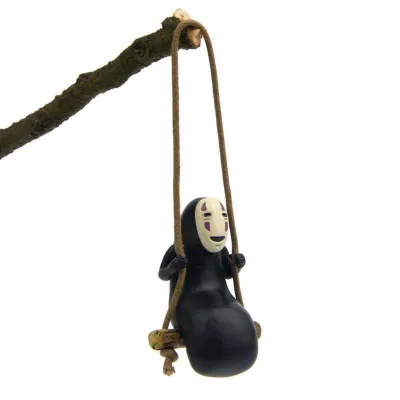
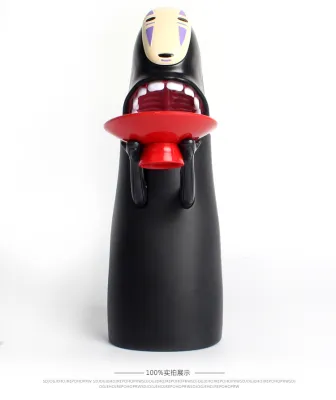
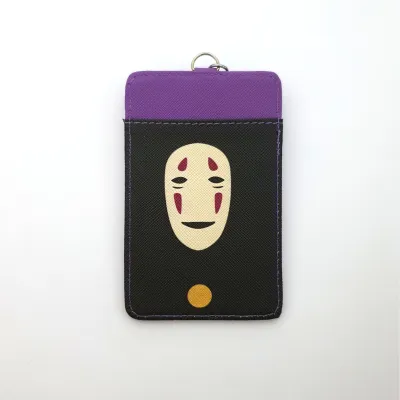
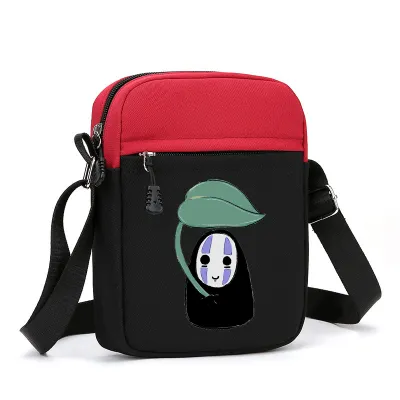
Prices are valid at publication and may change. Please refer to the product page for the latest price.
Resin, on the other hand, is the preferred material for high-end, detailed sculptures. It is significantly heavier than PVC and offers a cold, stone-like texture that feels premium to the touch. Resin allows sculptors to capture incredibly sharp details, intricate folds in No Face’s cloak, and precise facial expressions. The downside to resin is its fragility; it is highly brittle and can easily chip or shatter if dropped, meaning it must be handled with extreme care and displayed in a secure location.
Ceramic figurines offer a classic, elegant aesthetic that fits beautifully into traditional or minimalist home decor. Ceramic pieces are often finished with either a high-gloss glaze that reflects light beautifully or a smooth matte finish that gives the character an ethereal, ghostly appearance. Like resin, ceramic is fragile and susceptible to cracking, but it possesses a timeless quality that synthetic materials cannot easily replicate.
Beyond the material, you must closely assess the sculpting details of the figurine. The mask is the absolute focal point of No Face; it should be perfectly symmetrical, with clean, crisp edges where the purple facial markings meet the white surface. The drape of the black cloak should look natural and fluid, creating realistic shadows and depth rather than appearing as a flat, solid block. Additionally, check the stability of the base. Because No Face has a tall, slender silhouette, a well-designed figurine must have a low center of gravity or a sufficiently wide, weighted base to prevent it from easily tipping over on your shelf.
Finally, always look for official licensing indicators. Genuine Studio Ghibli products feature specific copyright markings molded directly onto the bottom of the figurine or printed clearly on the packaging. These markings typically include the studio’s name and the licensing partner, such as Benelic. Checking for these details ensures you are paying for genuine craftsmanship rather than a low-quality imitation.
Official Merchandise vs. Independent Artisan Creations
Choosing between official licensed merchandise and independent artisan creations depends largely on your personal display goals, budget, and appreciation for unique designs. Official merchandise, primarily produced by authorized brands like Benelic (the company behind the official Donguri Kyokyuso stores), offers guaranteed design accuracy and standardized quality control. When you buy an official piece, you know exactly what to expect: the colors will match the film perfectly, the proportions will be correct, and the packaging will be secure and collectible.

Official releases also include innovative, functional designs that are highly sought after. These include the famous interactive coin-eating banks, sensor-activated musical figurines, and delicate paper theater dioramas. For collectors who value brand heritage, consistency, and potential resale value, official merchandise is generally the preferred route.
Independent artisan creations, often found on creative platforms or at local craft conventions in Singapore, offer a completely different appeal. These pieces are typically handmade or produced in small batches, featuring unique poses, custom-painted details, or imaginative crossovers that official merchandise would never produce. For example, an artisan might create a custom terrarium diorama featuring No Face sitting on a mossy bench, or a hand-carved wooden sculpture that adds a rustic, organic warmth to your living space.
Supporting independent creators allows you to own a truly one-of-a-kind piece that reflects a personal, artistic touch. However, it is important to understand the boundaries of copyright and licensing. While purchasing fan-made art for personal, private display in your home is perfectly acceptable and a wonderful way to celebrate your love for the film, these items do not carry official licensing. They may also vary significantly in material consistency, paint durability, and structural stability compared to mass-produced, quality-tested official goods.
Where to Shop for Studio Ghibli Collectibles in Singapore
Finding authentic Studio Ghibli collectibles in Singapore requires knowing where to look, as the market contains a mix of official retailers, specialty hobby shops, and online marketplaces. For a reliable physical shopping experience, head to established anime retail stores, pop-culture boutiques, and specialized toy shops located in major retail hubs such as Plaza Singapura, Orchard Road, or Funan. These physical stores allow you to inspect the packaging and, in many cases, view a fully assembled display model in a glass case before making a purchase, giving you a clear idea of the item’s size, color, and quality.
If you prefer the convenience of online shopping, general e-commerce platforms and online marketplaces offer a vast selection of No Face figurines. However, navigating these platforms safely requires a cautious approach. To avoid counterfeit products, always filter your searches to look for verified sellers, preferred merchants, or official brand storefronts. Many reputable local hobby shops run online branches on these platforms, providing a secure way to purchase authentic goods with the convenience of home delivery.
Before committing to a purchase, especially for higher-value or fragile resin figurines, take the time to thoroughly evaluate the seller’s reputation. Read customer reviews carefully, paying close attention to feedback regarding packaging quality. A reputable seller will use ample bubble wrap, sturdy outer boxes, and fragile labeling to ensure the figurine survives transit without damage. Additionally, review the store’s return and refund policies so you are protected in the rare event that your item arrives damaged or does not match the description.
How to Verify Authenticity and Avoid Counterfeits
The popularity of Spirited Away has unfortunately led to a flood of unlicensed bootleg figurines in the market. To protect your investment and ensure you receive a quality product, you must know how to verify authenticity through practical, observable checks. The first line of defense is the packaging. Authentic Studio Ghibli figurines are packaged in high-quality, sturdy boxes featuring crisp, high-resolution printing, correct typography, and official distributor information. Look for the official holographic or color-shifting security sticker, which is a hallmark of licensed merchandise. Bootleg packaging often features blurry images, misspelled words, flimsy cardboard, or may arrive in a plain plastic bag with no box at all.
Next, inspect the physical figurine for common signs of poor-quality manufacturing. Counterfeit items frequently exhibit sloppy paint application, with colors bleeding across borders—particularly around the edges of No Face’s purple facial markings. The black body of a bootleg figurine may have an uneven, patchy finish, visible mold seams, or excess plastic flash along the edges. Furthermore, structural joints on fake items are often weak or poorly glued, leading to a wobbly stance or parts that easily detach.
Price is another major indicator of authenticity. If you encounter a large, highly detailed No Face resin sculpture or an interactive electronic figurine priced at a fraction of its usual retail cost—such as S$10 instead of S$60 to S$100—it is almost certainly a counterfeit. When shopping through third-party online sellers, do not hesitate to request real-life, close-up photos of the actual box and the bottom of the figurine to verify the presence of official copyright stamps before finalizing your order.
Display and Care Tips for Resin and Ceramic Figurines
Once you have acquired your No Face figurine, displaying and maintaining it properly will preserve its beauty and structural integrity. Singapore’s tropical climate presents unique challenges, particularly regarding high humidity and intense sunlight. Direct sunlight is the enemy of collectible figurines; prolonged exposure to ultraviolet rays will fade the deep black pigment of No Face’s cloak and cause the white mask to yellow or discolor. Position your display shelves away from windows or use UV-filtering window films to protect your collection.
Humidity control is also essential, especially for resin and ceramic pieces that may use specialized adhesives or delicate paint finishes. Avoid displaying your figurines in areas prone to moisture and temperature fluctuations, such as bathrooms, kitchens, or semi-outdoor balconies. A stable, air-conditioned indoor environment is ideal for preventing mold growth and maintaining the integrity of the materials.
When it comes to cleaning, a gentle touch is paramount. For routine maintenance, use a soft-bristled makeup brush or a clean, dry microfiber cloth to sweep away dust from the crevices of the cloak and mask. Avoid using water, liquid detergents, or harsh chemical solvents, as these can react with the paint, leading to chipping, peeling, or a cloudy residue on resin surfaces. If a ceramic figurine has a glazed finish and requires a deeper clean, a slightly damp microfiber cloth can be used, followed immediately by a dry cloth to remove any lingering moisture.
To elevate the visual impact of your No Face figurine while keeping it safe, consider investing in dedicated display solutions. Acrylic risers are excellent for creating varied heights on a shelf, allowing smaller figurines to be seen clearly behind larger pieces. Placing your collection inside a glass display cabinet, such as a dust-proof curio cabinet, not only showcases the figurines beautifully under controlled lighting but also drastically reduces the need for frequent cleaning, protecting your delicate pieces from accidental knocks, dust, and curious pets.
If you choose a figurine with integrated electrical components, such as an LED night light or a motorized coin bank, always verify the power requirements. Ensure the voltage matches Singapore’s standard electrical supply if using a wall adapter, or use high-quality, leak-resistant batteries to prevent internal corrosion over time. Always turn off electrical features when the figurine is unattended to ensure safety and prolong the lifespan of the internal components.
Frequently Asked Questions (FAQ)
Are No Face figurines a good investment for collectors?
No Face figurines can hold or even increase their value over time, but this depends heavily on specific factors such as official licensing, production limits, and condition. Limited-edition releases, anniversary editions, and retired designs from reputable brands like Benelic are highly sought after on the secondary market. To maintain their collectible value, it is crucial to keep the figurine in pristine condition, free from dust, scratches, or paint fading. Additionally, preserving the original packaging, including the box, inner plastic molds, and any official certificates or instruction sheets, significantly enhances the item’s desirability and value among serious collectors.
How do I clean a delicate resin figurine without damaging the paint?
Cleaning a delicate resin No Face figurine requires a dry, non-abrasive approach to protect the paint finish. Use a clean, soft-bristled brush—such as a high-quality makeup brush or a camera lens brush—to gently sweep away dust from the intricate folds of the cloak and the smooth surface of the mask. Avoid using water, liquid cleaners, or submerging the figurine, as moisture can seep into micro-cracks in the resin, causing the paint to lift, bubble, or develop a cloudy appearance. For stubborn spots, a dry, clean microfiber cloth can be used with light, circular motions, ensuring you do not apply excessive pressure to fragile areas.
Community discussion
Share your experience or ask a question. Comments are reviewed before publication.