
Korean home styling has taken the interior design world by storm, bringing with it a wave of minimalist, highly aesthetic home fragrance products. Among these, the Korean diffuser has become a staple for those looking to recreate the clean, calming ambiance of a Seoul cafe or a luxury Hanok stay. However, when shopping for these beautifully packaged items, one common frustration arises: some diffusers seem to lose their scent within a couple of weeks, while others continue to gently fragrance a room for months. Finding a long-lasting option requires looking beyond the elegant glass bottles and understanding the underlying science of fragrance evaporation, base formulations, and reed materials.
While many Korean brands are famous for their delicate scent profiles, their actual longevity depends on formulation chemistry, reed materials, and local environmental factors rather than brand name alone. To find the longest-lasting option, buyers must look past marketing claims and evaluate the base oil, fragrance concentration, and reed type. By understanding these variables, you can make an informed purchase that keeps your living space beautifully scented for the long term.
Key Factors That Determine Reed Diffuser Longevity
The carrier liquid is the unsung hero of any reed diffuser, as it dictates how quickly the fragrance oil evaporates into the air. Many budget-friendly diffusers rely heavily on alcohol-based solvents, such as ethanol. While alcohol is highly volatile and provides an immediate, powerful burst of fragrance, it evaporates rapidly, leaving the bottle empty far sooner than expected. In contrast, premium formulations utilize non-toxic, slow-evaporating glycol ethers or specialized synthetic solvents. These heavier base oils release the fragrance molecules at a steady, controlled rate, significantly extending the lifespan of the diffuser.
Products mentioned in this guide
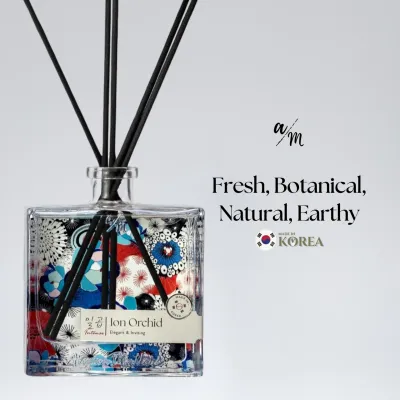
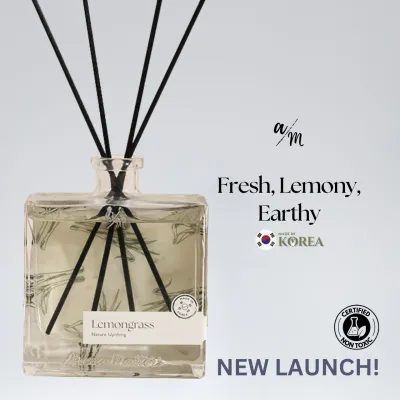
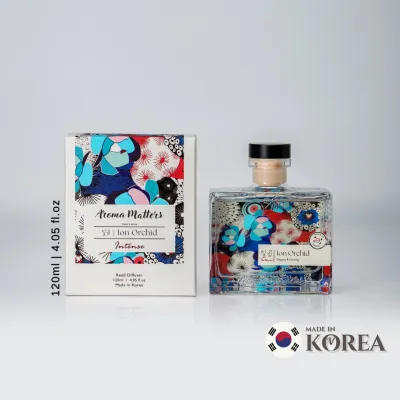
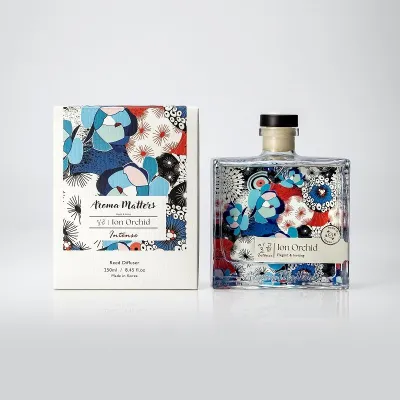
Prices are valid at publication and may change. Please refer to the product page for the latest price.
The reeds themselves act as the delivery system, and their material composition plays a critical role in scent throw and longevity. Traditional rattan reeds contain natural microscopic channels that draw the liquid upward via capillary action. While highly effective, natural rattan can sometimes become clogged by heavier fragrance oils or ambient dust, slowing down the scent distribution. On the other hand, modern synthetic fiber reeds are engineered with uniform porosity. They absorb and release liquid more rapidly and consistently than rattan. While fiber reeds often provide a stronger and more immediate scent throw, they can also draw down the liquid faster if the formulation is highly volatile.
The local climate plays a massive, often overlooked role in how long a home fragrance product lasts. In Singapore, the combination of high ambient humidity and widespread air conditioning creates a unique set of challenges for reed diffusers. In a naturally ventilated room, high humidity can actually slow down the evaporation of certain water-soluble components, but the tropical heat can accelerate the volatility of fragrance oils. Conversely, in air-conditioned spaces, the air is exceptionally dry and constantly moving. This dry environment acts like a sponge, rapidly pulling moisture and volatile oils out of the diffuser bottle, causing the liquid level to drop much faster than it would in a temperate climate.
How to Evaluate Korean Brands for Extended Scent Life
When browsing online marketplaces or specialty boutiques, always look closely at the product specifications and ingredient lists. High-quality Korean diffusers often highlight a high concentration of premium fragrance oils, sometimes referred to as “perfume-grade” or “fine fragrance” oils. While brands rarely disclose their exact proprietary formulas, a higher ratio of fragrance oil to solvent generally translates to a richer, more enduring scent. Be cautious of products that list alcohol or water as the primary ingredients, as these are often used as cheap fillers that compromise both scent quality and longevity.

Because scent perception and evaporation rates are highly subjective and environmentally dependent, customer reviews are invaluable. Look for feedback from buyers who live in similar tropical climates or use the product in comparable spaces, such as small bathrooms or large living areas. Pay attention to reviews that specifically mention how many weeks or months the scent remained noticeable, rather than just initial impressions out of the box. A diffuser that smells wonderful on day one but fades to nothing by day ten is a poor investment.
A brand’s commitment to sustainability and long-term use is a strong indicator of product quality. Reputable Korean fragrance houses frequently offer bulk refill bottles and separate packs of replacement reeds. This design philosophy not only reduces packaging waste but also offers excellent cost efficiency. Instead of purchasing a brand-new decorative glass vessel every time the liquid runs dry, you can simply purchase a refill and a fresh set of reeds, allowing you to maintain a continuous scent experience for a fraction of the cost.
Exploring Korean Home Fragrance Categories for Long-Lasting Scents
Korea has seen a rise in sophisticated, independent perfumery houses that treat home fragrance as an art form. These brands focus on complex, multi-layered scent profiles—such as earthy moss, Hinoki wood, and subtle florals—rather than simple, single-note scents. Because these houses prioritize olfactory depth, they often formulate their diffusers with higher concentrations of fine fragrance oils and premium, slow-evaporating bases. When exploring these niche options, check the product descriptions for specific oil concentrations and recommended room sizes to ensure the scent matches your space.
Many well-known Korean beauty, skincare, and lifestyle brands have expanded their portfolios to include home fragrance lines. These products are highly sought after for their minimalist, Instagram-worthy packaging that doubles as home decor. While these brand extensions are incredibly stylish, their performance can vary. Some brands invest heavily in high-quality formulations, while others treat diffusers as secondary novelty items. To avoid disappointment, verify the actual lifespan of these lifestyle diffusers through independent user reviews rather than relying solely on the brand’s mainstream reputation.
When researching Korean diffusers, it is wise to evaluate the brand’s overall focus. A company that specializes exclusively in home scenting, candles, and diffusers is more likely to have perfected its formulation chemistry than a fashion or cosmetics brand that produces diffusers as a seasonal sideline. Look for brands that offer detailed information about their sourcing, safety testing, and formulation standards, as this transparency often correlates with a more reliable and longer-lasting product.
Practical Tips to Maximize Diffuser Lifespan and Scent Throw
To maintain a consistent scent throw without draining your diffuser too quickly, establish a regular reed-flipping routine. Carefully flip the reeds over a paper towel or sink to prevent any oil droplets from damaging your wooden furniture or countertops. Flipping the reeds once every one to two weeks is generally sufficient to refresh the scent. If you flip them too frequently, you will accelerate the consumption of the liquid, causing the bottle to empty much faster.
The physical placement of your diffuser has a profound impact on its evaporation rate. To maximize its lifespan, avoid placing the bottle in direct sunlight, as solar heat warms the liquid and speeds up evaporation. Similarly, keep the diffuser away from active drafts, open windows, and direct airflow from air conditioning units or fans. While a gentle breeze helps disperse the scent, a strong, continuous draft will strip the moisture from the reeds and pull the liquid out of the bottle at an unsustainable rate. Instead, place the diffuser in a high-traffic area with gentle air movement, such as a hallway or near an entryway, where natural foot traffic will help circulate the fragrance.
If you notice that the scent has faded significantly but the liquid level in the bottle has stopped dropping, your reeds are likely clogged. Over time, airborne dust, pet dander, and heavy oil residues accumulate in the microscopic pores of the reeds, blocking the capillary action. When this happens, flipping the reeds will no longer help. Instead of discarding the remaining liquid, simply replace the old reeds with a fresh set of synthetic or rattan reeds to instantly restore the diffuser’s performance.
Frequently Asked Questions (FAQ)
Are Korean reed diffusers safe to use around pets?
When introducing any home fragrance product into a household with pets, safety must be the top priority. Many common essential oils and synthetic fragrance compounds used in reed diffusers—such as tea tree, eucalyptus, citrus, peppermint, and ylang-ylang—can be highly toxic to dogs and cats, even in vaporized form. Always check the ingredient list of your chosen Korean diffuser and consult with a veterinarian if you are unsure about specific compounds. To minimize risks, always place diffusers in well-ventilated rooms, keep them completely out of reach of curious paws, and monitor your pets closely for any signs of respiratory irritation or lethargy.
How often should I flip the reeds in my diffuser?
The frequency of flipping your reeds depends on your personal scent preference, the size of the room, and the ambient airflow. For a standard-sized bedroom or living space, flipping the reeds once every ten to fourteen days provides an ideal balance between a noticeable scent throw and a reasonable liquid consumption rate. If you prefer a highly intense fragrance, you can flip them weekly, but be prepared for the liquid to deplete faster. If the reeds feel dry to the touch or have accumulated a layer of household dust, flipping them will not be effective, and they should be replaced entirely.

Community discussion
Share your experience or ask a question. Comments are reviewed before publication.