
Selecting the ideal cushion cover 40 x 40 option for your Singapore home involves more than just picking an appealing pattern or a recognizable brand name. In a tropical climate characterized by high humidity and intense sunlight, the physical construction, fabric composition, and structural integrity of a cushion cover determine its long-term durability and aesthetic value. A standard 40×40 cm (approximately 16×16 inches) cushion is highly versatile, fitting seamlessly onto deep-seated sofas, accent armchairs, and bed arrangements. However, finding options that maintain their shape, resist fading, and complement your specific interior design style requires a systematic evaluation of material quality and construction standards.
Key Quality Indicators for 40×40 Cushion Covers
To make an informed purchase, you must understand the technical characteristics that separate premium cushion covers from low-grade alternatives. Evaluating these features ensures your selected cushion cover 40 x 40 options remain structurally sound through repeated use and washing cycles.
Fabric Weight and Weave Density Fabric weight, often measured in grams per square meter (GSM), is a primary indicator of durability and drape. For a 40×40 cm cushion cover, heavier fabrics ranging from 200 to 400 GSM—such as heavy cotton canvas, linen-cotton blends, or upholstery-grade velvet—provide the necessary structure to prevent the cushion from sagging or wrinkling excessively. High weave density, which refers to how tightly the individual yarns are woven together, prevents the cushion insert from showing through the fabric and ensures the cover can withstand the internal pressure of a plump insert. When shopping, look for tightly woven textiles where the weave pattern is uniform and free of loose threads, gaps, or uneven yarn thicknesses. Lower GSM fabrics (typically under 150 GSM) tend to lose their shape quickly and can reveal the texture or color of the underlying insert, detracting from the overall presentation.
Products mentioned in this guide
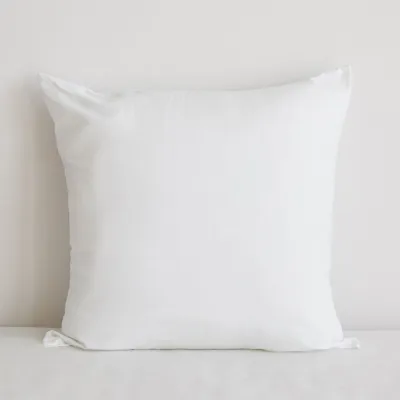
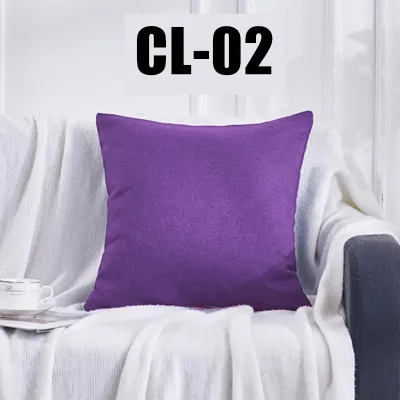
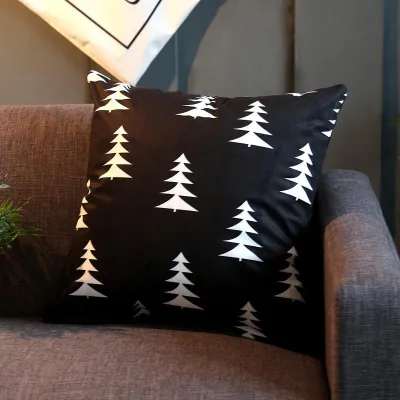
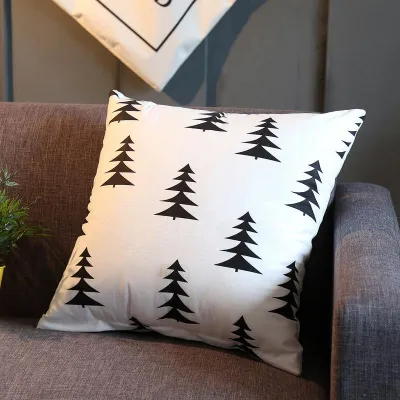
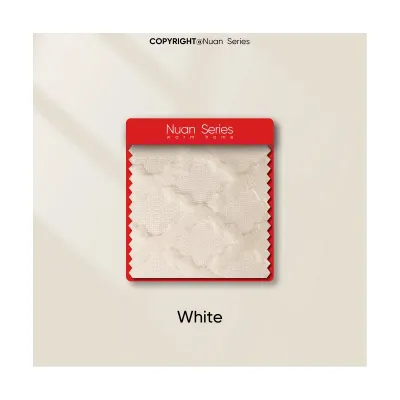
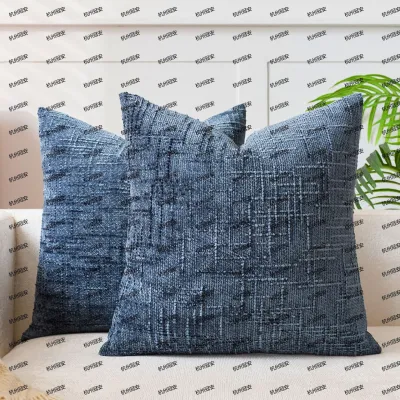
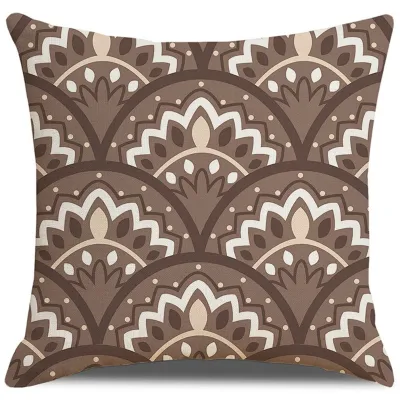
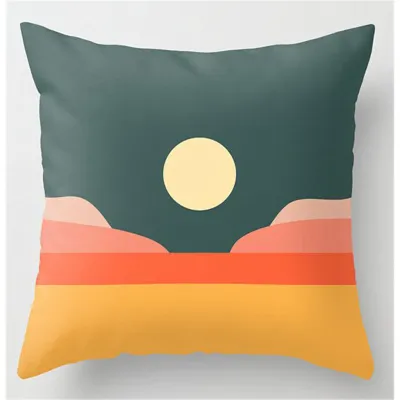
Prices are valid at publication and may change. Please refer to the product page for the latest price.
Construction and Stitching The interior construction of a cushion cover is just as critical as its exterior appearance. High-quality covers feature overlocked or serged interior edges, which encase the raw fabric edges in a protective stitch pattern to prevent fraying during washing. A standard seam allowance of 1.2 to 1.5 centimeters is ideal, as skimpy seam allowances are prone to pulling apart under tension. Examine the corners of the cover; premium manufacturers use reinforced stitching or slightly tapered corners to ensure the finished cushion does not exhibit “dog-ears”—a common issue where the corners of a square cushion appear empty and pointed. Double-stitching along high-tension areas, particularly around the zipper opening, prevents the seams from splitting when you insert or remove the cushion pad.
Closure Mechanisms The closure method affects both the usability and the clean lines of your cushion. Hidden or concealed zippers are the standard for high-end cushion covers, featuring a small, low-profile zipper pull that is tucked beneath a neat fabric flap. This design prevents the zipper from scratching delicate leather sofas or snagging clothing. When evaluating a zipper, test its operation to ensure it glides smoothly without catching on the surrounding fabric. Ensure the zipper tape is securely stitched to the fabric and made of durable polyester or nylon, with a non-corrosive metal or nylon pull tab that can withstand Singapore’s humid air without rusting. Alternative closures, such as deep envelope flaps or fabric-covered buttons, can also be durable if they feature generous fabric overlaps (at least 7 to 10 centimeters) to prevent the insert from spilling out or gaping open.
Dimensional Accuracy and Shrinkage A true 40×40 cm cushion cover must measure exactly 40 by 40 centimeters along its finished seams. Minor deviations of even one centimeter can result in a cover that is either too loose and baggy or too tight, putting excessive strain on the seams and zipper. Because natural fibers like cotton and linen are prone to shrinking when washed, premium brands pre-shrink their fabrics before manufacturing. Verify whether the retailer specifies that the textile is pre-washed or pre-shrunk, as unwashed natural fabrics can shrink by up to 5% to 10% during their first laundering cycle, rendering them unusable for standard 40×40 cm inserts.
Matching Fabric and Design to Your Home Aesthetic
The choice of fabric and design should align with your home’s overarching interior theme. Different materials exhibit distinct visual weights, light-reflecting properties, and tactile qualities that contribute directly to the mood of a room. While aesthetic styles are a matter of personal preference rather than objective performance, selecting the right textile characteristics helps achieve a cohesive design.

Modern Minimalist and Scandinavian
Modern minimalist and Scandinavian design styles prioritize clean lines, functional simplicity, and a sense of spaciousness. For these interiors, cushion covers should focus on solid colors, subtle organic textures, and premium natural fibers that elevate the space without introducing visual clutter.
Material Selection and Texture Washed linen, heavy cotton canvas, and refined cotton-linen blends are ideal for minimalist settings. These fabrics offer a tactile, matte finish that diffuses light softly, contributing to a calm and inviting atmosphere. Rather than relying on bold prints, look for brands that emphasize subtle weave variations, such as a delicate herringbone, a classic basketweave, or a waffle texture. These low-contrast patterns add depth and warmth to a neutral color palette without disrupting the clean visual flow of the room. The spatial effect of light-colored, matte cushions can also make smaller living rooms feel more open and airy.
Color Palettes and Finishes Stick to neutral and muted earth tones, including soft whites, warm beiges, cool greys, sage greens, and dusty blues. In Scandinavian design, a relaxed, slightly wrinkled appearance in linen is considered a desirable characteristic that adds an organic, lived-in feel to the space. Ensure the cushion covers feature clean, flange-free edges or simple knife-edge seams to maintain the sharp, geometric profile required by minimalist aesthetics.
Bohemian and Eclectic
Bohemian and eclectic styles embrace rich layers, global influences, and a playful mix of textures and patterns. In these spaces, a 40×40 cushion cover serves as a canvas for artisanal craftsmanship and vibrant self-expression.
Artisanal Details and Rich Textures To achieve a curated, bohemian look, seek out cushion covers featuring tactile embellishments such as intricate embroidery, tufted cotton, tassels, fringes, and macramé overlays. Luxurious fabrics like cotton velvet or chenille add depth and a sense of warmth, reflecting light differently depending on the pile’s direction. These textured surfaces invite touch and create a layered, cozy environment when grouped together on a sofa or daybed. Heavy velvet or heavily embroidered covers have significant visual weight, so distribute them evenly across your seating arrangement to maintain visual balance.
Pattern Mixing and Sourcing When selecting patterns, look for globally inspired motifs such as ikat, kilim, block prints, or detailed botanical illustrations. To prevent a collection of 40×40 cm cushions from feeling chaotic, establish a unifying color thread—such as a shared terracotta, mustard, or indigo accent—across the different designs. Look for independent local designers, boutique homeware shops, or specialized online platforms that collaborate directly with textile artisans, ensuring unique designs that stand out from mass-produced items.
Tropical and Resort-Inspired
Tropical and resort-inspired designs are highly popular in Singapore, as they complement the city’s lush natural environment and indoor-outdoor living architecture. This aesthetic focuses on breezy, breathable materials and motifs that bring the tranquility of nature indoors.
Botanical Motifs and Natural Weaves Look for cushion covers featuring bold botanical prints, such as palm fronds, banana leaves, or tropical floral designs. To balance these striking visual elements, pair them with solid-colored covers made from highly textured, natural fibers like jute-blend weaves, ramie, or coarse linen. These materials mimic the organic textures of rattan and bamboo furniture, reinforcing the resort-like atmosphere.
Humidity-Resistant and Outdoor Fabrics Because tropical-style living spaces often open onto balconies or patios, consider the placement of your cushions. For semi-outdoor areas, transition to specialized indoor-outdoor fabrics designed to withstand higher humidity levels and occasional UV exposure. These fabrics are typically treated to resist moisture, mold, and fading, ensuring that vibrant greens, deep teal blues, and warm timber-toned accents remain bright and fresh despite the challenging tropical climate. For true outdoor use, look for solution-dyed acrylics or polyester fabrics treated with UV-inhibitors, which offer superior fade resistance compared to standard cotton prints.
Where to Source Quality Cushion Covers in Singapore
Navigating the retail market in Singapore requires a strategic approach to ensure you receive genuine quality and accurate sizing. Understanding the advantages and limitations of different sourcing channels allows you to find the perfect cushion cover 40 x 40 options for your budget and style.
Local Homeware Boutiques and Concept Stores Shopping at independent, physical boutiques located in design-focused neighborhoods allows for a hands-on evaluation of fabric quality. You can physically assess the weight of the textile, test the smoothness of the zippers, and verify that the seams are straight and securely stitched. These curated stores often source unique, limited-edition designs from local and regional designers, making them excellent options if you want to avoid mass-market styles. Additionally, physical stores allow you to view the fabrics under both natural daylight and warm artificial lighting, which is crucial since color perception changes dramatically depending on the light source. While prices at boutique stores are generally higher, the tactile assurance and design exclusivity often justify the investment.
Large-Scale Furniture and Decor Retailers For reliable everyday basics, standard sizing, and budget-friendly updates, major home decor chains and department stores are highly practical. These retailers maintain strict quality control standards, ensuring that a cushion cover labeled as 40×40 cm is dimensionally accurate. They offer seasonal collections that make it easy to coordinate multiple cushions within a pre-designed color scheme. Visiting their physical showrooms allows you to feel the fabrics in person and compare different materials side by side before purchasing.
Online Custom and Specialty Workshops If you have highly specific fabric requirements or unique sizing needs, commissioning custom cushion covers from online specialty workshops or artisan platforms is a viable path. This channel allows you to select your exact fabric composition, pattern placement, and closure type. To ensure a successful custom order, always request physical fabric swatches if available, or ask for high-resolution close-up photographs of the textile weave. Clearly specify the finished dimensions (40×40 cm) and clarify the retailer’s return and alteration policies, as custom-made items are rarely eligible for standard refunds unless a manufacturing defect is present.
Pre-Purchase Verification Checklist Regardless of where you choose to shop, use this verification checklist to evaluate any cushion cover before finalizing your purchase:
- Check the Material Label: Look for a clear breakdown of fabric composition (e.g., 100% cotton, 100% linen, or specific polyester-blend ratios) rather than vague terms like "synthetic blend."
- Inspect Care Instructions: Ensure the cleaning requirements fit your lifestyle; delicate fabrics requiring professional dry cleaning may not be practical for high-use living rooms.
- Read Customer Reviews: Look for independent customer feedback, paying close attention to user-submitted photos that show how the fabric behaves in real-world settings and whether reviewers report issues with post-wash shrinkage or zipper failure.
- Verify Return Policies: Ensure the retailer offers a clear return or exchange window in case the color or texture does not match your home lighting as expected.
Maintaining Fabric Quality in Singapore's Climate
Singapore’s year-round warmth and high relative humidity present unique challenges for home textiles. Implementing a proper maintenance routine is essential to protect your cushion covers from mold, color fading, and premature wear.
Moisture and Mold Prevention High indoor humidity can cause moisture to become trapped within cushion inserts and covers, creating an ideal environment for mold and mildew growth. To prevent this, ensure that both the cushion cover and the inner insert are completely dry before placing them on your furniture. If you wash your covers, allow them to air-dry thoroughly in a well-ventilated space, avoiding damp indoor areas which can cause musty odors. In rooms that receive limited natural airflow, consider using a dehumidifier or regularly running an air conditioner to maintain a lower ambient humidity level. Periodically taking your cushions outdoors to air out in a shaded, well-ventilated area helps dissipate any trapped moisture. If mildew spots do appear, address them promptly using a gentle, fabric-safe oxygen bleach rather than harsh chlorine bleach, which can degrade fibers and strip colors.
Sunlight and Fading Protection Direct, harsh sunlight streaming through large windows can rapidly degrade textile fibers and cause vibrant dyes to fade or discolor. To protect your cushion covers, avoid placing dark or highly saturated colors in direct path of afternoon sun. You can mitigate UV damage by using sheer curtains or solar-control window films to diffuse the intense sunlight while still enjoying natural light. Additionally, rotate your cushions weekly so that any sun exposure is distributed evenly, preventing one side of the cushion from becoming noticeably lighter than the other.
Routine Cleaning and Care Regular maintenance prevents dust, pet hair, and airborne allergens from settling deep into the fabric fibers. Use a vacuum cleaner equipped with a clean upholstery attachment to gently sweep the surface of your cushion covers at least once a week. This process removes loose dirt before it can become embedded in the weave. For textured fabrics like tufted cotton, embroidery, or velvet, vacuuming helps lift and restore the pile, keeping the covers looking fresh and plump.
Washing Protocols and Fabric Safety Before washing any cushion cover, always locate and read the manufacturer’s care label. For machine-washable fabrics like cotton canvas or linen, turn the cover inside out and zip it closed before placing it in the washing machine; this protects the zipper pull and prevents the outer face of the fabric from rubbing against the machine drum. Use a gentle cycle with cool water and a mild, pH-neutral liquid detergent to preserve color brightness. For delicate materials such as silk, delicate embroidery, or heavy upholstery velvet, hand-washing or professional dry cleaning is recommended to prevent fabric distortion, pilling, or severe shrinkage.
Frequently Asked Questions (FAQ)
Should I buy a 40×40 insert for a 40×40 cover?
To achieve a plump, professional, and luxurious appearance, it is generally recommended to use a cushion insert that is slightly larger than the cover. For a 40×40 cm cushion cover, pairing it with a 45×45 cm insert filled with feathers or a high-quality down-alternative polyester fiber will fill out the corners completely and eliminate loose, wrinkly fabric. However, if you are using a very stiff, heavy upholstery fabric or prefer a flatter, more relaxed and casual aesthetic typical of some minimalist styles, using an exact 40×40 cm insert will yield the correct fit without putting unnecessary tension on the seams and zipper.
How can I verify fabric quality when shopping online?
When purchasing cushion covers online without the benefit of a physical touch test, look for detailed product specifications that outline the exact material composition and fabric weight (such as GSM). Reputable online retailers provide high-resolution zoom features or close-up photos of the fabric weave, allowing you to inspect the tightness and uniformity of the threads. Read through customer reviews specifically searching for mentions of fabric thickness, softness, and durability after washing. Finally, choose online platforms that offer clear, hassle-free return policies so you can return or exchange the covers if the physical material does not meet your quality expectations upon arrival.

Community discussion
Share your experience or ask a question. Comments are reviewed before publication.