
Finding a quality flower vase in Singapore involves balancing aesthetic appeal with structural integrity. In a market shaped by diverse interior design trends—ranging from sleek Scandinavian minimalism and Japandi fusion to rich, tropical-inspired spaces—the right vase does more than hold water; it anchors a room’s visual narrative. To identify reputable brands that offer genuine longevity, buyers must look beyond superficial styling and evaluate material composition, manufacturing techniques, and retail authenticity. Whether you are decorating a compact HDB apartment, a modern condominium, or a spacious landed home, understanding the markers of high-quality craftsmanship ensures your investment remains a timeless centerpiece.
Defining Quality and Design in Flower Vases
A fundamental step in selecting a high-quality vase is distinguishing between functional vessels and purely decorative objects. Functional vases require absolute water-tight integrity to prevent moisture from seeping onto delicate wooden tabletops, stone consoles, or veneered shelving. High-quality brands typically glaze the interiors of ceramic pieces completely to seal porous clay bodies, whereas decorative vessels may leave interiors unglazed or use materials that are susceptible to water damage over time. When a ceramic vase is not fired at a sufficiently high temperature or lacks a proper interior glaze, water can slowly transpire through the clay, leaving a damp ring on your furniture.
Design aesthetics play a significant role in how a brand positions its collections and maintains relevance. Premium brands often collaborate with established industrial designers and ceramicists to create cohesive collections that transcend passing trends. These pieces are designed with balanced proportions, ensuring they look complete whether they are filled with fresh tropical blooms or left empty as sculptural art. A well-designed vase possesses a sense of visual weight and balance, allowing it to stand alone as an independent design object when not in use.
Products mentioned in this guide
![[Local Stock] Elegant Transparent Glass Plant Flower Vase Pot](https://img.lazcdn.com/g/p/7bf4a85e45340c7fb55ec566cbed6128.jpg_400x400q80.jpg_.webp)
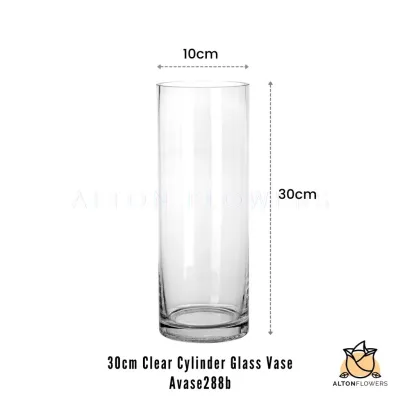
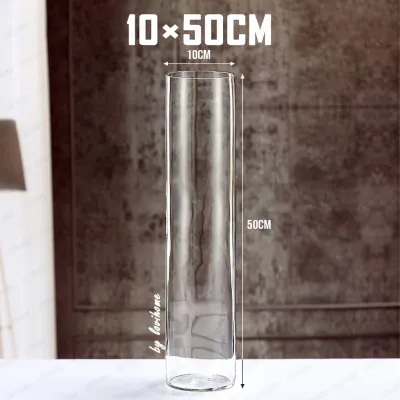
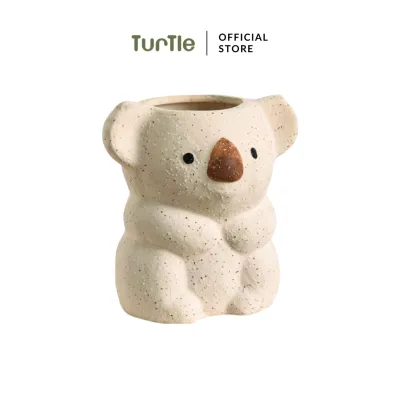
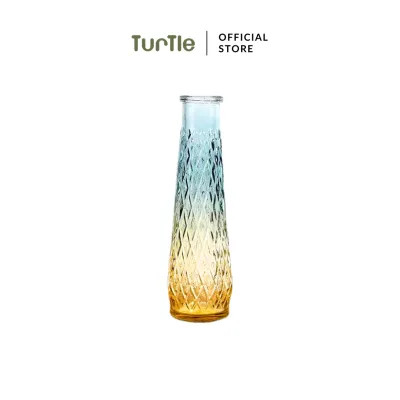
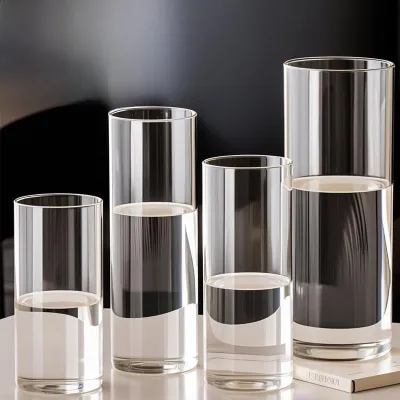
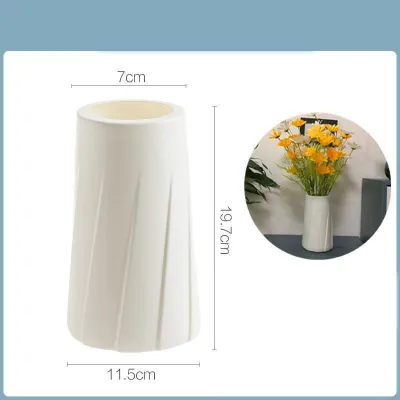
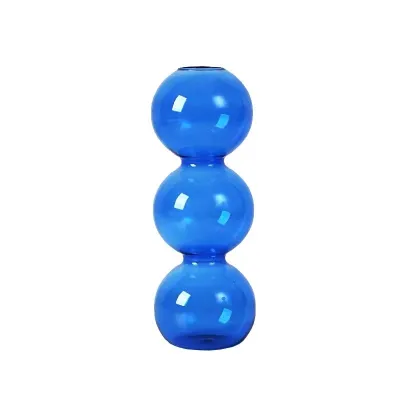
Prices are valid at publication and may change. Please refer to the product page for the latest price.
The relationship between a brand’s design philosophy and its material choices directly impacts the longevity of each piece. Brands committed to sustainable luxury often select high-fired stoneware or thick, lead-free glass. These materials resist chipping, scratching, and staining from mineral deposits in tap water, ensuring the vase retains its pristine finish through years of regular use. By prioritizing high-grade raw materials, reputable brands ensure that their designs do not just look beautiful on display but also withstand the physical demands of holding heavy water volumes and woody floral stems.
Exploring Popular Vase Styles and Brand Categories
Navigating the market becomes significantly easier when you categorize brands by their core design movements. Rather than searching aimlessly, identifying the specific aesthetic school a brand belongs to helps you align your purchase with your existing home decor. This approach allows you to evaluate whether a brand’s production methods match your expectations for daily utility or artistic display.

Minimalist and Contemporary Designs
Minimalist brands focus on clean lines, geometric silhouettes, and understated finishes that complement modern Singaporean interiors. These designs often feature matte, textured, or satin glazes in neutral tones like sand, charcoal, terracotta, and off-white. The beauty of these pieces lies in their restraint, allowing the natural form of the foliage to take center stage. Many contemporary brands utilize slip-casting techniques to achieve highly precise, uniform shapes that fit seamlessly into minimalist or industrial-themed spaces.
In terms of market positioning, contemporary minimalist brands often occupy a mid-to-high price tier, reflecting the precision required to produce flawless, unadorned surfaces. Because there are no intricate patterns to hide imperfections, these brands must maintain strict quality control during the firing and glazing processes. You will commonly find these collections stocked in curated design boutiques, high-end lifestyle concept stores, and dedicated home decor showrooms across Singapore’s design districts.
Classic, Artisanal, and Statement Pieces
For those seeking a more dramatic focal point, artisanal brands offer pieces rich in texture, color, and historical reference. These collections frequently showcase hand-blown glass with organic bubbles, complex multi-layered glazes, or hand-carved ceramic details. Each piece carries subtle variations, making it a unique work of art that tells a story of craftsmanship. These brands often draw inspiration from traditional pottery techniques, resulting in organic shapes that celebrate natural imperfections.
Artisanal and statement vases often require specialized care and careful placement due to their delicate structures or substantial weight. Heavy hand-blown glass or large ceramic urns demand stable, level surfaces away from high-traffic pathways. When investing in these premium pieces, it is essential to consider how their unique shapes, iridescent glazes, or textured surfaces will interact with natural light in your living space, as these factors can dramatically alter the visual atmosphere of a room.
Evaluating Materials and Craftsmanship Standards
Before finalizing a purchase, physically inspecting a vase or carefully reviewing its technical specifications is crucial for verifying quality. Different materials offer distinct advantages and limitations regarding durability, weight, and water retention.
Ceramics remain a highly popular choice, but their performance varies by type. Earthenware is highly porous and must be fully glazed to hold water safely. Stoneware is fired at higher temperatures, making it denser, highly durable, and naturally more water-resistant. Porcelain offers a refined, translucent quality and exceptional strength, though it is often more delicate to handle. When evaluating ceramic brands, look for stoneware or porcelain options if you plan to use the vase frequently for fresh flowers.
Glass vases provide excellent clarity and classic appeal, but thickness and composition matter. High-quality glass brands use lead-free crystal or thick soda-lime glass that provides a reassuring weight. This weight is essential for preventing the vase from tipping over when holding top-heavy floral arrangements. Additionally, high-quality glass is free from unsightly air bubbles (unless they are an intentional design feature) and exhibits high clarity without a cloudy or yellowish tint.
To verify craftsmanship, perform a few simple visual and tactile checks. Run your fingers along the rim and base; a quality vase should have smooth, even edges without sharp seams or rough patches that could scratch your furniture. Examine the glaze under bright light to ensure there are no pinholes, running drips, or uneven patches, which indicate poor firing control. The bottom of the vase, or the foot ring, should be sanded smooth; rough, unpolished ceramic bases can easily scratch delicate wooden or glass tabletops.
Additionally, check the base of the vase to ensure it sits perfectly flat without wobbling. Reading the manufacturer’s labels or product documentation can reveal crucial information about material composition and care. Look for clear indications of whether the vase is water-safe, hand-wash only, or treated with specialized finishes that require gentle cleaning agents. High-quality brands are transparent about their materials and provide clear guidelines on how to maintain the integrity of their products.
Navigating Retail Channels and Verifying Authenticity
Acquiring a genuine, high-quality vase requires sourcing from reputable retail channels. In Singapore, consumers can choose between brand flagship showrooms, authorized multi-brand home decor retailers, and online marketplaces.
Purchasing directly from official brand flagships or authorized stockists provides the highest level of security. These retailers receive inventory directly from the manufacturers, ensuring you receive an authentic product backed by genuine customer support. They can also provide detailed background information on the designers and the specific care requirements of each collection. Visiting a physical showroom also allows you to feel the weight and texture of the vase in person, which is highly recommended for premium purchases.
When shopping on general e-commerce platforms, extra vigilance is necessary to avoid counterfeit products or low-quality imitations. Verify the seller’s credentials by checking official brand websites for authorized stockist lists. Be cautious of listings with unusually low prices, as authentic designer pieces maintain consistent pricing structures globally. If a deal seems too good to be true, it is highly likely to be a replica made from inferior materials.
Buying from authorized channels also protects your investment during transit. Reputable retailers use specialized, shock-absorbent packaging designed to protect fragile glass and ceramics. They also offer clear return policies and warranties that cover any damage sustained during delivery, which is a common risk when purchasing delicate home decor online. Ensure you review the retailer’s policy on transit damage before completing your purchase, especially when ordering larger or more delicate statement pieces.
Pre-Purchase Checklist for Your Space
To ensure your chosen vase functions beautifully in your home, complete a quick spatial and practical assessment before buying.
First, measure the exact dimensions of the surface where the vase will stand. Consider shelf depth and table width to ensure the base fits securely without overhanging. For tall floor vases, measure the vertical clearance to ensure the combined height of the vase and your floral arrangements does not crowd the ceiling or block wall-mounted light fixtures. In Singapore’s humid climate, it is also wise to place a felt pad or coaster beneath ceramic vases to prevent condensation from trapping moisture against wooden surfaces.
Next, match the vase’s physical characteristics to your preferred floral styles. If you enjoy heavy, woody stems like eucalyptus, cherry blossoms, or large tropical monstera leaves, you will need a heavy vase with a wide, stable base to prevent tipping. Conversely, delicate wildflowers or single stems pair beautifully with narrow-necked bud vases. A good rule of thumb for floral design is the golden ratio: the height of your flower stems should be approximately one and a half to two times the height of the vase.
Finally, consider the practicalities of long-term maintenance. Vases with narrow necks or intricate, angular shapes can be challenging to clean inside, making them better suited for dry arrangements or faux botanicals. If you plan to use fresh flowers regularly, choose a design with a wider opening that allows easy access for thorough scrubbing to prevent bacterial buildup, which can shorten the lifespan of your floral arrangements.
Frequently Asked Questions (FAQ)
How do I clean a ceramic vase with a narrow neck?
To clean a narrow-necked ceramic vase safely, fill it with warm water, a few drops of mild dish soap, and a tablespoon of uncooked rice or baking soda. Gently swirl the mixture around to allow the abrasive particles to scrub away residue without scratching the interior glaze. Avoid harsh chemical bleach or stiff wire brushes, as these can degrade unglazed interior clay or damage delicate exterior finishes.
Are heavy glass vases safe for high-traffic areas?
Heavy glass vases can be used in active areas, but they require careful placement to minimize safety risks. Ensure the vase is placed on a solid, level surface that is completely free from wobble. In homes with young children or active pets, avoid placing heavy glass on low coffee tables or edge positions; instead, display them on secure shelving, consoles, or mantelpieces where they cannot be easily bumped.
Community discussion
Share your experience or ask a question. Comments are reviewed before publication.