
Selecting reliable and energy-efficient solar lights in Singapore requires looking beyond aesthetic designs. To find fixtures that truly deliver long-term savings and consistent performance, you must evaluate how well they withstand the local tropical climate and how efficiently they convert and store solar energy. While many options flood the market, the most trustworthy brands distinguish themselves through robust ingress protection, advanced battery chemistry, high-conversion monocrystalline solar panels, and intelligent power management.
By focusing on verifiable technical specifications rather than generic marketing claims, you can identify high-performing outdoor lighting that suits your specific space. This guide outlines the essential environmental standards, key efficiency metrics, and practical selection criteria to help you invest in durable solar lighting for your home or property.
What Makes a Solar Light Brand Reliable in Singapore's Climate?
Singapore’s equatorial climate presents unique physical challenges for outdoor electronic devices. High relative humidity, frequent intense rainfall, and constant year-round ultraviolet (UV) exposure can rapidly degrade low-quality fixtures. To ensure a solar light brand is truly reliable, you must verify that its products are engineered to survive these harsh environmental conditions over several years of continuous exposure.
Products mentioned in this guide
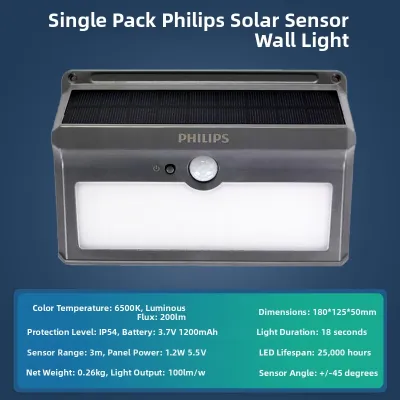
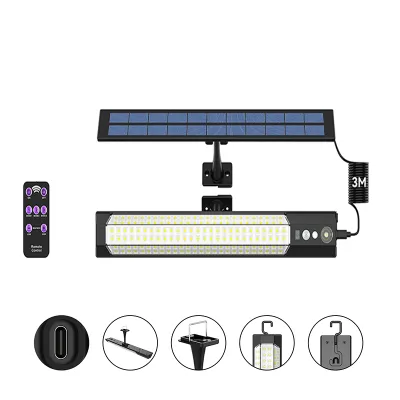
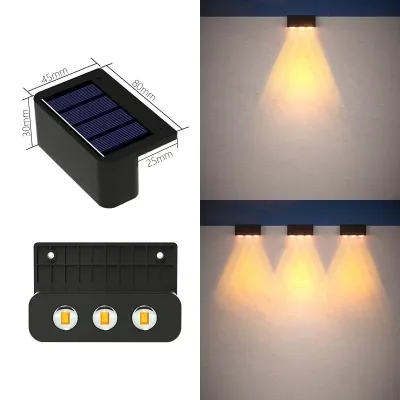
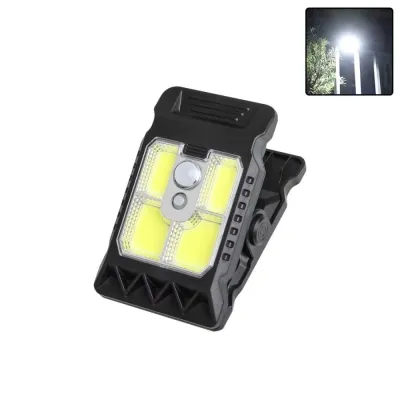
Prices are valid at publication and may change. Please refer to the product page for the latest price.
Moisture ingress is the primary cause of premature outdoor lighting failure. Singapore experiences sudden, heavy downpours during the monsoon seasons, which can easily penetrate poorly sealed housings. When shopping for solar lights, look for an Ingress Protection (IP) rating of IP65 or higher for any fixture exposed to direct rain. An IP65 rating indicates that the light is completely dust-tight and protected against water jets from any angle, while IP66 or IP67 ratings offer even greater protection against high-pressure water jets or temporary submersion in shallow puddles.
Material durability is another critical factor in preventing physical degradation. Constant exposure to intense solar radiation can cause cheap plastics to yellow, warp, and crack within months. Reliable brands construct their outer housings from UV-stabilized polycarbonate, anodized aluminum, or marine-grade stainless steel. These premium materials maintain their structural integrity and optical clarity, ensuring that the protective lens covering the LED chips and the solar panel does not cloud over and block light transmission.
Thermal management is equally vital for the longevity of the internal storage cells. Solar lights sit in direct sunlight all day, and surface temperatures on outdoor fixtures can easily exceed 50°C. Standard Lithium-ion (Li-ion) or Nickel-Metal Hydride (NiMH) batteries degrade rapidly under sustained high heat, losing their storage capacity within a year. Reputable brands increasingly utilize Lithium Iron Phosphate (LiFePO4) batteries. This chemistry offers superior thermal stability, handles high operating temperatures safely without swelling, and provides a significantly longer lifespan—often lasting over 2,000 charge-discharge cycles compared to just 300 to 500 cycles for standard lithium cells.
Key Metrics for Evaluating Solar Light Energy Efficiency
Energy efficiency in solar lighting determines how much illumination you receive relative to the amount of sunlight captured during the day. Evaluating these technical metrics allows you to compare different brands objectively and select fixtures that will reliably run through the night, even after overcast days.

- Solar Panel Type: The conversion efficiency of the solar panel is the foundation of the entire system. Monocrystalline solar panels, made from high-purity single-crystal silicon, typically offer conversion efficiencies of 19% to 22%. Polycrystalline panels, which consist of multiple silicon fragments melted together, are cheaper to produce but only achieve 15% to 17% efficiency. In urban Singapore, where high-rise buildings and mature trees can create partial shading, monocrystalline panels are highly recommended because they maximize energy generation within a smaller physical footprint.
- Luminous Efficacy: To understand the true efficiency of the light source, look at the luminous efficacy, measured in lumens per watt (lm/W). Lumens indicate the total amount of visible light emitted, while watts measure the electrical power consumed. High-quality fixtures utilize premium LED chips that deliver high efficacy, such as 130 to 180 lm/W. This allows the fixture to produce bright light while drawing minimal power from the battery, extending the overall runtime.
- Smart Power Management: Efficient solar lights do not run at 100% brightness continuously. Instead, they use smart sensors and programmed dimming profiles to conserve energy. Passive Infrared (PIR) motion sensors allow the light to remain at a low standby level (e.g., 10% brightness) and instantly ramp up to full power only when motion is detected. Dusk-to-dawn photocells automate the on-off cycle, ensuring the light never wastes battery power during daylight hours.
- Battery Capacity and Power Draw: You can estimate realistic operating hours by comparing the battery capacity in Watt-hours (Wh) to the LED power draw. To find the capacity, multiply the battery voltage (V) by its Ampere-hour (Ah) rating. For example, a 3.2V 6,000mAh (6Ah) battery holds 19.2Wh of energy. If the LED draws a constant 2 watts, the battery can theoretically support the light for up to 9.6 hours of continuous operation on a full charge. If a manufacturer claims a 12-hour runtime for a high-wattage light with a tiny battery, the math reveals that the claim is likely unrealistic unless aggressive dimming is used.
How to Identify Trustworthy Solar Lighting Brands
Because the outdoor lighting market features a wide range of brands, identifying trustworthy manufacturers requires evaluating their warranty policies, safety certifications, and long-term customer feedback. A reliable brand provides transparency regarding its specifications and supports its products with accessible customer service.
Prioritize brands that offer clear, written warranties of at least one to three years. Because solar lights operate in demanding outdoor environments, components like the battery and the solar panel are subject to wear. A manufacturer that stands behind its products with a multi-year warranty demonstrates confidence in its build quality. Additionally, choosing brands with local distributors or dedicated customer support in Singapore makes it much easier to obtain replacement parts or process warranty claims without dealing with expensive international shipping.
Verify that the brand’s products carry recognized international electrical and safety certifications, such as CE, RoHS, and local compliance marks where applicable. These certifications guarantee that the electronic components have undergone standardized testing for electrical safety, electromagnetic interference, and the restriction of hazardous substances. Uncertified, generic fixtures may use substandard wiring or low-grade battery protection circuits, increasing the risk of short circuits or premature component failure.
When evaluating different market options, consider the brand’s specialization. Established global lighting manufacturers typically offer exceptional quality control, standardized testing, and highly accurate technical specifications, though their product ranges may carry a price premium. Conversely, specialized outdoor solar lighting brands focus exclusively on off-grid systems. These specialists often provide innovative, integrated designs and cost-effective solutions tailored specifically for residential landscaping and security.
Finally, analyze long-term user feedback on online marketplaces and specialized home improvement forums. Avoid relying solely on immediate, five-star reviews written right after unboxing. Instead, search for detailed reviews written after six to twelve months of continuous outdoor use. Look for consistent feedback regarding how well the battery holds its charge over time, whether moisture accumulates inside the lens, and how reliably the motion sensors respond in wet weather.
Matching Solar Light Types to Your Outdoor Spaces
Different outdoor areas require specific light distributions, mounting heights, and power capacities. Selecting the right category of solar light ensures that you achieve the desired lighting effect without wasting stored energy.
Security and Flood Lights
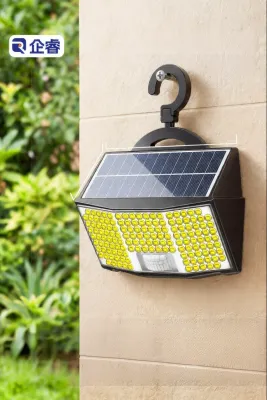
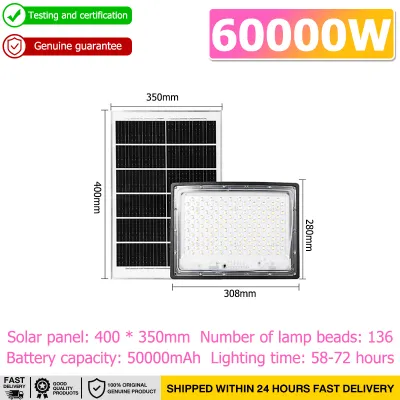
Security and flood lights are designed to deter intruders and provide high-visibility illumination over large areas like driveways, car porches, and side pathways. These fixtures require high lumen outputs—typically ranging from 1,000 to over 5,000 lumens—and wide beam angles of 120 degrees or more. They must be equipped with sensitive PIR motion sensors that feature a detection range of at least 8 to 12 meters. Because security lights draw significant power during active periods, they require large solar panels and high-capacity LiFePO4 batteries to support frequent triggers throughout the night. If you reside in an HDB flat or a condominium, always consult your town council or building management guidelines before installing fixtures in common corridors or external walls to ensure compliance with local fire safety and common property regulations.
Pathway and Garden Lights
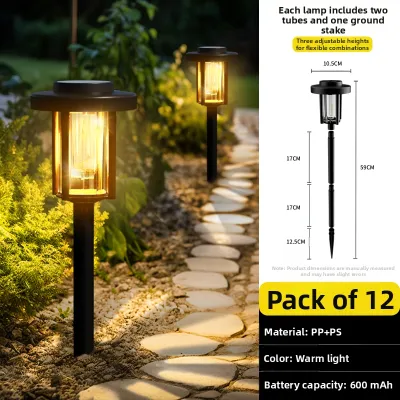
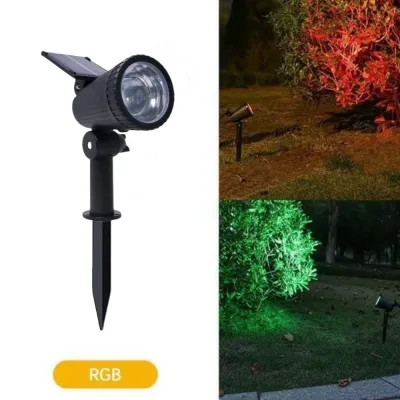
Pathway and garden lights focus on low-glare, ambient illumination (usually 50 to 200 lumens) to guide foot traffic safely along garden paths, steps, and borders. For these fixtures, aesthetic durability and ground stability are paramount. Look for lights constructed with sturdy ground spikes made of reinforced polycarbonate or corrosion-resistant metals like anodized aluminum. To prevent light pollution and avoid casting harsh glare into your own or your neighbors’ windows, select designs that direct the light downward toward the ground rather than dispersing it outward in all directions.
Decorative and String Lights
Decorative and string lights are ideal for creating a warm, inviting atmosphere on balconies, patios, and pergolas. The primary quality indicator for these lights is the weatherproofing of the connecting cables and individual LED sockets. Ensure the entire string carries an IP65 rating to prevent water from seeping into the electrical connections during heavy rain. Because decorative lights are typically left on continuously for several hours in the evening, their energy efficiency relies on low-wattage, highly efficient LED filaments paired with a separate, adjustable solar panel that can be positioned independently to catch maximum daily sunlight.
Installation and Maintenance for Long-Term Reliability
Proper installation and routine maintenance are essential to keep your solar lights operating at peak efficiency and to maximize their overall lifespan. Even the highest-quality fixtures will underperform if they are poorly positioned or neglected.
- Optimal Solar Panel Placement: Position the solar panels where they will receive direct, unobstructed sunlight for at least six to eight hours daily. In Singapore, placing panels with a south- or southeast-facing orientation generally captures the most consistent solar radiation throughout the year. Be mindful of shadows cast by nearby buildings, walls, or fast-growing tropical foliage like palms, ferns, and bougainvillea. Trim back overhanging branches regularly to prevent shading, as even partial shadows on a solar panel can drastically reduce its charging efficiency.
- Routine Panel Cleaning: Over time, a fine layer of dust, pollen, bird droppings, and industrial soot can accumulate on the surface of the solar panel. This debris blocks sunlight and can reduce charging efficiency by 20% or more. Gently wipe the panel surface every few months using a soft microfiber cloth dampened with clean water. Avoid using abrasive scrubbing pads, steel wool, or harsh chemical detergents, as these can scratch the protective glass or polymer coating, permanently reducing light transmission.
- Managing Battery Lifespan: All rechargeable batteries degrade over time. If you notice that your solar lights only stay illuminated for an hour or two after a full day of clear sunshine, the battery has likely reached the end of its useful life. When replacing batteries, always check the manufacturer's care instructions for compatible battery specifications, voltage, and chemistry. Ensure you dispose of old batteries safely at designated e-waste recycling points across Singapore.
- Safety Boundaries: For high-mounted security lights, heavy structural fixtures, or any hybrid solar systems that connect directly to your home's fixed mains electrical wiring, always consult a qualified professional or a licensed electrical worker. Always review the product's instruction manual and the treated item's manufacturer instructions before attempting any installation or maintenance. If instructions conflict, stop and consult the manufacturer or a qualified professional.

Community discussion
Share your experience or ask a question. Comments are reviewed before publication.