
To find the best bedroom wall light brands in Singapore, you must look beyond aesthetic appeal and focus on electrical safety, material durability, and local compatibility. Because Singapore operates on a 230V electrical grid and requires specific safety certifications, the ideal brand is one that offers certified fixtures, reliable heat dissipation, and styles that complement your specific bedroom layout. Rather than chasing a single universal brand name, homeowners achieve the best results by categorizing brands into specialized design houses, local boutique curators, and established global manufacturers, then evaluating them against strict technical and functional criteria.
Defining Your Bedroom Lighting Needs and Style
Before evaluating specific brands, you must clarify how the wall lights will function within your bedroom layout. Bedroom lighting generally serves two distinct purposes: focused task lighting or soft ambient lighting. If you enjoy reading in bed, you require a task light with a narrow, directional beam angle—typically between 15 and 30 degrees—to illuminate your book without spilling light onto your partner’s side of the bed. Conversely, if you want to create a relaxing evening atmosphere, ambient wall sconces with wide beam angles or upward-facing diffusers are more appropriate, as they wash the walls with a soft, indirect glow.
Matching the fixture style with your existing bedroom decor is essential for visual harmony. Modern Singaporean bedrooms often feature minimalist, Scandinavian, industrial, or mid-century modern aesthetics. A sleek, matte black linear sconce fits perfectly in an industrial loft-style room, while a brushed brass fixture with a hand-blown glass globe complements a warm, mid-century design. Pay close attention to the proportions of the fixture relative to your headboard and bedside tables; an oversized wall light can overwhelm a compact bedroom, while a tiny fixture may look lost on a large feature wall.
Products mentioned in this guide
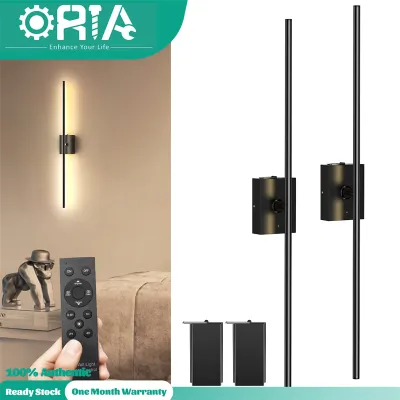
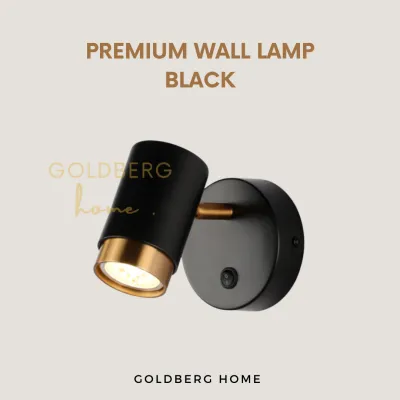
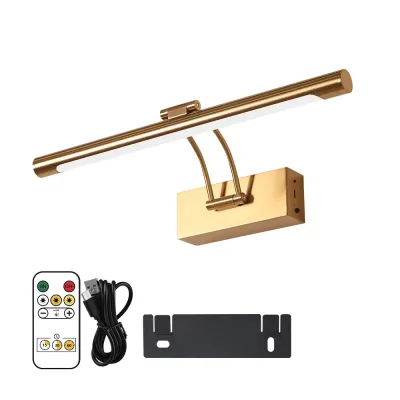
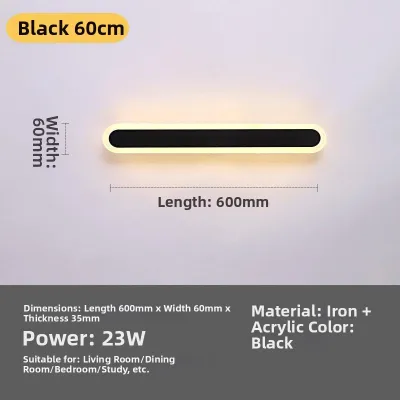
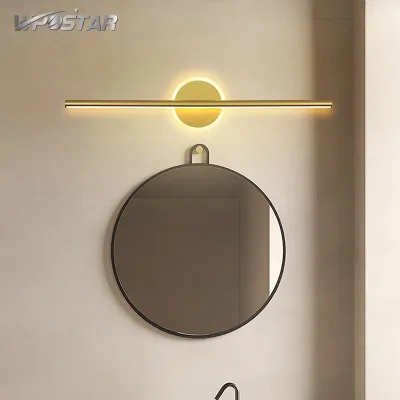
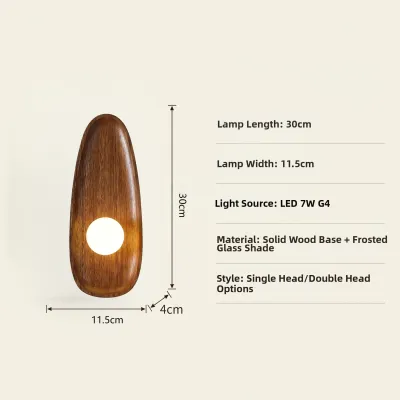
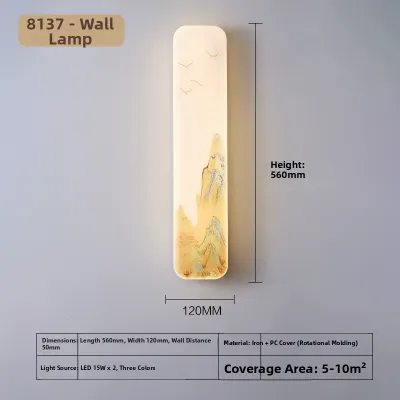
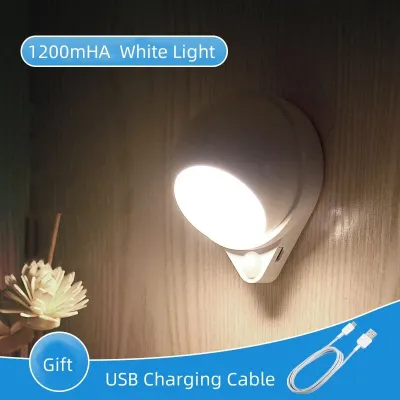
Prices are valid at publication and may change. Please refer to the product page for the latest price.
Technical lighting specifications directly influence how restful your bedroom feels. For a sleep-conducive environment, look for brands that offer warm white light sources, ideally between 2700K and 3000K in color temperature. This range mimics the warm glow of sunset and helps promote melatonin production. Additionally, prioritize fixtures with a high Color Rendering Index (CRI) of 90 or above, which ensures that colors in your bedroom appear natural and vibrant under artificial light. If you plan to use the lights at different times of day, verify whether the brand’s fixtures support dimming, and ensure the dimming method (such as Triac, trailing edge, or smart dimming) is compatible with your wall switches.
Key Criteria for Evaluating Wall Light Brands
When comparing wall light brands, material quality and physical construction should be your primary considerations. Premium brands construct their fixtures from durable metals like solid brass, anodized aluminum, or stainless steel, which resist corrosion and wear. In Singapore’s humid tropical climate, cheap plated metals or low-grade plastics can tarnish, rust, or become brittle over time. Inspect the quality of the finishes; high-quality powder coating or electroplating should be smooth, even, and free of bubbles or thin patches.

For integrated LED wall lights, the brand’s engineering of the internal components is critical to the fixture’s lifespan. LEDs generate heat, and without proper heat dissipation, the light output will degrade rapidly, or the driver may fail prematurely. Reliable brands design their fixtures with robust aluminum heat sinks that draw warmth away from the LED chips. Furthermore, the electronic driver—the component that regulates power to the LED—is the most common point of failure. Reputable brands use high-quality, branded drivers that can withstand minor voltage fluctuations and operate silently without producing an audible buzz or visible flicker.
Evaluating a brand’s long-term support and design consistency is equally important. Established lighting design houses typically offer comprehensive warranties ranging from two to five years, reflecting confidence in their manufacturing standards. They also maintain a supply of replacement parts, such as compatible LED drivers or replacement glass shades, ensuring you do not have to replace the entire fixture if a single component fails. Additionally, specialized brands maintain design consistency across their product lines, allowing you to source matching ceiling lights, pendants, or table lamps to create a cohesive look throughout your home.
In contrast, mass-market manufacturers often prioritize low production costs over durability and optical comfort. While these budget-friendly options may look appealing in online photos, they frequently utilize thin-gauge metals, generic drivers, and basic acrylic diffusers that yellow over time. Specialized lighting design houses invest heavily in optical engineering, ensuring their fixtures distribute light evenly without harsh glare or hot spots. Investing in a reputable brand ensures better energy efficiency, superior light quality, and a significantly longer product lifespan.
Checking Electrical Compatibility and Safety Standards
Singapore’s domestic electrical system operates at a standard voltage of 230V AC with a frequency of 50Hz. When sourcing wall lights, especially from international brands, you must verify that the fixtures are rated for this voltage. Lights designed exclusively for 110V systems, common in North America and Japan, will suffer immediate damage or pose a severe fire hazard if connected directly to Singapore’s grid. Look for fixtures labeled with universal voltage (100V-240V) or those specifically configured for 220V-240V operation.
Electrical safety is paramount when installing permanent fixtures in your home. In Singapore, electrical accessories and controlled goods, including external power adapters and LED drivers, must carry the Safety Mark issued by Enterprise Singapore. This mark indicates that the product has been tested and certified to meet local safety standards. While some decorative wall lights that connect directly to the mains may not require an individual Safety Mark on the chassis itself, any integrated electronic drivers or transformers must be certified. Using uncertified electrical components can void your home insurance policy in the event of an electrical fire.
For any fixed wiring installation, safety boundaries must be strictly observed. Before commencing any work, the mains power must be completely isolated at the main distribution board (DB box) by switching off the corresponding circuit breaker. Never rely solely on the wall switch to cut power. Because working with fixed electrical wiring carries inherent risks of shock and fire, all hardwired installations should be performed by a Licensed Electrical Worker (LEW). A professional installer will ensure that the wiring is safely routed, properly grounded, and compliant with local electrical codes.
Finally, consider the structural requirements of your bedroom walls before purchasing heavy fixtures. Wall lights made of solid brass, cast iron, or thick glass can weigh several kilograms. If you are mounting these fixtures onto concrete or brick structural walls, standard masonry plugs and screws will provide a secure hold. However, if your bedroom features drywall or partition walls, you must locate the timber or metal studs behind the plasterboard to anchor the fixture securely. If mounting between studs, you must use specialized heavy-duty hollow-wall anchors or toggle bolts to prevent the weight of the light from tearing through the drywall over time.
Sourcing and Verifying Products from Retailers
To ensure you are purchasing authentic, high-quality wall lights, choose your retail channels carefully. Visiting physical lighting showrooms in Singapore allows you to evaluate the fixtures in person. You can assess the true color rendering of the light, feel the weight and texture of the materials, and observe how the fixture distributes light against a wall. Showroom consultants can also provide valuable technical advice regarding installation and compatibility with your home’s wiring.
Online storefronts and global ecommerce platforms offer a wider selection and the convenience of home delivery, but they require extra vigilance. When shopping online, always verify the seller’s authorization status. Authorized distributors and official brand stores are the safest options, as they guarantee product authenticity and provide access to official manufacturer warranties. Be cautious of third-party sellers on general online marketplaces who cannot provide clear documentation regarding the origin of the products or their compliance with local electrical standards.
When evaluating online listings, watch out for common red flags that indicate low-quality or counterfeit goods. Extremely low prices that seem too good to be true often point to cheap imitations made with substandard materials and uncertified electrical components. Vague product descriptions that omit crucial technical specifications—such as voltage ratings, CRI, driver brands, or warranty details—are another warning sign. If a seller cannot provide clear answers regarding safety certifications or return policies for damaged items, it is best to look elsewhere. Always read customer reviews carefully, looking for feedback regarding build quality, packaging security, and long-term reliability.
Frequently Asked Questions (FAQ)
Do bedroom wall lights require a dedicated electrical switch?
Bedroom wall lights do not strictly require a dedicated wall switch, but having one greatly improves convenience. Hardwired wall lights can be wired to a standard wall switch near the bedroom entrance, a two-way switch next to your bed, or controlled via an integrated switch on the fixture’s base. If you want to avoid the cost and disruption of hacking your walls to run new electrical conduits, you can opt for plug-in wall lights. These fixtures mount to the wall but feature an external power cord that plugs into a standard bedside electrical outlet, usually controlled by an inline cord switch or a smart plug.
How high should bedside wall lights be mounted?
As a general guideline, bedside wall lights intended for reading should be mounted so that the bottom of the shade or the light source is roughly at shoulder height when you are sitting up in bed. For most standard mattresses and bed frames, this translates to a height of approximately 60 to 75 centimeters above the top of the mattress, or roughly 1.2 to 1.4 meters above the finished floor level. If the fixture has an adjustable swing arm, you have more flexibility in mounting height, as you can physically position the light source to prevent direct glare from shining into your eyes while reading.
Can I install a hardwired wall light myself if I am renting?
If you are renting a property in Singapore, you should not install hardwired wall lights yourself. Hardwiring a fixture requires making permanent alterations to the property’s electrical wiring and drilling into the walls, which typically violates standard tenancy agreements and requires the landlord’s written permission. Furthermore, performing unauthorized electrical work poses safety risks and potential liability. Instead, renters should look for plug-in wall sconces. These fixtures can be mounted using temporary, damage-free hanging strips or minimal screws that are easily patched when moving out, and they plug directly into existing wall outlets without altering the permanent electrical infrastructure.

Community discussion
Share your experience or ask a question. Comments are reviewed before publication.