
To find reliable fairy lights for your home in Singapore, you must look beyond brand names and focus on safety certifications, build quality, and power specifications. Because the market is filled with generic imports, identifying a trustworthy product requires evaluating physical construction, electrical safety markings, and the suitability of the lights for your specific environment. High-quality fairy lights are readily available through certified local lighting showrooms, reputable home furnishing retailers, and official online brand flagships.
Selecting the right set involves understanding the technical differences between wire insulation materials, power sources, and ingress protection ratings. By focusing on these core criteria, you can ensure your decorative lighting is not only beautiful but also durable and safe for long-term use in your living space.
How to Identify Reliable Fairy Light Brands for Home Use
Electrical safety is the most critical factor when choosing any lighting product for your home. In Singapore, mains-powered electrical appliances must comply with strict safety standards. When evaluating brands, check if the power adapter or plug carries the Enterprise Singapore Safety Mark. This certification indicates that the product has undergone rigorous testing to ensure it resists short circuits, electrical shocks, and overheating. Using uncertified mains-powered lights poses a direct fire hazard to your household.
Products mentioned in this guide
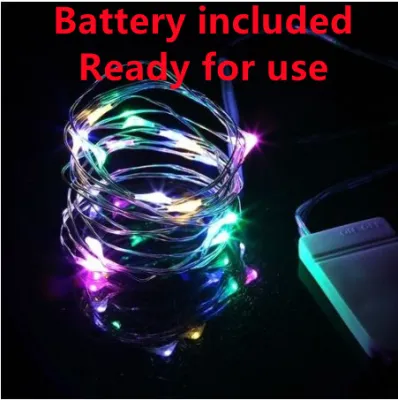
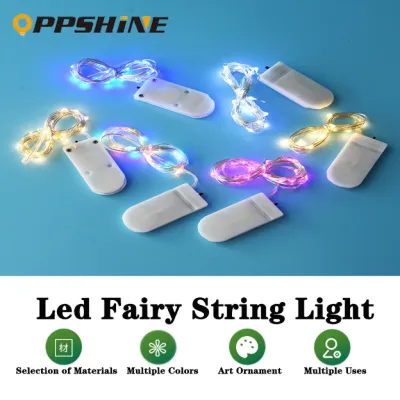
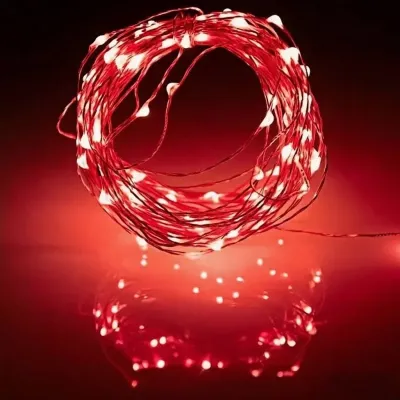
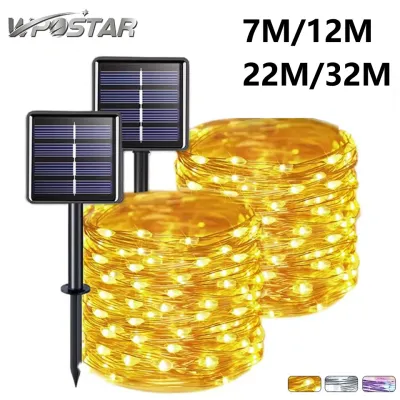
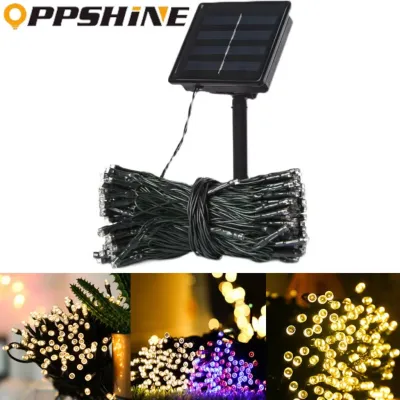
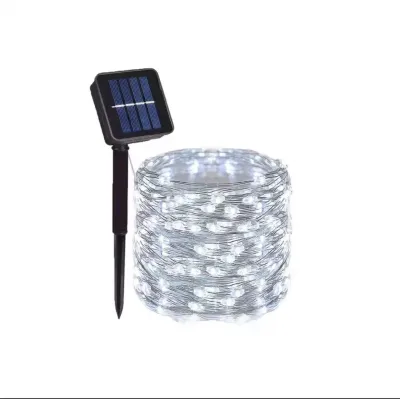
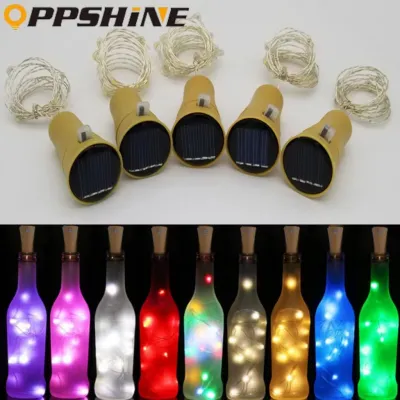
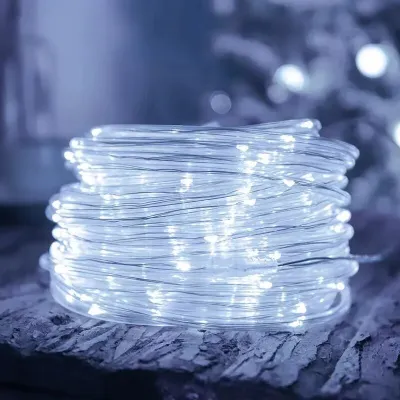
Prices are valid at publication and may change. Please refer to the product page for the latest price.
Another key indicator of brand reliability is the material used for the wiring. Micro LED fairy lights typically feature thin copper or silver-colored wires. Reputable manufacturers use multi-strand, enamel-coated copper wire, which provides excellent flexibility while ensuring the conductive strands remain insulated from one another. Silver-coated copper wire offers a clean, modern look but must feature the same high-quality protective coating. In contrast, low-grade brands often use extremely thin, single-strand wires that snap easily under light tension or oxidize quickly in humid environments, leading to premature failure.
The quality and consistency of the LED chips themselves also distinguish premium brands from cheap alternatives. Reliable brands invest in high-quality LEDs that deliver consistent color temperatures across the entire string. Lower-tier products frequently suffer from noticeable color variance, where some bulbs appear greenish, cold blue, or unevenly dim. Furthermore, premium LED chips resist rapid light decay, maintaining their brightness over thousands of operating hours. The build quality of the accompanying battery box or control unit is another telling detail; dependable brands utilize sturdy, impact-resistant plastics with secure latches and rubber gaskets, whereas low-quality options use brittle plastics that crack easily.
Finally, transparent product documentation and clear warranty terms are strong indicators of a manufacturer’s confidence in their product. Look for brands that provide clear specifications regarding voltage, wattage limits, IP (Ingress Protection) ratings, and step-by-step installation instructions. A reliable brand will offer a clear, written warranty—even if limited to a few months for decorative seasonal items—and maintain accessible customer support channels. This level of transparency and support is rarely found with anonymous, unbranded products.
Best Fairy Light Types for Different Home Scenarios
Indoor Bedrooms and Living Areas
Creating a warm, relaxing atmosphere in bedrooms or living rooms requires low-intensity, highly flexible lighting. For these close-contact indoor spaces, micro LED copper wire fairy lights are the ideal choice. These incredibly thin, pliable wires can be wrapped effortlessly around bed frames, draped over bookshelves, or placed inside decorative glass jars to create a soft, magical glow.

For safety and convenience in indoor living spaces, opt for low-voltage USB-powered or battery-operated sets. Operating at low voltages (typically 3V to 5V), these lights present no risk of electrical shock. When selecting a color temperature, choose warm white options in the range of 2700K to 3000K. This soft, amber hue mimics traditional incandescent lighting, helping to create a cozy, sleep-friendly environment.
Because these lights are often placed near fabrics, bedding, or curtains, low heat emission is non-negotiable. High-quality LED fairy lights remain cool to the touch even after hours of continuous operation. Always check the manufacturer’s care instructions to verify that the lights are rated for indoor use, and ensure they are kept clear of direct heat sources or tightly enclosed, unventilated spaces.
Covered Balconies and Semi-Outdoor Patios
Singapore’s tropical climate brings high humidity, ambient heat, and sudden driving rain. If you plan to decorate a covered balcony, patio, or semi-outdoor space, standard indoor fairy lights will degrade rapidly. For these environments, you must select lights with a verified Ingress Protection rating of at least IP65, which ensures the light string is dust-tight and protected against water sprays from any direction.
Instead of bare copper wire, choose fairy lights designed with thick, insulated PVC or rubber cables. These heavy-duty jackets shield the internal copper conductors from moisture ingress, salt air, and physical wear caused by wind. The robust insulation prevents the wires from short-circuiting when exposed to high humidity or condensation.
For power sources in semi-outdoor areas, high-capacity solar panels or outdoor-rated plug-in adapters are highly recommended. If you use a plug-in set, the power outlet must be an IP66-rated weatherproof socket. If the adapter itself is not explicitly rated for outdoor use, it must be housed inside a certified, weatherproof electrical enclosure. Never leave standard indoor plugs exposed to the elements, and always isolate the power supply before adjusting any outdoor wiring.
Festive Styling and Window Displays
Seasonal celebrations, such as Christmas, Deepavali, Hari Raya, or Chinese New Year, call for grander lighting displays that cover larger surface areas. Curtain lights, icicle lights, and net lights are perfect for draping across windows, accent walls, or balcony railings. These formats feature a main horizontal cable with multiple drop-down strings of LEDs, creating a dramatic cascading effect.
When purchasing these larger formats, look for modular designs with detachable controllers and end-to-end connectors. This feature allows you to link multiple light sets together using a single power source, reducing cable clutter. However, you must strictly adhere to the manufacturer’s maximum limit for connected strings to avoid overloading the transformer or driver.
Because festive lights are typically put up and taken down annually, they must withstand repeated handling. Look for robust, thick-gauge wiring and reinforced connection joints where the drop strings meet the main cable. This prevents internal copper breakage during installation, dismantling, and long periods of compressed storage in your cupboards.
Essential Specifications to Check Before You Buy
Voltage and Plug Compatibility
In Singapore, the standard domestic electricity supply is 230V AC at a frequency of 50Hz. Any mains-powered fairy lights you purchase must be fully compatible with these specifications. Ensure the product features a standard Type G (UK-style 3-pin) plug that fits directly into local wall sockets, or includes a certified, high-quality step-down transformer adapter. Never attempt to plug 110V-only products (often imported from North America) directly into Singapore’s 230V mains, as this will instantly destroy the lights and create a severe electrical fire hazard.
Power Source Trade-offs
Different power sources offer distinct advantages and limitations depending on your intended use:
- Mains Power (230V): Provides the highest, most consistent brightness and is ideal for long, heavy-duty light strings. However, it requires proximity to a power outlet and involves higher voltage risks.
- USB Power (5V): Highly versatile and safe. You can power these lights using a standard phone charger, a portable power bank, or a laptop, making them excellent for areas without nearby wall outlets.
- Battery Power (3V to 4.5V): Offers absolute portability and safety, making them perfect for table centerpieces or temporary displays. The downside is the ongoing cost of replacement batteries and a gradual decline in brightness as the batteries drain.
- Solar Power: Extremely energy-efficient for outdoor gardens or open balconies. However, they rely entirely on receiving direct sunlight during the day to charge, which can be inconsistent during Singapore's monsoon seasons.
Control Features
Consider how you want to operate your lights. Basic models feature a simple manual on/off switch on the battery box or plug. Upgraded options include inline controllers or remote controls that offer multiple lighting modes, such as steady-on, slow fade, twinkle, and flash. Look for models with built-in timers (e.g., 6 hours on, 18 hours off) to automate your display and save energy. Dimmable options are highly beneficial for bedrooms, allowing you to lower the brightness to serve as a soft nightlight.
Cable Length and LED Density
Before purchasing, measure the exact path where you plan to hang the lights. Remember to account for the “lead cable” length—the distance from the plug or battery box to the very first LED bulb. A short lead cable forces you to place the power source inconveniently close to the display. Additionally, check the LED density, which is usually expressed as the spacing between bulbs (e.g., 5cm or 10cm apart). Closer spacing creates a dense, vibrant glow, while wider spacing is better for a subtle, delicate twinkle.
Where to Buy Trustworthy Fairy Lights in Singapore
To ensure safety and quality, buy your fairy lights from established local lighting showrooms, home decor boutiques, or large home furnishing retailers. Physical shopping allows you to inspect the wire thickness, test the color temperature, and verify the build quality of the controllers before spending money. Many of these retailers source products that are already compliant with local safety standards and offer immediate, over-the-counter exchanges if a defect is found.
When shopping on online marketplaces, exercise caution. Avoid buying from random, unverified third-party sellers who offer suspiciously cheap products. Instead, filter your searches to target official brand flagship stores or authorized local distributors. Look for sellers who explicitly state that their products come with local safety marks and offer local warranties. Read customer reviews specifically to check for complaints about flickering, rapid bulb failure, or flimsy plugs.
It is highly advisable to avoid ultra-cheap, unbranded fairy lights sold without basic safety documentation. While a low price tag is tempting, these products often save costs by using sub-standard, paper-thin copper wiring, uninsulated connections, and uncertified power adapters. The lack of clear manufacturer details or return policies means you have little recourse if the lights fail within days or, worse, cause electrical damage to your home.
How to Maintain and Store Fairy Lights for Longevity
The primary cause of fairy light failure is internal wire breakage caused by improper handling and storage. Never bundle your lights into a tight ball or yank them roughly when untangling. Instead, wind the light string gently around a piece of sturdy cardboard, a clean plastic spool, or a dedicated cable holder. Secure the ends with reusable Velcro straps or twist ties, and store the wound spool in its original packaging or a sturdy plastic container to protect it from dust and crushing forces.
Over time, dust can accumulate on the tiny LED bulbs and dull their brightness. To clean your fairy lights, first disconnect them completely from the power source (unplug from the wall, remove the USB, or take out the batteries). Use a dry, clean microfiber cloth to gently wipe down the wire and individual bulbs. Never use liquid cleaners, wet wipes, or chemical solvents, as moisture can easily penetrate the microscopic seals around the LEDs or enter the controller box, causing corrosion and short circuits.
For battery-operated fairy lights, always remove the batteries before placing the set into storage. If left inside an unused device for weeks or months, batteries can leak corrosive acid. This acid ruins the delicate metal contact springs in the battery box, rendering the entire light string useless. Store your batteries in a cool, dry place separately, and inspect the battery compartment for any signs of white powdery residue before inserting new cells.
Frequently Asked Questions (FAQ)
Can I leave my fairy lights on all night?
While high-quality, low-voltage LED fairy lights (such as USB or battery-powered copper wires) remain cool to the touch and carry a very low risk of overheating, it is best practice to turn them off when you go to sleep or leave the house. Continuous, unattended operation unnecessary drains power and shortens the lifespan of the LEDs. For peace of mind and convenience, use a built-in timer, a mechanical outlet timer, or a smart plug to automatically power down your lights overnight.
Are copper wire fairy lights safe to touch?
Yes, reputable copper wire fairy lights are safe to touch during operation. They are coated in a thin, transparent layer of protective enamel insulation and operate on low-voltage direct current (typically 3V to 5V), which eliminates any risk of electrical shock. However, because they lack a thick, heavy-duty physical protective jacket, they should only be handled with dry hands and kept away from sharp objects, high-traffic floor areas, pets that might chew on them, or wet environments.
How do I fix a dead section of my fairy lights?
If a portion of your fairy lights stops working, begin by checking the simplest failure points: inspect the battery contacts for corrosion, test the light string with a different power adapter or USB port, and gently examine the wire for obvious kinks or bends. If the issue is a severed or broken internal copper strand, do not attempt to splice, tape, or solder the delicate wires yourself. Attempting DIY repairs on micro-wiring can compromise electrical safety. If the internal wiring is physically damaged, safely discard the set and replace it with a certified, reliable model.
Community discussion
Share your experience or ask a question. Comments are reviewed before publication.