
Finding high-quality, durable icicle fairy lights in Singapore requires looking past generic marketing labels and focusing on specific build standards, weatherproofing certifications, and local safety compliance. While many cheap options flood online marketplaces, reliable performance comes from brands that provide certified power adapters bearing the Singapore Safety Mark, robust copper wiring encased in UV-resistant PVC or silicone, and verified IP (Ingress Protection) ratings. To ensure your festive setup survives Singapore’s intense tropical downpours, high humidity, and scorching sun, you must evaluate key physical and electrical attributes rather than relying solely on brand names.
Investing in durable lighting is not just about aesthetics; it is a matter of safety and long-term cost efficiency. Cheaply made decorative lights frequently fail during their first season of use, leading to electrical short circuits or creating potential fire hazards. By understanding what constitutes a well-engineered icicle light, you can make an informed purchasing decision that keeps your home beautifully illuminated for many festive seasons to come.
What Defines Build Quality and LED Consistency?
To identify a reliable set of icicle lights, you must first examine the physical components that make up the strand. The wire core is the backbone of the entire lighting system. High-quality brands use pure copper wiring, which offers excellent electrical conductivity and flexibility. In contrast, cheaper alternatives often use copper-clad aluminum (CCA) wires. CCA is highly brittle and prone to internal breakage when the hanging icicle drops bend, sway in the wind, or are coiled for storage. The outer protective casing should consist of thick, heavy-duty PVC or silicone. This insulation must remain flexible in warm temperatures without becoming sticky or degrading over time.
Products mentioned in this guide
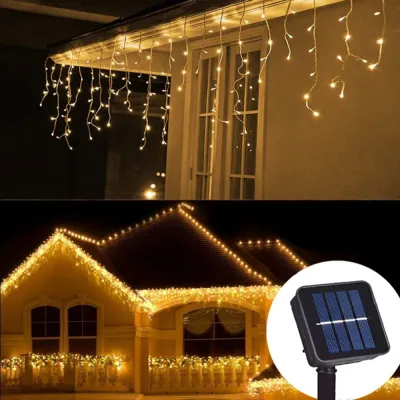
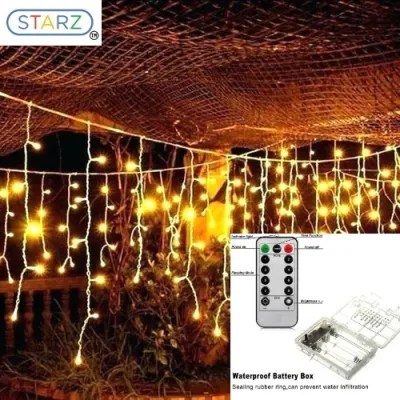
Prices are valid at publication and may change. Please refer to the product page for the latest price.
LED chip consistency is another hallmark of premium manufacturing. Reputable brands employ strict binning processes, ensuring that every single LED bulb across the main wire and the hanging drops shares the exact same color temperature. In low-end products, you will often notice distracting variations, where some bulbs emit a warm golden glow while others on the same strand lean toward a harsh, cool white. Furthermore, high-quality lights feature flicker-free performance. Cheap lights often omit proper rectifiers, operating on half-wave AC power which produces a rapid, visible flicker at 50Hz. This flicker can cause eye strain and ruins holiday photos or videos. Look for lights that utilize stable direct current (DC) drivers to ensure smooth, continuous illumination.
Additionally, pay close attention to the soldering and connection points. The vertical icicle drops hang down from a horizontal main wire, creating natural stress points. High-quality brands reinforce these junctions using injection-molded T-connectors or heavy-duty heat-shrink tubing lined with internal adhesive. This prevents water from seeping into the electrical connections and protects the delicate solder joints from breaking when the lights are pulled or blown by the wind. Cheap strands typically feature flimsy, hand-soldered joints wrapped in thin plastic sleeves, which quickly tear and lead to dead sections.
Finally, the power supply unit (or transformer) must be robustly constructed. The adapter is responsible for stepping down Singapore’s standard 230V mains voltage to a safe low voltage, typically 24V or 31V DC. A high-quality adapter features built-in voltage regulation to protect the LEDs from electrical surges, along with adequate heat dissipation. Cheap, unbranded adapters often run extremely hot to the touch, indicating poor internal efficiency and a higher risk of premature failure.
Navigating Humidity and Weather: Durability Standards for Singapore
Singapore’s tropical climate presents unique challenges for outdoor electronics. High relative humidity, intense UV exposure, and heavy monsoon rains will quickly destroy lights that are not built to withstand the elements. To protect your investment, you must understand how to verify a product’s actual weather resistance using standardized ratings.

The industry standard for measuring environmental protection is the Ingress Protection (IP) rating, which consists of two digits. The first digit (0 to 6) indicates protection against solid objects like dust, while the second digit (0 to 9) measures protection against liquids. For indoor decorations, an IP20 rating is perfectly adequate. However, if you plan to hang icicle lights along semi-outdoor areas, such as covered HDB corridors, balconies, or patios with deep overhangs, you should look for a minimum rating of IP44. This ensures the lights are protected against splashing water from any direction.
For fully exposed outdoor installations, such as landed property gardens, fences, rooflines, or open patios, IP44 is insufficient. Singapore’s heavy downpours can blow rain sideways with significant force. In these environments, you must use lights rated at IP65 or IP67. An IP65-rated product is dust-tight and protected against water jets, while an IP67-rated product can withstand temporary submersion in water. Ensuring your lights meet these higher standards prevents water ingress from tripping your home’s residual current circuit breaker (RCCB).
Beyond water resistance, UV and heat resistance are critical for longevity. Prolonged exposure to Singapore’s intense sunlight will degrade standard plastic casings, making them yellow, brittle, and prone to cracking. Once the plastic cracks, moisture enters, leading to rapid corrosion of the copper wire. When purchasing outdoor lights, verify that the manufacturer specifies the use of UV-stabilized materials.
Similarly, corrosion resistance is vital in highly humid environments. When moisture contacts metal, it triggers oxidation. On cheap icicle lights, the metal connectors, plug pins, and battery compartments will quickly develop a green or brown crust of rust, disrupting the electrical flow. High-quality outdoor lights mitigate this by using nickel-plated or gold-plated copper contacts, rubber O-ring gaskets inside screw-tight connectors, and hermetically sealed LED caps that prevent moisture from ever reaching the diode.
Be highly skeptical of generic “waterproof” claims on online shopping platforms. Because the term “waterproof” is unregulated in marketing, sellers frequently apply it to low-grade IP20 or IP44 lights. Always cross-reference these claims by looking for the official IP rating printed on the product packaging, the user manual, or the manufacturer’s technical specification sheet.
Evaluating Brand Reliability, Warranties, and Safety Compliance
When independent test data is limited, you can assess a brand’s reliability by looking at its safety certifications, warranty terms, and corporate transparency. In Singapore, safety is the single most important factor to consider when buying mains-powered electrical appliances.
Any power adapter or transformer sold for use in Singapore must carry the Singapore Safety Mark. Regulated by Enterprise Singapore, this mark indicates that the adapter has undergone rigorous testing by an accredited laboratory and complies with local safety standards. Using uncertified adapters bought from overseas sellers carries a high risk of short circuits, electric shocks, and electrical fires. Never plug an uncertified adapter into your home’s wall sockets, especially for outdoor installations where moisture is present.
A brand’s warranty policy is a strong indicator of its confidence in product durability. Because decorative lights are seasonal items, cheap brands often offer no warranty or a restrictive 7-day return window. In contrast, reputable brands or dedicated local lighting distributors typically offer a warranty ranging from 6 months to 1 year. This coverage ensures that if the lights fail during their first festive setup, you can easily obtain a replacement adapter or strand. Before purchasing, verify whether the brand has a physical presence or an authorized distributor in Singapore to avoid the hassle of shipping defective items overseas for warranty claims.
Brand transparency is another key marker of quality. Reliable manufacturers provide clear, comprehensive technical specifications on their packaging and websites. This includes the input and output voltages, total wattage, maximum connectable length (if the strands are daisy-chainable), and clear safety warnings. Red flags to watch out for on unbranded listings include missing voltage specifications, a lack of manufacturer contact information, and vague safety instructions.
While high-quality, certified icicle lights require a higher initial investment—often costing between S$50 and S$120 compared to S$10 or S$20 for unbranded online alternatives—they offer far better value for money over time. A cheap set of lights often fails within a single season, requiring you to purchase new lights every year. A well-built, certified set can easily last for five years or more when properly maintained and stored, saving you money and reducing electronic waste.
Installation, Storage, and Safety Boundaries for Repeated Use
To maximize the lifespan of your icicle fairy lights and ensure your home remains safe, you must follow proper installation, storage, and maintenance practices.
Before mounting your lights, always perform a thorough pre-installation check. Unbox the lights, lay them out flat on a clean surface, and plug them in to test all lighting modes. Inspect the entire length of the wire for any nicks, cuts, or exposed copper. Check that all LED bulbs are illuminating consistently and that there is no flickering. It is far easier to address a defect or exchange a faulty set while the lights are on the ground rather than after you have spent hours hanging them on a high ceiling or roofline.
When hanging your lights, avoid mounting practices that can damage the wire’s protective insulation. Never use metal staples, nails, or tacks to secure the wires, as these can easily pierce the PVC jacket, sever the copper strands, or cause a dangerous short circuit. Instead, use purpose-built plastic gutter clips, outdoor adhesive hooks, or UV-resistant nylon zip ties. When using zip ties, secure them snugly but do not pull them so tight that they crush or crimp the wire insulation.
Proper storage is the most overlooked aspect of maintaining seasonal lights. At the end of the festive season, carefully take down the lights and wipe them with a dry cloth to remove any dust or outdoor residue. Avoid pulling or tugging on the hanging drops. To prevent tangling and wire strain, wind the main strand neatly around a plastic light spool or a sturdy piece of cardboard, keeping the vertical drops aligned. Place the coiled lights inside a sealed plastic storage container along with a few silica gel packets to absorb any residual moisture. Store the container in a cool, dry place inside your home, such as a storeroom or closet, avoiding hot and humid spaces like outdoor utility yards or metal balcony cabinets.
Finally, understand your safety boundaries and know when to seek professional assistance. Always turn off and isolate the power supply before touching or adjusting your light setup. If your installation requires running new electrical conduits, installing outdoor-rated weatherproof sockets, or modifying your home’s consumer unit, you must hire a Licensed Electrical Worker (LEW) registered with the Energy Market Authority (EMA). Furthermore, if your power adapter ever becomes excessively hot to the touch, emits a buzzing sound, produces a burning smell, or repeatedly trips your home’s circuit breakers, immediately disconnect the power, cease using the lights, and consult a qualified professional.
Frequently Asked Questions (FAQ)
Can I connect multiple icicle light strands together?
Yes, many modern icicle lights are designed to be connectable or extendable, featuring male and female coaxial connectors at either end. However, you must strictly adhere to the manufacturer’s specified limit for maximum connectable strands. Connecting too many strands together overloads the power adapter, which can lead to overheating, a blown internal fuse, or a significant voltage drop. A voltage drop causes the lights further down the chain to appear noticeably dimmer than those closest to the power source. Always calculate the total wattage of the connected strands to ensure it does not exceed the maximum rated output of your transformer.
Why do some LEDs on my icicle lights dim or flicker over time?
Dimming or flickering in individual LEDs or specific sections is usually caused by voltage instability, moisture ingress, or physical damage to the circuit. If moisture enters an LED housing, it can cause localized corrosion, increasing electrical resistance and causing the bulbs in that section to dim or flicker. Because icicle lights are often wired in a series-parallel configuration, the failure or degradation of a single LED can affect the current flowing through the rest of the bulbs on that particular drop. If the entire strand is flickering, it typically points to a failing power adapter that is struggling to deliver a stable DC voltage.
Are solar-powered icicle lights durable enough for year-round outdoor use?
While solar-powered icicle lights offer the convenience of not needing an outdoor mains outlet, they are generally less durable for year-round outdoor use in Singapore. The rechargeable batteries housed inside the solar control box degrade rapidly when exposed to high ambient temperatures and direct tropical sunlight. Additionally, during Singapore’s monsoon seasons, persistent cloud cover and heavy rainfall drastically reduce the solar panel’s charging efficiency. This results in very short runtimes at night or lights that fail to turn on entirely. For permanent or highly reliable festive displays, mains-powered LED lights equipped with a certified safety-marked adapter remain the superior choice.
Community discussion
Share your experience or ask a question. Comments are reviewed before publication.