
Selecting the right indoor corridor wall lights in Singapore requires balancing aesthetic appeal with strict technical and safety standards. Because corridors are transitional spaces with unique physical constraints, the most reliable brand is ultimately one that complies with local electrical regulations, fits the narrow dimensions of your hallway, and offers dependable local warranty support. Rather than focusing on subjective brand names, homeowners and designers should evaluate lighting manufacturers based on verifiable build quality, safety certifications, and physical compatibility with Singapore’s typical concrete or drywall partitions.
Understanding Corridor Lighting Requirements
Corridors and hallways serve as the primary pathways within a home or commercial building, meaning their lighting must prioritize safety and visual comfort. In narrow or long transitional spaces, poorly positioned wall lights can create harsh glare or deep shadows. To prevent this, look for brands that offer indirect or diffused lighting options, such as fixtures with frosted glass diffusers or up-and-down light distributions that bounce illumination off the walls and ceiling.
Balancing ambient visibility with accent lighting is another key consideration. While the primary goal is to guide foot traffic safely, wall lights can also highlight architectural features, artwork, or textured wall finishes. A well-designed corridor layout often combines low-glare ambient wall sconces with focused directional fixtures, creating visual depth without overwhelming the narrow space.
Products mentioned in this guide
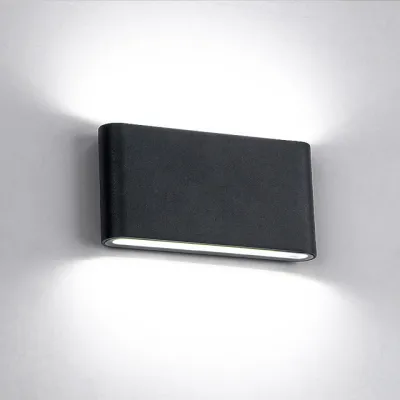
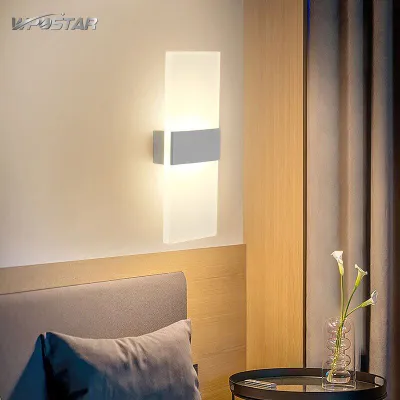
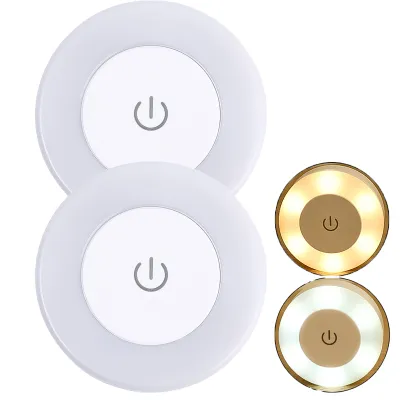
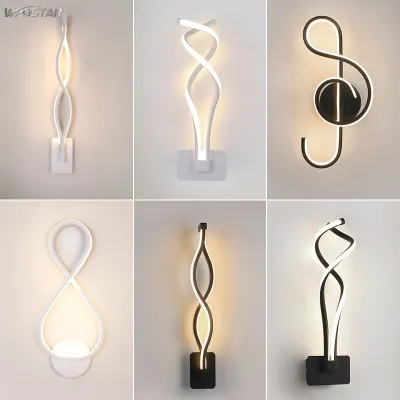
Prices are valid at publication and may change. Please refer to the product page for the latest price.
Color temperature plays a significant role in defining the atmosphere of these transitional zones. For residential hallways, warm white light (typically 2700K to 3000K) creates a welcoming, cozy environment that seamlessly connects living areas and bedrooms. In contrast, commercial or multi-unit residential corridors, such as those in condominium common areas, often benefit from neutral white light (3000K to 4000K) to enhance visibility, promote safety, and maintain a clean, modern aesthetic.
How to Evaluate Wall Light Brand Reliability
When assessing any lighting brand in Singapore, safety compliance must be your first checkpoint. For mains-powered indoor wall lights, verify whether the product or its driver carries the Singapore Safety Mark. This certification, issued by the local Enterprise Singapore authority, ensures the electrical component has been tested and declared safe for use with the domestic grid. Avoid purchasing uncertified fixtures from overseas sellers that bypass these crucial safety evaluations.

Build quality is another reliable indicator of a brand’s longevity. Examine the materials used in the fixture’s construction; high-quality metals like brass, aluminum, or stainless steel resist corrosion and wear much better than cheap plastics or thin sheet metals. Even for indoor corridors, Singapore’s high ambient humidity means that poorly treated metal fixtures can rust over time, making durable powder-coated or anodized finishes highly desirable.
Finally, evaluate the brand’s local support network and warranty terms. A reliable brand should offer a clear warranty—ideally at least one to two years—backed by an authorized local distributor or service center. This ensures that if a driver fails or a built-in LED module degrades prematurely, you can easily source replacement components or secure a replacement fixture without having to ship the item back to an overseas manufacturer.
Technical Specifications and Installation Checks
Before purchasing any wall light indoor fixture, you must perform several physical and technical checks to ensure compatibility with your space. First, measure the physical dimensions of the light, paying close attention to its protrusion limit. In narrow Singapore corridors, fixtures that stick out too far from the wall can restrict movement, create safety hazards, or conflict with local building codes regarding minimum walkway clearances. Opt for slim-profile or flush-mount sconces that keep the pathway clear.
Electrical compatibility is equally critical. Ensure the fixture is rated for Singapore’s standard voltage of 230V at 50Hz. If you plan to integrate the wall lights with existing smart home systems or wall dimmers, verify that the brand’s LED drivers are compatible with your specific dimming protocol, whether it is phase-cut, 0-10V, or a smart wireless standard. Additionally, check the bulb base type (such as E27 or GU10) if the fixture uses replaceable bulbs, as this affects your long-term maintenance options.
Lastly, consider the physical installation environment. Singapore homes often feature solid concrete or brick walls, which require robust anchoring and precise drilling to route concealed wiring. If you are installing lights on drywall partitions, ensure the wall has adequate load-bearing capacity or internal framing to support the weight of heavier metal or glass fixtures. Always isolate the power supply at the main distribution board before attempting any installation, and engage a licensed electrical worker for any fixed wiring tasks.
Sourcing and Verifying Brands in Singapore
To ensure you are buying authentic, high-quality fixtures, source your wall lights through established local channels. Visiting official brand showrooms or authorized lighting distributors in Singapore allows you to inspect the build quality, color rendering, and actual light output of the fixtures in person. Specialized interior design suppliers and dedicated lighting shops along major retail belts can also provide expert advice tailored to your specific corridor layout.
If you prefer shopping on online marketplaces or ecommerce platforms, extra diligence is required to verify seller credentials. Look for official brand stores or preferred local sellers who explicitly state that their products carry the Singapore Safety Mark and include local warranties. Read customer reviews carefully, looking for feedback regarding delivery condition, product authenticity, and the seller’s responsiveness to warranty claims.
For larger renovation projects or bulk purchases, do not hesitate to request detailed specification sheets, photometric data, or compliance certificates directly from the supplier. Having these documents allows your interior designer or electrical contractor to verify that the selected wall lights meet all technical requirements before you make a final financial commitment.
Frequently Asked Questions (FAQ)
Do indoor corridor wall lights require a specific IP rating?
For typical dry indoor corridors, a standard IP20 rating is perfectly adequate, as these areas are not exposed to direct water splashes or high dust levels. However, if your corridor is semi-outdoor, adjacent to a bathroom, or exposed to Singapore’s high natural humidity through open windows, opting for an IP44-rated fixture provides extra protection against moisture ingress and prolongs the lifespan of the internal electronics.
Can I install smart wall lights from international brands in Singapore?
Yes, you can install smart wall lights from international brands, provided they are rated for 220V-240V operation and carry the necessary local safety certifications. When importing smart fixtures, ensure their wireless protocols (such as Zigbee, Thread, or Wi-Fi) are compatible with your local smart home hub and that the brand’s mobile application is fully supported in the Singapore region for seamless control and updates.
Community discussion
Share your experience or ask a question. Comments are reviewed before publication.