
Creating a visually striking gallery wall in Singapore requires more than just selecting beautiful artwork; it demands a careful evaluation of the frames that hold your prints. Square photo frames are particularly demanding because their symmetrical geometry highlights even the slightest misalignment, warping, or manufacturing defect. To build a gallery wall that remains pristine despite Singapore’s high humidity, homeowners must focus on structural integrity, material stability, and reliable sourcing. By understanding what makes a square frame durable and where to find consistent batches, you can design a display that elevates your living space for years to come.
Key Criteria for Evaluating Square Photo Frame Brands
Singapore’s tropical climate, characterized by high relative humidity and temperature fluctuations, poses a significant challenge to framing materials. Cheap, unsealed medium-density fibreboard (MDF) frames are highly susceptible to absorbing moisture from the air, which leads to swelling, bowing, and corner separation over time. When evaluating brands, look for materials that offer natural resistance to humidity. Solid hardwoods (such as oak or teak) that have been properly sealed, high-quality engineered wood with moisture-resistant laminates, or lightweight aluminum frames are excellent choices. Aluminum, in particular, provides exceptional structural rigidity and will not warp, making it highly suitable for precise, large-scale square grids.
The protective front cover, or glazing, is another critical decision point. Traditional glass offers superior scratch resistance, exceptional clarity, and does not attract static dust as easily as plastic alternatives. However, glass is heavy and fragile, which increases the load on your wall anchors and the risk of breakage during transit or installation. Acrylic glazing is highly shatter-resistant and significantly lighter, making it the preferred choice for larger square frames or homes with children and pets. When choosing acrylic, verify if the brand uses UV-filtering or anti-reflective sheets, as Singapore’s bright, sunlit interiors can cause artwork to fade and create distracting glare on highly reflective surfaces.
Products mentioned in this guide
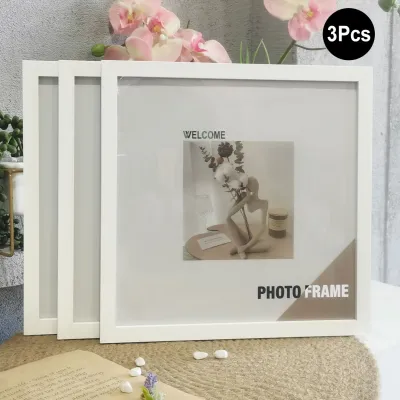

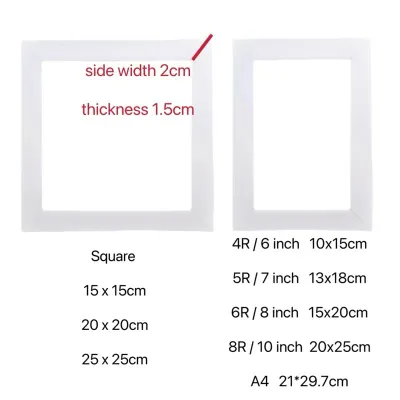

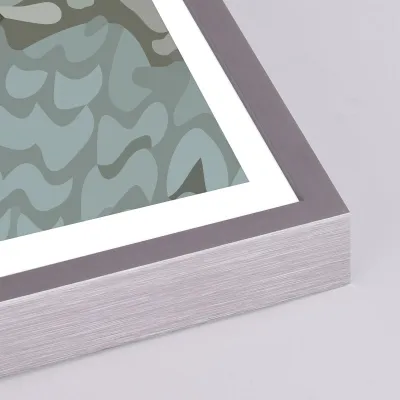
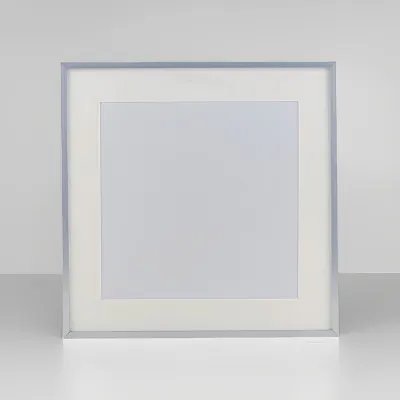
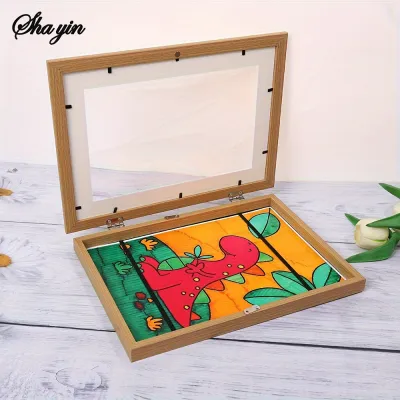
Prices are valid at publication and may change. Please refer to the product page for the latest price.
A frame’s backing board must be rigid enough to press the artwork and mat board flat against the glazing without bowing outward. Look for brands that use dense, moisture-resistant backing materials, such as treated hardboard or fluted plastic, rather than thin cardboard, which sags in humid conditions. Additionally, inspect the integrated hanging hardware. For a gallery wall, frames should feature sturdy, pre-installed metal hangers (such as D-rings or heavy-duty wire) rather than flimsy, flexible metal tabs that bend easily under tension. The hardware must be perfectly centered and level across all frames in a batch to ensure trouble-free alignment.
Because square frames are often hung in tight, repeating patterns, any variation in color, texture, or corner construction will be immediately noticeable. High-quality brands maintain strict quality control, ensuring that mitered corners are joined seamlessly with no visible gaps or glue residue. When purchasing multiple units, check that the finishes—whether matte black, natural wood grain, or metallic—are uniform across the entire batch. Slight discrepancies in wood grain are natural, but significant color shifts or uneven paint application can disrupt the clean, cohesive look of a geometric grid.
Where to Source Quality Square Frames in Singapore
Finding the right source depends on your budget, timeline, and customization needs. Custom framing studios, widely found in areas like Bras Basah Complex or local creative hubs, offer the highest level of quality control, archival-grade materials, and precise sizing. While custom framing represents a larger financial investment, it is the most suitable route for valuable artwork or non-standard dimensions. For more accessible options, major international home decor retailers provide highly consistent, mass-produced square frames with standardized dimensions. These retailers are excellent for building large grids on a budget, provided you inspect the units in-store. Alternatively, general e-commerce platforms and online marketplaces offer a vast selection of budget-friendly square frames, though they require extra vigilance regarding product quality and shipping protection.

When ordering multiple frames, especially online, transit damage is a common risk. Before finalizing your purchase, carefully review the retailer’s return and exchange policies. Ensure they offer straightforward replacements or refunds for items that arrive with cracked glass, chipped corners, or warped backing boards. Reliable brands and platforms typically provide a clear window (often 7 to 14 days) to report transit damage, which is crucial when buying in bulk for a large gallery wall project.
A common pitfall when planning a gallery wall is purchasing frames in separate transactions, only to find that the retailer has run out of stock or updated the frame’s design. To avoid mismatched displays, calculate your exact frame requirements beforehand and purchase the entire set in a single order. If you plan to expand your gallery wall in the future, choose established, evergreen product lines from reputable brands that are likely to remain in production for years, rather than seasonal or clearance items that may be discontinued.
When sourcing frames online, customer reviews are invaluable for verifying real-world quality. Look specifically for feedback regarding packaging standards; reviews that mention double-boxing, corner protectors, and thick bubble wrap indicate a lower risk of receiving damaged goods. Pay close attention to user-uploaded photos to verify color accuracy, as studio lighting can sometimes make finishes appear different than they do in typical residential lighting. Reviews that highlight sturdy backing clips and level hanging brackets are strong indicators of a brand’s structural reliability.
Designing a Cohesive Gallery Wall with Square Frames
Square frames naturally lend themselves to clean, structured layouts. A symmetrical grid (such as a 3×3 or 2×4 arrangement) creates a formal, balanced, and architectural feel that works beautifully in dining rooms, entryways, or behind living room sofas. If you prefer a more relaxed aesthetic, a dynamic staggered arrangement allows you to mix square frames of different sizes or combine them with rectangular elements, while still maintaining a sense of order. The key to a successful staggered layout is establishing a strong central horizontal or vertical axis that anchors the entire composition.
Precision is paramount when installing square frames, as even a few millimeters of misalignment can ruin the visual effect. Before making any holes in your wall, map out your arrangement using painter’s tape or paper templates cut to the exact dimensions of your frames. Tape these templates to the wall, adjusting the spacing until you achieve a balanced look. A standard spacing of 5 to 10 centimeters between frames is generally recommended to keep the display cohesive without feeling cramped. Use a spirit level and a measuring tape to mark the exact hanging points directly onto the paper templates before drilling.
You can introduce visual interest and depth to your gallery wall by playing with mat boards and frame finishes. Using wide, generous mat boards (the cardboard border surrounding the artwork) can make small prints look grand and dramatic, while also providing visual “breathing room” between the art and the frame. If you want a modern, minimalist look, you can opt for a floated mounting style where the artwork sits on top of the mat board with a slight shadow gap. Alternatively, mixing black and white frames of identical dimensions can create a striking checkerboard or alternating pattern that adds energy to the space.
The square aspect ratio (1:1) requires careful consideration when selecting artwork or photography. Landscape or portrait-oriented photos will need to be cropped, so ensure that the main subject of your image remains centered and is not awkwardly cut off. Close-up portraits, architectural details, abstract patterns, and botanical prints translate exceptionally well to square formats. When curating your collection, maintain a consistent theme, color palette, or editing style (such as all black-and-white photography) to tie the diverse images together into a unified visual narrative.
Installation and Wall Safety Checks
Before mounting your gallery wall, you must identify the type of wall you are working with, as this dictates the necessary hardware and installation method. In Singapore, most internal walls in HDB flats and private condominiums are constructed from solid concrete or structural brick, which require a masonry drill bit, plastic wall plugs (anchors), and sturdy screws to secure heavy frames. Conversely, partition walls in newer developments or renovated spaces are often made of drywall (gypsum board). Drywall cannot support heavy loads on its own and requires specialized hollow-wall anchors, such as toggle bolts or self-drilling threaded anchors, to prevent the frame from pulling out of the wall.
For grouped displays like gallery walls, using the correct hooks is essential to distribute weight evenly and keep frames level. Heavy-duty picture hooks with angled nails work well on drywall for lighter frames, while robust screw-in anchors are necessary for heavier glass-fronted frames on concrete. If you live in a rental property or prefer not to drill holes, high-quality adhesive hanging strips can be used, but only for lightweight frames with acrylic glazing. Always verify that the adhesive strips are rated for Singapore’s humid climate, as moisture can weaken the adhesive bond over time, leading to falling frames.
Never exceed the manufacturer’s stated weight limits for either the hanging hardware or the frame itself. When calculating the load, factor in the combined weight of the frame, glazing, mat board, backing, and artwork. It is always safest to choose hardware rated for at least double the actual weight of the frame to provide a generous safety margin. For exceptionally large or heavy square frames, avoid relying on a single hanging point; instead, use two D-rings mounted on opposite sides of the frame to distribute the load and prevent the frame from tilting.
While installing a gallery wall is a rewarding DIY project, certain scenarios warrant professional assistance. If you are planning an expansive, floor-to-ceiling display, handling oversized frames with heavy glass glazing, or drilling near electrical outlets and light switches where internal wiring may be routed, consult a qualified handyman or professional art installer. They possess the specialized tools, such as stud finders and wall scanners, to locate hidden conduits and ensure your gallery wall is mounted safely and securely without damaging your home’s infrastructure.
Frequently Asked Questions (FAQ)
How many square frames do I need for a standard gallery wall?
The number of frames depends on your available wall space and the visual impact you want to achieve. To calculate this, measure the total width and height of your designated wall area, then subtract margins for furniture clearance (usually 15 to 30 centimeters above a sofa or console) and breathing room from adjacent walls. For a compact, high-impact display, a 3×3 grid of nine medium-sized square frames (such as 30×30 centimeters) is a classic choice. If you have a larger, open wall, a 2×4 grid of eight larger frames (such as 40×40 centimeters) can create a stunning focal point. Always map out your space with paper templates first to determine the exact count that fits your room’s proportions.
Can I mix different square frame sizes in one gallery wall?
Yes, mixing different square frame sizes can create a dynamic and modern gallery wall, provided you maintain a sense of structural order. To keep the arrangement cohesive, align the frames along a clear central horizontal or vertical axis, or align their top or bottom edges. You can place a large anchor frame (such as 50×50 centimeters) in the center or off-center, and surround it with smaller, complementary square frames (such as 25×25 centimeters) to guide the viewer’s eye. Keeping the spacing between all frames completely consistent (for example, exactly 8 centimeters apart) will ensure the display looks intentional and balanced rather than cluttered.
What is the best way to clean glass or acrylic frame covers?
Proper maintenance keeps your gallery wall looking sharp without damaging the protective covers or the artwork inside. For glass covers, use a clean microfiber cloth and a small amount of non-ammonia, non-abrasive glass cleaner; always spray the cleaner onto the cloth first rather than directly onto the glass to prevent liquid from seeping under the frame edges. For acrylic covers, avoid glass cleaners, paper towels, and rough fabrics, as they can easily cause permanent micro-scratches. Instead, use a specialized acrylic cleaner or a mild solution of dish soap and warm water applied with a soft, damp microfiber cloth. Always remove the frames from the wall before cleaning to protect your wall paint and prevent moisture from accumulating behind the backing boards.
Community discussion
Share your experience or ask a question. Comments are reviewed before publication.