
Integrating a high-quality glass mirror into a compact HDB flat, condominium, or landed property is one of the most effective ways to visually double your floor area, but success requires matching the right brand’s structural design with your specific spatial layout. The best options depend entirely on the space-amplifying technique you wish to employ. For custom, wall-to-wall installations that completely erase spatial boundaries, local custom glass specialists and glazing contractors are ideal. If you are looking for statement-making decorative frames and elegant arches that draw the eye upward, premium local furniture design brands like Castlery or curated lifestyle showrooms offer structurally sound, beautifully finished options. For budget-conscious, trendy geometric designs, online home decor retailers like HipVan and FortyTwo provide lightweight, highly accessible choices.
Choosing the right brand involves understanding how different mirror styles interact with light and space. By selecting a mirror with the appropriate size, frame style, shape, and glass clarity, you can transform a cramped room into an open, inviting sanctuary. This guide will help you navigate the optical principles of mirrors, identify key design features, locate reliable sourcing channels in Singapore, evaluate build quality, and ensure a safe and strategic installation.
How Decorative Glass Mirrors Create the Illusion of Space
The magic of a glass mirror in a small room lies in its ability to manipulate light and human perception. When light strikes the smooth, polished surface of a mirror, it undergoes specular reflection, bouncing almost all the incident light back into the room. In compact Singaporean apartments, windows are often limited to a single wall, leaving the opposite side of the room in deep shadow. By placing a high-quality mirror on an adjacent or opposite wall, you effectively capture incoming daylight and redirect it deep into the floor plan. This secondary bounce of light softens the contrast between bright window areas and dark corners, making the entire space feel more open, airy, and balanced without requiring additional energy-consuming light fixtures.
Products mentioned in this guide
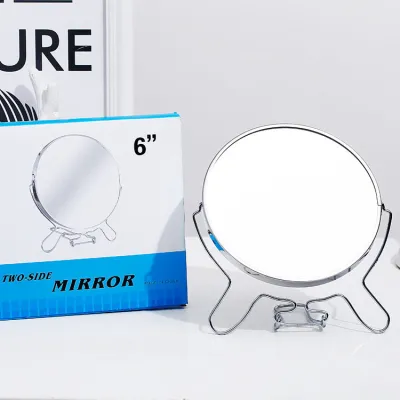
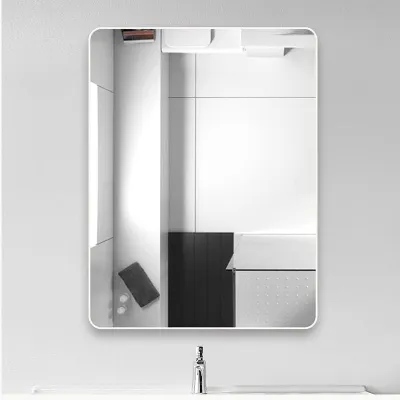

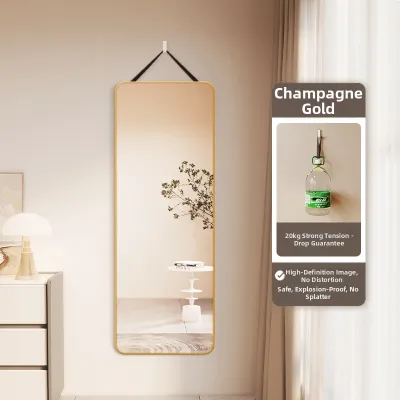
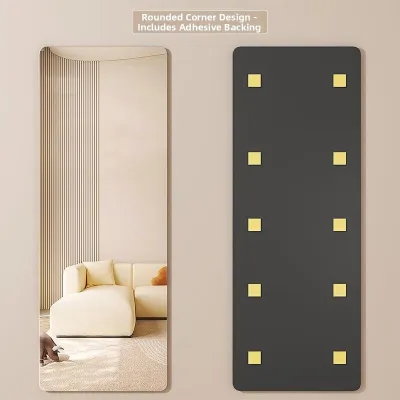
![[SG Seller] Frameless Bathroom Mirror Vanity Mirror Toilet Mirror Hanging Wall Mirror](https://img.lazcdn.com/g/p/455dd3f2f53fef867f1c8617c1aab5c8.jpg_400x400q80.jpg_.webp)
Prices are valid at publication and may change. Please refer to the product page for the latest price.
Beyond light distribution, mirrors create a powerful psychological illusion of visual depth. Our eyes naturally search for boundaries to define the physical limits of a room. A solid, blank wall acts as a hard stop, reinforcing the feeling of confinement. A mirror replaces this hard boundary with a dynamic reflection of the room itself, tricking the brain into perceiving a “double space” or an extension of the room beyond the wall. This visual expansion is particularly effective in narrow hallways, compact entryways, or tight dining alcoves, where the walls are close together. By breaking up these solid surfaces, you create a more comfortable, less claustrophobic environment.
However, the key to successful space amplification lies in the selection of the reflection’s subject. If a mirror is positioned to reflect a cluttered kitchen counter, a pile of shoes in the entryway, or a busy storage rack, it will double the visual noise, making the room feel twice as chaotic and cramped. Instead, aim to reflect clean, open, or visually pleasing elements. Aligning the mirror to reflect a beautiful indoor plant, a minimalist dining setup, or a serene window view of greenery outside will bring the outdoors in, enhancing the sense of tranquility and space.
Essential Design Features for Maximizing Space in Small Rooms
To achieve the best spatial expansion, you must look past basic aesthetics and evaluate the physical attributes of the mirror. Different design features have distinct effects on how space is perceived.

Size and Proportion Many homeowners make the mistake of choosing small, scattered accent mirrors for a compact room, thinking that small spaces require small decor. However, multiple small frames can fragment the wall, creating a busy, cluttered look that actually shrinks the room. To truly maximize space, opt for a single, large-scale glass mirror. A tall, leaning floor mirror that reaches almost to the ceiling or a wide horizontal mirror spanning the length of a sofa creates a dramatic, unbroken reflection. This large surface area dominates the visual field, making the wall seem to disappear entirely.
Frame Styles The frame of a mirror acts as a visual border. A thick, heavy, ornate frame draws attention to the mirror’s physical limits, acting as a picture frame that highlights the boundary of the wall. For space-enhancing purposes, the goal is to make the boundary as invisible as possible. Frameless glass mirrors are the ultimate choice for this, as they blend seamlessly into the wall, creating a continuous, uninterrupted transition. If you prefer a framed look to match your interior design, choose ultra-thin metal frames in matte black, brushed brass, or champagne gold. These slim profiles provide a clean, modern edge without distracting the eye or enclosing the reflection.
Shapes The shape of the mirror plays a crucial role in directing the eye and altering the perception of a room’s dimensions. Arched mirrors have become incredibly popular in Singaporean homes because the vertical height combined with the soft, curved top draws the eye upward, mimicking the look of a classic architectural window and visually raising low ceilings. Round mirrors are excellent for breaking up the rigid, straight lines commonly found in modern apartments, such as rectangular cabinets, flat doors, and square walls. By introducing organic curves, round mirrors soften the room’s flow and make the space feel more inviting and expansive.
Glass Clarity Not all glass mirrors are created equal. Standard float glass naturally contains a small amount of iron oxide, which gives the glass a subtle greenish-blue tint. While this tint is barely noticeable on a small hand mirror, it becomes much more pronounced on large decorative mirrors. This green cast can slightly dim the reflection and alter the colors of your room, making the reflected space look cooler and darker than it actually is. For the brightest, most realistic reflection, look for brands that offer low-iron glass (often marketed as “ultra-clear” or “high-definition” glass). Low-iron glass has significantly higher light transmission, resulting in a crystal-clear reflection with truer colors and a much brighter bounce of light, which is essential for maximizing the feeling of space in a small room.
Where to Source Reliable Decorative Mirror Brands in Singapore
Singapore offers a diverse market for sourcing decorative mirrors, ranging from bespoke manufacturing to trendy off-the-shelf retail. Understanding these channels will help you find the perfect match for your space and budget.
Custom Glass and Mirror Specialists When dealing with awkward structural pillars, narrow alcoves, or wanting a full-wall mirror installation, off-the-shelf options rarely fit perfectly. This is where local custom glass and mirror specialists in Singapore come in. These professional glass contractors can visit your home to take precise site measurements, which is critical because walls in local apartments are often slightly uneven or out of plumb. They can cut high-quality glass mirrors to your exact dimensions, polish the edges, and handle the complex installation process. Custom installations can include full-height mirrored walls in dining areas, custom-cut mirrors for recessed niches, or integrated vanity mirrors. Working with a specialist ensures a seamless, flush fit and often comes with direct manufacturer warranties on the glass quality and the installation workmanship.
Established Furniture and Home Decor Showrooms For those who prefer ready-made decorative pieces that double as focal points, established local furniture brands like Castlery, Soul & Tables, or Scanteak offer curated collections of high-quality decorative mirrors. Visiting a physical showroom in Singapore allows you to personally inspect the mirror before buying. You can check the glass for any optical distortion (which is common in low-quality mirrors), feel the weight and sturdiness of the frame, and evaluate how the design coordinates with existing furniture styles. These showrooms provide peace of mind with reliable customer service, clear return policies, and sturdy mounting systems designed to handle the weight of the mirror safely.
Online Home Decor Retailers If you are looking for trendy, budget-friendly designs, online home decor retailers like HipVan, FortyTwo, or IUIGA offer a vast selection of decorative glass mirrors in various shapes, sizes, and frame finishes. These platforms make it easy to browse hundreds of options from the comfort of your home. However, buying fragile glass items online requires extra caution. Always read customer reviews to verify the brand’s packaging quality and delivery reliability. Carefully study the product dimension diagrams and compare them against your wall measurements to avoid purchasing a mirror that is too small or too heavy. Additionally, ensure you understand the retailer’s return and replacement policies regarding items damaged during transit.
How to Evaluate Mirror Quality and Brand Reliability
Before purchasing a decorative mirror, it is essential to perform a quality check to ensure its durability, safety, and performance. Use this practical checklist to evaluate any mirror brand:
- Glass Thickness and Weight: The thickness of the glass is a direct indicator of its quality and durability. High-quality decorative mirrors are typically made from glass that is 4mm to 6mm thick. Thicker glass is more rigid, ensuring that the reflective surface remains perfectly flat and free from warping or "funhouse" distortions that can ruin the illusion of space. However, thicker glass is also substantially heavier. Before purchasing, you must check the weight specifications of the mirror and verify that your wall type can safely support it. Lightweight, thin mirrors (2mm to 3mm) are easier to hang but are highly susceptible to bending over time, which distorts the reflection and reduces the aesthetic appeal.
- Edge Finishing: The way the edges of a glass mirror are finished affects both its safety and its visual style. Polished edges are ground down until they are smooth, shiny, and completely safe to touch, making them the standard choice for modern, frameless mirrors. Beveled edges feature a decorative, angled cut along the perimeter of the glass, which acts as a prism, catching and refracting light to create a beautiful, classic border. Seamed edges are lightly sanded to remove sharp corners, providing a safe but less refined finish that is typically hidden inside a frame. For high-traffic areas like narrow entryways or hallways, ensure the mirror has high-quality polished or beveled edges to prevent accidental cuts or chipping.
- Backing and Moisture Resistance: Singapore's tropical climate is characterized by high humidity, which can be tough on household mirrors. Standard mirrors use a silver backing that can easily oxidize when exposed to moisture, leading to "desilvering"—a process where the silver backing lifts or corrodes, leaving ugly black spots or cloudiness around the edges. To ensure your mirror lasts for years, look for brands that use copper-free silver mirrors with multiple protective backing layers, such as a lead-free paint seal or a specialized moisture-resistant epoxy coating. This is especially important if you plan to hang the mirror in a bathroom, near an air-conditioning unit, or on an exterior-facing wall that may experience temperature fluctuations.
- Hardware and Mounting Kits: A decorative mirror is only as safe as its mounting system. High-quality brands will always supply or specify robust, heavy-duty mounting hardware that is rated for the mirror's specific weight. Look for mirrors equipped with pre-installed D-rings, sturdy French cleats, or heavy-duty J-channels. French cleats are particularly excellent for large, heavy mirrors because they distribute the weight evenly along a horizontal metal or wooden bracket, making it much easier to level the mirror and secure it firmly to the wall. Avoid using simple adhesive tapes, plastic clips, or thin hanging wires for large glass mirrors, as these can easily degrade over time under Singapore's humid conditions, posing a serious safety hazard.
Safe Installation and Strategic Placement for Small Homes
Hanging a large decorative glass mirror in a small home requires careful planning and strict adherence to safety guidelines. Protecting your walls and your household should always be your top priority.
Wall Assessment Before you begin drilling, it is absolutely essential to identify the type of wall in your home. Most residential properties in Singapore, particularly HDB flats and newer condominiums, feature solid concrete, structural brick, or precast wall panels. These walls are incredibly strong and can easily support heavy decorative glass mirrors, but they require a hammer drill, masonry drill bits, and high-quality plastic or metal wall plugs to secure the screws. On the other hand, partition walls, drywalls, or false walls (often found in study rooms or renovated walk-in wardrobes) have a much lower load-bearing capacity. When mounting a mirror on drywall, you must locate the vertical wooden or metal studs using a stud finder and screw directly into them, or use heavy-duty hollow-wall toggle bolts. Never attempt to hang a heavy mirror on drywall using standard screws or nails alone, as the weight can cause the plasterboard to tear and collapse.
Professional Installation Boundaries While hanging a small, lightweight accent mirror is a manageable DIY task, installing large, heavy, or custom-cut glass mirrors requires professional expertise. Handling large sheets of fragile glass is inherently risky, and a single slip can cause severe injury or property damage. Professional installation teams have the specialized tools, suction cups, and experience to handle, level, and secure heavy mirrors safely. Before mounting, always check the mirror manufacturer’s instructions and the specifications of your wall anchors. If the instructions conflict with your wall type, the mounting hardware is unidentified, or the installation scenario is not covered, stop and consult the manufacturer or a qualified professional handyman. Furthermore, if you are installing a mirror with integrated LED lighting that requires fixed wiring, you must turn off the main power supply (power isolation) before starting any electrical work. Always hire a licensed electrical worker (LEW) to handle the wiring and ensure compliance with local electrical safety regulations.
Glare and Placement Strategic placement is key to getting the most out of your decorative mirror. Avoid placing a large mirror directly opposite a west-facing window, as the intense afternoon sun will create a harsh, blinding glare that makes the room uncomfortable to sit in and can cause excessive heat buildup. Instead, position the mirror on an adjacent wall to catch and diffuse the natural light gently. Additionally, pay attention to the height of the mirror. The center of the mirror should ideally hang at eye level (approximately 1.5 meters from the floor) so that it provides a natural view and does not awkwardly cut off the reflections of people standing in the room.
Frequently Asked Questions (FAQ)
Is a large decorative mirror suitable for a compact apartment bedroom?
Yes, a large decorative glass mirror can be highly beneficial in a compact bedroom, but its placement must be carefully planned to ensure a restful sleeping environment. Placing a mirror directly opposite the bed is often discouraged because the reflection of sudden movements or ambient light in your peripheral vision can disrupt sleep and create a sense of restlessness. To avoid this, consider placing a tall, leaning floor mirror in an unused corner of the room, or mounting a large horizontal mirror directly above the headboard of your bed. This allows the mirror to act as a stunning architectural feature that reflects the opposite wall and bounces light from the bedroom window, making the space feel twice as large without being a distraction when you are trying to sleep. Alternatively, you can install mirrored panels on the exterior of sliding wardrobe doors, which keeps the reflection parallel to your bed rather than directly facing it.
How can I prevent mirror desilvering in a humid climate?
Preventing desilvering in Singapore’s humid tropical climate requires a combination of proper selection, smart placement, and correct maintenance. First, when shopping for a glass mirror, choose brands that explicitly specify copper-free silver glass with a multi-layered, moisture-resistant backing. Second, avoid mounting the mirror flush against damp exterior walls or walls directly adjacent to bathrooms. Use small adhesive rubber spacers (often called bumper pads) on the back corners of the mirror frame to create a small gap of a few millimeters between the mirror and the wall; this allows air to circulate freely and prevents condensation from getting trapped behind the glass. Third, change your cleaning habits. Never spray liquid glass cleaners, ammonia, or water directly onto the mirror surface, as the liquid will inevitably run down the glass and pool along the bottom edge, where it can seep into the backing and trigger oxidation. Instead, spray a small amount of cleaner onto a soft microfiber cloth, wipe the glass gently, and then use a separate, dry microfiber cloth to buff the surface until it is completely dry, paying special attention to the edges.
Community discussion
Share your experience or ask a question. Comments are reviewed before publication.