
Bringing the lushness of nature indoors has become a major design trend in Singapore, where urban apartments benefit immensely from green accents. Leaf lights—fairy lights intertwined with artificial foliage like monstera, ivy, or maple leaves—offer an elegant way to blend organic aesthetics with warm, atmospheric illumination. However, finding the best leaf lights for your space requires looking past flashy marketing and understanding the technical specifications that dictate durability, safety, and visual appeal.
In Singapore’s unique tropical climate, characterized by high humidity and high ambient temperatures, low-quality decorative lighting can degrade rapidly. Choosing the right product involves comparing material compositions, ingress protection ratings, power delivery methods, and safety certifications. By focusing on build quality and design details, you can select leaf lights that remain vibrant, safe, and functional for years to come.
How to Evaluate Leaf Light Quality and Build
To find leaf lights that stand the test of time, you must first examine the physical materials used to construct the artificial foliage. Most budget-friendly options utilize basic polyester fabric or thin PVC for the leaves. While fabric leaves can look realistic from a distance, they tend to collect dust quickly and are difficult to clean without damaging the delicate fibers. PVC is more moisture-resistant but can emit a strong chemical odor when first unpacked and may become brittle or yellowed when exposed to sunlight through a window or on a balcony.
Products mentioned in this guide
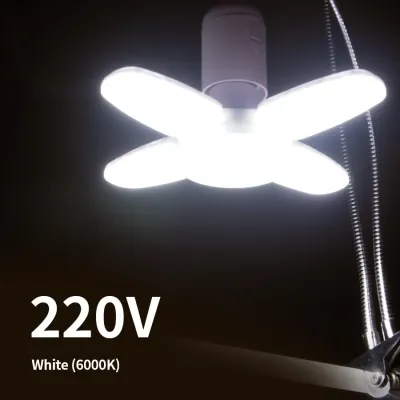
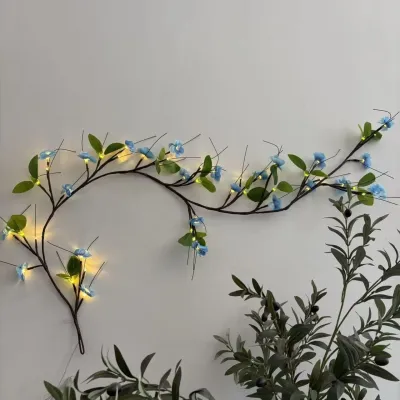
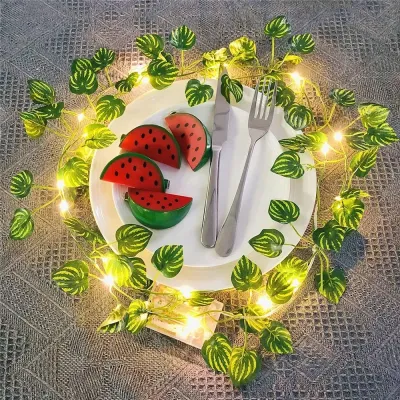
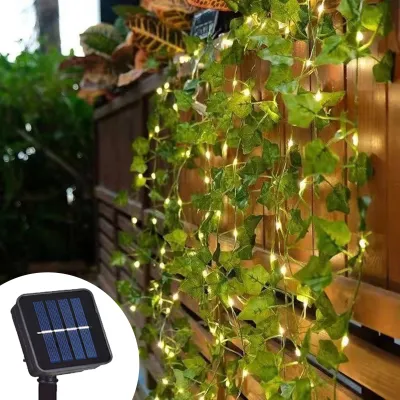
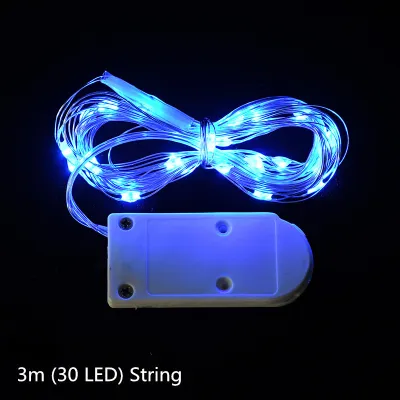
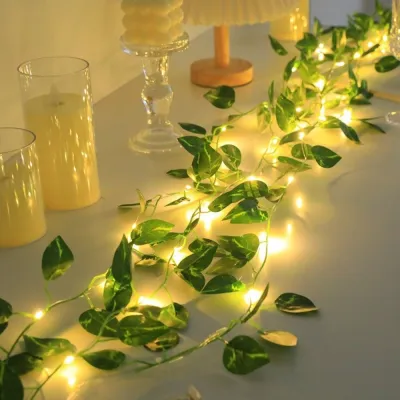
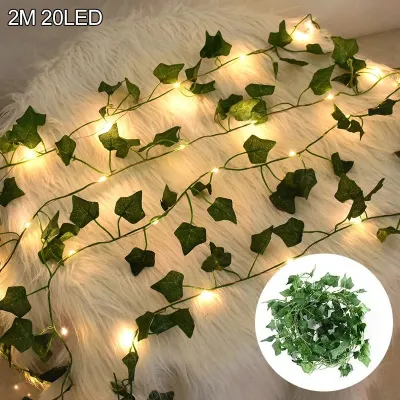
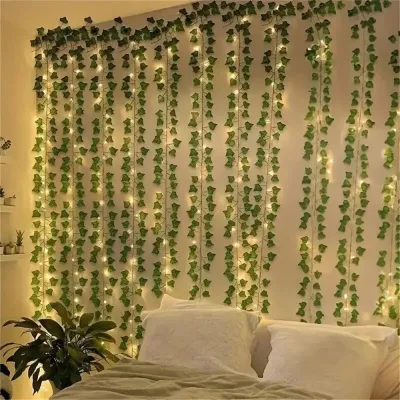
Prices are valid at publication and may change. Please refer to the product page for the latest price.
For a more premium and durable option, look for leaf lights featuring molded silicone or high-grade polyethylene (PE). Silicone leaves offer a soft, realistic texture, diffuse light beautifully for a natural glow, and resist discoloration over time. PE is highly resilient, making it an excellent choice for semi-outdoor spaces like covered patios. Evaluating the leaf attachment mechanism is also crucial; high-quality strings feature leaves that are securely molded or clipped onto the wire assembly, preventing them from falling off during installation or cleaning.
The quality of the LED beads embedded within the foliage directly determines the visual success of your lighting setup. Inferior LED strings often exhibit noticeable color temperature variances, where some bulbs appear warmer or cooler than others on the same strand. They may also suffer from rapid lumen depreciation, losing their brightness within a few weeks of regular use. Look for brands that specify the use of surface-mounted diode (SMD) LEDs or encapsulated epoxy beads, which provide a flatter profile, wider light distribution, and superior heat dissipation compared to older, dip-style LED bulbs.
Equally important is the construction of the underlying wire and core. Thin, bare copper wire strings are highly flexible and easy to wrap around furniture or bed frames, but they are exceptionally fragile and susceptible to snapping if pulled too tightly. If you plan to drape your lights over a large area or adjust their positioning frequently, prioritize strings with thicker, insulated copper wires or PVC-coated cables. Check that the wire gauge is sufficient to handle the electrical load without warming up, and ensure the insulation is uniform along the entire length of the strand.
Because many leaf lights sold online are unbranded or white-labeled, evaluating brand reputation requires looking for concrete indicators of quality rather than a recognizable logo. Reliable manufacturers distinguish themselves by providing transparent product specifications, including exact wire lengths, LED counts, power consumption figures, and clear safety certifications. A brand that offers a straightforward warranty—even a modest six-month replacement guarantee—and maintains accessible customer service channels is far more likely to deliver a dependable product than a seller offering vague, hype-filled descriptions.
Essential Features to Compare Before Buying
Before purchasing leaf lights, you must determine exactly where they will be installed, as Singapore’s environmental conditions demand different levels of protection. For strictly indoor environments, such as bedrooms or living rooms, standard decorative lights without specialized weatherproofing are perfectly adequate. However, if you intend to hang your lights on a balcony, near an open window, or within a semi-outdoor patio, you must verify the product’s Ingress Protection (IP) rating. High humidity and sudden tropical downpours can easily penetrate non-rated enclosures, leading to short circuits or corrosion.

For semi-outdoor areas that are sheltered from direct rain but exposed to ambient moisture, look for a minimum rating of IP44, which protects against splashing water from any direction. For fully exposed outdoor gardens or open-air planters, a rating of IP65 or higher is essential to ensure the light string and its connections are completely dust-tight and protected against water jets. Never assume a product is waterproof unless the manufacturer explicitly states the IP rating on the packaging or product listing.
The control mechanism of your leaf lights significantly impacts daily convenience and energy efficiency. Basic models typically feature a simple inline manual switch, which requires physical access to turn the lights on and off. More versatile options include multi-function controllers that allow you to cycle through various lighting modes, such as slow fading, twinkling, or steady glow. While dynamic modes can add a festive touch, ensure the controller has a memory function so it defaults to your preferred setting every time it is powered on.
For maximum convenience, look for leaf lights compatible with remote controls or smart home systems. Remotes often feature built-in timer functions (such as 6 hours on, 18 hours off), which automate your lighting schedule and prevent unnecessary power consumption. Smart leaf lights that connect via Wi-Fi or Bluetooth allow you to integrate the display into your existing smart home ecosystem, enabling voice control through popular virtual assistants and custom scheduling via mobile applications.
Color temperature plays a pivotal role in establishing the atmosphere of your space. For a cozy, inviting, and natural aesthetic that mimics the warmth of sunlight filtering through a canopy, opt for warm white LEDs, which typically range from 2700K to 3000K. Cool white lights (5000K and above) can look overly sterile or clinical when paired with green foliage, though they may suit modern, minimalist decors. RGB (red, green, blue) color-changing models offer incredible versatility for festive occasions, allowing you to match the lighting scheme to specific holidays or events.
Finally, consider the density of both the leaves and the LED beads along the string. A high-density strand, where leaves and lights are spaced closely together (e.g., every 5 to 10 centimeters), creates a lush, full-bodied garland that serves as a striking focal point on a mantelpiece or wall. Conversely, a low-density strand with wider spacing is better suited as a subtle, delicate accent woven through bookshelves or wrapped around indoor plants. Be sure to check the physical dimensions of the leaves as well, as oversized foliage can overwhelm small spaces, while tiny leaves may get lost in larger installations.
Power Sources and Installation Safety in Singapore
Choosing the right power source for your leaf lights involves balancing convenience, placement flexibility, and electrical safety. Plug-in models connected directly to the mains power are the most reliable option for permanent, long-term installations. They provide consistent, unwavering brightness and eliminate the need to replace batteries. When purchasing mains-powered lights in Singapore, you must verify that the power adapter is compatible with the local electrical grid, which operates at 230V and 50Hz, and features a standard Type G three-pin plug.
USB-powered leaf lights offer a highly versatile alternative for indoor setups, particularly around desks, entertainment centers, or bedside tables. They can be plugged directly into computer ports, USB wall chargers, or portable power banks, making them incredibly easy to position without relying on nearby wall outlets. However, USB power is generally limited by shorter cable runs and lower voltage, meaning very long strands may experience a drop in brightness toward the end of the wire.
For temporary setups, event backdrops, or locations completely devoid of power outlets, battery-operated leaf lights are highly practical. These typically run on AA or AAA batteries housed in a small plastic box. While they offer unmatched portability, they require ongoing battery replacements, which can become costly and environmentally unfriendly over time. To mitigate this, consider using rechargeable NiMH batteries, or reserve battery-powered strings for short-term decorative purposes rather than daily ambient lighting.
Solar-powered leaf lights are an appealing, eco-friendly option for outdoor gardens, balconies, and rooftops. These systems use a small solar panel to charge an internal battery during the day, which then powers the LEDs automatically at dusk. In Singapore, however, solar efficiency can be highly variable due to frequent cloud cover, heavy monsoon rains, and shade from neighboring high-rise buildings. To ensure reliable performance, mount the solar panel in an unshaded position that receives direct sunlight for at least six hours a day, and accept that runtime may be significantly reduced on overcast days.
Regardless of the power source you choose, electrical safety must remain your top priority. In Singapore, electrical accessories sold for household use should carry recognized safety certifications, such as the Enterprise Singapore SAFETY Mark on the power adapter. This mark indicates that the adapter has been tested and approved for safe use under local electrical conditions. Avoid using unbranded, extremely cheap power adapters imported directly from overseas without safety markings, as they pose a genuine risk of overheating, short-circuiting, or causing electrical fires.
When installing your leaf lights, handle the components with care to avoid compromising their structural or electrical integrity. Avoid stretching the wires tightly between mounting points, as tension can break the internal copper conductors or damage the solder joints at the LED beads. Use insulated cable clips, zip ties, or damage-free adhesive hooks to secure the strings, and never pinch the wires behind heavy furniture or run them under rugs where they can be stepped on. If your installation requires fixed electrical wiring, mounting at significant heights, or securing heavy structural supports, always hire a licensed electrical worker or qualified professional to perform the work safely.
Smart Shopping: Where to Buy and What to Verify
When you are ready to purchase leaf lights in Singapore, navigating the retail landscape strategically will help you secure a high-quality product. Buying directly from official brand websites or authorized local lighting specialty stores offers the highest level of consumer protection. These retailers typically provide genuine warranties, reliable customer support, and products that are fully compliant with local safety regulations. If you prefer the convenience and variety of online marketplaces, prioritize stores designated as “Official” or “Mall” sellers to reduce the risk of buying counterfeit or substandard goods.
Evaluating seller credibility on e-commerce platforms requires a discerning eye. Do not rely solely on the overall star rating of a listing, as these can sometimes be inflated. Instead, dive into the individual customer reviews, specifically filtering for feedback that includes real photos or videos of the product in use. Pay close attention to comments regarding the quality of the plastic leaves, the actual color temperature of the lights, and how closely the physical product matches the promotional images. Additionally, verify the seller’s return and exchange policies, ensuring you can easily return a defective item within a reasonable timeframe.
Once your leaf lights are delivered, perform a thorough post-delivery inspection before installing them or discarding the packaging. Start by carefully unpacking the lights and conducting a visual inspection of the entire strand. Check for any exposed copper, frayed insulation, cracked battery boxes, or damaged leaf attachments that may have occurred during shipping. If you notice any structural defects, contact the seller immediately for a replacement rather than attempting to use the damaged product.
Next, perform a functional test by plugging the lights in or inserting fresh batteries. Allow the lights to run for at least ten to fifteen minutes while you observe their performance. Cycle through all available lighting modes on the controller to ensure the chip is functioning correctly, and check that all LED beads illuminate with uniform brightness and color. During this test, gently feel the wire and the power adapter; they should remain cool or only slightly warm to the touch. Any excessive heat generation is a major red flag.
Finally, conduct an odor check. While a mild plastic smell is normal for newly unpacked PVC or silicone items, a strong, acrid chemical odor or a burning smell indicates low-grade materials or electrical malfunction. If the lights pass all visual, functional, and safety checks, keep your receipt, invoice, and any warranty documentation in a safe place. Having these documents readily accessible will make it much easier to file a claim if the lights encounter any issues during the warranty period.
Frequently Asked Questions (FAQ)
Can I leave my leaf lights on all night?
While modern LED leaf lights generate very little heat compared to traditional incandescent bulbs, leaving them illuminated unattended all night is generally not recommended. Continuous operation accelerates the degradation of the LED chips and the internal driver components, shortening the overall lifespan of your decorative lights. More importantly, leaving any electrical device powered on while you sleep introduces an unnecessary, albeit small, safety risk. To enjoy a worry-free setup, utilize the built-in timer functions on your light controller, or connect the lights to a smart plug programmed to turn off automatically at a set bedtime.
How do I clean and maintain artificial leaf lights?
Over time, artificial leaves and light strings will inevitably accumulate dust, which can dull their appearance and reduce light output. Before performing any cleaning or maintenance, always unplug the lights from the wall outlet or remove the batteries to eliminate any risk of electrical shock. For regular maintenance, gently wipe the leaves and wires with a dry, soft microfiber cloth to remove dust. If the leaves are particularly dirty, you can use a slightly damp cloth with a tiny amount of mild dish soap, taking extreme care not to let any moisture enter the LED housings, wire connections, or controller box. Never submerge any part of the light string in water, and avoid using harsh chemical solvents, glass cleaners, or abrasive pads, as these can degrade the plastic leaves and strip away protective wire coatings. Allow the entire assembly to air dry completely before plugging it back in.
Are solar-powered leaf lights effective in Singapore's weather?
Solar-powered leaf lights can be highly effective in Singapore, provided you manage your expectations and optimize their placement. Because Singapore is located near the equator, it receives strong, direct sunlight that is ideal for solar charging. However, our tropical climate also brings frequent cloud cover, haze, and sudden afternoon downpours, which can significantly reduce the amount of solar energy captured on any given day. To maximize efficiency, place the solar panel in a location that receives unobstructed, direct sunlight for the majority of the day, such as an open balcony railing or an unshaded garden bed. Avoid placing the panel under building overhangs, dense tree canopies, or behind tinted glass windows. On fully sunny days, a quality solar battery can easily power the lights for six to eight hours, but expect a much shorter runtime of two to three hours following a heavily overcast or rainy day.
Community discussion
Share your experience or ask a question. Comments are reviewed before publication.