
When decorating a home in Singapore, finding the right led fairy light involves balancing aesthetic charm with electrical safety and long-term durability. While many generic options flood online marketplaces, selecting a reliable brand or certified product ensures your cozy bedroom glow or balcony ambiance does not turn into a safety hazard or a short-lived purchase. To make an informed decision, homeowners must look beyond low price tags and evaluate specific build materials, power delivery systems, and local safety certifications. This guide breaks down the essential criteria for identifying high-quality LED fairy lights, matching them to your home layout, and ensuring safe installation in Singapore’s humid tropical climate.
How to Evaluate LED Fairy Light Brands for Quality and Value
Build Quality and Materials
The physical construction of a led fairy light determines how long it will last before individual bulbs fail or the wire snaps. High-quality brands typically offer two main wire types: flexible copper (or silver) wire and insulated PVC string.
Copper wire lights feature micro-LEDs directly soldered onto thin, bendable strands. When evaluating these, inspect the thickness of the wire; three-strand copper wires offer significantly more structural integrity than cheap two-strand alternatives, which are prone to snapping when bent around tight corners. The individual strands should be coated with a clear, protective lacquer insulation to prevent short circuits when the wire overlaps or comes into contact with metallic surfaces.
Products mentioned in this guide
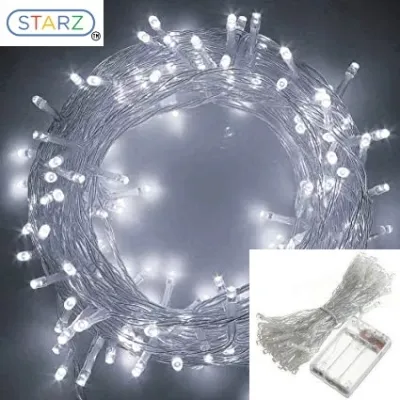
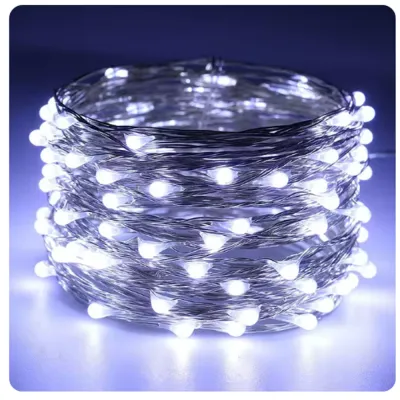
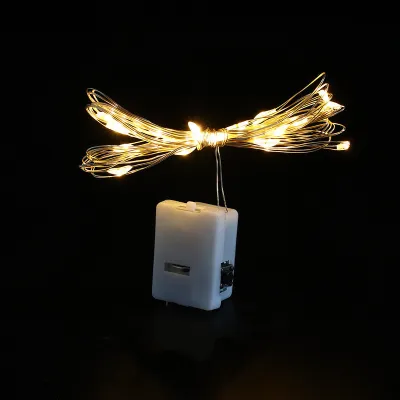
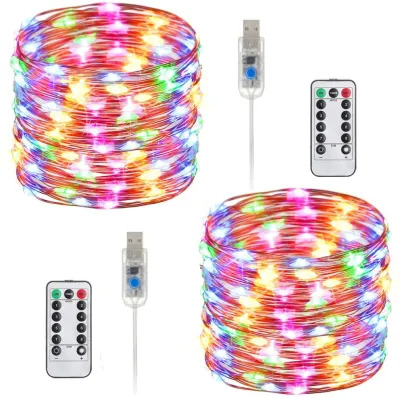
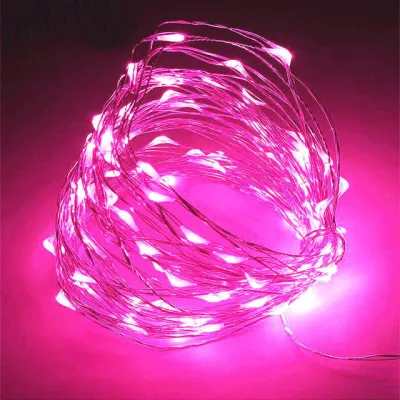
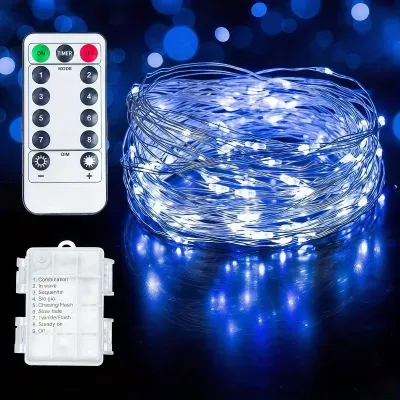
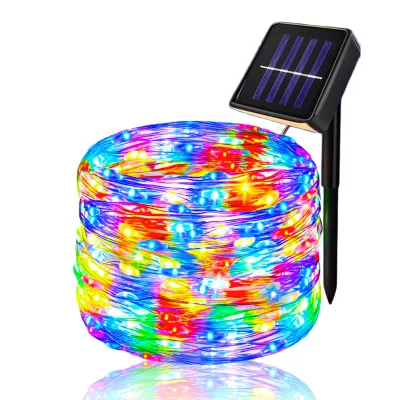
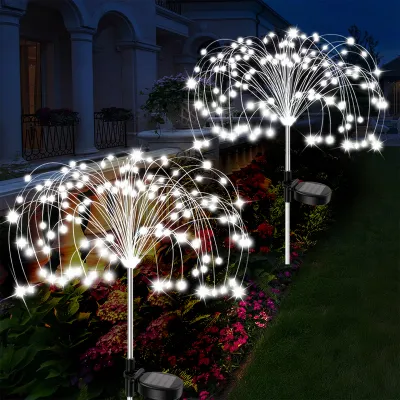
Prices are valid at publication and may change. Please refer to the product page for the latest price.
Traditional PVC string lights feature thicker, insulated cables that house larger LED bulbs. Look for brands that use thick, flexible PVC that does not feel brittle under tension. The solder joints where the LED beads meet the wire should be fully encased in protective shrink-tubing or epoxy resin to prevent moisture ingress and mechanical strain.
Bead density is another quality indicator. Premium brands maintain consistent spacing—typically 5cm to 10cm between LEDs—and ensure that each bead is securely attached. Low-quality manufacturing often results in uneven spacing and weak solder joints, leading to premature flickering or entire sections of the string failing.
Longevity, Color Consistency, and Warranty
Reputable lighting brands design their products to maintain consistent brightness and color temperature over thousands of hours. Cheap, unbranded LED fairy lights often suffer from rapid color degradation, where a warm white light shifts to an unpleasant green or blue hue within a few weeks of continuous use. This shift occurs because low-grade phosphor coatings on the LED chips degrade quickly under heat.
Look for manufacturers that provide clear specifications regarding LED lifespan (typically rated for 20,000 to 50,000 hours) and back their claims with a clear warranty or defect replacement policy. While a basic warranty of six to twelve months might seem short compared to major household appliances, it provides essential protection against early component failure and indicates the manufacturer’s confidence in their quality control.
Control Mechanisms and Smart Integration
The sophistication of the control unit is a major differentiator between budget and premium fairy light brands. Entry-level options usually feature a simple inline manual switch or a basic push-button on the battery box that cycles through preset flashing modes. These switches can feel flimsy and are often the first component to fail.
Mid-range and premium brands offer advanced control options, including infrared (IR) remote controls, built-in timers, and dimming capabilities. Timers are particularly useful for home decor, allowing you to program the lights to turn on automatically at sunset and shut off before bedtime.
For smart home enthusiasts, top-tier brands integrate with popular ecosystems via Wi-Fi or Bluetooth. These app-connected lights allow you to adjust brightness levels, customize color patterns, and sync the lights with music or other smart home routines, offering a seamless user experience that justifies a higher initial investment.
Selecting the Right Power Source for Your Room Layout
USB-Powered Lights
USB-powered fairy lights are incredibly versatile and have become the standard for localized bedroom decor, desk setups, and vanity mirrors. They can be plugged directly into phone chargers, multi-port USB hubs, or portable power banks, making them easy to integrate into existing workspaces.

When using USB-powered sets, it is crucial to verify the power output requirements of the lights against your USB adapter. Most standard micro-LED strings require a standard 5V, 1A or 2A power source. Underpowering the lights by using an old, low-amperage adapter can result in dim lighting, flickering, or the adapter itself overheating as it struggles to supply sufficient current.
Battery-Operated Options
If you want to decorate an area without visible cable clutter or where power outlets are inaccessible—such as dining table centerpieces, wreaths, or floating shelves—battery-operated fairy lights are the ideal choice. They typically run on AA or AAA batteries, housing them in a compact plastic box.
While convenient, battery-operated lights have notable trade-offs. The ongoing cost and environmental impact of replacing disposable batteries can accumulate quickly if the lights are used daily. To mitigate this, consider using high-quality rechargeable NiMH batteries.
Additionally, ensure the battery box is placed in an easily accessible location so you do not have to dismantle your entire decor setup just to change the batteries or toggle the power switch.
Mains-Powered (Plug-In) Sets
For large-scale decorative installations, such as floor-to-ceiling curtain lights, outdoor patio drapes, or wrapping a large living room feature wall, mains-powered sets are the most reliable option. They deliver a consistent, high-voltage power supply that can support hundreds of LEDs across long distances without any drop in brightness.
In Singapore, mains-powered appliances must operate safely on a 230V, 50Hz electrical system. It is vital to ensure that any plug-in fairy light set comes with a compatible Type G plug (the standard three-pin plug used locally) or a certified step-down transformer/adapter that converts the mains voltage to a safe low-voltage direct current (DC) before it reaches the light string.
Solar-Powered Alternatives
Solar-powered fairy lights are designed specifically for outdoor environments like balconies, rooftop gardens, and patios. They feature a small solar panel connected to a rechargeable battery pack that stores energy during the day and automatically illuminates the LEDs at night.
However, their performance is entirely dependent on weather conditions. In Singapore, while sunny days are common, frequent tropical downpours and high-rise building shadows can limit the solar panel’s exposure to direct sunlight. For consistent performance, solar panels must be mounted in unobstructed areas that receive at least six hours of direct sunlight daily.
Matching Light Styles and Colors to Your Interior Theme
Color Temperature Selection
The color temperature of your led fairy light dictates the mood of the room. Expressed in Kelvin (K), color temperature generally falls into three main categories for home decor.
- Warm White (2700K – 3000K): This is the most popular choice for residential spaces. It emits a soft, golden glow that mimics candlelight, making it perfect for creating a cozy, relaxing atmosphere in bedrooms, reading nooks, and living rooms. This color temperature complements natural wood finishes and warm-toned textiles common in Scandinavian and bohemian-style interiors.
- Cool White (4000K – 6000K): Offering a crisp, bright, and modern aesthetic, cool white lights are best suited for contemporary, minimalist, or industrial interiors. They work well as accent lighting behind mirrors, under cabinets, or in study areas where high visibility and sharp contrast are desired.
- RGB and Color-Changing: If you are decorating a gaming room, a home theater, or preparing for festive occasions, RGB lights provide the flexibility to switch between vibrant colors or run dynamic color-changing effects to match the energy of the space.
Wire Types and Aesthetics
The physical design of the light string should complement your existing decor elements.
- Bare Copper Wire: Extremely thin and nearly invisible when turned off, copper wire lights are highly flexible. They can be wrapped tightly around delicate structures, stuffed inside glass jars to create "firefly" lanterns, or woven through indoor plants without distracting from the natural foliage.
- Traditional PVC String Lights: These feature thicker, insulated wires (often in green, white, or black) that are highly visible. They are best used when draped along curtain rods, wrapped around thick bed posts, or hung outdoors where structural strength is required.
- Curtain and Net Lights: Designed specifically to cover large vertical or horizontal surfaces, curtain lights hang down in parallel strands from a main horizontal cable, while net lights form a grid. These are ideal for creating a dramatic backdrop behind sheer curtains, covering bay windows, or draping over balcony railings.
Space-Specific Applications
To avoid a cluttered or chaotic look, integrate fairy lights thoughtfully into your home layout.
In the bedroom, try draping a warm white copper wire string along the top of a wooden headboard or weaving it through a canopy. This adds a soft layer of ambient lighting that can replace harsh overhead fixtures in the evening.
For living rooms, highlight architectural features like bay windows by hanging delicate curtain lights behind sheer drapes, which diffuses the light beautifully.
In dining areas or kitchens, placing a short, battery-operated micro-LED string inside a glass cloche or along an open shelving unit adds a touch of warmth without competing with your primary task lighting.
Essential Safety Checks and Installation Boundaries
Electrical Safety Marks
In Singapore, safety is paramount when dealing with electrical appliances left running for extended periods. Mains-powered adapters and plugs fall under the Controlled Goods scheme regulated by Enterprise Singapore.
Always look for the official SAFETY Mark on the power adapter or plug. This certification indicates that the product has undergone rigorous testing and complies with local safety standards, significantly reducing the risk of short circuits, electrical fires, or electrical shocks. Avoid using unbranded adapters imported directly from overseas that lack this mark, as they often bypass critical safety components like thermal fuses and overload protection.
Heat and Humidity Considerations
Singapore’s tropical climate features high humidity levels year-round, which can accelerate the degradation of electrical components. Indoor-rated fairy lights are not sealed against moisture and should never be used in bathrooms, kitchens, or semi-outdoor areas like open balconies where they might be exposed to condensation or rain.
For semi-outdoor or outdoor installations, you must select lights with an appropriate Ingress Protection (IP) rating. Look for at least an IP44 rating for splash resistance under sheltered balconies, and an IP65 or IP67 rating for lights fully exposed to the elements. These ratings ensure the LED beads and connection points are sealed against dust and water penetration.
Safe Installation Practices
Proper physical installation prevents mechanical damage to the light strings and minimizes fire hazards.
- Avoid Wire Damage: Do not pinch or crimp the wires under heavy furniture, door frames, or sharp metal clips, as this can damage the internal copper conductors and lead to short circuits. Use damage-free adhesive clips or cable ties to secure the strings gently.
- Load Management: Do not overload electrical wall sockets or extension strips by daisy-chaining multiple high-draw appliances alongside your decorative lights.
- Ventilation: Ensure that power adapters and transformers are placed in well-ventilated areas. Avoid burying them under pillows, heavy blankets, or behind tight sofa cushions where heat can build up rapidly during operation.
When to Stop and Consult
Always prioritize safety over aesthetics. If you notice any of the following warning signs, immediately disconnect the power supply:
- The power adapter or wire feels unusually hot to the touch.
- The adapter emits a faint buzzing, humming, or crackling sound.
- The lights begin to flicker abnormally, dim unexpectedly, or emit a burning smell.
If the manufacturer’s installation instructions conflict with local electrical standards or if you are unsure about the wiring safety of a specific setup, halt the installation and consult a qualified electrician or lighting professional.
Where to Source Authentic Brands and Avoid Counterfeits
Authorized Channels and Showrooms
To guarantee you are purchasing genuine, safe, and high-quality LED fairy lights, prioritize authorized retail channels. Established local home decor stores, department stores, and specialized lighting showrooms in Singapore carry curated selections of reputable brands that comply with local safety regulations.
Purchasing from these physical or official online storefronts ensures you receive valid local warranty support, making it easy to exchange defective units or seek assistance if a component fails prematurely.
Navigating Online Marketplaces
Online marketplaces offer an immense variety of fairy lights, but they also require careful navigation to avoid counterfeit or substandard goods.
When shopping online, look for official brand stores or preferred sellers with high ratings and positive customer feedback. Read recent product reviews carefully, paying close attention to any mentions of adapter quality, overheating, or early bulb failure.
Verify that the seller explicitly states the inclusion of a SAFETY Mark-certified adapter for any mains-powered sets, and check their return and refund policies for defective items before finalizing your purchase.
Red Flags to Watch For
Be highly skeptical of listings that feature exceptionally low prices for long, mains-powered light strings. High-quality copper, robust PVC insulation, and certified safety adapters carry manufacturing costs; prices that seem too good to be true often indicate compromised safety features.
Avoid products that arrive in generic, unbranded packaging without clear manufacturer details, model numbers, or safety instructions.
Never use a mains adapter that lacks a visible safety certification mark, has loose pins, or feels incredibly lightweight and hollow, as these are common signs of cheap, uncertified counterfeits.
Frequently Asked Questions (FAQ)
Can I leave LED fairy lights on all night?
While LED fairy lights emit very little heat compared to traditional incandescent bulbs, leaving them on overnight is generally not recommended unless they are powered by a certified low-voltage adapter and equipped with an automatic timer. To ensure maximum safety and conserve energy, use a smart plug or a built-in timer function to automatically shut off the lights after a few hours of use or when you go to sleep.
How do I safely clean dusty fairy lights?
To clean dusty fairy lights safely, always unplug the power adapter from the wall socket or remove the batteries first. Use a clean, dry microfiber cloth or a soft-bristled brush to gently wipe away dust from the wires and LED beads. Strictly avoid using water, liquid cleaning sprays, or damp cloths, as moisture can easily penetrate the delicate solder joints and cause rust or electrical short circuits.
Do fairy lights consume a lot of electricity?
No, LED fairy lights are highly energy-efficient and consume very little electricity. A typical 10-meter string of micro-LED fairy lights draws only about 3 to 6 watts of power, which has a negligible impact on your monthly household utility bill in Singapore. Battery-operated and USB-powered sets run on extremely low wattages and do not draw power directly from your mains electrical system, making them highly cost-effective decorative options.
Community discussion
Share your experience or ask a question. Comments are reviewed before publication.