
Finding authentic, high-quality Palo Santo in Singapore requires balancing aromatic preference with strict ethical sourcing and environmental safety. Known as “holy wood,” this aromatic timber from the Bursera graveolens tree is prized for its soothing citrus, pine, and mint scent. However, the surge in global demand has led to a market flooded with synthetic imitations and unsustainably harvested wood. To make an informed purchase in Singapore, you must understand how to distinguish genuine, naturally fallen Palo Santo from cheap counterfeits, select the right product format for your living space, and identify reputable local and international brands that prioritize ecological preservation.
How to Identify High-Quality and Ethically Sourced Palo Santo
The botanical standard for authentic Palo Santo is Bursera graveolens, a tree native to the seasonally dry tropical forests of South America. True Palo Santo must be harvested sustainably, which requires that the tree dies a natural death and rests on the forest floor for three to ten years. During this prolonged curing period, the sap undergoes a chemical metamorphosis, concentrating the aromatic resin and producing the high levels of limonene and terpineol responsible for its signature therapeutic scent. Cutting down live trees is not only ecologically destructive but also yields inferior wood that lacks this cured resin, resulting in a flat, purely smoky aroma.
Visual indicators of premium Palo Santo are distinct and easily identifiable upon close inspection. Authentic sticks are rarely uniform; they exhibit natural variations in grain, ranging from light cream to deep, golden-brown streaks where the resin has concentrated. If you inspect a high-quality stick closely, you may notice a slightly glossy or crystallized texture in the darker grain lines, indicating a rich presence of natural essential oils. Avoid wood that appears completely uniform, overly bleached, or unnaturally dark throughout, as these can be signs of chemical treatment or artificial dyeing.
Products mentioned in this guide
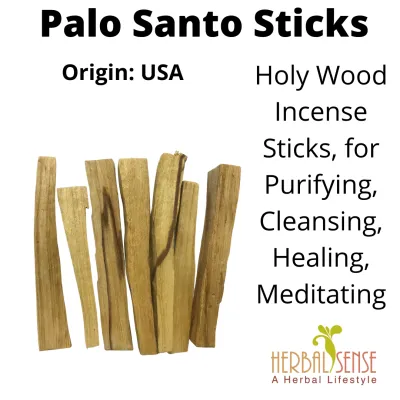
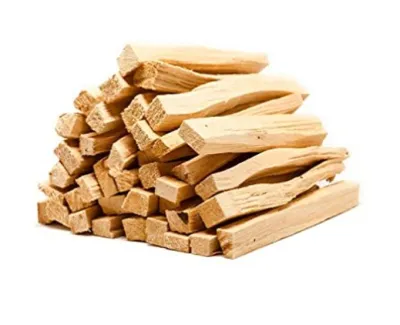
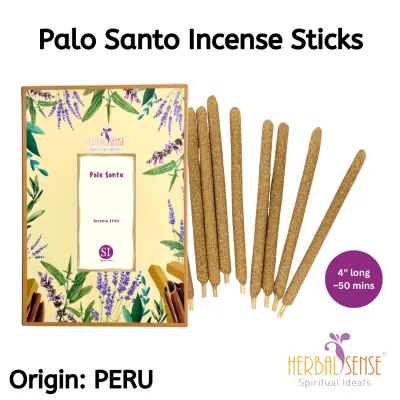
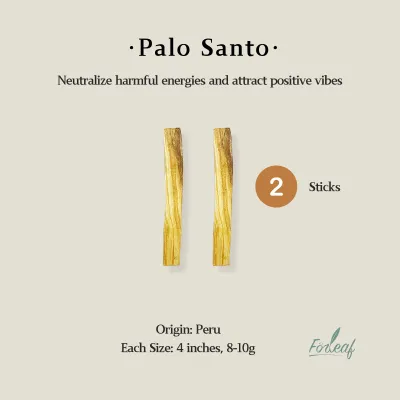
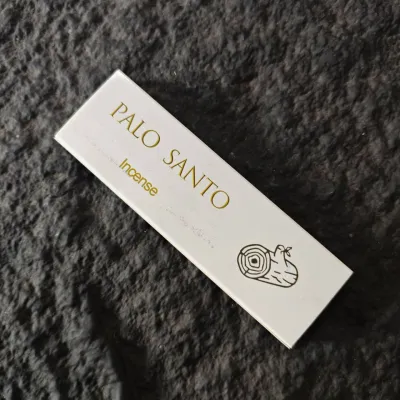
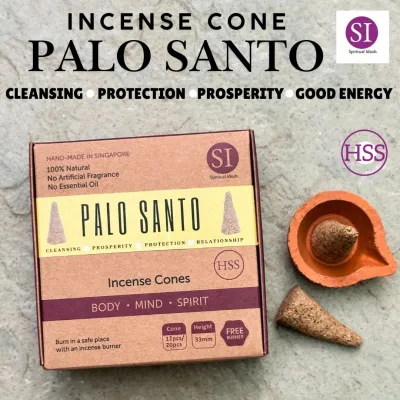
Prices are valid at publication and may change. Please refer to the product page for the latest price.
The olfactory profile is the most reliable test of authenticity before and during use. When unlit, genuine Palo Santo emits a complex, delicate aroma that combines bright citrus notes, sweet pine, and a cooling hint of mint. When ignited, the smoke should be thin, white, and sweet-smelling, rather than heavy, black, and acrid. If a stick smells intensely perfume-like, synthetic, or resembles generic burnt campfire wood without any citrus or mint undertones, it has likely been soaked in artificial fragrance oil to mask cheap, low-grade timber.
Evaluating sustainability claims on product packaging is crucial to support ethical harvesting. Reputable brands operating in Singapore will openly share details about their supply chains, often highlighting partnerships with direct harvesters in Peru or Ecuador who participate in active reforestation programs. Look for labels that explicitly state “ethically wild-harvested” or “naturally fallen.” Genuine suppliers are transparent about their harvesting licenses, which are regulated by government bodies like SERFOR in Peru, ensuring that every purchase supports local conservation efforts rather than illegal logging.
Choosing the Right Palo Santo Product Format for Your Space
Selecting the ideal Palo Santo format depends heavily on your lifestyle, home layout, and spatial limitations. Traditional raw wood sticks are the most recognizable format, offering an authentic, hands-on experience. They are highly suited for focused aromatherapy, active smudging, or short meditation sessions because they burn for only a few minutes before self-extinguishing. This format requires a fire-safe holder and active supervision, making it less ideal for continuous background scenting but perfect for intentional, short-term rituals.

For those living in modern Singapore apartments, such as high-density HDB flats or condominiums with sensitive smoke detectors, essential oils and diffuser blends offer an excellent flameless alternative. Pure Palo Santo essential oil can be dispersed using an ultrasonic or cold-air diffuser, providing a continuous, clean, and smoke-free aroma. When selecting electric diffusers, always verify that the device carries the Singapore Safety Mark to ensure electrical safety and voltage compatibility with local power standards. This format allows you to enjoy the therapeutic benefits of the wood without any fire hazard or indoor air quality concerns.
Incense sticks and cones provide a convenient middle ground for users who appreciate the traditional burning experience but prefer a steady, hands-free release of fragrance. Unlike raw wood sticks, which require constant relighting, high-quality Palo Santo incense burns continuously for thirty to forty-five minutes. When purchasing incense, it is vital to select products made with natural binders, such as makko powder, and pure Palo Santo sawdust, rather than synthetic adhesives or charcoal bases that can distort the delicate botanical profile and release harmful particulates.
Scented candles and room sprays offer a modern, decorative approach to integrating this sacred wood into your home decor. Palo Santo candles, typically crafted with soy, coconut, or beeswax bases, blend the woody aroma with complementary notes like cedar, sandalwood, or vanilla to create a complex home fragrance. Room sprays provide an instantaneous burst of scent, perfect for refreshing upholstery or preparing a space before guests arrive. These options are highly versatile, requiring no active monitoring beyond standard candle safety, and are ideal for humid tropical climates where lighter, ambient scenting is preferred.
Reliable Palo Santo Brand Profiles and Product Lines in Singapore
Navigating the retail landscape in Singapore requires a discerning eye, as product quality varies significantly between different brand categories. Specialty aromatherapy and wellness brands are highly reliable sources for pure Palo Santo products, particularly essential oils and premium wood cuts. These brands typically prioritize scientific transparency, often providing batch-specific Gas Chromatography-Mass Spectrometry (GC/MS) testing reports to prove the chemical purity of their oils. They cater to consumers who seek therapeutic-grade products and are willing to pay a premium for verified botanical integrity.
Local artisanal candle and incense makers represent a vibrant segment of the Singapore market. These home-grown creators often craft small-batch products tailored specifically to the local climate, blending Palo Santo with lighter, humidity-friendly notes like citrus or green tea. Purchasing from local artisans ensures a high level of quality control, as these makers typically source their raw materials from reputable global distributors and hand-pour or hand-roll their products locally. This category is perfect for those looking for unique, gift-ready home decor items that support the local creative community.
Imported fair-trade and direct-source brands offer the highest level of supply chain traceability. These international brands establish direct partnerships with South American cooperatives, ensuring that the indigenous communities harvesting the wood receive fair wages and that reforestation efforts are actively funded. Their products are often packaged in eco-friendly, biodegradable materials and feature detailed information about the specific region of harvest. While these imported goods often carry a higher price tag due to shipping and fair-trade premiums, they provide peace of mind for ethically conscious consumers.
To assist you in evaluating these brands before checkout, utilize this quick verification framework:
- Botanical Transparency: Does the brand explicitly list Bursera graveolens on the product label?
- Harvesting Methodology: Is there a clear, written commitment to using only naturally fallen, aged wood?
- Origin Traceability: Does the brand specify whether the wood was sourced from Ecuador or Peru?
- Safety Certifications: For electrical diffusers or processed incense, are local safety standards and ingredient lists fully disclosed?
Where to Buy Authentic Palo Santo in Singapore
Securing authentic Palo Santo requires choosing retail channels that guarantee product origin and quality. The safest and most direct route is purchasing through official brand websites and local flagship stores. Buying directly from the source ensures that you receive fresh, properly stored inventory and gives you access to comprehensive customer support. Official channels are also the most reliable way to verify sustainability certificates and batch testing reports, protecting you from expired or improperly stored botanical products.
For those who prefer a tactile shopping experience, specialized brick-and-mortar wellness and home decor boutiques located in Singapore’s lifestyle districts offer an excellent alternative. Visiting a physical store allows you to personally inspect the Palo Santo wood before purchasing. You can assess the weight of the sticks, observe the richness of the resin veins, and inhale the unlit aroma to verify its authenticity. Additionally, knowledgeable boutique staff can provide personalized recommendations on how to integrate different formats into your specific home environment.
When navigating online marketplaces, consumers must exercise a high degree of caution to avoid counterfeit or unsustainably harvested products. While these platforms offer convenience and competitive pricing, they are also home to unauthorized third-party sellers offering suspiciously cheap bulk listings. To protect yourself, always filter for authorized distributors, read verified customer reviews that specifically mention the scent and burn quality, and avoid listings that lack detailed botanical or sourcing information. If a deal seems too good to be true, it is highly likely that the product is either synthetic pine or illegally logged wood.
Safe Usage, Extinguishing, and Storage Practices
Operating open flames and burning natural aromatics in Singapore’s high-density residential environments requires strict adherence to fire safety and proper ventilation. Always burn Palo Santo raw wood or incense on a stable, heat-resistant holder, such as a thick ceramic dish, a stone bowl, or a traditional abalone shell supported by a wooden stand. Ensure the burner is placed on a flat, non-flammable surface away from open windows, ceiling fans, air conditioning drafts, curtains, and any combustible household items. Never leave a burning or smoldering stick unattended, especially in households with active pets or young children.
Extinguishing Palo Santo correctly is essential for preserving the wood’s natural resins for future use. Because Palo Santo is highly dense, it is designed to smolder gently rather than burn rapidly. To extinguish the ember, press the glowing tip firmly into a bowl filled with dry sand, or press it flat against a heatproof ceramic or stone surface until the smoke stops completely. Avoid dipping the wood in water to extinguish it; water saturates the porous timber, which degrades the essential oils, promotes mold growth, and makes the stick incredibly difficult to relight in the future.
Singapore’s hot and highly humid tropical climate presents unique challenges for storing natural wood products. High humidity can cause Palo Santo sticks to absorb ambient moisture, leading to a weak scent profile, difficulty in ignition, and the development of mold. To prevent this, store your Palo Santo in an airtight glass jar or a tightly sealed container, and place a food-safe silica gel packet inside to absorb any trapped moisture. Keep the container in a cool, dry cupboard away from direct sunlight, air conditioning vents, and fluctuating temperatures to maintain the integrity of the aromatic essential oils.
Frequently Asked Questions (FAQ)
Is Palo Santo smoke safe for pets and children?
While natural Palo Santo smoke is generally well-tolerated in moderate amounts, caution must be exercised around children and pets. High concentrations of any smoke can irritate sensitive respiratory systems, particularly in infants, individuals with asthma, and small animals. Cats and birds are exceptionally sensitive to airborne particulates and essential oil vapors due to their unique respiratory physiology and liver metabolism. Always ensure your space has excellent cross-ventilation by opening windows, and consult a qualified veterinarian if you notice any signs of respiratory distress in your pets.
Why does my Palo Santo not stay lit?
It is a common misconception that Palo Santo sticks should burn continuously like traditional incense. Because of the wood’s high density and rich natural resin content, it is designed to smolder for only one to two minutes before self-extinguishing. This natural self-limiting burn is ideal for quick aromatherapy sessions. If you require a continuous, hands-free scent experience, consider transitioning to Palo Santo incense sticks or cones, or use a specialized charcoal disc to keep the raw wood smoldering for a longer duration.
Community discussion
Share your experience or ask a question. Comments are reviewed before publication.