
Finding the right sage incense in Singapore involves balancing aromatic preferences with the practical realities of local living spaces. Whether you are looking to clear the air in a high-rise condominium, create a calming atmosphere in an HDB apartment, or simply enjoy the earthy, herbaceous notes of white sage, selecting a high-quality product requires careful attention to ingredients, formats, and safety. By understanding what goes into your incense and how it interacts with your indoor environment, you can make an informed purchase that enhances your home decor and daily rituals.
How to Evaluate Sage Incense Quality and Scent
To find the best sage incense, you must first understand what goes into the product. High-quality incense relies on natural ingredients, whereas lower-grade options often use synthetic fragrances to mimic the scent of sage. When evaluating a product, look closely at the ingredient list. True sage incense should list natural sage essential oils, ground sage leaves (often white sage, or Salvia apiana), or natural plant resins as the primary aromatic components. Synthetic fragrance compounds, often labeled generically as “perfume” or “fragrance,” can produce a harsh, artificial scent that lacks the complex, earthy undertones of real sage. Furthermore, synthetic additives are more likely to cause mild headaches or throat irritation, especially in smaller indoor spaces.
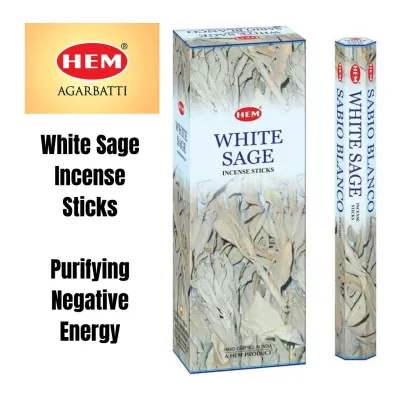
The base material of the incense also plays a critical role in the overall aromatic experience. Most incense sticks are constructed around a core, typically made of bamboo. While bamboo cores are sturdy and easy to handle, the burning wood adds its own distinct smoky, woody scent to the air, which can sometimes compete with or mask the delicate herbal notes of the sage. If you prefer a cleaner, truer representation of sage, look for charcoal-based incense sticks. Charcoal burns almost entirely odorless and smokeless, allowing the pure sage fragrance to emerge without alteration. Alternatively, solid incense sticks—often referred to as dhoop sticks or pure powder blends—do not use a central wood core at all. These are made entirely of compressed incense powder and binders, offering a highly concentrated and unadulterated scent profile.
Products mentioned in this guide

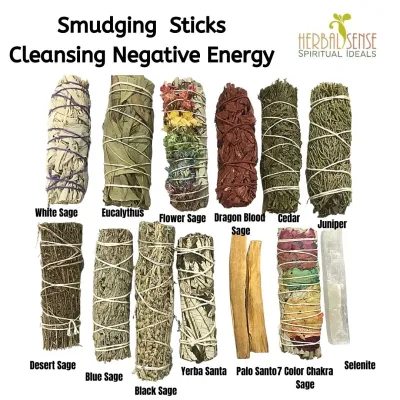

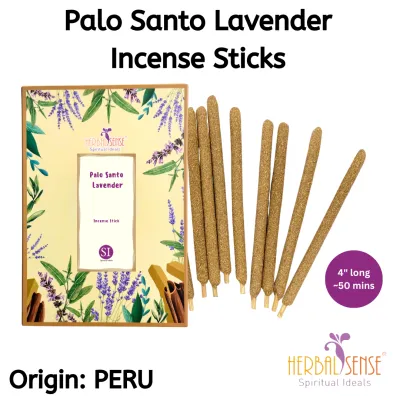
Prices are valid at publication and may change. Please refer to the product page for the latest price.
Scent intensity and smoke volume must also be matched to your living environment. Sage is naturally a robust, savory, and slightly camphoraceous herb, meaning its smoke can quickly become dense and heavy. If you live in a compact apartment, a high-smoke traditional stick might overwhelm the space within minutes. For smaller rooms, look for “low-smoke” formulations, which are specifically designed to release fragrance with minimal visible smoke. If you have a larger, open-concept living area, a standard stick or cone will distribute the scent more effectively across the entire zone. Paying attention to these subtle material differences ensures that your incense enhances your home rather than overpowering it.
Choosing the Right Format: Sticks, Cones, or Bundles
Sage incense is available in several distinct physical formats, each offering a different burning experience, duration, and ritualistic feel. Understanding these formats allows you to choose the one that best fits your daily routine and the equipment you already own.

Incense sticks are the most popular and user-friendly option for daily home fragrancing. They offer a highly predictable and consistent burn time, typically lasting anywhere from 30 to 50 minutes depending on their thickness and length. Because they burn slowly from one end to the other, they release a steady, moderate stream of fragrance. The main practical consideration with sticks is managing the falling ash. You will need a dedicated incense holder—often called a “coffin burner,” a “boat,” or a “tray”—that is long enough to catch the ash as it drifts down, keeping your tabletops clean.
Incense cones offer a very different aromatic profile. Cones burn from the narrow tip down to the wider base, meaning the volume of burning material increases as time goes on. This results in a rapid, highly concentrated release of both scent and smoke, making cones ideal for quickly scenting a room or conducting a brief aromatic ritual. A typical cone burns for 15 to 25 minutes, but the scent often lingers in the air long after the flame is out. Because cones generate intense heat at their base, they must be burned on heat-resistant surfaces, such as small ceramic dishes, brass bowls, or stone holders specifically designed for cones.
For those interested in traditional methods, loose sage powder and resins offer a highly customizable experience. Burning loose materials requires a specialized setup, including a heat-proof burner (often made of brass or cast iron) and self-lighting charcoal discs. You light the charcoal disc, place it in the burner, and sprinkle small amounts of sage powder or resin directly onto the hot ember. This method produces a very rich, authentic, and heavy smoke. While it allows you to control the exact amount of incense burned, it requires active supervision and generates significant heat, making it less practical for quick, casual use.
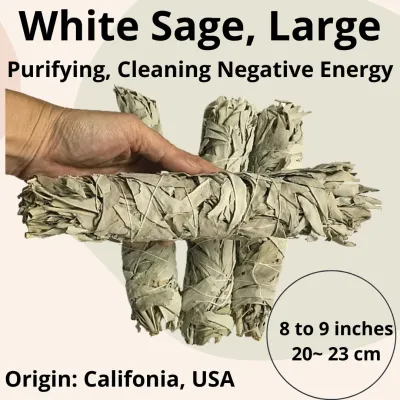
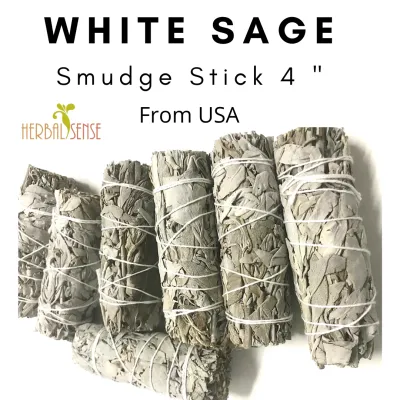
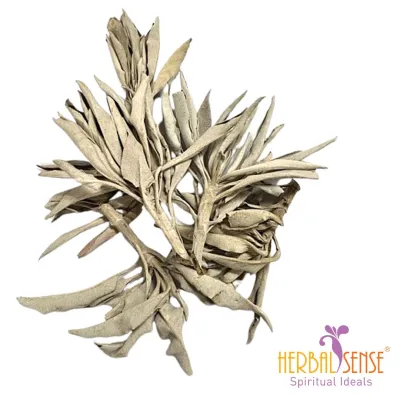
Finally, traditional white sage bundles—often referred to as “smudge sticks”—consist of whole, dried sage leaves bound tightly together with string. Unlike manufactured sticks or cones, bundles contain no added binders, charcoal, or wood cores. Burning a bundle involves lighting the leafy end, letting it flame briefly, and then gently blowing it out so that the leaves smolder. Bundles produce a thick, intensely herbal smoke that is traditionally moved around a space for clearing rituals rather than left to burn continuously in one spot. Because they do not burn down on their own, you must manually extinguish them by pressing the smoldering tip into a heat-safe bowl or sand.
Where to Shop for Authentic Sage Incense in Singapore
Finding authentic sage incense in Singapore requires knowing where to look and how to verify the quality of the products on offer. Because incense quality directly impacts indoor air quality, sourcing your products from reputable sellers is essential.
Specialty aromatherapy shops, wellness boutiques, and independent lifestyle stores located in Singapore’s central shopping districts or cultural enclaves are excellent places to start. Visiting a physical store allows you to experience the fragrance before making a purchase. Since sage can have various scent profiles—ranging from sweet and mellow to sharp, medicinal, and highly camphoraceous—smelling the unlit incense in person helps you avoid buying a scent that might be too strong for your household. Additionally, knowledgeable store staff can often provide detailed information about the sourcing of the sage, the manufacturing process, and the ingredients used.
When shopping for established international or local incense brands, look for official brand stores or authorized distributors. Purchasing from these channels guarantees that you are getting genuine products rather than cheap counterfeits that may use low-grade synthetic oils and chemical binders. Authentic packaging should feature clear labeling, including the manufacturer’s details, ingredient lists, and safety warnings. Some premium brands also include local safety compliance labels or certifications indicating that the product has been tested for harmful emissions, giving you peace of mind when burning them indoors.
If you prefer the convenience of online shopping, local e-commerce platforms and online marketplaces offer a wide selection of sage incense from around the world. However, shopping online requires extra diligence. Always check the seller’s ratings and read through verified customer reviews, paying close attention to comments regarding the authenticity of the scent and the condition of the product upon arrival. Because incense sticks and cones are inherently fragile, they can easily crumble or break during transit. Look for listings where customers praise the seller’s packaging methods, such as using sturdy cardboard boxes and bubble wrap rather than simple plastic mailers.
Setting Up Your Space: Burners, Safety, and Ventilation
Integrating sage incense into your home routine requires a proper setup to ensure that the experience is both safe and pleasant. Because burning incense involves open embers and smoke, taking basic precautions is vital for protecting your living space and maintaining good indoor air quality.
Choosing the right burner is your first line of defense against fire hazards and messy cleanup. For incense sticks, ensure your holder is long enough and wide enough to catch all falling ash. Wind drafts can blow ash off narrow holders, potentially scorching wooden furniture or leaving dusty residues on your floors. For cones, loose powder, or charcoal discs, always use a burner made of heat-resistant materials like thick ceramic, stone, brass, or iron. These burners should be placed on a heat-resistant coaster or trivet, as the intense heat from a burning cone can easily transfer downward and damage delicate wood veneers or varnished surfaces.
Proper ventilation is particularly important in Singapore, where residential spaces like HDB flats and condominiums are often compact and designed to be sealed for air conditioning. Burning incense in a completely closed, unventilated room can quickly lead to an uncomfortable buildup of smoke, which can irritate your eyes, nose, and throat. To prevent this, always ensure there is active airflow in the room. Open a window slightly to allow fresh air to circulate and carry excess smoke outside. If you are using air conditioning, consider turning it off and opening the windows while burning incense, or ensure that your space has a mechanical ventilation fan running to keep the air moving.
Safety boundaries must be strictly maintained whenever incense is lit. Never leave a burning stick, cone, or bundle unattended, even for a few minutes. Keep all burners on stable, level surfaces away from high-traffic areas where they could be easily knocked over by children or pets. Ensure that the burner is placed far away from flammable materials such as curtains, bedding, books, and paper. Finally, be mindful of the other occupants of your home. If anyone in your household suffers from asthma, chronic respiratory conditions, or severe allergies, burning incense may not be suitable, and you should explore flame-free alternatives like essential oil diffusers or wax melts.
Frequently Asked Questions (FAQ)
Can I burn sage incense every day?
While it is safe to burn sage incense regularly, burning it every single day in a closed indoor environment is generally not recommended. To maintain optimal indoor air quality, it is best to practice moderation. Observe how your body responds to the smoke; if you begin to experience mild throat irritation, coughing, or headaches, reduce the frequency of your incense sessions. Always adjust your usage based on the size of your room and how quickly the air circulates, opting for shorter burn times or low-smoke varieties if you enjoy daily rituals.
How do I clean ash and residue from my incense burner?
Always allow your burner to cool down completely before attempting to clean it. For simple ash buildup, gently tip the dry ash into a waste bin and wipe the holder with a soft, dry microfiber cloth. Over time, burning incense—especially cones and natural resins—can leave behind a sticky, oily residue caused by the release of essential oils. To clean this, wipe the burner gently with a damp cloth and a small drop of mild dish soap, then dry it thoroughly. Avoid using harsh chemical cleaners or soaking porous materials like unglazed ceramic, terracotta, or natural wood, as these materials can absorb water and chemicals, which may ruin their finish or alter the scent of your incense in future uses.
Is sage incense safe for pets and pregnant women?
If you have pets or if someone in your household is pregnant, it is highly recommended to consult a veterinarian or healthcare provider before burning sage incense. Animals, particularly cats and dogs, have incredibly sensitive respiratory systems and can easily become distressed or irritated by smoke and certain concentrated essential oils. If you do choose to burn incense, always ensure strong cross-ventilation, keep the burning incense in a well-ventilated room away from where your pets sleep or eat, and immediately extinguish the incense if you observe any signs of coughing, sneezing, or watery eyes in your pets or family members.

Community discussion
Share your experience or ask a question. Comments are reviewed before publication.