
Choosing the perfect square pillow cover in Singapore involves balancing material durability, construction quality, and style variety. Whether you are looking to refresh a living room sofa, add comfort to a bedroom, or introduce a seasonal accent, a high-quality cushion cover is one of the most versatile tools in home styling. However, with Singapore’s unique tropical climate and diverse retail landscape, selecting the right brand requires a clear understanding of fabric performance, construction standards, and styling principles. By focusing on the structural details and material compositions that withstand daily wear and frequent washing, you can elevate your home decor while ensuring your investments last for years to come.
How to Evaluate the Quality of a Square Pillow Cover
Evaluating the quality of a square pillow cover before making a purchase prevents premature wear, fading, and structural failure. High-quality covers are defined by their textile integrity, precise stitching, and robust closure mechanisms.
Fabric Choices and Performance The choice of fabric dictates both the tactile experience and the longevity of your cushion cover. Natural fibers, such as cotton and linen, are highly favored for their breathability, organic textures, and classic appeal. Long-staple cotton offers a smooth, soft hand-feel and excellent durability, while linen provides a distinctive slub texture that softens with every wash. However, natural fibers are more susceptible to wrinkling and can shrink if not laundered correctly. Synthetic options, particularly high-grade polyester blends, microfiber, and acrylics, offer exceptional resistance to wrinkles, staining, and tearing. They also retain dye exceptionally well, ensuring that vibrant colors do not fade quickly. For everyday use in active households, a cotton-polyester blend often strikes the ideal balance between natural comfort and synthetic resilience.
Products mentioned in this guide
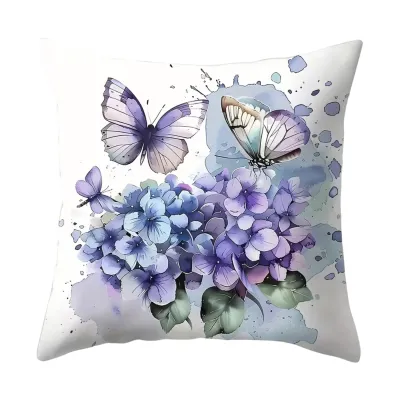
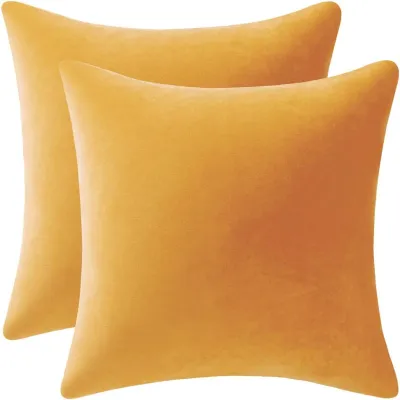
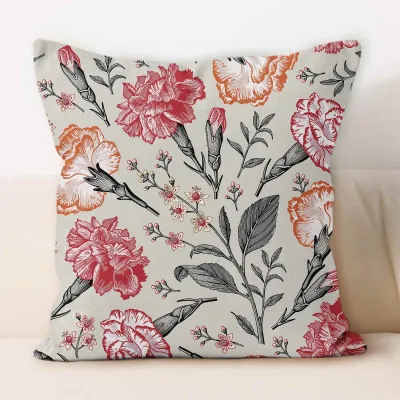
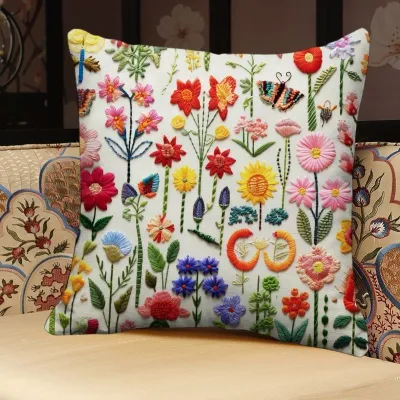
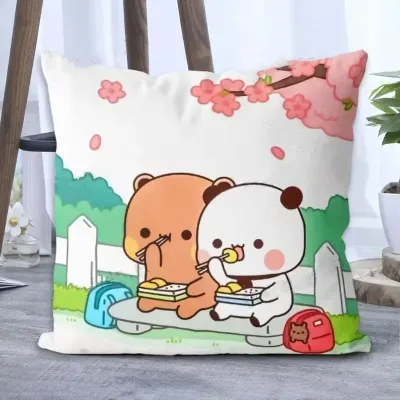
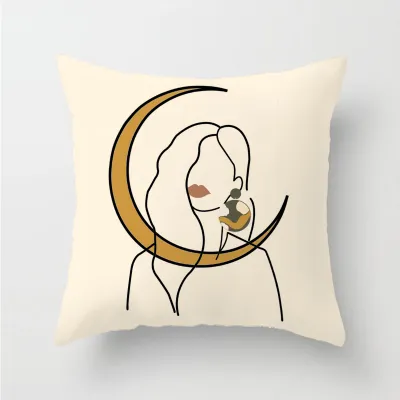
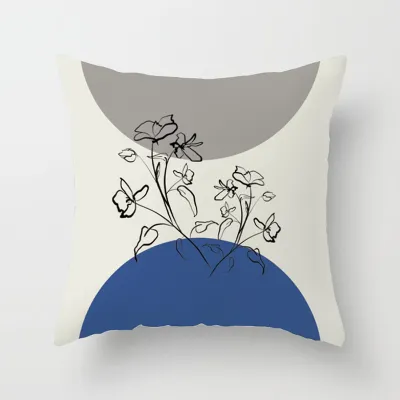
Prices are valid at publication and may change. Please refer to the product page for the latest price.
Construction Details and Closures The structural integrity of a cushion cover is revealed by its internal construction. High-quality covers feature reinforced seams, such as overlocked or double-stitched edges, which prevent the fabric from fraying along the raw borders during washing. Examine the closure style closely. Hidden zippers are the industry standard for a clean, seamless look; they should be stitched flat beneath a fabric flap to prevent the zipper teeth from snagging your sofa fabric or scratching wooden furniture. Ensure the zipper pull is sturdy and glides smoothly without catching. Alternatively, envelope closures offer a hardware-free design that relies on a deep fabric overlap at the back. When choosing an envelope style, verify that the flap overlap is generous—at least one-third of the pillow’s width—to prevent the insert from spilling out or gaping when compressed.
Print, Dye, and Pattern Alignment When selecting patterned or heavily dyed covers, print clarity and colorfastness are critical indicators of quality. High-quality prints exhibit sharp, defined lines without any ink bleeding or blurred edges. For woven patterns, such as jacquards or brocades, check that the threads are tightly bound and free of loose snags. A major hallmark of premium craftsmanship is pattern alignment at the seams. On high-end covers, the pattern matches seamlessly across the front and back panels or along the side seams, maintaining visual continuity. Cheaper mass-produced covers often ignore pattern matching to minimize fabric waste, resulting in jarring, misaligned motifs that disrupt the aesthetic flow of your decor.
Where to Find the Best Cushion Cover Brands in Singapore
Singapore’s home decor market offers an extensive array of shopping avenues, catering to various budgets, design aesthetics, and lifestyle requirements. Finding the right brand depends on identifying which retail segment aligns best with your personal style, maintenance preferences, and budget.

Global Home Furnishing and Lifestyle Brands
International home furnishing and lifestyle brands with established physical showrooms and online stores in Singapore offer unparalleled convenience and consistent manufacturing standards. Retailers such as IKEA, MUJI, Zara Home, and H&M Home provide highly accessible collections that track global interior design trends.
These brands excel at producing coordinated collections, allowing you to easily mix and match square pillow covers with matching throws, rugs, and curtains. Their large-scale operations mean they can offer competitive pricing, clear return policies, and extensive online catalogs. Visiting their physical showrooms in retail hubs across Singapore—such as Orchard Road, Tampines, or Jurong East—allows you to feel the fabric textures and assess color accuracy under realistic lighting.
Because these global brands rotate their inventory seasonally, popular styles can sell out quickly. Before visiting a store, it is highly recommended to check live stock levels on their localized Singapore websites. Always review the online product specifications for exact fiber content and care instructions, as some trend-focused covers may use delicate synthetic blends that require specialized washing despite their casual appearance.
Premium Homeware and Curated Design Labels
For homeowners looking to invest in heirloom-quality pieces, Singapore hosts several premium homeware boutiques, high-end department stores, and curated online design platforms. These brands focus on artisanal craftsmanship, sustainable sourcing, and exclusive designer collaborations.
Premium labels prioritize luxurious, highly tactile textiles such as heavyweight Belgian linen, textured bouclé, organic cotton canvas, and rich silk or velvet blends. These covers often feature intricate embellishments, including hand-guided embroidery, crewelwork, block printing, or hand-painted details. These artisanal touches elevate a simple square pillow cover into a statement piece of art that anchors your entire seating arrangement.
When purchasing from premium design labels, keep in mind that luxury fabrics require meticulous care. Many of these high-end materials are not suited for standard washing machines and must be professionally dry-cleaned or carefully hand-washed in cold water. Always verify the care label requirements before purchasing to ensure you are comfortable with the long-term maintenance commitment required to preserve the fabric’s texture and sheen.
Local Artisans, Markets, and Independent Studios
Supporting local independent designers, craft markets, and regional Southeast Asian artisan studios is an excellent way to source unique, culturally rich cushion covers that stand out from mass-produced items.
Singapore’s independent design scene and seasonal boutique fairs showcase makers who specialize in small-batch production and heritage textiles. Here, you can find stunning square pillow covers crafted from traditional regional fabrics, such as hand-loomed Ikat, hand-drawn Batik, or naturally dyed organic cotton. These textiles carry rich cultural narratives and distinct textures that add warmth, depth, and individuality to modern Singaporean apartments.
When buying directly from local artisans or independent studios, be prepared for slightly different purchasing dynamics. Custom sizing is often available upon request, which is ideal if you have non-standard pillow inserts. However, you should clarify production lead times, which can range from two to six weeks for handmade items. Additionally, verify their return and exchange policies, as small-batch and custom-made items are frequently final sale. Finally, check if they provide or sell matching inserts, as artisanal covers may not always fit standard mass-market inserts perfectly.
How to Match Pillow Cover Styles to Your Home Decor
Successfully styling cushion covers requires a thoughtful combination of color, pattern scale, and texture, tailored to your specific living environment and lifestyle.
Color and Pattern Scaling To create a visually engaging cushion arrangement, employ the principle of pattern scaling. Start with a large-scale pattern—such as a bold geometric, a wide stripe, or a prominent botanical print—on your largest square pillow cover to act as the visual anchor. Next, layer in a medium-scale pattern, such as a subtle lattice or a smaller abstract print, ensuring it shares at least one common color with the anchor piece. Finally, complete the look with solid-colored covers that feature rich, tactile textures like waffle weave, ribbed cotton, or slub linen. This tiered approach prevents different patterns from competing for attention, resulting in a cohesive and professionally styled appearance.
Climate Considerations for Singapore Homes Singapore’s tropical climate, characterized by high temperatures and ambient humidity, plays a significant role in determining which fabrics are practical for daily use. For high-traffic, non-air-conditioned spaces like living room sofas or balcony daybeds, prioritize highly breathable, moisture-wicking, and easily washable fabrics. Pure cotton and linen are exceptional choices; they feel cool against the skin, handle humidity well, and dry quickly after washing.
Conversely, delicate or highly absorbent fabrics like heavy silk, unstructured velvet, or dense wool blends are highly susceptible to moisture retention, which can lead to musty odors or mold growth in humid environments. Reserve these luxurious, delicate materials for low-traffic, consistently air-conditioned spaces, such as a master bedroom or a dedicated study, where temperature and humidity levels are strictly controlled.
Mixing and Matching Sizes and Textures Creating depth on a sofa or bed involves mixing different cover sizes and surface textures. Instead of using identical cushions, layer different square dimensions together. For example, place a larger 50×50 cm cover in a solid, textured fabric at the back of your seating, and nestle a slightly smaller 45×45 cm cover with an eye-catching print directly in front of it. Combining contrasting textures—such as pairing a smooth, crisp linen cover with a highly textured, nubby bouclé or a tufted cotton cover—adds instant visual warmth and sophistication, making your seating area feel curated rather than pre-packaged.
Pre-Purchase Checklist: Sizing, Inserts, and Fabric Care for Your Square Pillow Cover
Before purchasing your new square pillow cover, running through a practical checklist ensures a perfect fit, easy maintenance, and long-term satisfaction.
Sizing Accuracy and Measurement Never guess the size of your cushion inserts based on memory or the size label of an old, stretched cover. Remove the insert from its current cover, lay it completely flat on a hard surface, and use a flexible measuring tape to measure from seam to seam across the center of the cushion. Keep in mind that fabric covers are cut and sewn with minor manufacturing tolerances; a cover labeled 45×45 cm may actually measure slightly smaller to ensure a snug fit.
The “Insert Rule” for a Plump Look To achieve a high-end, luxurious, and plump look, follow the professional stylist’s rule of sizing up your insert. Choose a pillow insert that is exactly 5 cm larger than your square pillow cover. For instance, if you purchase a 45×45 cm cover, pair it with a 50×50 cm insert. This extra volume fills out the corners of the cover completely, preventing floppy, empty fabric ears and giving the cushion a full, inviting loft. However, if your cover is made from an exceptionally stiff, thick, or non-stretch fabric—such as heavy genuine leather, thick canvas, or highly structured outdoor upholstery fabric—stick to a 1:1 ratio (a 45×45 cm insert for a 45×45 cm cover) to avoid placing excessive strain on the seams and zipper.
Care Label Verification and Sun Protection Always review the care label instructions prior to purchase to align with your household’s laundry habits. Natural fibers like linen and cotton can shrink significantly—sometimes up to 5% or 10%—if washed in warm or hot water or dried in a mechanical tumble dryer. If you prefer low-maintenance care, look for pre-shrunk cotton or durable synthetic blends that can be safely machine-washed on a cold, gentle cycle. Additionally, because Singapore experiences intense tropical sunlight, avoid placing brightly dyed or dark natural fiber covers in direct sunlight near windows, as UV rays will rapidly fade the colors. Line-dry your covers inside out in a shaded, well-ventilated area to preserve their vibrant hues.
Frequently Asked Questions (FAQ)
What is the most common size for a square pillow cover?
The most common standard sizes for a square pillow cover in Singapore are 45×45 cm (approximately 18×18 inches) and 50×50 cm (approximately 20×20 inches). These two sizes are widely supported by almost all global and local home decor brands, making it incredibly easy to find a vast variety of replacement covers and matching cushion inserts. For larger sofas or deep daybeds, 55×55 cm or 60×60 cm covers are also popular options for creating a supportive backrest. Always measure your specific insert before purchasing a new cover.
Can I use a rectangular insert in a square cover?
While you can physically fit a rectangular insert into a square cover if the dimensions are small enough, it is not recommended for standard styling. A rectangular insert will fail to fill out the top and bottom corners of a square pillow cover, leaving large pockets of empty, floppy fabric that look untidy and saggy. To achieve a clean, well-proportioned, and structured appearance, you should always match a square cover with a properly sized square insert.
Community discussion
Share your experience or ask a question. Comments are reviewed before publication.