
Finding the best value mahjong table light for your home in Singapore is not about chasing a single, highly advertised brand. Instead, true value lies in how effectively a fixture addresses the unique visual challenges of a four-player game within your specific living space. Whether you set up a temporary table in a cozy HDB living room or have a dedicated automatic mahjong table in a condominium, the right light must deliver uniform brightness across the entire playing surface while preventing harsh glare from reflecting off the glossy tiles.
To secure the best value, you must look past generic marketing labels and evaluate fixtures based on physical design, optical performance, and structural safety. A high-priced premium light might offer features you do not need, while an ultra-cheap option could lead to eye strain, distracting shadows, or safety hazards. By focusing on verifiable specifications such as beam angles, color temperature, and build materials, you can find a reliable lighting solution that enhances your weekly sessions without overstretching your budget.
Key Factors for Evaluating Mahjong Table Lights
When comparing different mahjong table light options, the primary goal is to achieve consistent, shadow-free illumination across all four player walls and the central discard pool. Illumination uniformity is critical because standard overhead room lights often cast shadows from the players’ hands and bodies onto the tiles. To prevent this, look for fixtures that feature a wide-beam angle or integrated diffusers. A diffuser, typically made of frosted acrylic or polycarbonate, scatters the light evenly, softening the edges of shadows and ensuring that every tile is clearly legible from any seat around the table.
Products mentioned in this guide
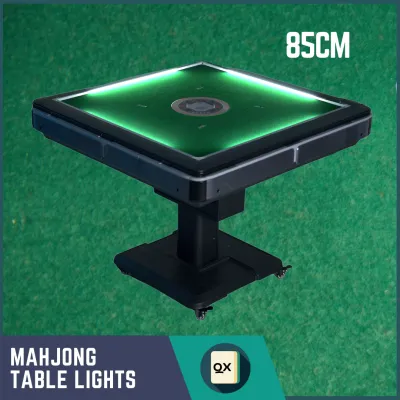
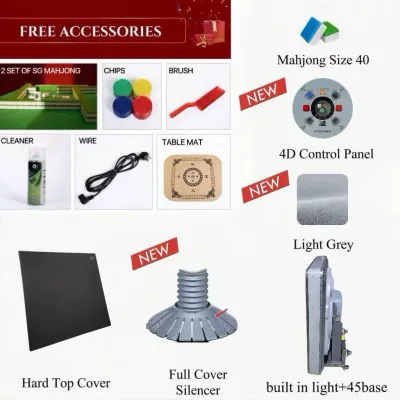
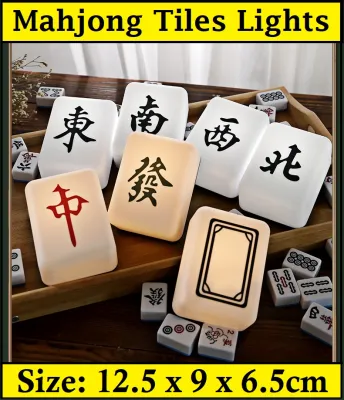
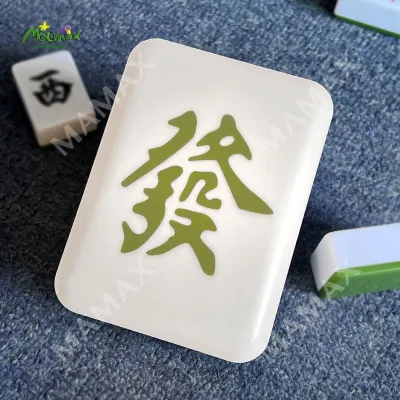

Prices are valid at publication and may change. Please refer to the product page for the latest price.
Color temperature is another vital specification that directly impacts your comfort during long sessions. Light color is measured in Kelvin (K), and product labels generally categorize it into warm white, neutral white, or cool white. For task-oriented activities like mahjong, neutral white (around 4000K) or cool white (around 5000K to 6500K) is highly recommended. These color temperatures mimic natural daylight, which helps maintain alertness and reduces eye fatigue. Warm yellow light (below 3000K), while cozy for general living areas, can make it difficult to quickly distinguish between subtle tile designs, leading to slower gameplay and increased visual strain.
Glare control is perhaps the most overlooked factor when purchasing a mahjong table light. Because mahjong tiles have highly polished, glossy surfaces, direct light sources can create blinding reflections that obscure the tile faces. To combat this, inspect the physical design of the lampshade or light panel. Look for fixtures with recessed light sources, inner baffles, or deep-set housings that shield the bulb from direct line of sight. Frosted panels and anti-glare coatings also help distribute the light more gently, ensuring that the illumination is directed downward onto the table rather than bouncing directly into the players’ eyes.
Comparing Light Types and Form Factors
The physical layout of your home and how often you play will largely dictate the best form factor for your mahjong table light. Pendant lights, which hang directly from the ceiling, are the gold standard for dedicated game rooms or permanent setups. Because they are positioned centrally above the table, they provide the most uniform, top-down illumination with minimal shadow interference. However, installing a pendant light requires careful planning. You must verify that your ceiling has a compatible junction box in the exact spot where you plan to place the table, and you must ensure the ceiling structure can safely support the weight of the fixture. This is particularly important in Singapore homes with concrete ceilings or false ceilings, where proper anchoring hardware is mandatory.

For multi-purpose living rooms where a mahjong table is only set up occasionally, floor lamps and adjustable table lamps offer a highly flexible alternative. A heavy-base floor lamp with an arched or cantilevered arm can be positioned behind or beside the players, extending the light source directly over the center of the table. When evaluating these lamps, pay close attention to the base weight and the maximum reach of the arm. The base must be heavy enough to counterbalance the extended arm to prevent tipping if someone accidentally bumps into it during an exciting game. Additionally, the arm must be long enough to position the light head high enough to clear the players’ heads while still focusing the beam on the playing surface.
If space is extremely limited or you frequently travel to friends’ homes for games, clip-on lights or portable LED panels provide a highly portable solution. These compact fixtures can be clamped directly to the edge of the mahjong table or onto nearby furniture. When choosing a clip-on light, verify the maximum clamp thickness limit to ensure it can securely grip your specific table frame. You should also consider the power source; while battery-operated or USB-rechargeable models offer excellent portability without messy cables, they may have limited runtime or lower brightness levels compared to models that plug directly into a wall outlet.
Assessing Durability and Build Quality
A mahjong table light is a long-term investment, especially for regular players who engage in sessions lasting several hours. Therefore, assessing the build quality and materials of the fixture is essential for both performance and safety. Look for lights constructed with high-quality metals, such as aluminum, which offer superior heat dissipation compared to cheap plastics. LED drivers and chips generate heat during operation, and if this heat is not properly dissipated, it can drastically shorten the lifespan of the light and cause the brightness to degrade prematurely. A well-ventilated metal housing helps draw heat away from the sensitive electronic components, ensuring consistent performance over years of use.
Electrical safety is another critical consideration that should never be compromised. When purchasing a light, especially from online marketplaces, verify that the power cord and plug meet local Singapore safety standards. The cable should be robust, well-insulated, and of sufficient length to reach your nearest wall outlet without being stretched tight. A taut cable creates a tripping hazard and puts unnecessary tension on the electrical connections, which can lead to short circuits or damage to the fixture. If you must use an extension cord, ensure it is rated for the power draw of the light and is positioned safely out of the walking path of the players.
Structural stability is vital for preventing accidents in the middle of a lively game. For pendant lights, inspect the quality of the suspension cables, chains, and mounting brackets to ensure they can withstand accidental bumps or vibrations. For floor lamps, a wide, low-profile base is ideal as it can slide partially under the mahjong table or a nearby chair, keeping it out of the way while providing maximum stability. Avoid fixtures with flimsy, lightweight plastic joints or loose-fitting adjustment screws, as these will quickly wear out and cause the light head to sag over time, disrupting your carefully positioned illumination.
Price Tiers and Value Propositions
Understanding the typical price tiers of mahjong table lights can help you set realistic budget expectations and identify which features are worth paying extra for. Entry-level fixtures generally focus on basic illumination and simple designs. These budget-friendly options often use standard plastic housings and basic LED bulbs without advanced diffusers or glare-reduction technology. While they are highly affordable and suitable for casual, occasional players, they may require you to make compromises regarding shadow control, light uniformity, and overall durability.
The mid-range tier is where most regular home players will find the best overall value. Lights in this category typically feature enhanced diffusers, sturdier metal construction, and adjustable settings such as variable color temperatures or brightness levels. These fixtures are designed specifically to handle the demands of frequent use, offering a great balance of eye comfort, structural reliability, and reasonable pricing. By investing in a mid-range light, you gain access to features that actively reduce eye strain during long games without paying a premium for unnecessary aesthetic extras.
Premium-tier lights are designed for dedicated enthusiasts who want professional-grade performance. These high-end fixtures often incorporate advanced optical lenses, smart home integration, and highly specialized glare-reduction systems that deliver exceptionally uniform light across the entire table. While these features are impressive, you must assess whether the marginal gains in performance justify the significantly higher cost for your specific home setup. For most players, a well-designed mid-range light will provide more than enough performance to ensure a comfortable and enjoyable gaming experience.
To verify the true value of any light before making a purchase, it is highly recommended to cross-reference user reviews on reputable online retailers and local marketplaces. Look for feedback from other mahjong players who can confirm if the light performs well in real-world home environments. Pay close attention to comments regarding the ease of installation, the actual brightness levels, and how well the anti-glare features work in practice. This real-world feedback can help you avoid products that rely on exaggerated marketing claims and guide you toward a fixture that delivers genuine value.
Your Decision Framework: Matching Light to Your Setup
To finalize your choice, you must match the light’s physical and technical specifications to your specific home setup. If you have a dedicated mahjong table that remains set up permanently in a specific spot, a ceiling-mounted pendant light is almost always the best choice. This setup provides the most uniform, top-down illumination, completely eliminating side shadows and keeping the floor space around the table entirely clear of cords and lamp bases. Before purchasing, ensure you have a qualified professional inspect your ceiling structure and electrical wiring to confirm that a pendant light can be safely installed.
If your mahjong sessions take place on a foldable table in a multi-purpose living area, a heavy-base floor lamp is the most practical and flexible solution. This allows you to easily move the light into position when it is time to play and store it away or use it for general room lighting when the game is over. When choosing a floor lamp, measure the height of your table and the seated height of your players to ensure the lamp’s arm can extend high enough to provide overhead light without obstructing anyone’s view or risking accidental head bumps.
In some cases, neither a pendant light nor a floor lamp may be suitable. For example, if your ceiling cannot support the weight of a heavy fixture, or if your living room layout does not allow for a floor lamp base to sit safely near the table, you may need to consider alternative options. In these situations, a high-quality table lamp with an adjustable arm or a set of secure clip-on LED panels can provide targeted illumination without requiring permanent installation or taking up valuable floor space. Always prioritize safety and structural compatibility over aesthetic preferences.
Before completing your purchase, go through a final pre-purchase checklist to ensure complete compatibility. Confirm the fixture’s maximum wattage limits to ensure it matches your home’s electrical capacity, and double-check the physical dimensions of the light to verify it will fit comfortably in your designated space. Finally, check the retailer’s return and warranty policies. A flexible return policy is incredibly valuable, as it allows you to test the light in your actual playing environment and return or exchange it if the illumination quality or glare control does not meet your expectations.
Frequently Asked Questions (FAQ)
Can I use a standard dining room pendant light for mahjong?
While a standard dining room pendant light can provide general illumination, it is often not optimized for the specific demands of a mahjong game. Dining lights are typically designed to create a warm, ambient atmosphere, which means they may lack the wide, highly uniform beam angle needed to illuminate all four sides of a mahjong table evenly. Furthermore, they often do not feature the specialized diffusers or deep-set glare shields required to prevent harsh reflections off the glossy surfaces of the tiles. Before repurposing a dining fixture, carefully inspect its optical design and bulb compatibility to ensure it can deliver the focused, glare-free light necessary for comfortable gameplay.
What is the ideal height to hang a mahjong table pendant light?
The optimal height for hanging a mahjong table pendant light depends on the specific fixture’s beam angle, the dimensions of your table, and the seated eye level of the players. The goal is to position the light high enough to provide wide, uniform coverage across the entire playing surface while keeping the light source itself out of the players’ direct line of sight to prevent glare. As a general starting point, consult the manufacturer’s installation guide for recommended mounting heights and clearances. It is highly recommended to temporarily test the light at different heights before making permanent ceiling modifications, ensuring that all players have a clear, unobstructed view of the table and each other.
Do I need a dimmable mahjong table light?
Dimmability is a highly useful feature if your mahjong table is located in a multi-purpose room, as it allows you to transition the space from a brightly lit game mode to a softer, more relaxed ambient setting. However, implementing a dimmable setup requires compatible components, including dimmable LED bulbs and a compatible dimmer switch installed in your wall. If you only plan to use the light at full brightness during games, a standard non-dimmable fixture may offer better value by eliminating the extra cost of dimming-compatible hardware. Assess your specific usage patterns and verify the electrical compatibility of your home’s wiring before investing in dimmable technology.
Community discussion
Share your experience or ask a question. Comments are reviewed before publication.