
The longevity of an Epitex reed diffuser scent depends primarily on its fragrance profile—specifically the concentration of heavy base notes like wood, musk, amber, and vanilla—rather than a single, universally superior variant. While lighter citrus and floral scents disperse quickly into the air, variants rich in deep, resinous base notes evaporate at a much slower rate. To find the longest-lasting option for your home, you must evaluate the scent notes listed on the packaging and manage the environmental factors in your living space.
Reed diffusers operate through capillary action, drawing liquid up through porous reeds where it evaporates and disperses into the surrounding air. Because this process relies entirely on natural evaporation, the chemical structure of the fragrance oils dictates how long the scent will linger. By understanding how different fragrance families behave and how to optimize your diffuser’s environment, you can significantly extend the lifespan of your home fragrance investment.
Understanding Fragrance Families and Evaporation Rates
Every fragrance is constructed using a blend of top, middle, and base notes, each possessing a distinct molecular weight and evaporation rate. Top notes, such as citrus, light fruits, and fresh herbs, consist of small, highly volatile molecules. These molecules escape into the air rapidly, providing an immediate and vibrant burst of fragrance that fades relatively quickly. If you select an Epitex variant dominated by lemon, bergamot, or green tea, you will experience a highly refreshing initial throw, but the liquid will deplete faster as these light molecules evaporate.
Products mentioned in this guide
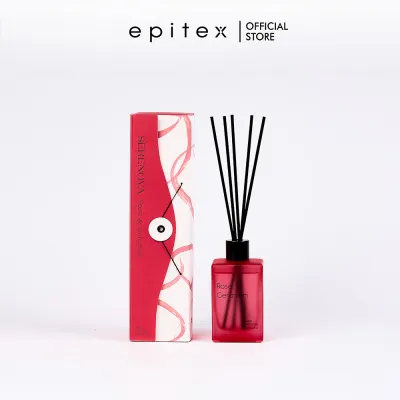
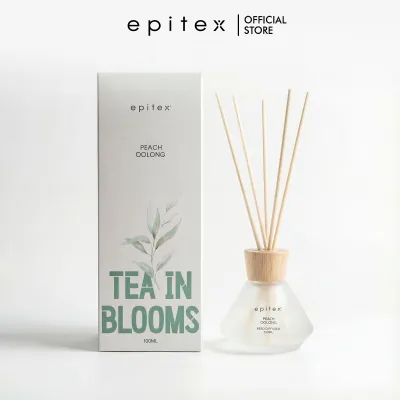
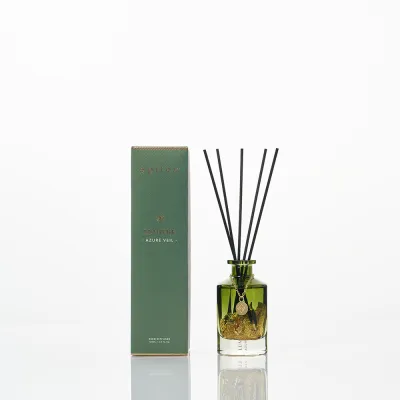
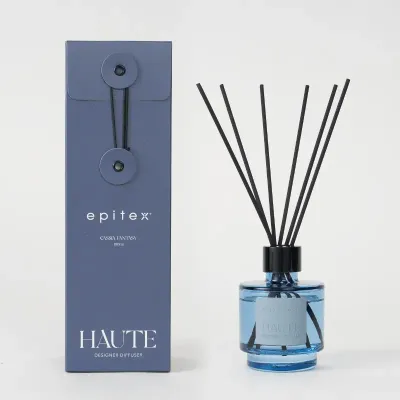
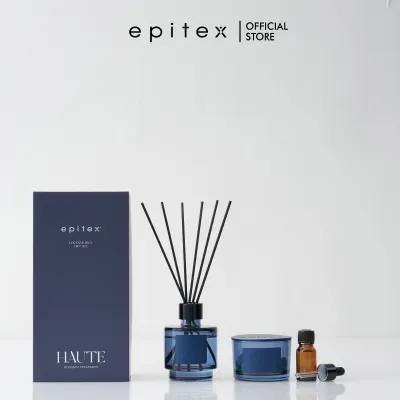
Prices are valid at publication and may change. Please refer to the product page for the latest price.
Middle notes, often referred to as the heart notes, form the core of the fragrance profile. Typically composed of florals like lavender, jasmine, or rose, as well as mild spices, these molecules have a moderate weight. They evaporate at a steadier, more measured pace than top notes, balancing immediate scent delivery with moderate longevity.
Base notes are the heaviest molecules in any fragrance blend. Composed of rich ingredients such as sandalwood, cedarwood, patchouli, amber, musk, and vanilla, these dense compounds evaporate very slowly. They act as fixatives, anchoring the lighter top and middle notes and slowing down the overall evaporation rate of the diffuser liquid. When selecting an Epitex reed diffuser, check the product description or packaging for a scent profile anchored by these heavy base notes. A variant featuring a prominent woody or musky foundation will naturally outlast a purely citrus or fresh-aquatic alternative under identical environmental conditions.
Environmental and Usage Factors That Affect Longevity
While the chemical composition of the fragrance oil sets the baseline for longevity, external environmental factors dictate how quickly the liquid actually disappears from the vessel. In Singapore’s tropical climate, high ambient temperatures and varying humidity levels play a massive role in evaporation rates. Warm air increases the kinetic energy of the liquid molecules, causing them to transition into gas much faster. Consequently, a diffuser placed in a non-air-conditioned room during the hotter months will deplete much quicker than one kept in a cool, temperature-controlled space.

Airflow is another critical variable. Placing your diffuser near open windows, high-traffic hallways, ceiling fans, or directly under air conditioning vents accelerates the rate of evaporation. While this high airflow increases the immediate scent throw across the room, it strips the moisture from the reeds rapidly, drawing more liquid up from the bottle and shortening the overall lifespan of the product. For a longer-lasting experience, position the vessel in a spot with gentle, natural air circulation rather than direct drafts.
Physical setup choices also directly influence consumption. The number of reeds you insert acts as a control valve for the evaporation rate. Each additional reed increases the surface area available for the liquid to evaporate. If you insert all the provided reeds at once, you will achieve a powerful scent throw, but the liquid volume will drop rapidly. Additionally, a wider bottle neck allows more direct surface evaporation of the liquid from the vessel itself, whereas a narrower neck restricts air contact and preserves the oil.
How to Maximize the Lifespan of Your Epitex Diffuser
To get the most value out of your diffuser, implement a mindful maintenance routine. Flipping the reeds is the most common way to refresh the scent, but doing it too frequently is counterproductive to longevity. Every time you flip the reeds, you expose fully saturated wood to the open air, which accelerates the consumption of the oil. Instead of flipping them daily, establish a balanced schedule of once every one to two weeks, or only when you notice the fragrance throw beginning to diminish.
Placement safety and temperature control are equally vital. Keep the glass vessel away from direct sunlight, radiators, and heat-emitting electronic appliances. Direct sunlight not only heats the liquid—causing rapid evaporation—but can also degrade the quality of the fragrance oils, altering the scent profile over time. Ensure the vessel sits on a stable, flat surface away from edge zones to prevent accidental spills, which can damage furniture finishes or electrical outlets.
Over time, the porous channels within the reeds can become clogged with airborne dust, pet dander, and microscopic debris. When this happens, the capillary action slows down, and the reeds become oversaturated with the heavier, sticky base notes while failing to disperse the scent. If you notice that the liquid level in your bottle has stopped dropping but there is no noticeable scent in the room, do not simply flip the reeds. Instead, carefully remove the old reeds, wipe the neck of the bottle, and insert a fresh set of reeds to restore optimal wicking.
Signs It Is Time to Replace or Refill Your Diffuser
Recognizing when your diffuser has reached the end of its lifecycle prevents you from leaving an ineffective vessel on display. Often, users believe their diffuser has run out of scent when, in reality, they are experiencing olfactory fatigue, commonly known as nose blindness. The human brain naturally tunes out consistent, non-threatening background smells over time. To determine if your diffuser is truly depleted or if you have simply grown accustomed to it, step out of your home for a few hours or move the vessel to a completely different room. If you return and still cannot smell the fragrance, the oil or reeds have likely lost their efficacy.
Visual changes in the liquid also signal degradation. As the lighter carrier liquids evaporate, the remaining mixture may become thicker, darker, or cloudy. This discoloration is a natural result of oxidation and exposure to ambient light. If the liquid has turned into a thick, syrupy residue at the bottom of the bottle, it will no longer travel up the reeds effectively and should be replaced.
When the liquid is fully depleted, handle the remaining components responsibly. Do not pour residual concentrated oils down household drains, as they can cling to pipes and impact municipal water systems. Instead, wipe the inside of the glass vessel with a paper towel and dispose of it in your general waste. If you plan to reuse the decorative glass bottle for a new scent, wash it thoroughly with warm, soapy water or isopropyl alcohol to remove all traces of the previous fragrance oil before refilling.
Frequently Asked Questions (FAQ)
Does flipping the reeds more often make the scent last longer?
No, flipping the reeds more frequently actually shortens the overall lifespan of your diffuser. While flipping provides an immediate boost in fragrance intensity by exposing wet oil directly to the air, it accelerates the rate of evaporation. Each flip draws a fresh surge of liquid up through the reeds, depleting the bottle much faster. For a balanced approach that preserves liquid while maintaining a consistent scent throw, limit flipping to once every ten to fourteen days, or only when the fragrance noticeably fades.
Is it cost-effective to buy Epitex diffuser refills instead of new sets?
Yes, purchasing diffuser refills is highly cost-effective and environmentally friendly. Refill bottles typically cost significantly less than buying a brand-new starter set, which includes a new decorative glass vessel. When transitioning to a refill, you can easily reuse your existing glass bottle after a thorough cleaning. However, you must purchase a fresh set of reeds with every refill. Reusing old, dust-clogged reeds with fresh oil will severely limit the scent throw and prevent the new liquid from diffusing properly.

Community discussion
Share your experience or ask a question. Comments are reviewed before publication.