
Finding a home diffuser that maintains a consistent, pleasant scent throw over several months can be a challenge in Singapore’s unique tropical climate. Many homeowners find that a newly purchased reed diffuser smells wonderful for the first week, only to fade into a faint, barely noticeable aroma shortly after. Scent longevity is not merely a matter of brand reputation; it is governed by the chemical composition of the diffuser oil, the physical properties of the reeds, the design of the vessel, and the specific indoor environment of your home.
To secure the longest-lasting fragrance, you must look beyond marketing claims and evaluate the technical specifications of the products available on the market. By understanding how carrier bases, reed materials, and local environmental factors interact, you can select a high-performing home diffuser that delivers value for your investment. This guide provides a comprehensive framework to help you evaluate diffuser brands in Singapore and maintain them for maximum lifespan.
Understanding What Makes a Reed Diffuser Last Longer
The evaporation rate of a reed diffuser is primarily determined by its carrier liquid. Cheap or poorly formulated diffusers often rely on high concentrations of alcohol or water as carriers. Alcohol-based solutions evaporate rapidly, offering an intense initial scent throw that quickly depletes the bottle within a few weeks. In contrast, premium brands utilize slow-evaporating, non-toxic glycol ethers or specialty synthetic esters as carrier bases. These advanced carriers hold the fragrance oils in suspension and release them at a controlled, steady rate, allowing a standard 100ml bottle to last for several months rather than weeks.
Products mentioned in this guide
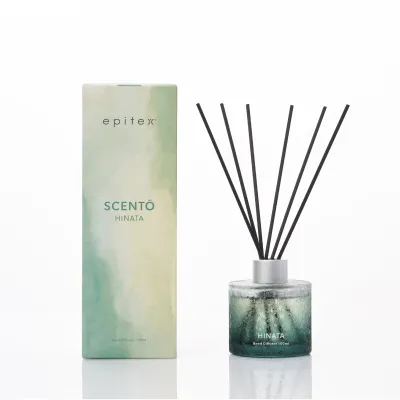
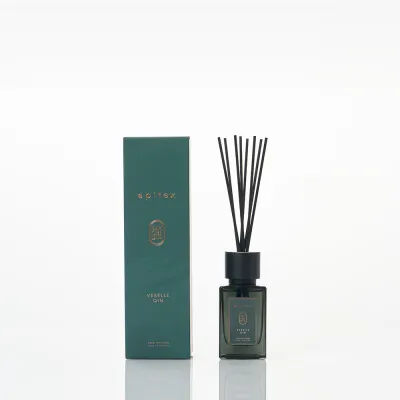
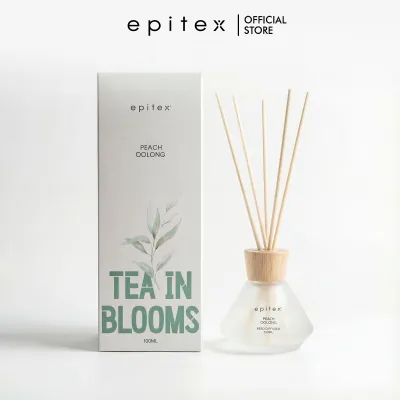
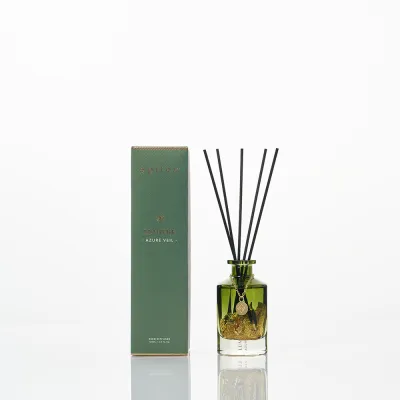
Prices are valid at publication and may change. Please refer to the product page for the latest price.
The material and structure of the reeds play an equally critical role in scent distribution. Traditional natural rattan reeds contain microscopic vascular bundles that act as natural straws, drawing the oil upward. However, natural rattan can be inconsistent in porosity, and the channels can easily become clogged by heavier fragrance molecules or dust. Synthetic fiber reeds are engineered with highly uniform, open-pore structures that absorb and release oil more consistently. While fiber reeds often provide a stronger and more immediate scent throw, they can also deplete the oil faster if the formulation is not carefully balanced.
Bottle design is another physical factor that directly influences how quickly the liquid evaporates. A vessel with a wide opening exposes a larger surface area of the liquid directly to the air, leading to rapid passive evaporation that bypasses the reeds entirely. The most efficient diffusers feature narrow necks or specialized collars that tightly hug the reeds. This design ensures that evaporation occurs almost exclusively through the reeds themselves, preserving the oil and extending the overall lifespan of the product.
Environmental Factors Affecting Scent Longevity in Singapore
Singapore’s indoor environments present distinct challenges for passive scent diffusion. Many households rely heavily on air conditioning, which creates a dry, cool indoor climate. While dry air can technically increase the rate of evaporation, the constant airflow from air conditioning units accelerates the physical movement of air across the reeds. This draft draws the fragrance oil out of the bottle much faster than in a still room. Furthermore, cold air can reduce your olfactory sensitivity, making the scent seem weaker even as the oil depletes rapidly.

Conversely, when air conditioning is turned off, Singapore’s high ambient humidity comes into play. High humidity levels mean the air is already saturated with moisture, which can slow down the evaporation of water-soluble components in some lower-grade diffuser formulations. In naturally ventilated HDB flats or condominiums, open windows create cross-ventilation. While this cross-draft is excellent for cooling the home, it can sweep the diffused fragrance out of the living space before it has a chance to settle, leading to the perception that the diffuser has stopped working.
To counteract these environmental variables, you must adjust how you set up your home diffuser based on the specific room. In a small, humid bathroom, three to four reeds are usually sufficient to provide a subtle, lasting aroma without overwhelming the space or wasting oil. In a large, open-plan living room with high ceilings or active ceiling fans, you may need to use six to eight reeds to achieve a satisfactory scent throw. Keep in mind that increasing the number of reeds increases the surface area for evaporation, which will naturally shorten the lifespan of the oil.
How to Evaluate Brands for Persistent Fragrance
When shopping for a home diffuser in Singapore, you can assess potential longevity by examining the product specifications and packaging. Look for brands that are transparent about their fragrance concentration, often referred to as the fragrance load. Premium diffusers typically feature a fragrance concentration of 15% to 25%, blended with high-quality essential oils or fine synthetic perfumes. If a brand does not disclose its ingredients or refers to its product primarily as a water-based mist or highly diluted spray, the scent is unlikely to persist.
Inspect the physical quality of the reeds included in the diffuser set. High-quality brands generally provide thick, dense fiber reeds or premium-grade, straight-cut rattan reeds that do not warp or splinter. The reeds should fit snugly into the neck of the bottle. If the included reeds appear flimsy, uneven, or extremely thin, it is a strong indicator that the brand has cut corners on the diffusion mechanism, which will ultimately compromise the longevity and consistency of the scent.
Avoid products that contain high percentages of denatured alcohol or volatile organic solvents, which are often used to dilute cheap oils. These ingredients not only evaporate too quickly but can also produce a harsh, chemical undertone that overpowers the actual fragrance notes. Instead, look for formulations that use eco-solvent bases derived from renewable sources, which evaporate cleanly and slowly without leaving a sticky residue at the bottom of the bottle.
Finally, leverage verified customer feedback on local online marketplaces and specialty home decor forums. When reading reviews, look past initial impressions written immediately after unboxing. Search specifically for feedback from users who have monitored the product over four to eight weeks. Comments detailing how much liquid remains after a month, or whether the scent throw is still noticeable in a medium-sized room after several weeks, provide the most reliable indicators of real-world performance.
Practical Maintenance to Maximize Diffuser Lifespan
To get the most out of your home diffuser, establish a simple maintenance routine. Flipping the reeds is the most common method to refresh a fading scent, but doing it too frequently will cause the oil to evaporate much faster. A general guideline is to flip the reeds once every one to two weeks, or only when you notice the fragrance throw has diminished. Always flip the reeds over a sink or a protective cloth to prevent oil droplets from landing on wooden furniture, stone countertops, or delicate plastics, as the concentrated oils can cause permanent staining or damage.
Placement is critical to preserving both the quality and the quantity of the diffuser oil. Keep your vessel away from direct sunlight, such as on windowsills, as ultraviolet light and heat degrade the delicate chemical structures of fragrance oils, altering their scent profile and accelerating evaporation. Avoid placing the diffuser directly next to heat-emitting household appliances, air conditioning vents, or active fans. Instead, position it in a high-traffic area with gentle, natural air movement, such as a hallway console or a side table, where passing footsteps will naturally help circulate the scent.
Over time, you may notice that the liquid level in your bottle stops dropping, yet the scent has completely disappeared. This usually indicates that the reeds have become clogged with airborne dust, pet dander, or aerosol residues from household sprays. When the microscopic pores of the reeds are blocked, capillary action stops, and the oil can no longer travel upward. To resolve this, do not simply add more oil; instead, discard the clogged reeds, wipe the neck of the bottle clean, and insert a fresh set of compatible reeds to restore proper diffusion.
Buying Checklist for Reed Diffusers in Singapore
Before purchasing a new home diffuser, use this checklist to ensure you are buying a safe, high-quality, and long-lasting product:
- Verify Seller Authenticity: Purchase directly from official brand boutiques, authorized department stores, or verified flagship stores on reputable online marketplaces. This minimizes the risk of buying counterfeit products that may use unsafe, industrial-grade solvents.
- Check Packaging and Batch Codes: Look for sealed, undamaged packaging that protects the oil from light exposure. Check for manufacturing dates or batch codes; fragrance oils can oxidize over time if stored incorrectly, so avoid buying clearance stock that has sat on shelves for several years.
- Review Safety Labels and Ingredients: Ensure the product features clear safety warnings, ingredient disclosures, and handling instructions. The label should indicate that the oil is flammable and must be kept away from open flames, electrical outlets, and high-heat sources.
- Assess Child and Pet Safety: Confirm that the diffuser can be placed on a stable, level surface completely out of reach of children and pets. Fragrance oils can be harmful if ingested or if they come into direct contact with skin or fur.
- Confirm Vessel Stability: Choose a bottle with a heavy, low-center-of-gravity base (such as thick glass or ceramic) to prevent accidental tipping, which can cause messy spills that are difficult to clean from carpets or porous grout.
Frequently Asked Questions (FAQ)
Can I mix different reed diffuser oils to create a custom scent?
Mixing different commercial reed diffuser oils is generally not recommended. Different brands use distinct carrier bases, solvent ratios, and fragrance oil concentrations that may not be chemically compatible. Blending them can disrupt the surface tension and viscosity required for proper capillary action, leading to uneven evaporation, clogged reeds, or a separated, cloudy mixture. Additionally, combining complex fragrance profiles without professional perfumery training often results in an unbalanced, unpleasant aroma that does not diffuse effectively.
Why does my reed diffuser stop smelling even when there is still liquid left?
This common issue is usually caused by a combination of olfactory fatigue and physical clogging. Olfactory fatigue, or nose blindness, occurs when your brain acclimates to a constant background scent, making you perceive it as weaker even though the diffuser is still functioning. To test this, step out of your home for a few hours; if the scent is noticeable when you return, your diffuser is working fine. If the scent is truly gone, the reeds are likely clogged with household dust and environmental oils, or the lighter fragrance molecules have evaporated, leaving behind a heavy, non-volatile carrier residue that cannot travel up the reeds.
Are fiber reeds better than natural rattan reeds for long-lasting scent?
Neither material is universally superior; rather, they offer different performance trade-offs depending on your priorities. Synthetic fiber reeds are highly porous and absorb oil quickly, providing a strong, immediate, and highly consistent scent throw. However, because they draw oil so efficiently, they can deplete the diffuser liquid faster. Natural rattan reeds diffuse oil more slowly and moderately due to their natural cellular structure, which can extend the overall lifespan of the liquid, though they are more prone to clogging and may require more frequent flipping to maintain a noticeable aroma.

Community discussion
Share your experience or ask a question. Comments are reviewed before publication.