
Creating a tranquil bedroom sanctuary is essential for transitioning from a busy day to a restful night, especially in Singapore’s fast-paced environment. Aromatherapy room sprays offer a convenient, flame-free way to introduce calming scents into your sleeping space, helping to signal to your mind and body that it is time to wind down. Unlike continuous diffusers, a room spray provides an immediate, controlled burst of fragrance, allowing you to customize the intensity of the scent right before you sleep.
To find the best aromatherapy room spray for your needs, you must look beyond appealing packaging and focus on ingredient quality, delivery design, and how the scent profile interacts with your personal environment. In Singapore’s warm, humid climate, bedrooms are often air-conditioned at night, creating a closed environment where scents can behave differently than they would in open, naturally ventilated spaces. Understanding how to evaluate these products ensures you select a spray that is not only pleasant but also safe and effective for nightly use.
By focusing on authentic botanical ingredients, verifying product safety standards, and matching specific scent families to your personal relaxation preferences, you can establish a soothing evening ritual. This guide will walk you through the essential factors to consider when choosing a room spray, how to identify high-quality formulations, and how to apply them safely to create the ultimate sleep-inducing atmosphere.
Products mentioned in this guide

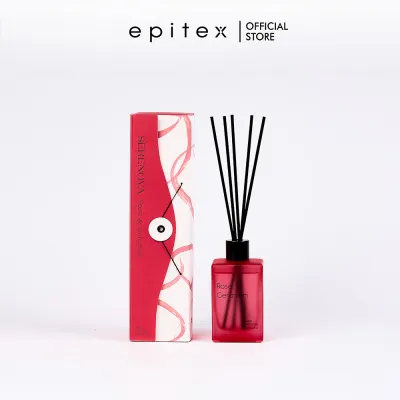
Prices are valid at publication and may change. Please refer to the product page for the latest price.
Understanding Aromatherapy Scents for Sleep and Relaxation
When shopping for aromatherapy room sprays, the first and most critical distinction to make is between true essential oils and synthetic fragrance oils. True essential oils are complex, natural compounds extracted directly from plants through methods like steam distillation or cold pressing. These botanical extracts contain volatile organic compounds that interact with your olfactory system to promote a sense of calm and relaxation. Synthetic fragrance oils, on the other hand, are manufactured chemical compounds designed solely to mimic pleasant smells; while they may smell appealing, they do not offer the same therapeutic aromatherapy benefits and can sometimes cause respiratory irritation in enclosed spaces.
To ensure you are purchasing a genuine aromatherapy product, always examine the ingredient list on the label. High-quality sprays will explicitly list the botanical names of the essential oils used, such as Lavandula angustifolia for lavender or Anthemis nobilis for Roman chamomile. If a label simply lists “fragrance,” “parfum,” or “perfume oil” without specifying the natural sources, the product likely relies on synthetic ingredients. While synthetic sprays can freshen the air, they are generally less suitable for dedicated relaxation and sleep routines.
Several key essential oil notes are traditionally associated with calming the nervous system and preparing the body for rest. Lavender is perhaps the most famous, known for its clean, herbaceous, and slightly floral aroma that helps soothe tension. Chamomile offers a sweeter, apple-like scent that is exceptionally gentle and comforting, making it a popular choice for evening relaxation. Ylang-ylang provides a rich, exotic floral note that can help ease feelings of stress, though it is highly potent and often blended with lighter oils to prevent it from becoming overwhelming.
It is important to remember that scent preference is highly subjective and deeply tied to personal memory and sensitivity. An aroma that one person finds deeply comforting might keep another awake or even trigger mild headaches. For this reason, it is always wise to test a scent in a small quantity or sample size before committing to a full-sized bottle. Pay attention to how your body responds to the fragrance over the course of thirty minutes to ensure it truly supports your relaxation goals.
Key Features to Check Before Buying a Room Spray
Before introducing any room spray into your nightly routine, you should carefully evaluate its formulation and physical design to ensure it is safe for your bedroom environment. Start by checking the base ingredients of the spray. Most room sprays use either an alcohol base or a water base to carry the essential oils. Alcohol-based sprays evaporate very quickly, allowing the scent to disperse rapidly into the air without leaving wet residues, but they can sometimes have a sharp, chemical smell upon initial application. Water-based sprays are gentler and preserve the true scent of the essential oils from the first spray, but they require shaking before each use to ensure the oils and water are properly mixed.

You should also look closely at the ingredient list for potential allergens, synthetic preservatives, or harsh additives. Because room sprays are dispersed into the air you breathe for hours, avoiding phthalates, parabens, and synthetic propellants is highly recommended. If you have sensitive airways, asthma, or allergies, look for minimalist formulations that contain only distilled water, a natural emulsifier, and pure essential oils. Checking for certifications or transparent ingredient sourcing from the manufacturer can give you greater peace of mind regarding the purity of what you are inhaling.
The quality of the spray nozzle is another practical feature that significantly impacts your user experience. A high-quality nozzle should produce an ultra-fine, consistent mist that floats effortlessly in the air. Cheap or poorly designed nozzles often release heavy droplets that fall quickly to the ground, potentially dampening your bedsheets, leaving water spots on delicate fabrics, or creating slippery patches on hard flooring. When testing a spray, observe the mist pattern; it should disperse widely and remain suspended in the air for several seconds.
Finally, always read the manufacturer’s safety instructions regarding use around children, pets, and specific household materials. Many common essential oils can be highly irritating or even toxic to domestic animals, particularly cats and dogs, who have highly sensitive olfactory systems and different metabolic pathways. Additionally, some formulations may contain oils that can stain or degrade certain fabrics, such as silk or polyester blends. Ensuring the product is rated as safe for your specific household setup is a crucial step before making a purchase.
Matching Scent Profiles to Your Relaxation Needs
Rather than focusing on specific brand names, which can frequently change in availability and formulation across local specialty stores and online marketplaces in Singapore, it is more effective to select your room spray based on scent families. Different scent profiles offer distinct mood-setting characteristics, allowing you to tailor your choice to your specific evening needs. Whether you prefer a traditional floral garden, a grounding forest path, or a clean, uplifting breeze, there is a scent family that can complement your personal wind-down routine.
When browsing e-commerce platforms or local boutiques, always verify the ingredient transparency and current stock of the products you are considering. Look for retailers that provide detailed descriptions of their scent notes and sourcing practices. By understanding the characteristics of each major scent family, you can make an informed decision that aligns with your sensory preferences and helps you establish a consistent, calming bedtime ritual.
Floral and Herbal Notes for Deep Sleep
Floral and herbal notes represent the classic foundation of sleep-promoting aromatherapy. Lavender, chamomile, and clary sage are the most prominent members of this family, celebrated for their ability to create a serene, peaceful atmosphere. Clary sage, with its earthy and slightly sweet herbal undertones, is particularly effective at promoting a sense of tranquility when blended with softer floral notes. These scents work harmoniously to signal to your brain that the active portion of your day has ended, helping you transition into a restful state of mind.
If you enjoy these traditional aromas, you might consider using them as a light mist over your pillows or bed linens shortly before retiring for the night. However, this application is strictly subject to your fabric care labels and should always be preceded by a spot test on an inconspicuous area of the fabric to prevent staining. A light touch is key; the goal is to create a subtle, comforting whisper of fragrance rather than a heavy, saturated scent that could disrupt your breathing.
It is also worth noting that strong floral scents can sometimes be polarizing or overly intense for sensitive individuals. If you find pure lavender too sharp or medicinal, look for blends that soften these herbal notes with sweet marjoram, vanilla, or Roman chamomile. These blended formulations often provide a more balanced, gentle aroma that cradles the senses without overwhelming the room, making them much more suitable for long-term nightly use.
Woody and Earthy Notes for Grounding and Calm
For those who find floral scents too sweet or cloying, woody and earthy notes offer an excellent alternative for evening relaxation. Essential oils derived from trees and roots, such as sandalwood, cedarwood, and vetiver, provide a deep, rich, and grounding sensory experience. Sandalwood is prized for its warm, creamy, and woodsy aroma, while cedarwood offers a dry, balsamic scent reminiscent of a quiet forest. Vetiver, distilled from the roots of a unique grass, introduces a highly complex, smoky, and earthy note that is deeply comforting.
These woody notes are characterized by their heavy molecular structure, meaning they act as “base notes” in perfumery. Unlike lighter citrus or herbal notes that evaporate quickly, base notes linger in the air and on surfaces for a significantly longer period. Because of this natural persistence, you should apply woody room sprays with a lighter hand. A single spray in each corner of the bedroom is often more than enough to establish a cozy, protective atmosphere that lasts throughout the night without becoming heavy or suffocating.
To create a more complex and inviting home fragrance, look for sprays that blend these grounding woody bases with subtle top notes. A touch of frankincense, patchouli, or even a hint of spice can add warmth and depth to the woodsy profile. These combinations are particularly effective at creating a sense of security and physical comfort, helping to quiet a racing mind after a demanding day.
Citrus and Fresh Notes for Evening Wind-Down
While citrus scents are often associated with morning energy and alertness, certain varieties are highly effective for evening relaxation when blended correctly. Calming citrus notes, such as bergamot and sweet orange, offer a bright yet soothing quality that can help clear mental clutter. Bergamot is unique among citrus fruits because it contains high levels of linalyl acetate and linalool, compounds also found in lavender, which give it a distinctively relaxing, tea-like aroma. Sweet orange provides a warm, familiar sweetness that can help ease feelings of tension and promote a cheerful, relaxed state of mind.
It is important to distinguish these calming citrus varieties from highly stimulating or sharp citrus scents like lemon, lime, or grapefruit, which are better suited for daytime productivity. A well-formulated evening citrus blend will often pair bergamot or sweet orange with grounding herbal or woody notes to anchor the fragrance. This combination helps to freshen the bedroom air, removing the stale feeling of a room that has been closed up all day, while gently guiding your mind toward a state of rest.
If you choose a dual-purpose spray that can be applied to both the air and the skin, be mindful of photosensitivity warnings associated with cold-pressed citrus oils. While room sprays applied to air and fabrics do not pose this risk, any product containing citrus oils should not be applied directly to skin that will be exposed to sunlight. Always read the product label carefully to understand its intended application methods and safety boundaries.
Safe Usage and Application Tips for Bedroom Sprays
To enjoy the benefits of aromatherapy room sprays without experiencing discomfort, it is essential to follow safe application practices. When dispersing the spray, aim high into the center of the room, allowing the fine mist to drift downward and distribute evenly through the air. Avoid spraying directly onto polished wood furniture, painted surfaces, or delicate plastics, as the essential oils and alcohol carriers can react with finishes, causing cloudiness, peeling, or permanent damage. Similarly, keep the spray nozzle directed away from your face, eyes, and skin to prevent direct contact and potential irritation.
Proper room ventilation is a crucial factor that is often overlooked, particularly in Singapore’s air-conditioned bedrooms. While it is tempting to seal the room completely to trap the fragrance, doing so can lead to scent fatigue, where your nose becomes desensitized to the aroma, or it can cause mild respiratory irritation from concentrated volatile compounds. To prevent this, spray your bedroom approximately 15 to 30 minutes before you plan to sleep. This allows the initial, intense burst of the spray to settle, leaving behind a gentle, ambient fragrance. Ensuring your room receives regular fresh air ventilation during the day also helps maintain a healthy indoor environment.
The most critical safety boundary when using aromatherapy sprays involves household pets. Many essential oils that are perfectly safe for humans are highly toxic to cats and dogs. Animals have a much more acute sense of smell, and their livers lack the specific enzymes required to metabolize many of the compounds found in essential oils. Oils such as tea tree, eucalyptus, peppermint, pine, and even lavender in high concentrations can cause severe adverse reactions if inhaled, ingested, or absorbed through the skin.
If you share your home with pets, always consult a qualified veterinarian before introducing any aromatherapy products into your living space. If you do use a pet-safe spray, ensure the room is well-ventilated, never spray near the animal’s bedding or food bowls, and always leave a door open so your pet can freely leave the room if they find the scent uncomfortable. Keeping all spray bottles securely stored out of reach of both pets and children is an indispensable practice for a safe household.
Frequently Asked Questions (FAQ)
Can I spray aromatherapy room sprays directly on my pillows?
Whether you can spray a room spray directly onto your pillows depends entirely on the product’s specific formulation. Dedicated linen sprays are specifically designed with cosmetic-grade ingredients and low oil concentrations to ensure they do not stain fabrics or irritate sensitive facial skin. General room sprays, however, may contain higher concentrations of essential oils, heavier carrier oils, or different alcohol bases that can leave oily spots, yellow stains, or water rings on delicate materials like silk, satin, or high-thread-count cotton.
Before applying any spray to your bedding, check the manufacturer’s label for explicit fabric-safe instructions. If the product is cleared for fabric use, always perform a spot test on a small, hidden corner of the pillowcase or sheet first. Allow the test area to dry completely to verify that no residue or discoloration remains. When spraying your pillow, hold the bottle at least 30 centimeters away to ensure a light, even mist, and let it dry for several minutes before lying down to avoid direct skin contact with wet oils.
How long does the scent of a room spray typically last?
The longevity of a room spray’s scent depends on several environmental factors and the specific ingredients in the formula. On average, the noticeable aroma of a standard room spray will linger in the air for anywhere from one to several hours. In Singapore, the frequent use of air conditioning can accelerate the drying of the air, which sometimes causes lighter scent molecules to evaporate and disperse more quickly. High airflow from ceiling fans or open windows will also carry the scent out of the room faster, reducing its overall duration.
The chemical makeup of the scent notes themselves plays a major role in longevity. Lighter top notes, such as citrus and fresh herbs, evaporate rapidly and may only be detectable for a short time. Deeper base notes, such as sandalwood, cedarwood, and patchouli, have larger molecules that cling to surfaces and can linger for much longer. To extend the calming atmosphere throughout the night, you can lightly mist fabric surfaces like curtains, rugs, or fabric headboards—provided they are safe for spray application—as fibers hold onto essential oil molecules much more effectively than open air.

Community discussion
Share your experience or ask a question. Comments are reviewed before publication.