
Integrating the sparkling elegance of crystal lighting into a Japandi-style home presents a fascinating design challenge. Japandi design—the harmonious fusion of Japanese minimalism and Scandinavian functionality—typically favors organic textures, clean lines, and a restrained color palette. Traditional crystal fixtures, on the other hand, are often associated with grand, ornate European aesthetics that can easily overwhelm a minimalist space. However, by selecting fixtures that emphasize geometric simplicity, subtle light refraction, and natural material pairings, you can introduce the sophisticated warmth of crystal without disrupting the serene, uncluttered atmosphere of your home. This guide provides a practical selection framework to help you identify crystal ceiling lights that balance understated elegance with clean aesthetics, while ensuring electrical safety and spatial harmony in Singaporean living spaces.
Defining Japandi Aesthetics for Crystal Lighting
To successfully incorporate crystal lighting into a Japandi interior, it is essential to understand how the core philosophies of this design movement translate to light fixtures. Traditional crystal chandeliers rely on complex, multi-tiered structures, heavy ornamentation, and highly polished metal frames designed to maximize sparkle and project an image of opulence. In contrast, Japandi design embraces the Japanese concept of wabi-sabi—finding beauty in simplicity and natural imperfection—alongside the Scandinavian principle of hygge, which prioritizes warmth, comfort, and functional clarity.
In a Japandi home, lighting is not meant to dominate a room or serve as a loud statement of luxury. Instead, a well-chosen crystal fixture acts as a subtle focal point, drawing the eye with its quiet texture and the soft, diffused quality of its light. The goal is to select a fixture where the crystal elements serve a functional purpose, such as softening the glare of raw bulbs, rather than acting purely as decorative excess.
Products mentioned in this guide
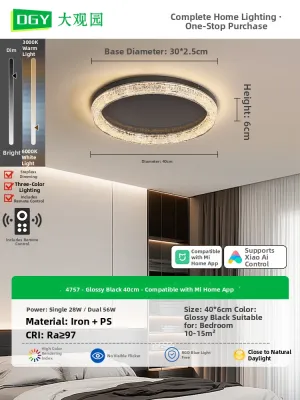
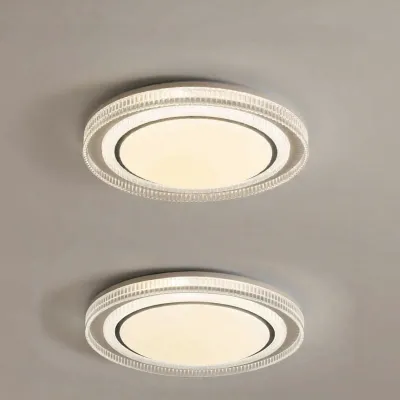
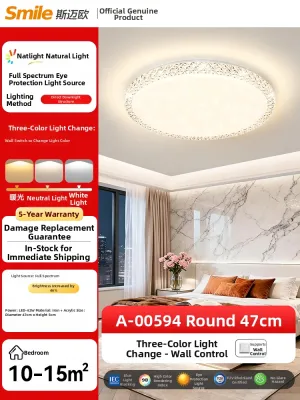
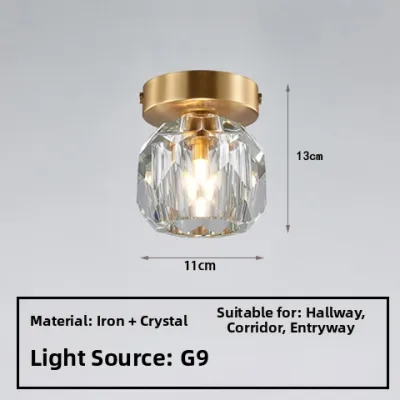
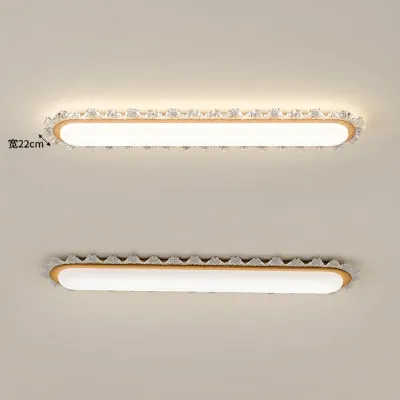
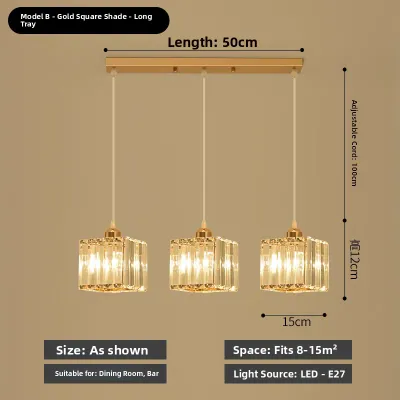
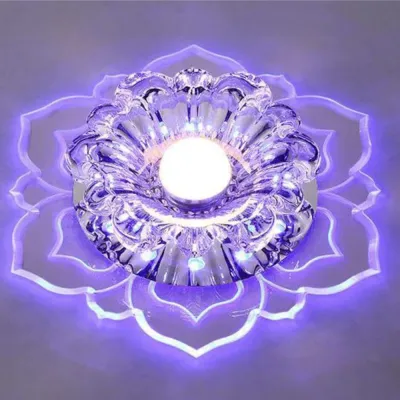
Prices are valid at publication and may change. Please refer to the product page for the latest price.
Achieving this balance often relies on material contrast. Pairing the delicate, light-refracting qualities of crystal with grounded, natural textures creates a compelling visual dialogue. For instance, a crystal pendant suspended from a matte wooden canopy or framed by a simple bamboo or matte metal structure prevents the light from feeling too cold or formal. This juxtaposition of the ethereal and the earthy is a hallmark of Japandi styling, ensuring that the space remains warm, inviting, and deeply connected to natural elements.
Essential Design Features to Look For
When shopping for a crystal ceiling light that aligns with Japandi principles, you must look past traditional designs and focus on specific visual, structural, and material elements. The key is to seek out fixtures that prioritize restraint, clean geometry, and organic forms.

First, consider the frame finishes. Highly polished chrome, bright gold, and shiny brass can look overly formal and clash with the matte, earthy tones of a Japandi color scheme. Instead, prioritize matte black, brushed brass, antique bronze, or wood-accented canopies. These finishes absorb light rather than reflecting it aggressively, allowing the metalwork to recede into the background and letting the crystal elements provide a soft, controlled glow.
Second, pay close attention to crystal cuts and tints. Traditional crystal fixtures feature intricate, multi-faceted cuts designed to split light into a rainbow of colors. For a Japandi aesthetic, look for smoked, amber, or clear crystal with geometric, ribbed, or organic teardrop shapes. Ribbed or frosted crystal, in particular, diffuses light beautifully, creating a soft, linear pattern that complements the clean lines of wooden slats often found in Japandi interiors. Tinted crystals, such as warm amber or subtle smoky grey, also help to soften the overall illumination, aligning perfectly with the cozy, muted tones of the style.
Third, evaluate the form and silhouette of the fixture. Avoid complex, cascading designs with multiple tiers of hanging droplets. Instead, favor linear suspensions, single minimalist pendants, or low-profile flush mounts with clean, uncomplicated lines. A single, well-proportioned crystal globe or a linear bar with simple crystal cylinders can provide all the elegance of crystal while maintaining a strict minimalist silhouette.
To assist in your decision-making process, the table below maps traditional crystal features to their Japandi-friendly alternatives:
| Design Element | Traditional Crystal Light | Japandi-Friendly Crystal Light |
|---|---|---|
| Frame Finish | Polished chrome, shiny gold, ornate brass | Matte black, brushed brass, natural wood accents |
| Crystal Cut | Intricate diamond facets, heavy drop prisms | Ribbed, frosted, smooth geometric, or organic shapes |
| Crystal Color | Ultra-clear, high-dispersion rainbow refraction | Soft clear, warm amber, or smoky grey tints |
| Fixture Silhouette | Multi-tiered, cascading, ornate scrollwork | Linear bars, single globes, low-profile flush mounts |
| Visual Weight | Heavy, dominant, highly reflective | Light, integrated, softly diffusing |
Technical Specifications and Room Compatibility
Selecting the right crystal ceiling light involves more than just aesthetic alignment; the fixture must also be technically compatible with your specific living space. In Singapore, where housing types range from standard Housing & Development Board (HDB) flats to private condominiums and landed properties, ceiling heights and structural considerations play a major role in your choice.
Clearance and mounting are critical factors, particularly for standard HDB flats, which typically feature ceiling heights of approximately 2.6 meters. In these spaces, long, dangling pendants can disrupt the flow of the room and create safety hazards. For rooms with lower ceilings, flush-mount or semi-flush crystal designs are highly recommended. These fixtures sit close to the ceiling, providing the desired texture of crystal without encroaching on vertical walking space. If you are lighting a dining area or a kitchen island where walking clearance is less of an issue, a minimalist linear crystal pendant can be safely suspended lower, provided it hangs at least 75 to 90 centimeters above the tabletop.
Illumination needs must also be calculated carefully. Japandi interiors rely heavily on layered lighting to create a warm, inviting atmosphere. Relying on a single, high-wattage central crystal fixture can lead to harsh shadows and glare, which detracts from the serene ambiance. Instead, choose a crystal fixture with a moderate lumen output to serve as the ambient centerpiece, and supplement it with recessed downlights, track lights, or floor lamps. When calculating lumens, aim for a softer overall level of light in living areas and bedrooms, reserving brighter, focused task lighting for work surfaces.
Color temperature is another vital consideration. To enhance the warm wood tones and neutral fabrics characteristic of Japandi design, select light sources in the warm white range, typically between 2700K and 3000K. Cool white or daylight bulbs (4000K to 6500K) can make crystal elements look clinical and cold, stripping the space of its cozy, natural feel. If possible, opt for dimmable fixtures or smart bulbs, allowing you to adjust the light intensity to match different times of day and moods.
Finally, electrical safety must be prioritized. When purchasing lighting fixtures in Singapore, always verify that the products are compatible with the local voltage of 230V at 50Hz. Look for fixtures that carry recognized safety certifications, such as the Enterprise Singapore Safety Mark for controlled goods like LED drivers and ballasts. Ensuring that the electrical components meet local safety standards protects your home from electrical faults and ensures the long-term reliability of your lighting system.
Sourcing and Evaluating Quality
Finding high-quality crystal ceiling lights requires a systematic approach to evaluating materials and retailers. Because the market offers a wide range of products at various price points, understanding how to verify material authenticity is essential to making an informed investment.
To distinguish genuine crystal from standard glass or cheap acrylic, start by examining the physical properties of the material. Genuine crystal, which typically contains zinc, barium, or lead (though modern fixtures increasingly use high-quality lead-free crystal glass), is significantly heavier than standard glass or acrylic. When held, genuine crystal will feel cool to the touch for longer and will refract light with greater clarity and brilliance. Acrylic alternatives are much lighter, feel warmer to the touch, scratch easily, and tend to attract dust due to static electricity. If you tap a genuine crystal element gently with a fingernail, it will produce a clear, ringing tone, whereas glass or acrylic will produce a dull thud.
When selecting a retailer, it is highly beneficial to visit physical specialty lighting showrooms, such as those located along Balestier Road or in the Jalan Besar district. Seeing the fixtures in person allows you to evaluate the quality of the crystal cuts, the sturdiness of the metal frames, and the actual color temperature of the light. If purchasing from online lighting retailers or ecommerce platforms, carefully review the product specifications, customer reviews, and return policies. Reputable sellers should provide detailed information about the materials used, clear dimensions, and comprehensive installation instructions.
Additionally, always check the manufacturer’s warranty terms before finalizing your purchase. A reliable warranty should cover not only the electrical components, such as LED drivers and wiring, but also protect against premature degradation of the metal finishes or clouding of the crystal elements. A manufacturer that stands behind their product with a multi-year warranty is a strong indicator of durable construction and high-quality materials.
Installation and Long-Term Care
Proper installation and ongoing maintenance are crucial to ensuring your crystal ceiling light remains safe, functional, and visually appealing for years to come. Because crystal fixtures can be heavy and involve complex electrical wiring, taking the correct precautions during setup is essential.
For all fixed wiring installations, especially those involving work at height or concrete ceilings common in Singaporean homes, hiring a licensed electrical worker (LEW) is highly recommended. Heavy crystal pendants and semi-flush mounts require secure anchoring to the ceiling structure to prevent the risk of falling. Before any installation work begins, ensure that the main power supply is isolated at the distribution board. A professional electrician will ensure that the mounting bracket is rated for the weight of the fixture, use the correct rawlplugs for concrete or plasterboard ceilings, and verify that all electrical connections are safely insulated and grounded.
Once installed, routine maintenance is necessary to preserve the clarity and brilliance of the crystal elements. Dust and airborne grease can quickly form a film over the crystals, dulling their refractive properties. To clean your fixture safely, turn off the power and allow the bulbs to cool completely. Use a dry, lint-free microfiber cloth to gently dust the crystals on a regular basis. For a deeper clean, lightly dampen a microfiber cloth with a mixture of warm water and a few drops of mild, pH-neutral dish soap or a specialized crystal cleaning spray. Avoid using harsh household chemicals, ammonia-based glass cleaners, or abrasive materials, as these can strip protective coatings from the metal frame or permanently cloud the crystal surface.
Environmental factors unique to Singapore’s tropical climate must also be taken into account. High humidity levels, combined with the frequent cycling of air conditioning, can lead to condensation forming on the fixture. Over time, this moisture can cause rust or tarnish on low-quality metal frames and leave unsightly water spots on the crystals. To mitigate these effects, ensure your home has adequate ventilation, and wipe down the metal components of your light fixture with a dry cloth during your regular cleaning routine to prevent moisture buildup.
Frequently Asked Questions (FAQ)
Can crystal ceiling lights work in low-ceiling HDB flats?
Yes, crystal ceiling lights can work beautifully in low-ceiling HDB flats, provided you select the correct mounting style. Flush-mount and semi-flush designs are ideal for spaces with standard 2.6-meter ceilings, as they hug the ceiling closely and do not obstruct walking paths. Avoid long, cascading pendants in high-traffic areas, and instead reserve hanging fixtures for dedicated zones where furniture naturally guides traffic, such as directly above a dining table or a kitchen island.
What is the ideal color temperature for Japandi lighting?
The ideal color temperature for a Japandi-style home is warm white, typically ranging between 2700K and 3000K. This temperature range enhances the natural warmth of wooden furniture, clay pots, and linen textiles common in Japandi interiors. Warm light also softens the refraction through crystal elements, creating a cozy, inviting glow rather than a cold, clinical glare. Avoid cool white or daylight bulbs, which can make the minimalist decor feel stark and uninviting.
How do I clean crystal ceiling lights without damaging them?
To clean crystal ceiling lights safely, always turn off the power and let the fixture cool. Dust the elements regularly with a dry, lint-free microfiber cloth or a static duster. For deeper cleaning, wipe the crystals gently with a microfiber cloth slightly dampened with water and a mild, pH-neutral soap. Never spray cleaners directly onto the fixture, and avoid harsh chemicals like ammonia or alcohol, which can tarnish the metal frame or damage the crystal’s protective finish.
Community discussion
Share your experience or ask a question. Comments are reviewed before publication.