
Finding the right cupboard freshener in Singapore requires looking beyond pleasant scents to address the root cause of musty wardrobes: extreme relative humidity. In a tropical climate where indoor humidity frequently exceeds 80%, a simple fragrance sachet will quickly be overwhelmed by dampness. To keep your clothes and storage spaces smelling clean, you need a solution that actively manages moisture while neutralizing odors.
The most effective brands for local homes are those that integrate high-capacity desiccant materials, such as calcium chloride, alongside high-quality scent formulations. Rather than relying on a single universal brand, the ideal choice depends on your specific storage setup, whether you are treating a spacious walk-in wardrobe, a compact shoe cabinet, or a shallow chest of drawers. By evaluating products based on their active ingredients, physical design, and safety features, you can establish a reliable defense against musty smells and mold.
Understanding Musty Odors in High-Humidity Environments
Enclosed storage spaces like wardrobes, kitchen cabinets, and shoe drawers are highly susceptible to trapping stagnant air. When warm, humid air enters these spaces during daily use, it becomes trapped against cool wooden panels and dense fabrics. Without sufficient ventilation, this trapped moisture creates an ideal breeding ground for mold, mildew, and microscopic fungi, which release volatile organic compounds that we perceive as a musty, sour odor.
Products mentioned in this guide
![[DuoDuo] Wardrobe Hanging Freshener 116g Closet Air Freshener Shoe Cabinet Freshener](https://img.lazcdn.com/g/p/8e8503236798144b87e4d59d9b10587d.png_400x400q80.png_.webp)
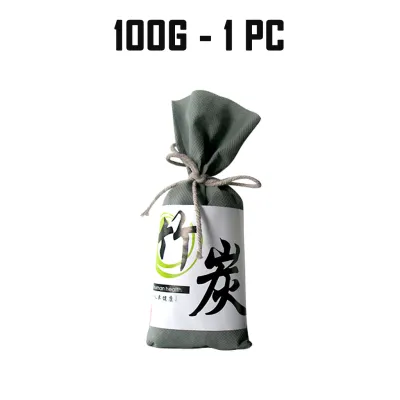
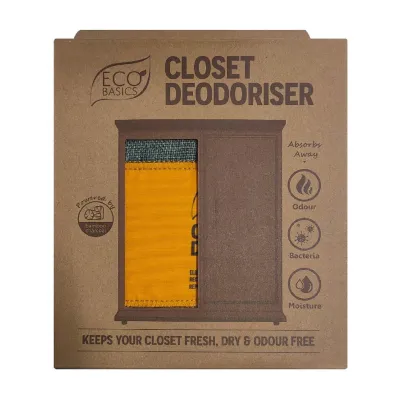
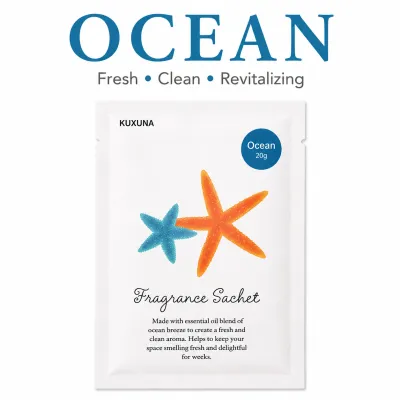
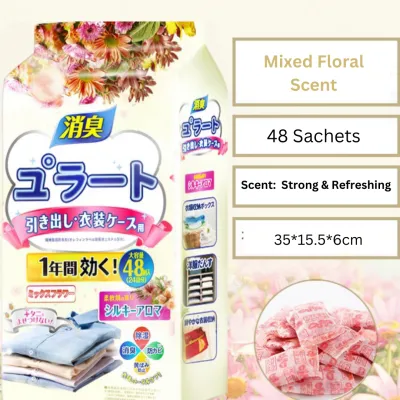
Prices are valid at publication and may change. Please refer to the product page for the latest price.
Simply hanging a highly scented card or spraying a perfume into a damp cupboard only masks the odor temporarily. The fragrance molecules mix with the musty air, often creating an even more unpleasant, heavy scent profile. To truly eliminate the smell, you must address the moisture that allows odor-causing microbes to thrive in the first place.
You can identify when a cupboard requires active moisture control rather than just a simple scent by looking for specific physical warning signs. These include a damp feel on cotton clothing, stiffening of leather goods, visible white or grey spotting on wooden shelves, and a persistent heavy smell that returns within hours of airing out the space. If these signs are present, your freshening strategy must lead with dehumidification.
In Singapore’s residential layouts, such as HDB flats and condominiums, built-in wardrobes are often positioned against external concrete walls. These walls can transfer external heat and moisture directly into the rear panels of your cupboards, creating localized microclimates with even higher humidity levels. This structural factor explains why certain corners of a wardrobe may develop musty smells much faster than others, necessitating targeted placement of moisture-absorbing fresheners.
Furthermore, the materials used in wardrobe construction play a significant role in odor retention. Medium-density fibreboard (MDF) and particleboard, which are common in modern cabinetry, can absorb ambient moisture and release a distinct chemical-musty odor when damp. Understanding these environmental and structural dynamics helps you realize that odor control is not a matter of perfume strength, but of consistent humidity management.
Key Criteria for Evaluating Cupboard Freshener Brands
When browsing local retail shelves or online marketplaces, evaluating the active ingredients listed on the packaging is your first line of defense. Look for brands that explicitly list calcium chloride, activated charcoal, or silica gel. Calcium chloride is highly effective for rapid moisture extraction as it draws water vapor from the air and converts it into a liquid brine, while activated charcoal excels at trapping complex odor molecules without releasing any chemicals.

The physical form factor of the freshener must match the layout of your storage space to prevent accidents and maximize efficiency. Hanging bags with integrated hooks are ideal for clothes rails, but they must be positioned where they cannot be squeezed or punctured by heavy winter coats. For flat shelves and tight drawers, solid gel tubs or slim, spill-proof sachets are much safer options that minimize the risk of accidental liquid contact.
Safety and material compatibility are critical considerations, especially when storing high-value garments or delicate wooden organizers. Calcium chloride brine is highly corrosive and can permanently stain leather, ruin silk, and damage wood finishes if a leak occurs. Prioritize brands that feature reinforced double-layered packaging, tear-resistant outer membranes, and secure collection chambers that prevent the accumulated liquid from escaping even if the unit is accidentally knocked over.
Additionally, consider the scent delivery mechanism of the brand. Some products use synthetic perfumes that can be overpowering in small, enclosed spaces, potentially triggering sensitivities or leaving a chemical residue on fabrics. Brands that utilize natural essential oils or offer fragrance-free options are often preferable for sensitive individuals or for cupboards housing baby clothes and linens.
Finally, check the manufacturer’s instructions regarding temperature limits and disposal. In Singapore’s warm climate, some low-quality gel formulations can liquefy or lose their structural integrity, leading to messy cleanups. Choosing brands that certify their products for tropical use ensures that the active agents remain stable and effective even during the hottest months of the year.
Matching Freshener Types to Your Cupboard Needs
Hanging dehumidifier bags are the standard choice for main wardrobes with ample hanging space. These products feature an upper compartment filled with desiccant crystals and a sealed lower chamber that collects the extracted water. They are highly visual, allowing you to see exactly when the crystals have fully dissolved and the bag needs to be replaced, making them excellent for high-moisture zones.
For smaller, enclosed spaces like shoe cabinets, jewelry boxes, or under-sink drawers, scented sachets and solid gel containers are far more practical. Sachets filled with vermiculite, volcanic rock, or clay infused with essential oils provide a slow, controlled release of fragrance without taking up valuable hanging space. Solid gels gradually shrink as they release active odor neutralizers, providing a clear visual cue for replacement without the risk of liquid spills.
Linen sprays and space deodorizers serve a different purpose entirely, offering rapid, temporary refreshment for guest rooms or seasonal clothing transitions. These water- or alcohol-based formulas are designed to be misted directly onto fabrics or into the air to neutralize surface odors instantly. However, because they do not absorb moisture, they should be used as a supplementary touch-up rather than a standalone solution for long-term wardrobe maintenance.
When dealing with deep walk-in wardrobes, a hybrid approach is often the most effective strategy. You can hang high-capacity moisture absorbers near the corners and external-facing walls while placing delicate lavender or cedar sachets directly among your folded knitwear. This layered method ensures that the overall humidity is kept under control while specific clothing items receive gentle, targeted scenting.
For shoe cabinets, which present a unique challenge due to the combination of sweat-induced moisture and bacteria, specialized deodorizing balls or activated carbon inserts are highly recommended. These compact inserts can be placed directly inside the shoes to absorb moisture at the source, while a larger solid gel freshener sits on the cabinet shelf to manage the ambient air quality.
How to Build a Shortlist of Reliable Brands
To find the most reliable brands available in Singapore, start by filtering products on local ecommerce platforms using specific search terms. Look for verified customer reviews that explicitly mention performance in tropical climates, high-humidity environments, or local apartment layouts. Pay close attention to feedback regarding how quickly the product saturates and whether users have experienced any issues with leaking or premature scent fading.
Give preference to brands that demonstrate transparency by providing complete ingredient lists, clear safety warnings, and explicit instructions on how to dispose of the used product. Reliable manufacturers will clearly state the active weight of the desiccant, the expected lifespan under typical tropical conditions, and the specific materials that should not come into direct contact with the freshener.
When comparing options, calculate the long-term cost-per-use rather than focusing solely on the initial purchase price in S$. A cheap, low-capacity dehumidifier bag that saturates in two weeks may end up costing significantly more over a year than a slightly more expensive, high-capacity alternative that lasts for two months. Look for multi-pack bundles or refillable systems that allow you to reuse the plastic containers while only replacing the active desiccant pouches.
It is also wise to research the brand’s reputation for packaging integrity. A quick scan of online forums and community groups can reveal if a particular brand has a history of leaking brine onto clothing, which can be an expensive disaster. Brands that invest in high-grade, breathable Tyvek membranes for their sachets and heavy-duty plastic molded hooks for their hanging bags are generally worth the slight price premium.
Lastly, consider the availability of refills in the local market. Opting for a brand that is widely stocked by major local supermarkets, home improvement stores, and online marketplaces ensures that you can easily purchase replacements when your current units saturate, preventing any gaps in your cupboard protection cycle.
Best Practices for Maximizing Freshener Effectiveness
Before placing any new freshener or dehumidifier into a cupboard, it is essential to prepare the space properly. Empty the cabinet completely, wipe down all interior surfaces with a mild disinfectant or a diluted vinegar solution to kill any existing mold spores, and allow the wood to dry completely. Placing a freshener into an already damp, mold-infested cupboard will only waste the product’s capacity on pre-existing issues.
When positioning your chosen freshener, ensure there is adequate air circulation around the unit. Avoid packing clothes too tightly against hanging bags, as air must flow freely around the desiccant crystals for them to draw moisture effectively. Keep solid gels and sachets toward the back or corners of shelves, ensuring they do not touch delicate leather bags, metal hardware, or fine fabrics that could react with the ingredients.
Establish a regular schedule to monitor the saturation levels of your cupboard fresheners. In Singapore’s climate, a standard dehumidifier bag can fill surprisingly quickly, especially during the wetter monsoon seasons. Check the collection chambers or feel the sachets every few weeks; once the crystals have completely dissolved into liquid or the scent has faded entirely, replace the unit immediately to maintain continuous protection and prevent mold from re-establishing itself.
To further extend the life of your fresheners, practice mindful wardrobe habits. Avoid hanging clothes back in the cupboard immediately after wearing them, as they carry body heat and sweat that add to the internal humidity. Let your garments air out on an external rack for a few hours first. Additionally, try to limit the amount of time wardrobe doors are left open during humid rainy days, as this allows external moisture to rush in and saturate your fresheners prematurely.
Finally, consider rotating your scents seasonally or choosing neutral, clean fragrances like linen or cotton. Heavy floral or sweet scents can become cloying when confined to a small space for extended periods. A clean, subtle fragrance profile ensures that your clothes smell fresh and natural rather than heavily perfumed when you take them out to wear.
Frequently Asked Questions (FAQ)
Can I use standard room sprays as a long-term cupboard freshener?
Standard room sprays are not suitable as long-term solutions for enclosed cupboards because they only mask odors temporarily and do not address the underlying moisture. Misting a spray inside a closed wardrobe introduces additional liquid droplets into an already humid environment, which can actually worsen dampness over time. For effective, long-term freshness, you must use dedicated products that actively absorb moisture or continuously neutralize odor molecules.
Are natural alternatives like charcoal effective in very humid conditions?
Natural alternatives like activated bamboo charcoal are highly effective at absorbing odors and a small amount of ambient moisture, making them safe, chemical-free options for drawers and shoe cabinets. However, their moisture-absorption capacity is significantly lower than chemical desiccants like calcium chloride when exposed to extreme tropical humidity. To maintain their effectiveness, charcoal pouches must be placed in direct sunlight every few weeks to release the trapped moisture and reactivate the carbon pores.
Community discussion
Share your experience or ask a question. Comments are reviewed before publication.