
Transforming a living space in Singapore often starts with the subtle details that tie a room together. Cushion pillow covers serve as highly versatile decor elements, allowing you to shift the mood of a living room or bedroom without the commitment of major furniture purchases. However, finding the right covers requires navigating a diverse marketplace of local boutiques, international retailers, and specialized craft brands. To make an informed decision, you must look beyond surface-level patterns and evaluate how different materials and construction methods perform in Singapore’s unique tropical environment.
Selecting the ideal cushion cover involves balancing aesthetic preferences with practical considerations like fabric durability, ease of maintenance, and structural integrity. Whether your home leans toward a stripped-back Scandinavian look, a richly textured bohemian vibe, or a polished luxury aesthetic, the market offers distinct brand categories tailored to these styles. By understanding what defines high-quality construction and how different textiles behave under local conditions, you can curate a collection of cushion covers that look refined and withstand daily use.
Evaluating Material Quality and Construction Details
To assess the build quality of a cushion pillow cover, start by examining the fabric weight and weave density. High-quality covers typically utilize medium-to-heavyweight fabrics, such as dense cotton canvas, heavyweight linen, or tightly woven synthetic blends, which retain their shape over time. A simple way to evaluate weave density is the light test: hold the fabric up to a light source to see how much light passes through. Tighter weaves with minimal light penetration generally offer better resistance to stretching, seam slippage, and wear from daily sitting. For fabrics where thread count is specified, look for balanced weaves that prioritize structural stability over sheer softness, as decorative cushions require more tensile strength than bed sheets.
Products mentioned in this guide
![[V.Home] Throw Pillows/Cushion Case/4 sizes available/Indoor Decoration Cushion Pillow](https://img.lazcdn.com/g/p/7b0bca45b51dd8b3fca4a548ca000357.jpg_400x400q80.jpg_.webp)
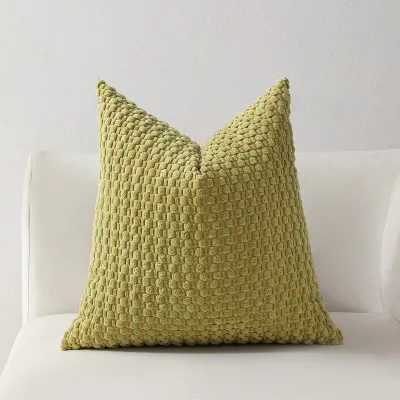
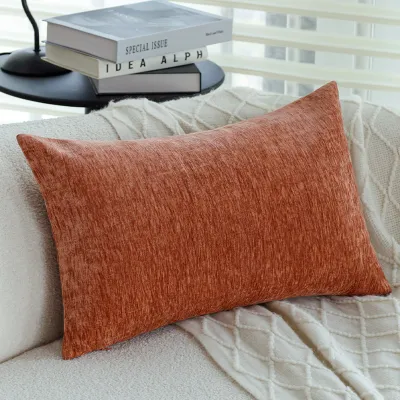
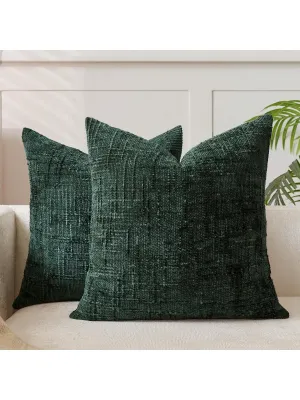
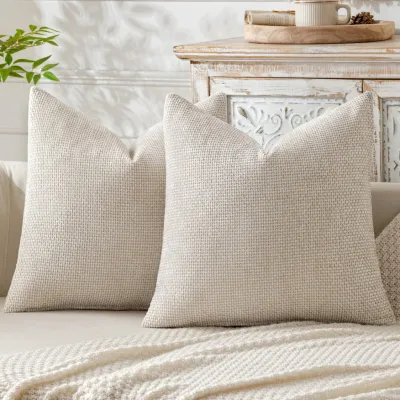
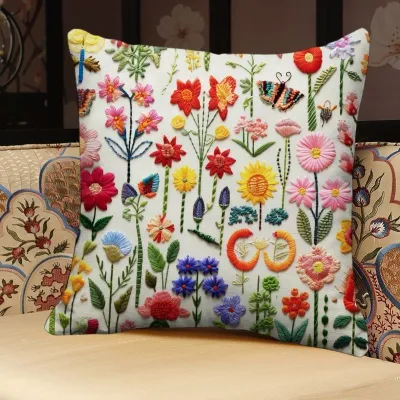
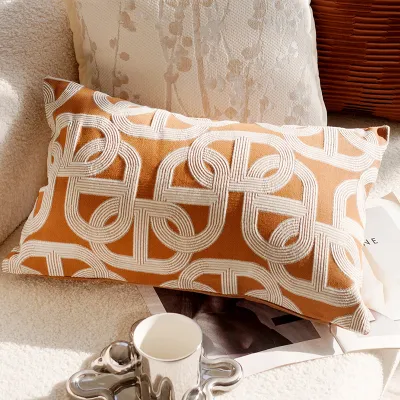
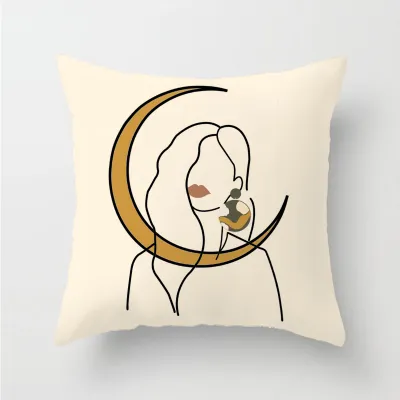
Prices are valid at publication and may change. Please refer to the product page for the latest price.
The closure mechanism is another critical indicator of overall construction quality. Premium cushion covers often feature hidden zippers that are neatly recessed into a seam, preventing the metal or plastic teeth from scratching furniture surfaces or catching on clothing. Inspect the zipper installation to ensure the stitching is straight and the zipper slide moves smoothly without snagging the surrounding fabric. Alternatively, envelope closures should feature a generous overlap—typically at least three inches—to prevent the inner cushion insert from spilling out or creating unsightly gaps when compressed.
Turn the cushion cover inside out to inspect the internal seam finishing, which is often where lower-quality products fail. Well-made covers feature overlocked or French seams to prevent the raw fabric edges from fraying during washing or daily use. Double-stitched stress points, particularly around the zipper ends and corners, provide essential reinforcement against the pressure of inserting and removing plump cushion pads. Finally, always check the manufacturer’s care label for exact material composition; a reliable brand will clearly state the fiber percentages and provide specific washing instructions, helping you avoid unexpected shrinkage or fabric degradation.
Matching Brand Categories to Popular Home Aesthetics
Different home decor brands align their material sourcing and design philosophies with specific interior design movements. Rather than searching aimlessly through general retailers, you can streamline your shopping experience by identifying which brand categories specialize in your preferred aesthetic. This alignment ensures that the textures, colors, and structural designs of the cushion covers harmonize naturally with your existing furniture and decor.

Minimalist and Scandinavian Aesthetics
For homes designed around minimalist or Scandinavian principles, the focus is on simplicity, functional beauty, and natural materials. Brands that cater to this aesthetic typically prioritize organic cotton, washed linen, and hemp fabrics in neutral, earthy, or muted pastel tones. These materials offer a tactile warmth that softens clean-lined spaces without introducing visual clutter.
When evaluating covers for a minimalist space, look for subtle, low-profile textures rather than bold patterns. Slub cotton, waffle weaves, and stonewashed finishes provide depth while maintaining a clean, understated appearance. Hardware should remain entirely hidden, and seams should be crisp and straight to support a structured, geometric look. If you plan to arrange multiple cushions in a uniform, grid-like layout on a sofa, verify the sizing consistency across the brand’s collections; even a slight variation in dimensions can disrupt the clean symmetry essential to minimalist styling.
Bohemian and Textured Aesthetics
Bohemian and eclectic interiors thrive on layers, rich textures, and global design influences. Brands specializing in this aesthetic often feature highly tactile elements such as macrame, intricate embroidery, tufted cotton, tassels, and fringed borders. These covers are designed to be tactile focal points, adding warmth and personality to casual seating areas.
Because bohemian designs rely heavily on embellishments, evaluating the durability of these details is crucial. Inspect the reverse side of tufted or embroidered covers to ensure the decorative threads are securely anchored to a sturdy backing fabric, which prevents them from pulling loose during use. Heavy embellishments add significant weight, so the base fabric must be robust enough to support the decoration without sagging. Additionally, vibrant, multi-colored patterns require careful verification of colorfastness; check product labels or manufacturer guidelines to ensure the dyes are stable and will not bleed onto lighter upholstery when exposed to friction or spot cleaning.
Luxury and Statement Aesthetics
Creating a sophisticated, high-end look requires cushion covers that exude opulence through material choice and refined finishing. Brands in the luxury segment typically utilize premium textiles such as cotton velvet, silk blends, heavy jacquard weaves, and high-density brocades. These fabrics have a distinct weight, luster, and drape that instantly elevate formal living rooms or master bedrooms.
In luxury cushion covers, attention to detail is paramount. Look for design features like contrast piping, oxford borders, or delicate metallic hardware that add a tailored, bespoke feel. The zippers should be high-grade metal or durable nylon, color-matched precisely to the fabric. Because luxury materials like silk and velvet are highly sensitive to pressure and moisture, they often require specialized care, such as dry cleaning, to preserve their pile and sheen. When purchasing these statement pieces, consider the placement carefully; they are best suited for low-traffic areas where they are protected from heavy daily wear and spills.
Navigating Shopping Channels and Verifying Reliability in Singapore
Singapore offers a diverse retail landscape for home textiles, ranging from physical showrooms in design districts to official brand stores on established online marketplaces. Shopping in person at physical showrooms allows you to physically feel the weight of the fabric, assess the true color under natural light, and inspect the stitching quality firsthand. This is particularly beneficial when trying to match a cushion cover to an existing sofa fabric or paint color, as digital screens can often distort subtle undertones.
However, online shopping provides access to a wider variety of international designs and niche artisanal brands. When purchasing online, where you cannot physically inspect the product, verifying the retailer’s reliability becomes essential. Prioritize official brand stores or authorized distributors on reputable e-commerce platforms to avoid counterfeit or low-quality imitations. Carefully review the merchant’s return and exchange policies before finalizing your purchase; a flexible return policy is invaluable if the fabric texture or color does not match your expectations once placed in your home.
Customer reviews offer practical insights into how a cushion cover performs over time. Look for verified reviews that specifically mention fabric performance after washing, such as susceptibility to shrinkage, pilling, or color fading. Pay close attention to comments regarding color accuracy under different lighting conditions; a cover that appears bright white online may look cream or ivory under the warm LED lighting common in Singaporean homes.
Maintenance and Care to Preserve Fabric Quality
Proper maintenance is key to extending the lifespan of your cushion covers and keeping them looking fresh. Always follow the specific care instructions on the label, as different materials require distinct cleaning methods. For instance, natural linen and cotton covers can often be machine-washed on a gentle cycle with mild detergent, whereas delicate velvet, silk, or heavily embroidered covers typically require hand washing or professional dry cleaning to prevent fabric distortion and fiber damage.
Singapore’s bright, tropical climate presents unique challenges for home textiles. High humidity levels can encourage the growth of mold and mildew if cushions become damp, while intense sunlight streaming through windows can rapidly fade dark or vibrant dyes. To protect your covers, ensure your living spaces are well-ventilated, and avoid placing delicate or dark-colored cushions in direct sunlight. If your seating area is positioned near a bright window, consider rotating your cushions regularly to ensure even exposure and prevent localized fading.
Knowing when to seek professional help can save high-value cushion covers from permanent damage. If a cover suffers a stubborn stain, such as oil, red wine, or ink, avoid aggressive home scrubbing, which can wear down the fabric fibers and create a faded spot. Instead, consult a professional dry-cleaning service experienced in handling delicate home textiles. For fixed upholstery or specialized outdoor cushions, professional cleaning treatments can help restore the fabric’s appearance and protective coatings without compromising its structural integrity.
Frequently Asked Questions (FAQ)
Do I need to buy cushion inserts from the same brand as the cover?
No, you do not need to purchase cushion inserts from the same brand as the cover, as standard sizing is widely adopted across the industry. However, to achieve a plump, well-filled appearance, a common industry practice is to select an insert that is slightly larger than the cover. For example, if your cushion cover measures 45cm by 45cm, pairing it with a 50cm by 50cm insert will fill out the corners effectively and prevent a flat, saggy look. Ensure the insert material—whether feather, down alternative, or polyester fiberfill—is compatible with the cover’s fabric weight; heavy covers require firm inserts to maintain their shape, while lightweight covers pair well with softer, more malleable fills.
How can I prevent dark-colored cushion covers from fading near windows?
To protect dark-colored cushion covers from UV-induced fading near windows, consider installing UV-blocking window films, which can filter out a significant portion of harmful ultraviolet rays without reducing natural light. Another effective strategy is to rotate your cushions weekly, moving those in direct sunlight to shaded areas of the room to ensure any exposure is distributed evenly. When selecting new covers for sun-drenched spaces, opt for lighter, neutral shades like beige, cream, or soft grey, which show minimal signs of fading compared to deep blues, blacks, or vibrant reds.

Community discussion
Share your experience or ask a question. Comments are reviewed before publication.