
Creating a soothing home environment often involves engaging the senses, and home fragrance is one of the most effective ways to establish a desired atmosphere. Hysses, a brand recognized for its focus on natural aromatherapy and essential oil blends, offers a variety of incense products designed to integrate into your daily routines. Whether you want to create a calming sanctuary for evening relaxation or an energising backdrop for your home office, selecting the right incense requires looking beyond the initial fragrance description.
To find the ideal incense for daily use, you must balance several practical factors, including scent strength, burn duration, and overall value. Because everyone has a unique living space and varying levels of sensitivity to smoke and fragrance, there is no single product that suits every household. A scent that pleasantly fills a spacious, open-concept living room might feel overwhelming in a compact study or bedroom.
This guide provides a structured approach to evaluating the Hysses incense range for your daily home routine. We will examine the key factors that influence scent throw and ingredient quality, explore how to match specific fragrance profiles to different living areas, and outline how to calculate the true cost-in-use of various formats. Additionally, we will cover essential safety practices and burner compatibility to ensure your daily aromatherapy ritual remains safe and enjoyable.
Products mentioned in this guide
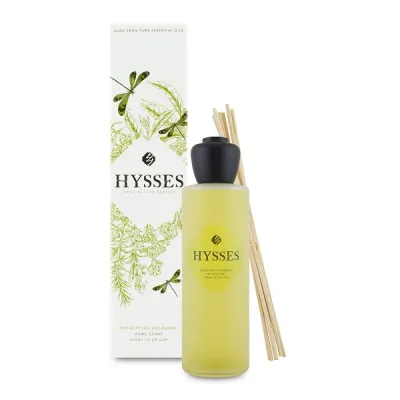
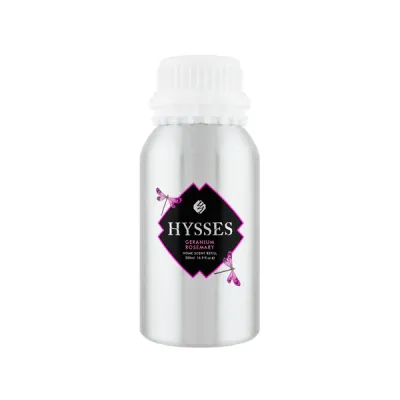
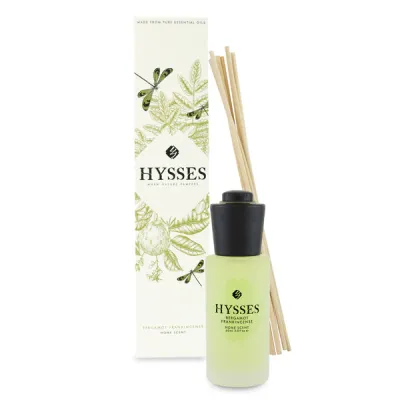
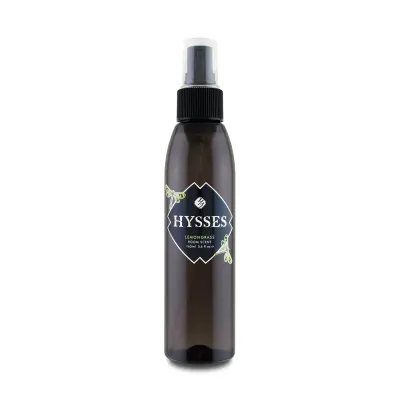
Prices are valid at publication and may change. Please refer to the product page for the latest price.
Key Factors for Choosing Daily Hysses Incense
When selecting incense for everyday use, understanding the relationship between the physical product and its performance in your home is essential. The first factor to consider is the scent throw, which refers to how widely and quickly the fragrance disperses through the air. Incense products vary significantly in their scent intensity, largely determined by the concentration of essential oils and the base materials used to bind the mixture. For daily use, a subtle to moderate scent throw is often preferable to a highly concentrated, room-filling aroma, as it prevents olfactory fatigue during extended periods at home.
Ingredient transparency is another critical consideration when choosing products you intend to burn regularly. High-quality incense typically relies on natural binders, such as plant-based gums or wood powders, combined with pure essential oils rather than synthetic fragrance compounds. When reviewing product labels, look for explicit mentions of natural ingredients and pure essential oils. Synthetic fragrances can sometimes produce a harsher smoke profile and may trigger sensitivities or headaches in enclosed spaces, making natural formulations a more reliable choice for daily exposure.
The physical format of the incense—whether it is a stick, a cone, or a coil—directly influences how the fragrance is released and how long the session lasts. Incense sticks are the most common format, offering a consistent, linear burn that is easy to control and suitable for medium-sized rooms. Cones, on the other hand, tend to burn more quickly and release a denser volume of smoke and fragrance in a shorter period, making them ideal for rapid scenting in larger areas. Coils are designed for prolonged burning, often lasting several hours, which can be useful for continuous fragrance but requires careful monitoring and excellent ventilation.
By matching the format to your specific daily habits, you can optimize both your sensory experience and your product usage. For instance, if you prefer a brief, focused aromatherapy session during a morning meditation or yoga practice, a short stick or a single cone may be the most practical choice. If you want a gentle, background fragrance that persists throughout a full remote workday, a slow-burning format or a series of well-spaced, shorter sessions using traditional sticks will be more appropriate.
Matching Scent Profiles to Your Home Environment
Different areas of your home serve distinct purposes, and the fragrances you introduce should complement these activities rather than conflict with them. Calming and grounding scent profiles are highly suited for spaces dedicated to rest, recovery, and quiet contemplation, such as bedrooms, reading nooks, or meditation areas. Woody and earthy fragrance families, which often feature notes like sandalwood, cedarwood, or patchouli, provide a subtle, stabilizing background that helps signal to your mind that it is time to wind down. These scents tend to linger gently in the air without becoming sharp or distracting.

In contrast, active areas of the home, such as living rooms, kitchens, and home offices, benefit from uplifting and refreshing scent profiles. Citrus-based fragrances, including lemongrass, bergamot, or grapefruit, can help create an alert, clean, and vibrant atmosphere that supports productivity and social interaction. Floral profiles, such as lavender or geranium, can also be used in these spaces to add a touch of softness and warmth. When selecting these brighter scents, it is important to choose formulations that maintain a balanced profile, ensuring the citrus or floral notes do not become overly sweet or cloying when burned.
Before introducing a new incense to a specific room, it is wise to check the manufacturer’s detailed scent notes and blending descriptions. This helps you anticipate how the fragrance might interact with existing home odors, such as cooking smells, pet areas, or natural wood finishes. For example, a woody incense can complement the natural scent of wooden furniture, while a crisp herbal or citrus blend is excellent for neutralizing lingering kitchen odors after meal preparation. Understanding these interactions prevents clashing scents and ensures a harmonious domestic environment.
Additionally, consider the volume of the room and the height of the ceilings when selecting a scent profile. High-ceilinged, open-plan living areas can handle more robust, complex blends with multiple fragrance layers, as the air volume allows the scent to disperse and soften. Conversely, smaller rooms with standard ceilings require simpler, single-note fragrances or lighter blends to prevent the scent from becoming dense and heavy. Adjusting your fragrance choices based on spatial volume ensures that the aroma remains a pleasant background element rather than an overwhelming presence.
Evaluating Burn Time and Value for Everyday Use
To establish a sustainable daily incense routine, it is helpful to evaluate the practical value and longevity of different formats. The first step is to review the manufacturer’s specifications for estimated burn durations, which are typically listed on the product packaging or official website. These estimates provide a baseline for how long a single stick, cone, or coil will burn under standard conditions. Comparing these durations allows you to plan your daily sessions and ensure you are not burning more product than necessary for your available time.
Calculating the approximate cost per use is a straightforward way to compare the long-term value of different packaging options. To do this, divide the retail price of the package in S$ by the total number of incense pieces included. For example, if a package of incense costs S$30 and contains 30 pieces, the cost per use is S$1.00 per session. Comparing this unit cost across bulk packs, standard boxes, and smaller trial sizes helps you identify the most economical option for daily use. While larger bulk packs often offer a lower cost per stick, starting with a smaller trial size is a sensible way to test a fragrance before committing to a larger financial investment.
It is also important to recognize that environmental factors in your home can cause actual burn rates to vary from the manufacturer’s stated estimates. Air currents, drafts from open windows, ceiling fans, and air conditioning units can accelerate the combustion process, causing the incense to burn down more quickly than expected. High humidity levels, on the other hand, can sometimes slow the burn rate or make the incense more difficult to light and keep lit. Observing how a product behaves in your specific home environment will help you make more accurate predictions about its longevity.
To maximize the value of your incense, store the products correctly to preserve their fragrance and burning properties. Incense should be kept in a cool, dry place away from direct sunlight, extreme temperature fluctuations, and high humidity. Storing sticks or cones in airtight containers or their original resealable packaging helps prevent the essential oils from evaporating over time, ensuring that the last piece in the box delivers the same scent quality and burn duration as the first.
Safe Burning Practices and Burner Compatibility
Burning incense safely is paramount, especially when it becomes a daily habit in your household. The most fundamental safety step is verifying that your chosen burner is specifically designed for the format of incense you plan to use. A proper burner must be constructed from non-flammable materials, such as ceramic, stone, brass, or heavy glass, and must feature a secure holder that keeps the incense stable. It must also have a sufficiently wide base to catch all falling ash, preventing hot embers from coming into contact with your furniture or flooring.
When burning incense, maintaining adequate ventilation is crucial for preserving indoor air quality, particularly in smaller rooms or spaces cooled by air conditioning. While incense creates a pleasant aroma, it also produces smoke and particulate matter as it burns. To prevent smoke accumulation and ensure a comfortable environment, always keep a window or door slightly ajar to allow fresh air to circulate. Avoid burning incense in completely sealed, unventilated spaces, and limit the frequency of use if you or your family members experience any respiratory discomfort or eye irritation.
The placement of your burner also requires careful consideration to minimize fire risks. Always position the burner on a flat, stable, and heat-resistant surface, well away from flammable materials such as curtains, books, paper, or loose clothing. Ensure the burner is placed out of reach of pets and young children who might accidentally knock it over. Additionally, keep the burning incense away from direct drafts, such as those from open windows, fans, or air conditioning vents, as sudden gusts of wind can carry sparks or cause the incense to burn unevenly and unsafely.
Never leave burning incense unattended under any circumstances. Before leaving a room or going to sleep, ensure that the ember is completely extinguished by gently pressing the burning tip against a heat-resistant surface or dipping it briefly in water. Regularly clean your burner to remove accumulated ash and residue, as a buildup of old ash can sometimes smolder or affect the scent of your next incense session. Taking these simple precautions ensures that your daily aromatherapy routine remains a safe, relaxing, and worry-free experience.
Where to Verify Product Details and Purchase
To ensure you are purchasing authentic Hysses incense products that meet the brand’s quality standards, it is best to rely on verified retail channels. Prioritizing official brand websites, physical boutiques, or authorized retail partners in Singapore is the most reliable way to guarantee product authenticity. Purchasing directly from these official sources ensures that the products have been stored in temperature-controlled environments, preserving the integrity of the essential oils and preventing premature drying or degradation of the incense.
When shopping, take the time to review the physical packaging or official online listings for complete product details. Look for comprehensive ingredient lists, clear safety warnings, and batch or manufacturing dates. Authentic products from reputable brands will always provide clear instructions for use and list any potential allergens associated with the essential oils used in the blend. If you are shopping in a physical boutique, do not hesitate to ask the staff for assistance in verifying these details or explaining the specific scent profiles and ingredients.
Conversely, it is advisable to avoid unverified third-party sellers on general online marketplaces or ecommerce platforms. Products sold through these channels may be counterfeit, expired, or improperly stored in hot, humid warehouses, which can severely compromise both the scent quality and the burning safety of the incense. Furthermore, product descriptions on unverified listings are often inaccurate or misleading. By purchasing through official and authorized channels, you can be confident in the quality, safety, and performance of your daily home incense.
Frequently Asked Questions (FAQ)
How long does a standard stick of incense typically burn?
To find the most accurate burn time expectations, you should always check the specific manufacturer’s packaging or official product page, as durations vary by product line. Generally, a standard-sized incense stick burns for approximately 30 to 45 minutes. However, several physical variables can alter this duration in your home. Thicker sticks, those with a solid wood core, or longer formats will naturally burn longer, while ambient airflow from fans, open windows, or air conditioning units can accelerate combustion and shorten the overall burn time.
Is it safe to burn incense every day in an air-conditioned room?
Burning incense daily in an air-conditioned room can be done safely, provided you maintain proper ventilation and air exchange. Because air-conditioned spaces are typically sealed to retain cool air, smoke and fine particulate matter can quickly accumulate to uncomfortable levels. To mitigate this, ensure you introduce fresh air periodically by opening a window or door during or immediately after a burning session. It is also important to monitor your personal comfort; if you experience throat irritation, coughing, or watery eyes, reduce the frequency of use or switch to a lighter, less smoky format.

Community discussion
Share your experience or ask a question. Comments are reviewed before publication.