
Finding the perfect Japandi-style chandelier in Singapore requires balancing the organic warmth of Japanese minimalism with the clean, functional lines of Scandinavian design. Because a chandelier serves as a central focal point in living rooms or dining areas, selecting a reputable brand involves more than just choosing an attractive silhouette. Homeowners must evaluate how local lighting brands source their materials, verify compliance with local electrical safety standards, and assess how these fixtures perform under Singapore’s humid tropical climate. By focusing on structural integrity, authentic craftsmanship, and certified electrical components, you can confidently navigate local showrooms and online distributors to find a fixture that elevates your space safely and beautifully.
Defining Authentic Japandi Chandelier Aesthetics
Japandi design is a harmonious fusion of two distinct yet deeply compatible philosophies: Scandinavian comfort and Japanese rustic minimalism, often referred to as wabi-sabi. In lighting, this translates to fixtures that prioritize simplicity, organic forms, and a deep respect for natural textures. Unlike traditional ornate chandeliers that rely on crystal, polished brass, or intricate scrollwork, a Japandi-style chandelier embraces understated elegance. It strips away unnecessary ornamentation, focusing instead on clean geometric lines, balanced proportions, and a sense of quiet mindfulness that grounds the room.
The material palette of an authentic Japandi chandelier is inherently tactile and grounded in nature. Designers frequently utilize light-toned solid woods like ash, oak, or beech, alongside woven natural fibers such as rattan, bamboo, and wicker. Washi paper and fine linen are also staple materials, particularly for shades, as they introduce a soft, organic texture that contrasts beautifully with minimalist interiors. When metal is introduced, it is typically finished in a matte, non-reflective texture—such as matte black, brushed brass, or muted bronze—serving as a subtle structural frame rather than a shiny focal point.
Products mentioned in this guide
![[SG Stock] Nordic Glass & Iron Chandelier Ceiling Light Modern Pendant Light Dining Light LED Dimmable 10-14 Inch](https://img.lazcdn.com/g/p/d8df39f7c886cb188cf8caccec219082.jpg_400x400q80.jpg_.webp)
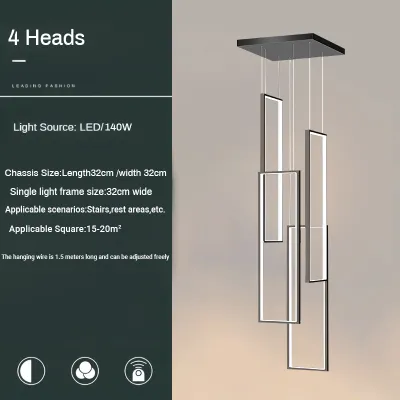
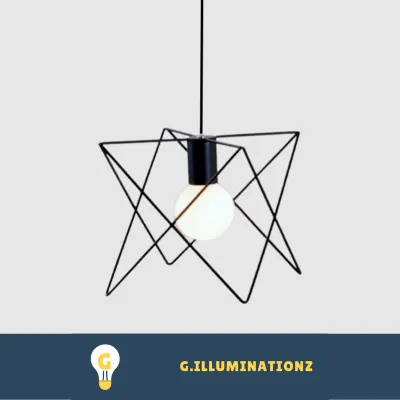
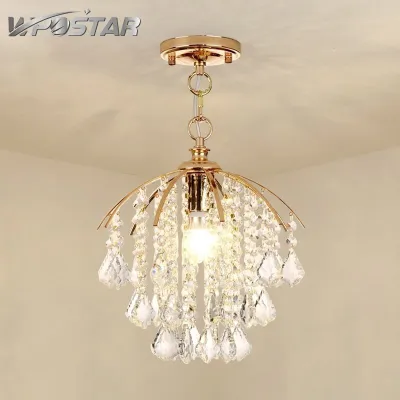
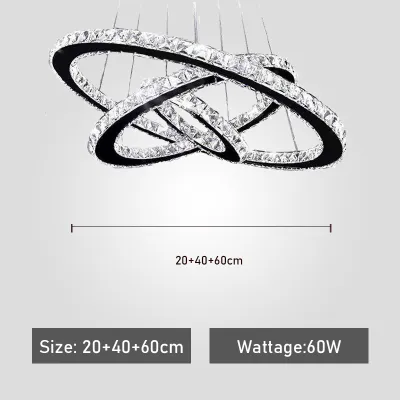
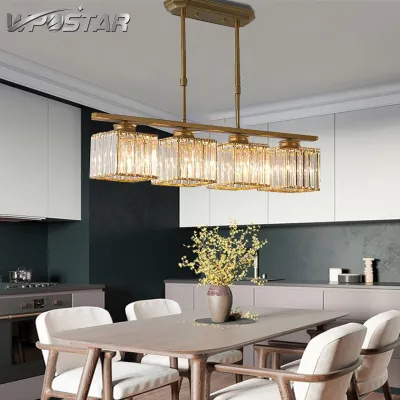
Prices are valid at publication and may change. Please refer to the product page for the latest price.
Beyond physical materials, the defining characteristic of a Japandi chandelier is the quality of light it emits. The design philosophy rejects harsh, direct glare in favor of warm, diffused, and ambient illumination. Light sources are often concealed behind paper, fabric, or finely woven screens to soften the output, mimicking the gentle glow of paper lanterns or filtered sunlight. This soft illumination is essential for creating a calm, serene atmosphere, making the fixture as much about the mood it casts as the physical space it occupies.
Essential Criteria for Evaluating Lighting Brands
When searching for a reputable lighting brand in Singapore, the authenticity of the materials and the quality of craftsmanship should be your first points of evaluation. High-quality Japandi fixtures rely on genuine, sustainably sourced natural materials that age gracefully over time. Be cautious of brands that substitute solid wood with cheap plastic laminates or use synthetic fibers disguised as natural rattan. Inspecting the joints, the consistency of the wood grain, and the neatness of woven elements will quickly reveal whether a brand prioritizes artisanal quality or mass-produced convenience.

Electrical compliance is a non-negotiable safety criterion for any light fixture installed in Singapore. The local electrical grid operates at a standard voltage of 230V and a frequency of 50Hz. Any chandelier you purchase must be rated for these specifications to prevent electrical hazards, premature bulb failure, or driver burnout. Furthermore, reputable brands and distributors in Singapore must supply fixtures that comply with local safety regulations, often indicated by the Enterprise Singapore Safety Mark on the electrical drivers, ballasts, or the fixtures themselves. Verifying these certifications protects your home from electrical faults and ensures compatibility with local wiring standards.
The complexity of chandelier structures—especially those featuring delicate paper shades, multi-tiered wooden frames, or integrated LED modules—demands robust warranty and after-sales support. A reliable brand should offer a clear, localized warranty policy that covers manufacturing defects, driver failures, and structural issues. Before purchasing, inquire about the availability of replacement parts, such as matching glass globes, spare paper shades, or compatible LED drivers. Choosing a brand with an established local presence or an authorized distributor in Singapore ensures you can easily access technical support or replacement components if issues arise down the road.
Navigating Local Showrooms and Online Channels
While online shopping offers unparalleled convenience, purchasing a high-end Japandi chandelier without seeing it in person can lead to mismatched expectations. Singapore boasts several dedicated design districts and specialized lighting showrooms—particularly along Balestier Road, Jalan Besar, and parts of Geylang—where you can conduct a thorough tactile inspection. Visiting these physical spaces allows you to assess the true scale of the fixture, observe how the materials look under different lighting conditions, and evaluate the actual quality of the wood, fabric, or paper components before committing to a purchase.
When exploring online channels, prioritize official brand websites and authorized local distributors rather than unverified third-party marketplaces. Authorized retailers provide accurate, manufacturer-backed specifications, clear installation guidelines, and genuine warranty coverage. They are also equipped to answer technical questions regarding ceiling load limits, dimming compatibility, and driver specifications. Purchasing through official channels guarantees that you are receiving an authentic product designed and certified for the Singapore market, rather than a counterfeit or parallel-imported fixture that may bypass local safety checks.
To protect your investment, learn to identify common red flags when browsing online listings. Be highly skeptical of listings that lack detailed technical specifications, omit electrical certification details, or use vague terms like “wood-style” or “rattan-like” without specifying the actual materials used. A lack of clear contact information, missing physical address details for customer service, or unusually low prices compared to market standards often point to low-quality replicas. If a seller cannot provide a clear certificate of compliance or details about the integrated driver’s safety markings, it is best to look elsewhere.
Comparing Material Choices for Japandi Chandeliers
Selecting the right material for your Japandi chandelier involves balancing aesthetic preferences with practical considerations like durability, maintenance, and light diffusion. Different materials interact with light and the surrounding environment in unique ways, making some choices better suited for specific rooms or lifestyles than others.
| Material | Durability | Cleaning Requirements | Light Diffusion | Best Suited For |
|---|---|---|---|---|
| Solid Wood | High; resistant to structural wear but can warp if exposed to extreme moisture. | Low; regular dry dusting and occasional wood-safe polish. | Direct or semi-diffused depending on shade design. | Dining rooms, spacious living areas, and entryways. |
| Rattan / Wicker | Moderate; flexible and lightweight but can collect dust in intricate weaves. | Moderate; gentle vacuuming with a brush attachment or dry wiping. | Highly patterned; casts soft, textured shadows across the room. | Bedrooms, cozy reading nooks, and covered balconies. |
| Fabric / Paper | Low to Moderate; delicate and prone to tearing or staining over time. | High; delicate dry dusting only; highly sensitive to moisture. | Excellent; provides the softest, most even ambient glow. | Low-traffic living rooms, study rooms, and bedrooms. |
In Singapore’s tropical climate, environmental factors play a significant role in material longevity. High relative humidity can cause untreated natural wood to expand, warp, or develop mold, while delicate paper shades may sag or discolor over time if placed in poorly ventilated areas. When choosing a wood or rattan chandelier, verify that the material has been properly sealed with a moisture-resistant, matte protective coating. For spaces close to open windows or high-humidity zones like kitchens, prioritize durable matte metals or treated timber over delicate paper or untreated fabrics to ensure the fixture maintains its structural integrity and appearance.
Building and Verifying Your Brand Shortlist
To build a reliable shortlist of Japandi chandelier brands, start by cross-referencing brand claims with independent user reviews and real-world feedback. Look for reviews on independent forums, local home renovation portals, and social proof from homeowners who have installed the fixtures in similar Singaporean housing layouts. Pay close attention to comments regarding the long-term durability of the materials, how well the light output matches the promotional photos, and the professionalism of the brand’s customer service team during the delivery and installation process.
Before finalizing any purchase, you must verify the physical and structural constraints of your installation space. Measure your ceiling height carefully to ensure the chandelier allows for comfortable clearance; in standard Singapore HDB flats with ceiling heights of approximately 2.6 meters, a low-hanging chandelier may obstruct movement or sightlines. Additionally, check the weight of the fixture against your ceiling’s load-bearing capacity. While concrete ceilings can support heavy fixtures, false ceilings require specialized reinforcement or mounting directly to the structural slab above to prevent structural failure.
Finally, confirm the exact return policies, exchange terms, and installation services offered by the brand or retailer. A reputable brand should provide clear terms regarding what happens if a fixture arrives damaged, if a component is missing, or if the scale of the chandelier does not fit your room as expected. Many premium lighting retailers in Singapore offer professional installation services or can recommend trusted, licensed electricians who are familiar with their specific product lines, ensuring your chandelier is mounted safely and wired correctly from day one.
Installation and Safety Boundaries for Chandeliers
Installing a chandelier is a complex task that goes far beyond basic DIY home improvement. Before purchasing a heavy or multi-tiered Japandi fixture, you must conduct a thorough assessment of your ceiling structure. Concrete ceilings, common in standard HDB flats, offer excellent structural support but require proper masonry anchors and hammer drilling. If you have a false ceiling, which is common in many condominiums and renovated landed properties, the plasterboard alone cannot support the weight of a chandelier; the fixture must be anchored to the concrete soffit or a reinforced timber support frame.
For all fixed wiring, electrical connections, and heavy mounting work, it is essential to engage a licensed electrical worker (LEW) or an EMA-licensed electrician. Working with electricity carries inherent risks of shock, short circuits, and fire hazards if connections are not properly insulated or if the circuit is overloaded. A professional electrician will ensure that the power is safely isolated at the distribution board, verify that the existing wiring can handle the fixture’s wattage, and use the correct mounting hardware to secure the chandelier firmly to the ceiling structure.
Knowing when to step back and consult a professional is crucial for maintaining a safe home environment. If you encounter outdated wiring, lack a clear understanding of your home’s electrical circuits, or find that the chandelier’s mounting bracket does not align with your existing ceiling junction box, stop immediately and call a qualified professional. Attempting to force a fit or bypass safety protocols can result in severe damage to your ceiling, compromise your home’s electrical system, or lead to the fixture falling. Prioritizing professional installation guarantees peace of mind and ensures your beautiful Japandi chandelier remains a safe, stunning feature for years to come.
Frequently Asked Questions (FAQ)
Can I use smart bulbs in Japandi-style chandeliers?
Yes, you can use smart bulbs in most Japandi-style chandeliers, provided you verify the socket type (such as E27 or E14) and the maximum wattage limits indicated on the fixture’s specification label. Because Japandi fixtures often feature delicate paper, wood, or fabric shades, it is critical never to exceed the recommended wattage to prevent heat buildup and potential fire hazards. Additionally, if your home has physical wall dimmer switches installed, ensure they are compatible with smart bulbs; traditional dimmers can cause smart bulbs to flicker, buzz, or fail prematurely, so you may need to keep the physical switch fully on and control the dimming digitally.
How do I clean natural wood or rattan chandelier components?
Cleaning natural wood or rattan components requires a gentle, dry approach to protect the organic finishes from damage. Use a soft microfiber cloth, a static duster, or a vacuum cleaner equipped with a soft brush attachment to gently remove dust from intricate weaves and wooden joints. Avoid using harsh chemical cleaners, abrasive scrubs, or excessive moisture, as these can strip the protective matte sealants, warp the wood, or cause natural fibers to swell and weaken. Always check the manufacturer’s specific care instructions before applying any specialized wood conditioners or damp cloths to ensure you do not inadvertently void the warranty or damage the delicate materials.

Community discussion
Share your experience or ask a question. Comments are reviewed before publication.