
Choosing the right room refresher brand in Singapore requires balancing immediate sensory appeal with long-term household safety, especially when navigating tropical humidity and enclosed, air-conditioned living spaces. The ideal choice depends on matching the formulation to your specific environment, household members, and functional needs. By understanding how different ingredients behave in the air and on surfaces, you can select a brand that safely and effectively enhances your home’s atmosphere.
Identifying Your Room Refresher Priorities
When selecting a room refresher, your first consideration should be how different scent profiles interact with your home’s unique environment. In Singapore’s warm, humid climate, heavy or overly sweet fragrances can quickly become cloying and oppressive. Citrus-based scents offer an uplifting, clean sensation but tend to evaporate rapidly, whereas woody or herbal notes like cedarwood, sandalwood, and eucalyptus provide a grounding, long-lasting presence. Understanding the volume of your space is equally critical; a compact HDB bathroom requires a delicate, fine-mist formulation to prevent scent overload, while an open-concept living and dining area demands a product with robust dispersion capabilities.
Longevity expectations also dictate your choice of brand. If your primary goal is to neutralize sudden odors—such as those from cooking or damp laundry—a quick-acting, highly volatile spray is ideal. Conversely, if you want to establish a continuous, subtle background ambiance, you should look for brands that specialize in slow-release formulations or high-affinity fragrance oils that cling gently to ambient air molecules. Balancing these needs ensures you do not waste product through over-application.
Products mentioned in this guide
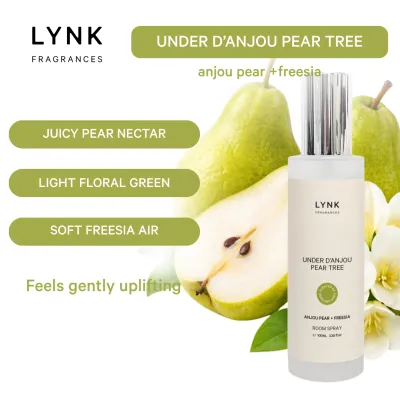
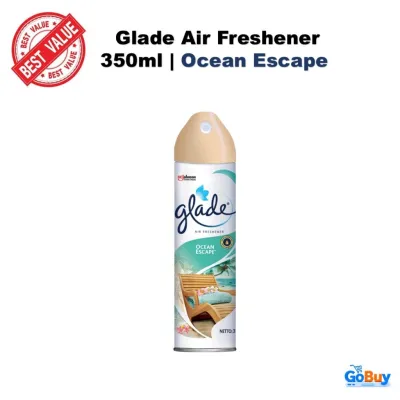


![FARCENT Scented Bag 3s+1s Sachet Lavender [SG Stock]](https://img.lazcdn.com/g/p/b351992b115cf2582ea83dccc011df41.png_400x400q80.png_.webp)
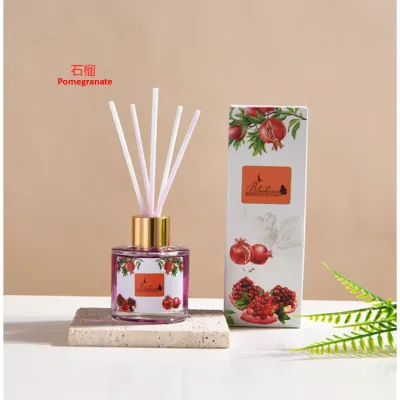
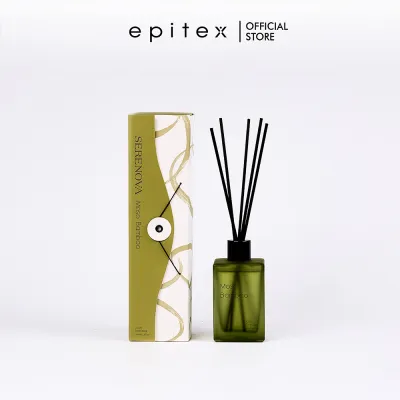
Prices are valid at publication and may change. Please refer to the product page for the latest price.
Your ingredient philosophy is another pivotal factor. Many consumers prefer natural essential oils for their botanical authenticity and potential aromatherapeutic benefits. However, natural does not automatically mean hypoallergenic. Synthetic fragrance oils, when sourced from reputable manufacturers, are engineered for stability, consistency, and longevity, making them a viable alternative for those who find natural botanicals too unpredictable or irritating. Evaluating your personal sensitivities will help you decide which formulation path to pursue.
Finally, household demographics must guide your purchase. The presence of infants, elderly family members, or individuals with pre-existing respiratory conditions like asthma requires a highly cautious approach. Because their airways are more sensitive to airborne particulates, selecting fragrance-free odor neutralizers or extremely mild, hypoallergenic room sprays is often the safest course of action.
Decoding Room Spray Formulations and Ingredient Labels
Understanding the chemical base of a room spray is essential for predicting its performance and protecting your home’s surfaces. Water-based sprays utilize emulsifiers to keep fragrance oils suspended in solution. These formulations generally evaporate at a slower rate, which can leave a fine, damp residue on polished wooden furniture, leather upholstery, or delicate fabrics if sprayed too closely. They are, however, typically gentler on the respiratory system and less flammable than their alcohol-based counterparts.

Alcohol-based sprays, which frequently employ cosmetic-grade ethanol or isopropyl alcohol, offer a much faster evaporation rate. This rapid drying time creates a dry mist that disperses quickly into the air without leaving wet spots on household surfaces. The alcohol acts as an excellent solvent, allowing for a higher concentration of fragrance oils and a more immediate, powerful scent throw. However, these sprays can be drying to the nasal passages and must be stored away from open flames, gas stoves, or hot lighting fixtures.
Reading the ingredient panel is the only reliable way to distinguish between true essential oils and synthetic fragrance compounds. Authentic essential oils are listed by their scientific botanical names, such as Lavandula angustifolia for lavender or Citrus limon for lemon. Synthetic fragrances are typically grouped under generic terms like “fragrance,” “parfum,” or “aroma” on the label. While synthetic compounds allow perfumers to create complex, highly stable scents that do not exist in nature, they lack the specific botanical properties of pure plant extracts.
The delivery mechanism also plays a significant role in how the product behaves in your home. Pressurized aerosol cans deliver an ultra-fine, continuous mist that hangs in the air for an extended period, but they often rely on chemical propellants and volatile organic compounds (VOCs) that can degrade indoor air quality. Non-aerosol pump sprays, which use a mechanical trigger or finger pump, produce slightly larger droplets but are generally more environmentally friendly, easier to control, and free from added chemical propellants.
When examining labels, look out for potential chemical irritants that could compromise your indoor air quality. Phthalates are commonly used in the fragrance industry to extend the longevity of a scent, but they are increasingly avoided due to concerns over their long-term environmental and health impacts. Parabens, used as preservatives, and formaldehyde-releasing agents should also be checked. Choosing brands that explicitly state they formulate without these additives is a straightforward way to safeguard your living environment.
Ensuring Safety for Pets and Sensitive Household Members
Ensuring the safety of pets is one of the most critical aspects of choosing a room refresher. Dogs and cats have an incredibly acute sense of smell, making strong fragrances overwhelming for them. More importantly, many common essential oils are highly toxic to pets because their livers lack the specific enzymes required to metabolize these organic compounds. Oils such as tea tree, eucalyptus, peppermint, wintergreen, pine, and various citrus oils (which contain d-limonene) can cause severe adverse reactions if inhaled, absorbed through the skin, or ingested during grooming.
To verify pet-safe claims, do not rely solely on generic marketing buzzwords like “pet-friendly” or “all-natural” on the front of the bottle. Instead, turn the product over and scrutinize the full ingredient list. Cross-reference any botanical extracts with reputable veterinary safety databases. If a brand does not disclose its full ingredient list, it is best to avoid using that product in a home with free-roaming animals.
Proper application techniques and ventilation are vital to maintaining a safe indoor environment. In Singapore, where many homes rely heavily on air conditioning, air exchange rates can be low. When using any room spray, ensure there is adequate ventilation—perhaps by opening windows briefly or running a mechanical exhaust fan—to prevent the accumulation of airborne particulates. Never spray a room refresher directly toward a pet, child, or food preparation surface, and always allow the mist to settle completely before letting sensitive household members re-enter the space.
Safe storage is equally important to prevent accidental ingestion or exposure. Store all room sprays, diffusers, and refills in a cool, dry cupboard that is completely out of reach of children and pets. In our warm tropical climate, keeping these products away from direct sunlight and heat sources prevents the degradation of ingredients and reduces the risk of pressurized containers leaking or failing.
Finally, you must know when to stop using a product and seek professional help. If you notice your pet coughing, sneezing, drooling excessively, rubbing their face against furniture, or showing signs of lethargy after you spray a room refresher, move them to fresh air immediately and consult a qualified veterinarian. Similarly, if any human household member experiences watery eyes, skin rashes, or respiratory distress, discontinue use and consult a medical professional.
Purchasing Safely and Verifying Product Authenticity in Singapore
To ensure you are purchasing genuine, high-quality room refreshers, always source your products from authorized brand boutiques, established department stores, or reputable online marketplaces. Buying from unverified third-party sellers or parallel importers carries the risk of receiving counterfeit products, expired stock, or items that have been stored in sub-optimal conditions. High temperatures in unconditioned warehouses can rapidly degrade fragrance oils, altering their scent profile and potentially creating harmful chemical byproducts.
When your product arrives, perform a thorough physical inspection before use. Check that the safety seal is completely intact and that there are no signs of leakage around the nozzle or cap. The packaging should feature a clear, legible ingredient list in English, along with a batch number and manufacturing or expiry date. Expired or oxidized fragrance products are much more likely to cause skin irritation or respiratory discomfort, making this check essential for your safety.
Familiarize yourself with local consumer protection guidelines regarding defective or misrepresented goods. Under Singapore’s consumer protection laws, often referred to as the Lemon Law, consumers have clear rights if a product is defective, leaks, or does not perform as advertised at the time of delivery. Keeping your physical or digital receipts and taking clear photos of any damaged packaging immediately upon receipt will make the return or exchange process much smoother.
Lastly, evaluate the brand’s overall transparency and ethical standards. Reputable brands are usually willing to share detailed information about their sourcing practices, manufacturing standards, and safety testing. Look for certifications from recognized international bodies, such as cruelty-free labels or environmental sustainability certifications. A brand that is open about its ingredients and manufacturing processes is far more likely to deliver a safe, consistent, and high-performing product.
Frequently Asked Questions (FAQ)
How long does a room spray scent typically last?
The duration of a room spray’s scent depends on several environmental and chemical factors rather than a single fixed timeframe. In a typical Singapore home, factors such as room size, airflow from ceiling fans or air conditioning units, and ambient humidity levels all influence how quickly fragrance molecules disperse and evaporate. Water-based formulations tend to linger slightly longer on surfaces, while alcohol-based sprays offer a rapid, intense burst that dissipes more quickly. To gauge how a specific brand performs in your unique living space, try performing a test spray in a small, enclosed area or onto a piece of clean cardboard, observing how the scent notes evolve and fade over several hours.
Can standard room refreshers be used on fabrics and linens?
Standard room refreshers are generally formulated specifically for air dispersion and should not be used interchangeably with dedicated fabric or linen sprays. Room sprays often contain higher concentrations of fragrance oils, solvents, or alcohol bases that can stain, discolor, or degrade delicate textiles, polished wood, or leather upholstery. If a spray droplet lands on a fabric and does not evaporate cleanly, it can leave an unsightly oily ring or weaken the fibers over time. Always check the manufacturer’s label for explicit fabric-safe or linen spray indications. Before applying any product to a visible area of your furniture or bedding, perform a spot test on a hidden, inconspicuous seam to ensure there is no adverse reaction.
How do odor eliminators differ from standard air fresheners?
The primary difference lies in how these products handle unpleasant smells: standard air fresheners mask odors, while true odor eliminators neutralize them. Standard air fresheners release a heavy layer of fragrance to overpower and cover up existing smells, which can sometimes result in an unpleasant mixture of scents. Odor eliminators, on the other hand, utilize active chemical compounds, enzymes, or zinc ricinoleate to bind with, break down, or neutralize odor molecules at a molecular level. For general home ambiance, a standard room refresher is ideal; however, for targeted issues like pet accidents, dampness, or cooking odors, an odor eliminator is far more effective as it removes the source of the smell entirely.
Community discussion
Share your experience or ask a question. Comments are reviewed before publication.