
Choosing the right Hysses room spray for your home requires a thoughtful balance between personal sensory preferences and the physical characteristics of your living spaces. Unlike synthetic aerosol air fresheners that mask odors with heavy chemical masking agents, this brand focuses on essential oil-based formulations that interact dynamically with your indoor environment. To find the perfect match, you must look beyond the initial appeal of a scent in a retail showroom and analyze how the botanical ingredients will behave under your specific home conditions. By evaluating your home’s layout, understanding the volatility of different essential oil categories, and matching specific scent profiles to the functional purposes of each room, you can curate an inviting atmosphere that enhances your daily routines.
Identifying Your Home's Atmosphere and Scent Preferences
Before browsing the extensive range of available scents, you must first establish a clear baseline by evaluating the physical attributes of your living spaces. The volume of a room—determined by its floor area and ceiling height—directly dictates the scent throw and intensity required to achieve a balanced aromatic presence. A spacious, open-plan living room in a modern condominium or HDB flat demands a formulation with robust, slow-evaporating base notes to prevent the fragrance from dissipating too quickly. Conversely, a compact study or powder room can easily become overwhelmed by heavy, concentrated scents, making lighter, highly volatile top notes a much more appropriate choice for these smaller volumes.
Natural ventilation and mechanical cooling systems also play a critical role in how a room spray behaves once dispersed. In a home that relies primarily on open windows and ceiling fans to capture natural breezes, air currents will rapidly carry scent molecules away, requiring more frequent application or a heavier scent profile to maintain a consistent presence. In contrast, air-conditioned environments trap air and lower ambient humidity, which can alter the evaporation rate of essential oils. Air conditioning tends to preserve the delicate top notes of a fragrance for slightly longer, but the dry air can also make intense, resinous scents feel overly heavy or dry if they are over-applied.
Products mentioned in this guide
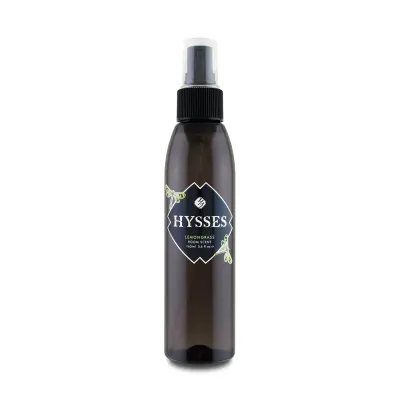
Prices are valid at publication and may change. Please refer to the product page for the latest price.
Personal and household fragrance sensitivities must be your primary screening tool when selecting any home scent product. Aromatherapy relies on active botanical compounds that can trigger strong physical and emotional responses, which vary significantly from person to person. While one household member may find a sharp, herbaceous scent highly energizing, another may experience it as an irritant or a trigger for headaches. It is essential to discuss preferences with everyone in the home, identifying any shared aversions to specific scent families—such as sweet florals, medicinal herbs, or heavy woods—before introducing a new ambient fragrance to shared living areas.
Furthermore, you must carefully account for any pre-existing respiratory sensitivities or allergies among your family members. Individuals with asthma, seasonal allergies, or chemical sensitivities can react to the natural volatile organic compounds present in pure essential oils. Even though natural botanical sprays are generally preferred over synthetic chemical alternatives, they are not entirely inert. Opting for lighter, single-note formulations or low-intensity herbal sprays can help mitigate the risk of respiratory discomfort, and you should always plan to introduce any new scent gradually, monitoring the household’s comfort levels over the first few days of use.
Exploring Hysses Fragrance Families and Profiles
To systematically narrow down your options, it is helpful to categorize the brand’s offerings into distinct fragrance families, each characterized by its dominant botanical notes and atmospheric effects. The citrus, herbal, and grassy family is highly valued for its ability to create clean, vibrant, and instantly refreshing environments. Common ingredients in this category, such as lemongrass, bergamot, and peppermint, possess high volatility, meaning their molecules evaporate rapidly to deliver an immediate burst of crisp aroma. These scents are exceptionally effective at cutting through stagnant air, neutralizing cooking odors, and providing an immediate sensory lift that helps clear mental fatigue during the day.

Floral and botanical profiles offer a completely different atmospheric direction, focusing on warmth, comfort, and emotional relaxation. Scents derived from lavender, rose, geranium, or jasmine tend to have moderate volatility, acting as middle notes that linger in the air long after the initial spray has settled. These botanical formulations are ideal for creating a soft, nurturing ambiance that encourages relaxation and stress relief. When evaluating floral options, pay close attention to the specific blend; a formulation balanced with citrus will feel bright and summery, while a floral scent paired with deep herbal or woody undertones will feel much more grounding and sophisticated.
For those seeking longevity and a deeply grounding presence, the woody, earthy, and resinous family provides the necessary structural foundation. Notes such as sandalwood, cedarwood, patchouli, and frankincense consist of larger, heavier molecules that evaporate at a very slow rate. These base notes act as natural fixatives, anchoring lighter top notes and ensuring that a subtle, warm whisper of fragrance remains in the room for hours. Woody profiles are excellent for establishing a sense of permanence, stability, and quiet luxury within a home, making them highly favored for study rooms, libraries, and formal living areas.
As you explore these fragrance families, it is crucial to check product labels and official descriptions to verify the exact nature of the ingredients used. High-quality aromatherapy brands typically distinguish between formulations made from pure, therapeutic-grade essential oils and those that incorporate synthetic fragrance oils. Pure essential oil sprays offer the genuine therapeutic benefits of the plants from which they are extracted, delivering a complex, nuanced aroma that evolves over time. Synthetic fragrances, while often more consistent in scent profile and lower in cost, lack these therapeutic properties and may contain synthetic carriers that some users prefer to avoid in their living spaces.
Matching Scents to Specific Rooms and Daily Routines
A successful home scenting strategy relies on pairing specific fragrance profiles with the functional demands and emotional goals of different living spaces throughout the day. High-traffic areas, entryways, and kitchens require active, bright, and odor-neutralizing scents that can handle a variety of competing smells. An entryway benefits immensely from an inviting, clean scent like lemongrass or bergamot, which immediately signals a transition from the busy outside world into a fresh, welcoming sanctuary. In the kitchen, herbaceous and citrus notes are highly effective at cutting through lingering cooking grease and food odors without clashing with the natural aromas of food preparation.
For private sanctuaries such as bedrooms, reading nooks, and bathrooms, the focus shifts toward low-intensity, calming profiles that support rest and recovery. The bedroom should be treated as a sensory haven where heavy, stimulating scents are avoided in favor of soothing lavender, chamomile, or soft cedarwood. Applying a light mist of a relaxing floral or woody spray to the air shortly before your evening wind-down routine helps signal to your nervous system that it is time to transition into sleep. In bathrooms, clean, purifying scents like eucalyptus or tea tree help maintain a spa-like freshness, turning a functional space into a restorative retreat.
When implementing these scent choices in Singapore, you must actively adjust your selection and application habits to account for the local tropical climate and high humidity. High humidity levels can significantly alter how scent molecules diffuse; the moisture-laden air can cause heavy, sweet, or highly concentrated floral scents to feel cloying and oppressive. Conversely, the intense heat can cause volatile top notes like citrus to evaporate almost instantly. To combat this, local homeowners often find success by choosing balanced blends that pair bright top notes with resilient woody or earthy base notes, which hold up much better under humid conditions without becoming overwhelming.
To maximize the impact of your room sprays, consider planning a thoughtful scent transition that aligns with your household’s daily routines and natural light cycles. In the early morning, as natural light begins to fill your home, a quick mist of an energizing citrus or peppermint spray in the dining area or home office can help stimulate focus and alertness. As the afternoon transitions into evening, you can shift toward grounding herbal or soft floral notes to encourage a slower, more relaxed pace. By consciously aligning your home’s scent profile with your daily activities, you create a dynamic sensory environment that actively supports your well-being throughout the day.
Practical Checks Before Purchasing a Room Spray
Before finalizing your purchase of any room spray, you must perform several practical checks to ensure the product is safe, compatible, and convenient for your specific household setup. First and foremost is the critical issue of pet safety, particularly for households with cats, dogs, or birds. Many natural essential oils that are perfectly safe for human inhalation contain compounds that are highly toxic to animals when inhaled, absorbed through the skin, or ingested during grooming. Oils such as tea tree, eucalyptus, cinnamon, citrus, and pine are known hazards; therefore, you must carefully cross-reference the ingredient list of any potential room spray with reputable veterinary safety databases to protect your pets.
Surface compatibility is another essential factor to verify before spraying any liquid formulation around your home’s furnishings. Because essential oil-based room sprays contain natural plant oils and alcohol or water carriers, they can potentially damage or stain delicate materials. You must review the manufacturer’s instructions to determine if the spray is safe for direct contact with fabrics, upholstery, leather, or polished wood surfaces. To prevent unsightly watermarks, oil staining, or the degradation of wood finishes, always avoid spraying directly onto furniture and instead focus the mist upward into the center of the room, allowing the fine droplets to disperse evenly through the air.
The quality of the spray mechanism itself is a frequently overlooked detail that directly impacts your user experience. A high-quality room spray should feature a nozzle designed to produce an ultra-fine, consistent mist rather than heavy, uneven droplets that quickly fall to the floor or saturate nearby surfaces. When visiting a retail store, take the opportunity to test the spray mechanism on a tester bottle, observing how the mist behaves in the air. If purchasing online, read user reviews specifically focusing on the durability and performance of the pump mechanism to ensure it delivers a wide, even distribution that maximizes scent throw while minimizing product waste.
Finally, take the time to check current stock availability, bottle sizes, and refill options directly through the brand’s official channels or authorized retail partners. Investing in a scent you love is much more satisfying when you know you can easily replenish it. Many premium brands offer larger refill bottles or concentrated formulations, which are not only more cost-effective over time but also reduce plastic and glass waste. Verifying these options beforehand allows you to plan your long-term home fragrance budget and ensures that your preferred signature scent remains a consistent, welcoming presence in your living space.
Frequently Asked Questions (FAQ)
Can I use room sprays directly on fabrics and linens?
While some room sprays are formulated to double as linen mists, many are designed strictly for air diffusion and may contain oil concentrations that can stain or discolor delicate fabrics. You should always check the manufacturer’s product label for specific fabric-safe certifications before applying any spray to soft furnishings. To ensure safety, always conduct a quick spot test on an inconspicuous area of the fabric—such as the underside of a cushion or an inner seam—and allow it to dry completely to verify that it does not leave a watermark or oil residue.
How long does a typical room spray scent last?
The longevity of a room spray scent depends heavily on the specific essential oils used in the blend and the environmental conditions of the room. Top notes like citrus and mint typically dissipate within thirty minutes to an hour, whereas heavy base notes like cedarwood, patchouli, and frankincense can linger in the air for several hours. In Singapore’s humid climate, or in rooms with active air conditioning and high ventilation, scents will dissipate more rapidly; you can extend the ambient fragrance by layering the spray with a complementary reed diffuser or wax melt in the same space.
Are essential oil-based sprays safe for pets?
Not all essential oil-based room sprays are safe for homes with pets, as animals metabolize airborne compounds differently than humans. Certain common essential oils, including tea tree, eucalyptus, peppermint, and various citrus oils, can be toxic to cats and dogs if they accumulate in their systems. If you choose to use these sprays, always ensure the room is well-ventilated, never spray near your pet’s bedding or food bowls, and always leave an open door so your pets can freely exit the room to an unscented area if the fragrance becomes uncomfortable for them.
Community discussion
Share your experience or ask a question. Comments are reviewed before publication.