
A child’s First Holy Communion is a milestone in their spiritual journey, marking their first reception of the Eucharist. Choosing a meaningful gift for this occasion requires balancing spiritual depth with lasting physical quality. A carefully selected religious figurine serves as a tangible reminder of this sacred sacrament, offering a keepsake that can sit on a study desk, a bedside table, or a family altar. In Singapore, where homes often feature dedicated prayer corners or compact shelving, selecting a piece that balances spiritual significance with practical durability ensures the gift remains cherished for years.
Understanding the Spiritual Significance of Communion Figurines
Visual reminders play a vital role in anchoring a child’s daily prayer life. A small statue of Jesus, an angel, or a patron saint acts as a quiet focal point during moments of reflection, helping a young mind transition from the busy school day to a state of prayerful focus. Having a dedicated physical object in their personal space reinforces the reality of their faith beyond the walls of the church.
It is helpful to understand the distinction between a simple decorative artifact and a blessed sacramental within the home. While a figurine begins its life as a beautiful piece of art, it can be blessed by a priest to become a sacramental. This blessing sets the object apart, transforming it into a sacred sign that helps prepare the heart to receive grace and cooperate with the Holy Spirit in daily life.
Products mentioned in this guide
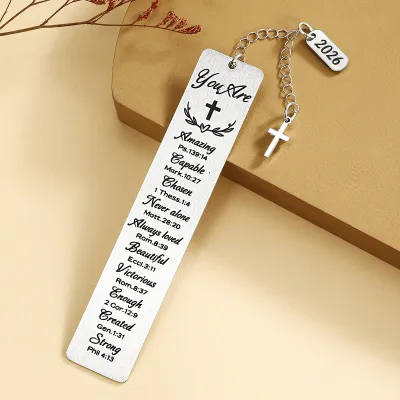
Prices are valid at publication and may change. Please refer to the product page for the latest price.
A physical figurine is never meant to replace the profound theological reality of the sacrament itself. Instead, it acts as an earthly echo of that heavenly encounter, keeping the memory of their first reception of the Blessed Sacrament alive. Every time the child looks at the keepsake, they are reminded of the grace they received and their ongoing commitment to their spiritual path.
Key Considerations for Choosing a Lasting Keepsake
When selecting a figurine, material durability and safety should be your primary practical concerns. Common materials include cold-cast resin, porcelain, ceramic, and carved wood. Resin is highly favored for its resistance to chipping and its ability to hold fine details, while porcelain offers a classic, delicate aesthetic. Always check manufacturer labels to verify the use of non-toxic paints and smooth, splinter-free finishes, especially since children may handle these items.

Size and weight are critical factors, particularly in Singaporean apartments where space on study desks, bedside tables, or wall-mounted shelves is often shared with schoolbooks and personal items. A compact figurine—typically between 10 to 15 centimeters in height—is ideal for these settings. It should have enough weight to stand securely on its own without being so heavy that it poses a hazard if accidentally knocked over.
Craftsmanship details require close inspection upon delivery or during your in-store search. Look closely at the painted facial features; high-quality pieces feature delicate, symmetrical expressions rather than rushed or smudged paintwork. Verify the structural stability of the base, ensuring it sits perfectly flat on a level surface without wobbling. If the figurine features any integrated low-voltage LED lighting, such as a built-in nightlight, verify the electrical certification, check the battery compartment security, and ensure the installation environment remains completely dry.
Meaningful Themes and Symbolism in Communion Statues
Selecting the right theme depends on matching the figurine’s symbolism to the child’s spiritual focus. Representations of the Eucharist, such as a chalice, host, wheat, or grapes, directly mirror the elements of the sacrament. These symbols help the child connect the physical object on their shelf to the liturgy they participate in every Sunday at Mass, reinforcing the central mystery of their faith.
Figures of guidance and protection, such as guardian angels or patron saints, are highly relatable for children. A statue of a guardian angel watching over a praying child provides comfort and a sense of spiritual companionship during nighttime prayers. Choosing a patron saint who shares the child’s confirmation or baptismal name adds a deeply personal layer to the gift, offering them a holy role model to emulate.
Depictions of Jesus or the Virgin Mary that emphasize approachability and grace are particularly suited for younger recipients. Statues showing Jesus holding a child, the Good Shepherd carrying a lamb, or Mary in a gentle, welcoming pose help foster a personal, loving relationship with divine figures. These designs make the faith feel close, warm, and accessible rather than distant or intimidating.
Sourcing Authentic Figurines and Gifting Etiquette
To ensure theological accuracy and respectful representations, source figurines from established parish bookstores, specialized religious goods shops, or verified online marketplaces. Avoid generic home decor outlets that may sell mass-produced items lacking proper sacramental symbolism or accurate iconographic details. Shopping from dedicated sources also supports the wider community that maintains these religious traditions.
When purchasing online, carefully read the product descriptions and examine customer-uploaded images. This helps verify the actual texture, color accuracy, and overall craftsmanship, ensuring the item matches the listing photos. Pay close attention to reviews mentioning the packaging quality, as delicate porcelain or resin items require robust protection during transit to arrive undamaged.
Elevate the presentation of your gift by pairing the figurine with a personalized, handwritten note expressing your prayers for the child’s spiritual journey. You can also include a children’s prayer book, a simple rosary, or a commemorative certificate marking the date of their First Holy Communion. Presenting the gift in a neat, respectful box shows the child that the item inside is precious and deserves careful handling.
Display and Care Guidelines for Religious Figurines
Proper placement is essential to protect the keepsake over the years. Select a stable, dust-free display area away from direct sunlight, which can fade painted details over time. In Singapore’s tropical climate, avoid placing delicate figurines in high-humidity zones like bathrooms or near open kitchen windows where grease and moisture can accumulate. Ensure the statue is positioned out of active play zones where it could be easily knocked down by pets or toys.
Routine cleaning should strictly follow the manufacturer’s material instructions. For most resin, ceramic, or porcelain statues, a gentle dusting with a dry microfiber cloth or a soft-bristled brush is sufficient to maintain their appearance. Avoid using harsh chemical cleaners, abrasive pads, or soaking the item in water, as these methods can strip the paint, damage protective glazes, or weaken structural adhesives.
If a delicate, antique, or structurally compromised figurine becomes damaged or cracked, stop cleaning it immediately. Do not attempt a DIY glue repair with standard household adhesives, as this can permanently stain the material or cause further misalignment. Instead, consult a professional restorer who specializes in religious art to safely repair and preserve the piece for future generations.
Frequently Asked Questions (FAQ)
Is it necessary to have a figurine blessed before gifting it?
While it is not strictly mandatory to have a religious figurine blessed before presenting it, doing so elevates the gift from a decorative keepsake to a sacramental. According to general Catholic practice, a blessing by a priest sets the object apart for sacred use. You can consult your local parish priest in Singapore to arrange a brief blessing after a weekend Mass or follow specific parish traditions.
What is the appropriate age range for gifting detailed religious statues?
First Holy Communion typically occurs around the age of eight to nine, a stage where children can appreciate and care for delicate items. However, always observe the individual child’s developmental stage and ability to handle fragile objects responsibly. Check the manufacturer’s age recommendations on the packaging, and opt for simpler, sturdier designs—such as solid wood or durable resin—if the child has younger siblings sharing the same room.
Community discussion
Share your experience or ask a question. Comments are reviewed before publication.