
A fish painting serves as a dynamic addition to interior spaces, bridging the gap between natural movement and curated home decor. Whether you seek the quiet contemplation of a traditional ink wash or the energetic pulse of a tropical reef scene, selecting the right style of fish painting requires balancing personal tastes with structural and design realities. In modern homes, particularly within tropical urban environments like Singapore, these artworks do more than fill empty walls; they introduce organic fluidity, rich color stories, and cultural depth that can transform the atmosphere of a entire room.
Choosing the perfect piece involves understanding how different artistic movements represent aquatic life and how those styles interact with your home’s architecture, lighting, and layout. By exploring the popular styles, matching techniques, and technical preservation requirements, you can select an artwork that remains a beautiful, lasting investment.
Evaluation Criteria: How to Choose the Right Fish Painting Style
Before purchasing a fish painting, it is essential to establish clear criteria to ensure the artwork complements your living environment. The primary goal of the artwork dictates its visual weight; some homeowners seek a calming focal point to anchor a busy living area, while others require a vibrant pop of color to break up a neutral palette. Additionally, fish imagery carries deep cultural and psychological associations, ranging from the serene tranquility of still water to traditional symbols of abundance, resilience, and prosperity.
Products mentioned in this guide
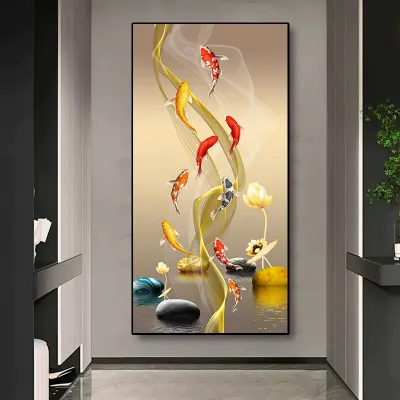
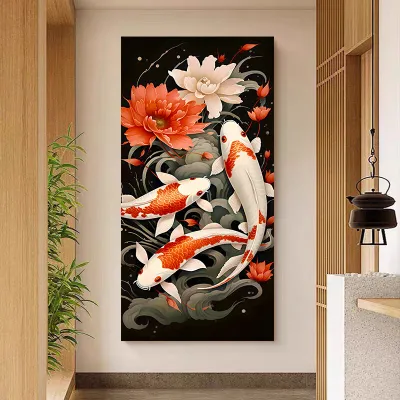
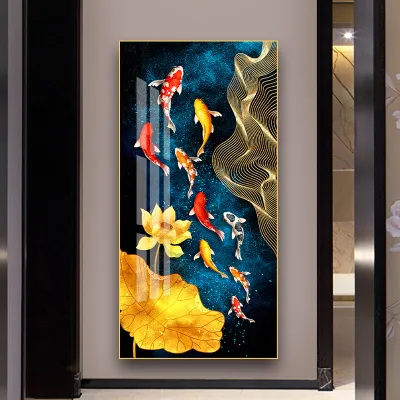
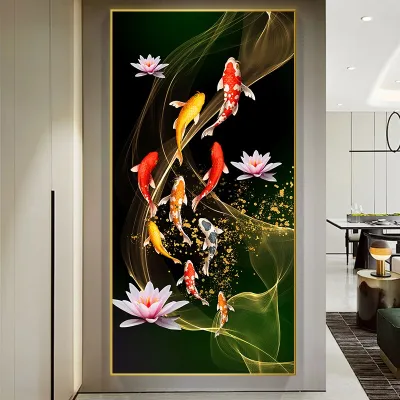
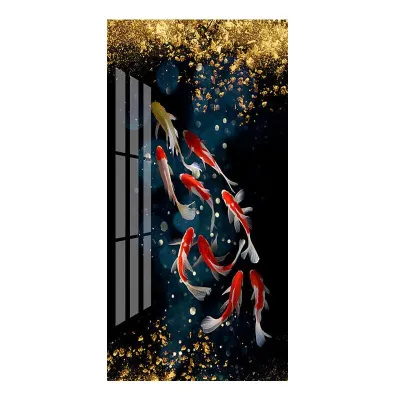
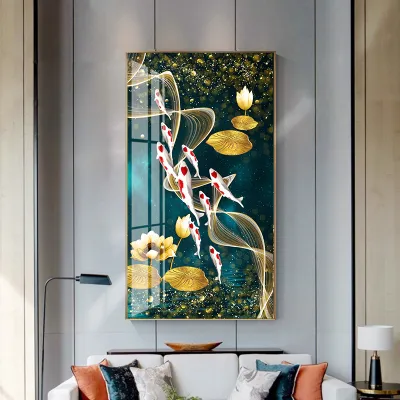
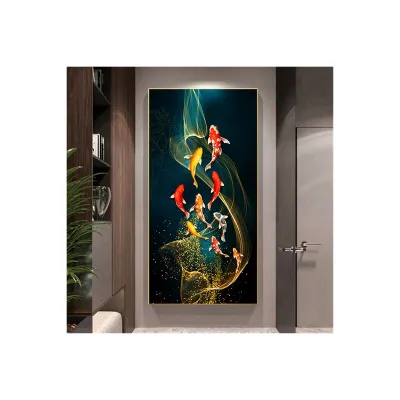
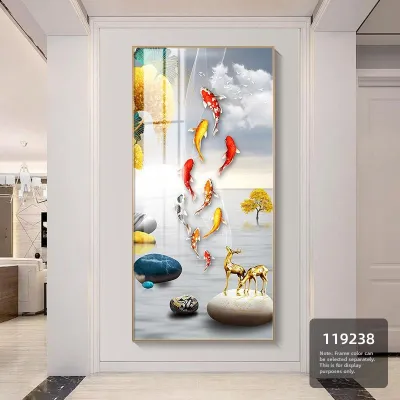
Prices are valid at publication and may change. Please refer to the product page for the latest price.
Evaluating the room’s existing color palette and lighting conditions is equally critical. A room dominated by cool, minimalist tones can be elevated by a painting with warm, contrasting accents, whereas a space with abundant natural light can handle deeper, more saturated pigments without feeling dark or cramped. The physical scale of your wall space must also be measured accurately. A single large-scale statement piece creates a bold, singular narrative, whereas a multi-panel triptych or a curated gallery wall allows for a sense of movement and progression, mimicking the natural flow of aquatic life across the room.
Finally, consider the room’s function and traffic levels. A high-traffic entryway demands a durable, easily cleaned piece, whereas a quiet study or bedroom is better suited for delicate, glass-framed paper prints that invite closer inspection. By balancing these practical considerations with your aesthetic preferences, you can narrow down the vast selection of fish art to the styles that will work best in your home.
Top Fish Painting Styles for Home Wall Decor
Artistic interpretations of marine life vary widely, each bringing a distinct mood and aesthetic energy to an interior. Understanding these styles allows you to select a piece that aligns with your home’s architectural character.

Traditional Chinese Ink and Koi Paintings
Traditional Chinese ink wash and koi paintings are celebrated for their elegance, restraint, and Zen-like qualities. Visually, this style is characterized by fluid, expressive brushstrokes and a deliberate use of negative space, where the unpainted canvas or paper represents the quiet depth of water. The color palette is typically restrained, relying on gradients of black charcoal ink, often punctuated by vibrant splashes of vermilion red, orange, or gold to depict the fish.
In terms of cultural context, koi and goldfish are deeply associated with perseverance, harmony, and good fortune. The fluid movement of the fish swimming against the current serves as a silent reminder of strength and resilience. This style is highly recommended for traditional, Asian-inspired, Japandi, or minimalist Zen interiors. It serves as an excellent welcoming piece in entryways, a calming influence in home offices, or a meditative focal point in living rooms.
Tropical and Marine Life Art
For those who prefer a more vibrant and energetic aesthetic, tropical and marine life art offers a lively alternative. This style captures the brilliant, saturated colors of underwater ecosystems, featuring species like clownfish, tangs, and angelfish navigating coral reefs. The compositions are dynamic, often utilizing diagonal lines and overlapping forms to convey the constant, bustling motion of a reef.
The mood created by tropical marine art is inherently refreshing, cheerful, and vacation-inspired, bringing a slice of the ocean’s vitality indoors. It is particularly suited for coastal, bohemian, or eclectic interior themes. These paintings perform exceptionally well in sunrooms, children’s bedrooms, and bathrooms, where the association with water feels natural and uplifting.
Abstract and Modern Fish Art
Abstract and modern fish art strips away strict anatomical realism to focus on form, movement, and color harmony. Artists in this genre often use geometric shapes, minimalist lines, or bold color blocking to suggest the essence of fish swimming through water. It is common to see mixed media elements, textured acrylic impasto, or metallic gold and silver leaf that catch the light, mimicking the natural shimmer of fish scales.
This style creates a sophisticated, thought-provoking, and visually striking atmosphere without overwhelming the surrounding decor. Because it does not rely on literal representation, abstract fish art integrates seamlessly into modern, mid-century modern, or high-end minimalist spaces. It is an ideal choice for formal dining areas, executive home offices, or main living rooms where contemporary design elements dominate.
Realistic and Photographic Fish Prints
On the opposite end of the stylistic spectrum lie realistic and photographic fish prints. This style prioritizes scientific accuracy, high-resolution detail, and true-to-life textures, showcasing the intricate patterns of scales, the delicate transparency of fins, and the precise anatomy of specific species. This category includes both high-definition underwater photography and vintage-style biological illustrations reminiscent of 19th-century natural history archives.
The resulting mood is grounded, classic, and intellectually engaging. These prints appeal to nature enthusiasts, anglers, and those who appreciate the quiet beauty of empirical observation. Realistic prints are best suited for traditional studies, home libraries, executive offices, or classic living rooms characterized by dark wood paneling, leather furniture, and brass accents.
How to Match Fish Art to Your Interior Design Theme
Integrating a fish painting into your home requires more than simply hanging it on an open wall; it demands a thoughtful approach to scale, color, and framing to achieve a cohesive look.
Focal Point Creation
A large-scale fish painting can serve as the primary visual anchor for a room. When positioning artwork above major furniture pieces, such as a living room sofa, a console table, or a bed, ensure the width of the painting is approximately two-thirds to three-quarters of the width of the furniture below it. This proportion prevents the furniture from looking awkwardly heavy or the artwork from appearing lost. Additionally, ensure the bottom of the frame hangs roughly 15 to 25 centimeters above the top of the furniture to maintain a connected visual flow.
Color Coordination
To tie the artwork into the room’s broader design, extract one or two secondary colors from the painting and repeat them in your decor accessories. If a modern abstract fish painting features subtle hints of teal or copper, introduce these exact tones through throw pillows, ceramic vases, or a textured area rug. This subtle repetition guides the eye naturally through the space, creating a unified color story without making the room feel overly themed or matching.
Frame Selection
The frame serves as a critical transition between the artwork and your wall. For modern abstract or photographic prints, sleek, thin black or white metal frames maintain a clean, contemporary edge. Floating canvas frames, which leave a small gap between the canvas edge and the frame, are also excellent for a modern, gallery-like feel. For traditional Chinese ink wash or classic koi paintings, opt for natural wood frames, bamboo-style profiles, or distressed gold-leaf borders that complement the warmth and historical depth of the art.
Gallery Walls
If you prefer a more layered, collected aesthetic, consider incorporating fish art into a curated gallery wall. Mix small fish prints with botanical sketches, abstract geometric shapes, or even small decorative mirrors. To prevent visual clutter, maintain a consistent spacing of 5 to 8 centimeters between frames and use a unifying element, such as matching frame materials or a consistent color palette across the different artworks.
Practical Buying Guide: Materials, Framing, and Lighting
To ensure your wall art remains beautiful and structurally sound for years to come, you must consider the technical aspects of materials, preservation, and display.
Print Materials
When purchasing a print, you will generally choose between canvas wraps and fine art paper prints. Canvas wraps provide a textured, tactile surface and do not require a frame, offering a casual, modern, and borderless look that works well in relaxed spaces. Fine art paper prints, particularly archival giclée prints on heavy cotton rag paper, offer superior detail, sharper lines, and richer color depth. However, paper prints require professional framing under glass or acrylic, which lends a more formal, structured appearance to the artwork.
Glazing and Protection
Protecting your art from environmental degradation is vital, especially in bright, sunlit rooms. Opt for UV-filtering acrylic or museum-grade glass to shield paper prints and canvases from fading and discoloration. Always ensure that paper prints are mounted with acid-free matting; this creates a necessary air gap between the paper surface and the glass, preventing moisture condensation that can cause the paper to warp, stick, or develop mold.
Lighting Considerations
Proper lighting is essential to bring out the depth, textures, and colors of your fish painting. Avoid placing artwork in direct sunlight, as UV rays will cause rapid and irreversible fading. For dedicated illumination, consider installing picture lights or adjustable track lighting.
- Electrical Safety and Professional Installation: If you choose to install hardwired, fixed picture lights, always isolate the power supply at the main circuit breaker before beginning any electrical work. Carefully follow the manufacturer's installation instructions. For complex wiring, high-ceiling installations, or working with your home's primary electrical panel, hire a licensed electrical professional to ensure safety and compliance with local electrical codes.
- Lighting Specifications: Select LED fixtures with a high Color Rendering Index (CRI of 90 or above) to ensure the colors of the painting are rendered accurately. Warm color temperatures between 2700K and 3000K are highly recommended for creating a comfortable, inviting ambiance, though cooler temperatures near 4000K can be selectively used to highlight the crisp, blue tones of marine scenes. Always verify the fixture's voltage compatibility (ensuring it matches Singapore's standard 230V grid), base or interface type, dimming methods (such as TRIAC or 0-10V), and maximum wattage limits before purchasing.
Installation and Safety
Securing your artwork properly is a matter of both preservation and safety. Identify your wall material before driving in any fasteners. While drywall is common in some modern partitions, many homes in Singapore feature solid concrete or brick masonry walls. Masonry walls require a hammer drill, plastic wall plugs, and heavy-duty screws to hold framed art securely. If you are hanging a heavy, large-scale framed painting in high-traffic corridors, above a sofa, or directly over a bed headboard, ensure the wall anchors and hanging brackets are rated for at least double the weight of the artwork. This precaution prevents accidental falls due to vibrations or structural settling.
Frequently Asked Questions (FAQ)
Are fish paintings considered good Feng Shui for the home?
In traditional Chinese culture and Feng Shui practices, fish represent abundance, wealth, and smooth transitions due to their association with the water element. Koi and goldfish, in particular, are highly regarded. Displaying these paintings in active areas like the living room, dining room, or near the main entryway is believed to invite positive energy and prosperity. However, practitioners generally advise against hanging water-themed art in the bedroom, as the active energy of flowing water may conflict with the quiet, restful atmosphere needed for sleep.
What is the best height to hang a fish painting on the wall?
The standard gallery rule is to hang artwork so that the center of the image sits at average eye level, which is approximately 145 to 152 cm from the floor. When positioning a painting above furniture like a console table, credenza, or sofa, leave a gap of 15 to 25 cm between the bottom of the frame and the top of the furniture. This gap ensures the art feels connected to the furniture arrangement rather than floating in isolation.
How do I protect my fish canvas art from humidity and fading?
In humid climates like Singapore’s, protecting canvas art requires careful environmental management. Avoid hanging unframed canvases in high-humidity zones such as unventilated bathrooms or directly opposite active air conditioning vents, where rapid temperature fluctuations can cause the canvas to stretch or sag. To clean the artwork, perform regular, gentle dusting with a soft, dry microfiber cloth or a clean feather duster. Never use chemical cleaners, water, or damp cloths, as moisture can penetrate the protective varnish and damage the underlying inks.

Community discussion
Share your experience or ask a question. Comments are reviewed before publication.