
Creating a warm living room ambiance in a Singapore home relies on choosing floor lamp (落地灯) brands that balance precise color temperature control, high-quality light diffusion, and space-saving physical designs. The ideal floor lamp should not only complement your interior aesthetic but also address the specific spatial layouts and environmental conditions of local residences. In Singapore’s typical high-density housing, such as Housing & Development Board (HDB) flats and private condominiums, living rooms often serve multiple purposes—from active family hubs to quiet evening sanctuaries. Selecting the right floor lamp brand allows you to transition your space from bright, functional daylight to a cozy, restful retreat without relying on harsh overhead fluorescent panels.
By understanding the technical specifications of light, the durability of materials, and the layout constraints of your home, you can make an informed decision that enhances your living environment. This guide provides a comprehensive framework to help you evaluate different floor lamp categories, understand key safety requirements in Singapore, and choose a brand that delivers both reliable performance and aesthetic value.
Understanding Warm Ambiance for Singapore Living Rooms
To establish a genuinely cozy and inviting atmosphere in your living room, you must first understand the relationship between light quality and human perception. The most critical factor in creating a warm ambiance is color temperature, which is measured in Kelvin (K). For relaxing living spaces, the standard recommendation is to select light sources within the 2700K to 3000K range, often classified as warm white. This range mimics the soft, golden glow of the late afternoon sun, which naturally signals to our bodies that it is time to wind down, promoting a sense of calm and comfort after a long day of work or study.
Products mentioned in this guide
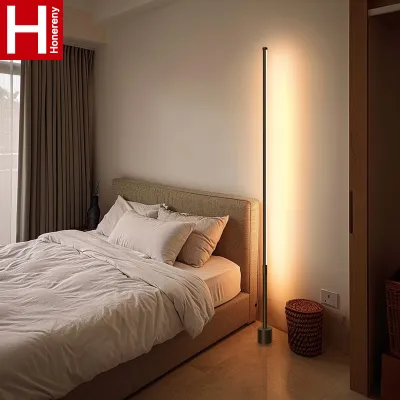
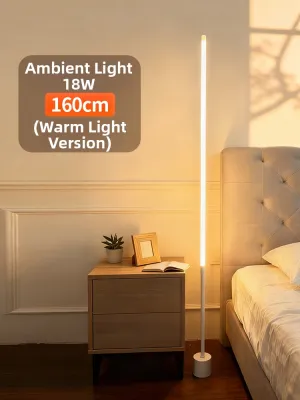

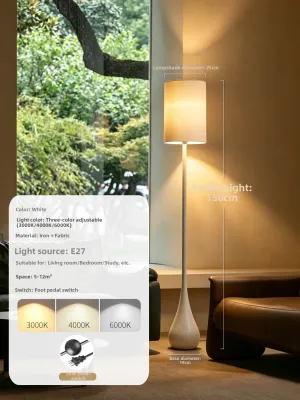
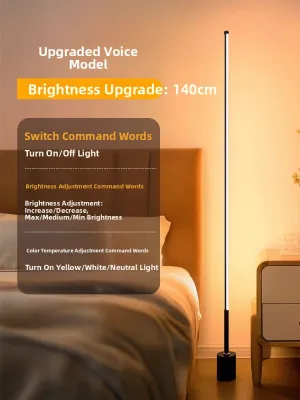
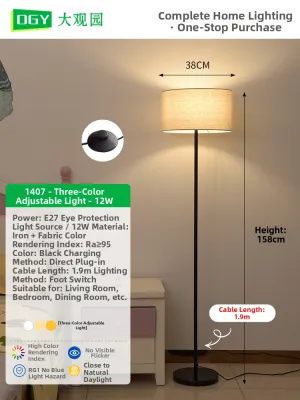
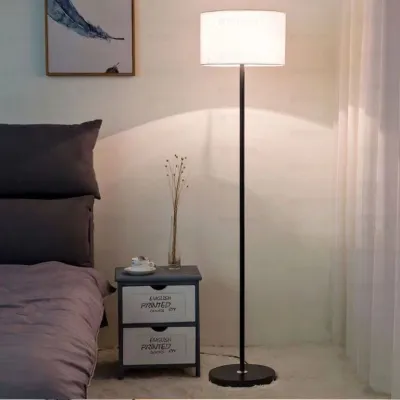
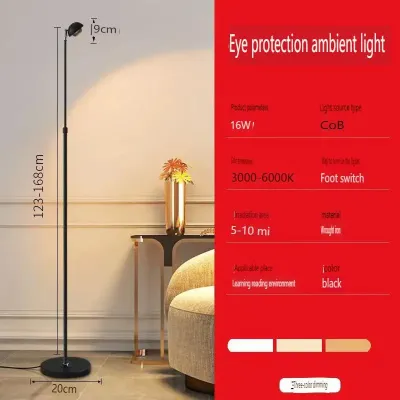
Prices are valid at publication and may change. Please refer to the product page for the latest price.
In contrast, the cool white or daylight color temperatures (4000K to 6500K) frequently used in Singaporean kitchens or home offices are highly stimulating and can make a living room feel sterile or clinical. However, achieving the perfect ambiance is not just about the color of the light; it also requires managing the brightness, or lumen output. Ambient lighting should be soft and indirect, typically requiring around 300 to 500 lumens to gently illuminate a seating area. If you use the space for reading or hobbies, you can layer this with a dedicated task light that delivers 800 or more lumens to a focused spot, ensuring your eyes do not strain.
The physical design of the floor lamp plays a major role in how this light is distributed throughout the room. The height of the fixture is particularly important in Singapore, where standard residential ceiling heights generally range between 2.6 and 2.8 meters. A lamp that is too tall can cast light directly into your eyes when you are seated, while a lamp that is too short might fail to distribute light effectively. Choosing a fixture between 1.4 and 1.8 meters tall ensures the light source remains at a comfortable level. Furthermore, shade materials such as linen fabric, handmade paper, or frosted glass act as natural diffusers. They scatter the light waves in multiple directions, eliminating harsh shadows and softening the visual boundaries of the room, which can make compact living spaces feel significantly more open and welcoming.
Finally, you must consider the spatial realities of Singaporean home layouts. Many modern HDB flats and condominiums feature open-concept living and dining areas where floor space is at a premium. A bulky lamp with a wide tripod base can easily obstruct walkways and create physical clutter. To maintain a smooth flow of traffic, look for brands that offer slim-profile bases, linear column designs, or arched structures that allow the light source to extend over a sofa or armchair while keeping the base tucked safely out of the way.
How to Evaluate Floor Lamp (落地灯) Brands for Quality and Aesthetics
When shopping for a floor lamp, it is easy to be swayed by attractive product photography, but assessing the underlying build quality and engineering is essential for long-term satisfaction. Begin by examining the physical construction of the fixture, starting with the base. A reputable brand will prioritize a heavily weighted base—constructed from solid steel, cast iron, or dense marble—to ensure the lamp remains stable. This is a critical safety consideration in active households, particularly those with young children, elderly family members, or energetic pets who might accidentally bump into the fixture.

Material durability is another crucial factor, especially given Singapore’s high year-round humidity. Low-grade metals can rust quickly, and cheap plastic components can become brittle and discolor over time when exposed to ambient moisture and heat. High-quality brands utilize premium materials such as powder-coated steel, solid brass, anodized aluminum, or treated hardwoods. These materials not only resist corrosion but also maintain their finish consistency and aesthetic appeal over decades of use. Inspect the joints, adjustment screws, and welds; they should feel smooth, secure, and free of sharp edges or loose play.
The quality of the light source itself is determined by the Color Rendering Index (CRI), which measures how accurately a light source reveals the true colors of objects compared to natural sunlight. For a living room where you want your furniture, artwork, and decor to look their best, look for brands that specify a CRI of 80 or higher. A high CRI ensures that warm wood tones, rich fabric textures, and skin tones appear natural and vibrant, whereas a low CRI can make your carefully curated interior look dull, grey, or washed out.
Dimming capability is another essential feature to evaluate, as it gives you the flexibility to adjust the light levels to suit different times of day and activities. Some brands offer built-in touch-sensitive dimmers directly on the lamp pole, while others feature inline foot switches or integrate seamlessly with smart home applications. If you plan to connect your lamp to a wall-switch dimmer, verify that the lamp’s internal wiring and driver are compatible with leading-edge or trailing-edge dimming systems to prevent annoying flickering or buzzing sounds.
Lastly, consider the long-term maintenance and sustainability of the lamp by checking the bulb replacement specifications. Many minimalist modern designs feature integrated LED modules. While these offer sleek profiles and exceptional energy efficiency, they can be difficult or impossible to replace if the light source fails, often requiring you to replace the entire fixture. Conversely, brands that utilize standard screw-in sockets, such as E27 or B22, provide maximum flexibility. They allow you to easily replace bulbs, experiment with different color temperatures, or upgrade to smart bulbs as your technology needs evolve.
Categories of Floor Lamp Brands to Consider
Premium Scandinavian and European Design Brands
For homeowners who appreciate a minimalist, timeless aesthetic, premium Scandinavian and European design brands offer an exceptional balance of form and function. The design language of this category is characterized by clean geometric lines, matte powder-coated finishes, and a thoughtful integration of natural materials like oak, walnut, and spun aluminum. These fixtures are designed to act as understated sculptural elements during the day and warm, atmospheric light sources at night, making them a perfect match for modern interior styles such as Japandi or mid-century modern.
What sets these premium brands apart is their sophisticated approach to glare-free lighting engineering. Rather than simply housing a bulb behind a basic shade, these manufacturers design complex optical systems. They often utilize multi-layered shades, internal diffusers, or curved reflectors that bounce light off walls and ceilings. This indirect lighting technique eliminates glare completely, bathing your living room in a soft, uniform glow that reduces eye strain and enhances the feeling of warmth.
While these fixtures represent a significant financial investment, their superior craftsmanship and iconic designs can elevate the entire aesthetic of your home. When purchasing from this category in Singapore, it is highly recommended to buy through authorized local distributors. This ensures that you receive genuine products rather than counterfeit replicas, and it guarantees access to local warranty support and replacement parts should you ever need them.
Smart and Tech-Forward Lighting Brands
If you prefer a highly customizable and dynamic living environment, smart and tech-forward lighting brands are an excellent choice. The primary advantage of these brands is their ability to offer tunable white light. This technology allows you to adjust the color temperature of the lamp dynamically throughout the day, shifting from a bright, energizing 3000K warm white for reading or cleaning in the afternoon, down to a deep, amber 2200K sunset glow for winding down in the evening.
These smart systems also offer unparalleled convenience through scheduling, automation, and voice control integration. You can program your floor lamp to turn on gradually at sunset, or create customized lighting “scenes” that coordinate your floor lamp with other smart devices in your home. For example, you can activate a “Movie Night” scene that dims the floor lamp to a soft 10% amber glow while turning off other overhead lights, instantly transforming your living room into a private cinema.
When selecting a smart brand, it is crucial to verify compatibility with your existing smart home ecosystem, whether you use Apple Home, Google Home, or Samsung SmartThings. Additionally, ensure that the brand’s mobile application and cloud infrastructure are reliably supported and updated in the Singapore region. A stable connection is vital for preventing latency or connection dropouts, ensuring your lighting responds instantly to your commands.
Regional and Artisan Craft Brands
For those who wish to infuse their living room with a unique, organic, and highly textured character, regional and artisan craft brands are a compelling option. These brands often highlight traditional craftsmanship, utilizing natural, renewable materials such as hand-woven rattan, bamboo, seagrass, or textured linen. When illuminated, the intricate weaves of these natural shades cast beautiful, complex shadow patterns across your walls and ceiling, adding immediate visual depth and a relaxed, tropical-resort feel to your urban apartment.
However, incorporating natural fibers into a Singapore home requires careful consideration due to the country’s high relative humidity, which frequently exceeds 80%. If untreated, natural materials like rattan or bamboo can easily absorb moisture from the air, leading to mold growth, warping, or structural degradation over time. When evaluating artisan brands, always verify that the materials have been treated with protective, moisture-resistant, and anti-fungal sealants designed to withstand tropical climates.
Furthermore, inspect the structural integrity of handcrafted bases to ensure they meet modern safety standards. The internal electrical conduits must be securely insulated, and the natural shade must be positioned at a safe distance from the light source. Because natural fibers can be sensitive to heat, pairing these lamps with low-emission light sources is essential to prevent drying, discoloration, or potential safety hazards.
Essential Pre-Purchase Checks for Singapore Homes
Before finalizing your purchase of a floor lamp, conducting several practical and technical checks is essential to ensure safety, compatibility, and a perfect fit within your home. The most critical step is verifying electrical compatibility. Singapore’s standard electrical supply operates at 230V and 50Hz. If you are purchasing a lamp from an international brand or importing it directly, you must confirm that the internal transformer or driver is rated for this voltage. Additionally, ensure the product is fitted with a standard Type G three-pin plug, which is the national standard in Singapore. Avoid using cheap, uncertified travel adapters for permanent fixtures, as they can overheat and present a significant fire hazard.
Next, perform detailed spatial planning in your living room. Use masking tape to outline the physical footprint of the lamp base on your floor to ensure it will not obstruct cabinet doors, electrical outlets, or natural walkways. Measure the total height of the lamp and compare it against your ceiling clearance. This is especially important if you have installed false ceilings, which reduce overall room height, or if you have ceiling fans. Placing a tall floor lamp directly beneath or near a spinning ceiling fan can create a highly distracting strobing effect as the fan blades repeatedly block the light path.
You should also plan the physical routing of the power cord. Ensure the cord is long enough to reach your wall outlet without being stretched taut, which can damage the internal copper wiring over time. Avoid running cords across high-traffic walkways where they can become tripping hazards for family members or get caught in vacuum cleaners. If the cord must run behind furniture, ensure there is sufficient clearance so that heavy sofas or cabinets do not pinch or crush the cable.
When purchasing online or from local showrooms, carefully review the brand’s after-sales support and warranty terms. A reputable lighting brand should offer at least a one-year local warranty covering electrical components, switches, and drivers. Familiarize yourself with the retailer’s return policy as well; because lighting can look very different in a showroom compared to your actual living room, having the flexibility to return or exchange the lamp if the scale or light output is not right provides valuable peace of mind.
Final safety checks should always include adhering to bulb wattage guidelines. Every floor lamp is rated for a maximum wattage limit, which is typically printed on a label near the bulb socket. Never exceed this limit, especially when using traditional incandescent or halogen bulbs, which generate extreme heat that can scorch fabric shades, melt plastic components, or ignite paper elements. To maximize safety and energy efficiency, always opt for high-quality, low-heat LED bulbs, which deliver excellent brightness and warm color temperatures while consuming only a fraction of the power.
Frequently Asked Questions (FAQ)
Can I use a smart bulb in any floor lamp to create a warm ambiance?
You can use a smart bulb in most floor lamps, provided the fixture features a standard, compatible socket such as an E27 screw base or a B22 bayonet mount. However, there are important technical limitations to keep in mind. Smart bulbs require a continuous, uninterrupted supply of electrical power to maintain their wireless connection to your smart home network. Because of this, they should never be installed in floor lamps that are controlled by physical, inline dimmer switches. Using a smart bulb on a dimmed circuit can starve the bulb’s internal electronics of voltage, leading to severe flickering, buzzing noises, or permanent hardware failure. Additionally, you must ensure there is adequate physical clearance around the bulb inside the shade to allow for proper heat dissipation, as excessive heat can shorten the lifespan of the smart bulb’s sensitive internal components.
How many floor lamps do I need for a standard living room?
There is no single correct number of floor lamps, as the ideal setup depends entirely on your living room’s layout, size, and existing light sources. The key to successful lighting design is layering, which involves combining different types of light to eliminate dark corners and create visual depth. For a typical Singapore HDB or condominium living room, which generally ranges from 15 to 25 square meters, one or two strategically placed floor lamps are usually ideal. You can position a single floor lamp in an under-utilized corner to wash the adjacent walls with soft, indirect light, or place one next to an armchair to define a cozy reading nook. If you have a larger, open-concept living space, using two floor lamps at opposite ends of the room can help balance the overall illumination and create a harmonious, welcoming environment.
Are paper or fabric lamp shades safe for long-term use?
Paper and fabric lamp shades are completely safe for long-term residential use, provided you pair them with modern, low-heat LED bulbs. Traditional incandescent and halogen bulbs convert a significant amount of electrical energy into heat, which can cause delicate paper or fabric materials to dry out, discolor, or even scorch over time. In contrast, high-quality LED bulbs emit virtually no heat in the direction of the light beam, making them highly safe to use with sensitive shade materials. To ensure ongoing safety, you should perform regular visual inspections of your lamp. Dust accumulation on the bulb or shade can trap heat and degrade the materials, so it is recommended to gently clean the shade periodically using a dry microfiber cloth, a soft feather duster, or a lint roller.
Community discussion
Share your experience or ask a question. Comments are reviewed before publication.