
Finding the perfect wall decor with frame is one of the most effective ways to transform a blank wall into a curated design statement. In Singapore, where residential spaces like HDB flats and condominiums often feature compact layouts and neutral paint schemes, framed art acts as a vital visual anchor. It defines the mood of a room, introduces texture, and expresses personal taste without occupying valuable floor space. However, selecting the right piece involves more than just finding an appealing image; it requires a thoughtful alignment between the artwork, its frame, and the overarching interior design of your home.
In Singapore’s tropical climate, home decor also needs to balance aesthetics with practical durability. High humidity levels can affect paper prints and wooden frames over time, making the choice of framing materials and mounting methods just as crucial as the visual style. By understanding how different framing elements interact with popular local interior aesthetics—ranging from clean Scandinavian lines to raw industrial lofts—you can make an informed purchase that elevates your living space for years to come.
How to Match Framed Wall Art to Your Interior Style
To create a harmonious room, you must evaluate how a framed art piece interacts with the surrounding space. This starts with understanding “visual weight,” which refers to how much attention an object demands. Frame thickness, color, and texture play a massive role in determining this weight. A thick, dark, or heavily textured frame has high visual weight, drawing the eye immediately and anchoring a large wall. However, in a small room, it can easily feel overbearing. Conversely, a thin, light-colored wood or sleek metal frame has low visual weight, offering a breezy, modern look that lets the artwork itself take center stage.
Products mentioned in this guide

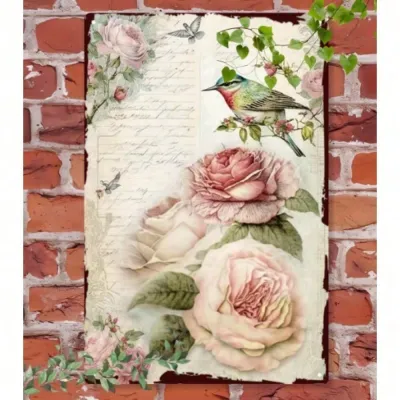





Prices are valid at publication and may change. Please refer to the product page for the latest price.
Another critical element is color harmony. Rather than trying to match your wall art exactly to your wall paint, use it to tie the room’s color palette together. A reliable design technique is to pull accent colors from your soft furnishings, such as cushions, rugs, throw blankets, or curtains. If your living room features a neutral grey sofa with emerald green cushions, selecting a framed print that contains subtle hints of emerald green will instantly make the room feel cohesive and professionally designed. This creates a visual thread that guides the eye naturally through the space.
To help you quickly identify which frame styles suit your design goals, refer to the pairing guide below:
| Frame Material | Visual Weight | Best Suited Aesthetics | Key Characteristics |
|---|---|---|---|
| Light Wood (Oak, Ash) | Light to Medium | Scandinavian, Minimalist, Japandi | Natural grain, warm undertones, clean and understated appearance. |
| Matte Black | Medium to Heavy | Modern, Industrial, Minimalist | Sharp contrast, clean lines, acts as a strong graphic border. |
| Brushed Metal (Aluminum, Brass) | Light | Contemporary, Glam, Modern | Subtle sheen, sleek profile, reflects light without high glare. |
| Warm Teak or Rattan | Medium | Tropical, Biophilic, Mid-Century Modern | Rich organic textures, warm golden-brown tones, tactile appeal. |
| Distressed Wood | Medium to Heavy | Industrial, Rustic, Shabby Chic | Weathered texture, matte finish, unique imperfections and character. |
Framed Art Styles for Minimalist and Scandinavian Homes
Minimalist and Scandinavian (often blended as “Japandi”) interiors are highly popular in Singapore due to their ability to make compact spaces feel bright, open, and serene. These design styles prioritize functionality, clean lines, and a strong connection to natural elements. To complement this aesthetic, your wall decor with frame should feel light, airy, and uncluttered.

When selecting art subjects for a Scandinavian or minimalist home, look for pieces that embrace simplicity. Continuous line art, abstract geometric shapes in muted tones (such as beige, terracotta, sage, or soft ochre), and monochrome or soft-focus pastel landscapes work exceptionally well. These subjects offer visual interest without overwhelming the senses, maintaining the calm atmosphere of the room.
The framing should match this understated elegance. Opt for thin, low-profile frames made of light-oak, ash wood, or a very slim matte black metal. A crucial styling element here is the use of a wide white or off-white matboard (the cardboard border surrounding the art). The matboard provides essential “breathing room” between the artwork and the frame, making even a simple print look gallery-worthy.
For styling, you can arrange these frames in a symmetrical grid gallery wall (such as a two-by-two layout) to reinforce a sense of order and balance. Alternatively, for a more relaxed and effortless feel, choose a single oversized framed piece and lean it against the wall on top of a low sideboard, console table, or even the floor. Avoid overly ornate, heavy plaster frames or highly reflective, polished metallic frames, as these will disrupt the simple, organic harmony of a Scandi-minimalist space.
Framed Art Styles for Tropical and Biophilic Interiors
Biophilic design focuses on connecting indoor spaces with the natural world, a concept that resonates deeply in Singapore’s “City in Nature” environment. Tropical and biophilic interiors use natural materials, abundant indoor plants, and earthy color palettes to create a soothing, sanctuary-like home.
The art subjects in a biophilic home should directly celebrate nature. Vintage botanical illustrations, detailed macro photography of lush leaves (such as monstera, palm, or banana leaves), and soft watercolor landscapes featuring forests or misty hills are perfect choices. These images reinforce the green, organic theme of the space and bring a sense of freshness indoors.
To frame these natural subjects, choose materials that echo the outdoors. Natural rattan, bamboo, warm teak, or unvarnished, raw-grained wood frames are ideal. Teak is particularly well-suited for Singapore’s humid climate due to its natural oils, which make it highly resistant to moisture and warping. These materials add rich, tactile textures that complement other natural elements in the room, such as jute rugs or linen curtains.
When styling, try pairing your framed art directly with your indoor plants. Placing a framed botanical print slightly behind a potted fiddle-leaf fig or monstera creates a beautiful, layered depth. Instead of rigid, formal grids, arrange your frames in a clustered, organic-shaped gallery wall with varying frame sizes and heights. This layout mimics the natural, asymmetrical growth patterns found in nature. Avoid stark, high-gloss black frames or polished chrome frames, as their clinical, synthetic look will clash with the warm, living energy of a biophilic room.
Framed Art Styles for Modern and Abstract Spaces
Modern and contemporary homes in Singapore often feature sleek surfaces, clean architectural lines, and a sophisticated, high-contrast color palette. In these spaces, wall decor with frame is not just a background accessory; it is designed to be a bold, eye-catching focal point that showcases artistic intent.
Abstract art is the perfect match for modern interiors. Look for large-scale color block paintings, bold geometric patterns, or high-contrast contemporary photography (such as urban architecture or abstract textures). These subjects allow you to introduce vibrant accent colors or dramatic monochrome contrasts into an otherwise neutral room.
To match the clean, sharp lines of modern design, use thick gallery-style frames in matte black or white, or sleek brushed aluminum frames. For canvas-based artworks, a floating frame (where a thin gap sits between the canvas edge and the outer frame) is an excellent choice. It adds a sophisticated, three-dimensional depth, making the artwork appear to float within its border.
Styling in a modern space favors impact over quantity. Rather than cluttering your walls with multiple small frames, invest in one oversized statement piece to hang above your sofa, bed, or dining table. This single focal point maintains a clean, uncluttered look while delivering maximum visual impact. Avoid busy, multi-frame collages with mismatched frame styles, as they can quickly make a sleek, modern room look chaotic and disorganized.
Framed Art Styles for Industrial and Urban Loft Designs
Industrial design embraces raw, unfinished elements, drawing inspiration from old factories and urban warehouses. This style has a strong presence in Singapore, with many homeowners opting for concrete-screed floors, exposed brick walls, black track lighting, and metal pipe fixtures. Framed wall art in an industrial space helps to bridge the gap between raw construction materials and cozy residential living.
Art subjects for industrial spaces should carry an urban, historical, or mechanical vibe. Architectural blueprints, vintage typography, black-and-white street photography, and patent drawings of classic inventions fit this aesthetic perfectly. These subjects add a sense of history, grit, and intellectual curiosity to the room.
The frames themselves should look like they belong in a workshop or loft. Distressed reclaimed wood, raw iron, matte black metal, or frameless acrylic sandwich mounts (which expose the wall texture behind the art) are excellent options. The natural imperfections, knots, and weathered textures of reclaimed wood frames soften the coldness of concrete and metal, adding much-needed warmth.
For an authentic loft feel, lean large, heavy framed pieces directly on the floor against an exposed brick or concrete-screed wall rather than hanging them. This casual styling technique feels spontaneous and artistic. You can also mix your framed art on industrial metal shelving units alongside vintage books, Edison bulb table lamps, and metallic sculptures. Avoid delicate, gilded, or highly polished frames, such as shiny gold brass or silver leaf, as their refined elegance will clash with the rugged, unpolished nature of industrial design.
What to Verify Before Buying Framed Wall Decor
Before purchasing your wall decor with frame, it is essential to verify several technical and structural details to ensure your art is durable, safe, and visually proportionate.
First, consider the glazing (the protective front sheet). Standard glass offers classic clarity and is highly scratch-resistant, but it is heavy and highly reflective, which can cause annoying glare in bright, sunlit rooms. Shatter-resistant acrylic (often called plexiglass) is much lighter and safer, making it ideal for large frames or homes with young children and pets. However, acrylic is more prone to static dust buildup and scratching. Always check the product label or manufacturer specifications to see which glazing material is used.
Second, check your wall compatibility. Unlike homes in western countries that often feature drywall (plasterboard), the vast majority of residential walls in Singapore—especially in HDB flats and concrete condominiums—are made of solid reinforced concrete or brick. Hanging heavy framed art securely on these walls requires a masonry drill bit, plastic wall plugs (anchors), and sturdy screws. Standard nails or light adhesive strips are highly likely to fail, risking damage to your wall and your artwork. Always check the hanging hardware included with your frame; if it only includes drywall anchors, you will need to purchase masonry-compatible hardware separately. Before drilling, always use a stud finder or wall scanner to check for concealed electrical wiring or water pipes.
Finally, measure your space carefully using standard design proportions:
- The Eye-Level Rule: Always hang your art so that the center point of the frame is approximately 57 to 60 inches (145 to 152 cm) from the floor. This is the standard gallery height and ensures comfortable viewing.
- The Two-Thirds Rule: If you are hanging a framed piece above a piece of furniture, such as a sofa, sideboard, or bed headboard, the frame (or group of frames) should span between 2/3 and 3/4 of the total width of the furniture. This prevents the art from looking awkwardly small or overwhelmingly large. Leave a gap of 6 to 8 inches (15 to 20 cm) between the bottom of the frame and the top of the furniture to give the arrangement breathing room.
Frequently Asked Questions (FAQ)
How high should I hang framed wall art?
The industry standard is to hang framed art so that the center of the image sits at eye level, which is roughly 57 to 60 inches (145 to 152 cm) from the floor. If you are hanging art in an area where people are usually seated, such as a dining room or study, you can lower this height slightly to align with seated eye level. For homes with exceptionally high ceilings, you can raise the height slightly to maintain visual balance, but ensure the art remains visually connected to the furniture below it rather than floating too high on the wall.
Can I mix different frame styles in the same room?
Yes, mixing different frame styles can add depth and an eclectic, curated charm to your home. To prevent the display from looking messy, establish a unifying element across the pieces. You can use identical matboard colors, choose frames that share a similar profile thickness while differing in material, or select artworks that share a cohesive color palette. For example, pairing a thin black metal frame with a light oak frame works beautifully if both contain minimalist line drawings on matching off-white paper.
How do I clean and maintain framed art without damaging it?
To keep your framed art looking its best, dust the frame and glazing weekly using a dry, clean microfiber cloth or a soft feather duster. If the glass or acrylic requires deeper cleaning, never spray glass cleaner or water directly onto the frame, as liquid can seep behind the edges and cause mold, foxing (brown spots), or warping on the paper artwork. Instead, spray a small amount of ammonia-free glass cleaner onto a microfiber cloth first, then gently wipe the surface. For acrylic glazing, use a specialized anti-static acrylic cleaner to prevent scratching.
Community discussion
Share your experience or ask a question. Comments are reviewed before publication.